
- 0
- 3,042 words
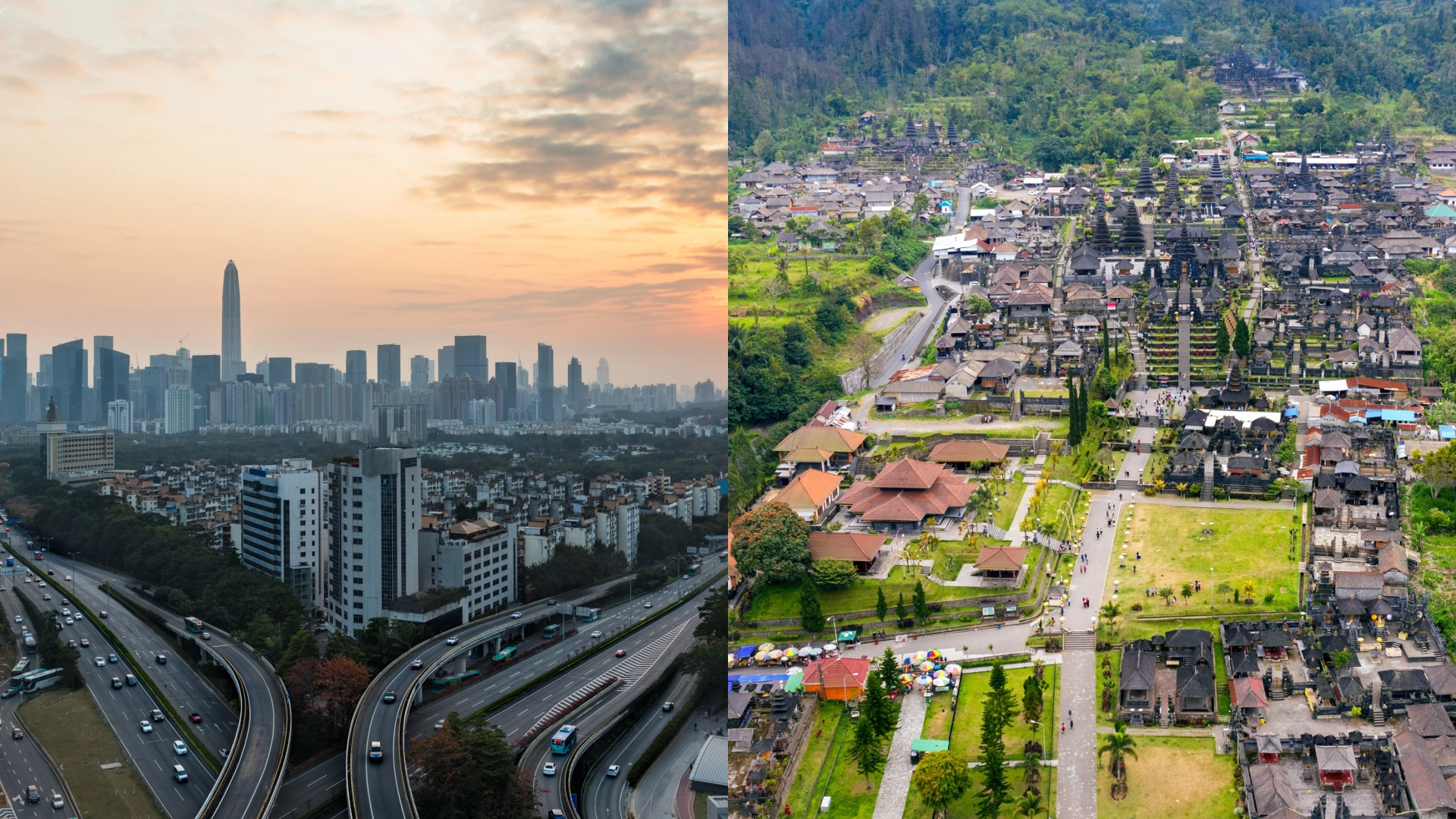
When people compare a city vs town, they often think about population size, buildings, transportation, and lifestyle. Although cities and towns are both important places where people live, work, study, and build communities, they can differ significantly in size, infrastructure, economic opportunities, and everyday experiences. Understanding these differences can help people choose where to live, plan a move, or simply learn more about how communities are organized.
A city is generally associated with a larger population, more extensive public services, diverse employment opportunities, and developed infrastructure. A town, on the other hand, is often smaller and may offer a quieter environment, a closer-knit community, and a slower pace of life. However, these descriptions are general rather than universal. Some towns are highly developed, while some cities maintain peaceful neighborhoods and strong community connections.
The exact meaning of a city or town also depends on the country, its laws, and its administrative system. In some places, a settlement becomes a city because of its population, while in others, official designation or historical importance determines its status.
This article explores the city vs town comparison in detail, covering their definitions, major differences, advantages, disadvantages, and the factors that make each suitable for different people.
What Is a City?
A city vs town is a relatively large and developed settlement that serves as a center for residential life, commerce, education, transportation, healthcare, and government activities. Cities usually have a higher population density than smaller settlements and contain a wide variety of residential, commercial, and industrial areas.
Many cities function as economic and cultural centers for surrounding regions. People travel to cities for employment, university education, specialized medical treatment, shopping, entertainment, and other services that may not be available in smaller communities.
Cities often feature apartment buildings, office towers, shopping centers, hospitals, universities, public transportation networks, and major road systems. They may also contain parks, museums, sports facilities, historic districts, and cultural institutions.
However, not every city looks the same. Some cities are internationally recognized metropolitan centers, while others are relatively small urban settlements with limited populations. Their development depends on geography, economic activity, historical growth, and government policies.
Characteristics of a City
Several features commonly distinguish cities from smaller settlements.
Large populations: Cities usually accommodate more residents, often spread across densely populated neighborhoods and surrounding districts.
Diverse employment opportunities: Businesses, government offices, hospitals, educational institutions, technology companies, and industries provide different types of jobs.
Advanced infrastructure: Cities often have extensive road networks, public transportation, water systems, electricity infrastructure, and communication services.
Wide range of facilities: Residents may have access to specialized healthcare, higher education, shopping centers, entertainment venues, and public services.
Cultural diversity: Cities frequently attract people from different regions and backgrounds, creating a mixture of languages, traditions, foods, and lifestyles.
These characteristics make cities attractive to people seeking professional development, convenience, and access to specialized services.
What Is a Town?
A town is generally a settlement that is smaller than a major city but larger or more developed than many villages. Towns commonly serve as local centers for housing, businesses, schools, healthcare, and community activities.
Many towns contain residential neighborhoods, grocery stores, local markets, schools, small hospitals or clinics, restaurants, government offices, and recreational spaces. Their commercial districts may be concentrated around a main street, market square, or central shopping area.
Towns often provide a balance between access to essential services and a less crowded living environment. Residents may experience shorter journeys, more familiar social networks, and stronger connections to local businesses.
Nevertheless, towns can vary considerably. Some are thriving commercial centers with modern facilities, while others depend on agriculture, tourism, manufacturing, or nearby cities for employment and specialized services.
The official definition of a town differs between countries. A settlement may be legally classified as a town even when its population is larger than that of a city elsewhere.
Characteristics of a Town
Towns commonly have several recognizable features.
Smaller populations: Towns often have fewer residents than major cities, although population figures vary widely.
Local businesses: Shops, family-owned restaurants, service providers, and small companies frequently play an important role in the local economy.
Less crowded surroundings: Many towns have lower population density, less traffic, and more residential space than large urban centers.
Community connections: Residents may have more opportunities to become familiar with neighbors, local business owners, and community organizations.
Essential public services: Towns generally provide basic facilities, but some specialized services may require travel to a larger urban center.
For people who value familiarity, manageable daily routines, and a quieter atmosphere, a town can be an appealing place to live.
City vs Town: The Main Differences
The most important differences between a city and a town involve population, infrastructure, employment, transportation, cost of living, and lifestyle. The following comparison summarizes the general distinctions.
| Feature | City | Town |
|---|---|---|
| Population | Usually larger | Usually smaller |
| Population density | Often higher | Often lower |
| Employment | More diverse opportunities | More locally concentrated opportunities |
| Transportation | Often includes extensive public transit | May rely more on private vehicles |
| Housing | Apartments and varied housing types | More low-rise homes in many areas |
| Cost of living | Often higher in major cities | Often lower, depending on location |
| Healthcare | More specialized facilities | More basic services in many cases |
| Education | More universities and specialized institutions | Often fewer higher-education options |
| Entertainment | Wide range of venues and activities | More limited but often community-focused |
| Social environment | Diverse and fast-paced | Often more familiar and community-oriented |
These are general tendencies, not strict rules. A wealthy tourist town may be more expensive than a nearby city, and a well-connected town may provide excellent public transportation and healthcare.
1. Population and Size
Population is one of the most familiar differences in the city vs town discussion. Cities generally have more residents and larger built-up areas. Their neighborhoods may extend across many districts, with residential, commercial, and industrial zones located throughout the urban landscape.
Towns usually have smaller populations and more compact commercial centers. People may find that local shops, schools, and public facilities are relatively close to their homes.
However, population alone does not determine whether a settlement is legally considered a city or town. Administrative rules vary between countries, so two settlements with similar populations can have different official classifications.
2. Employment and Economic Opportunities
Cities usually offer a wider variety of jobs because they contain more businesses, institutions, and industries. Someone looking for employment in finance, technology, medicine, media, engineering, or corporate management may find more specialized positions in a large city.
Cities can also provide opportunities for entrepreneurship. A large customer base may support restaurants, online businesses, professional services, retail stores, and innovative startups.
Towns often depend on a smaller selection of economic activities. These may include local commerce, education, healthcare, agriculture, tourism, construction, and manufacturing. Some towns also attract remote workers and entrepreneurs who want to operate businesses without living in a major metropolitan area.
The best location for employment depends on the person’s profession. A town with a strong manufacturing sector may offer better opportunities in a particular trade than a city where that industry is limited.
3. Cost of Living
The cost of living is another important factor when comparing a city vs town.
Major cities often have higher housing costs because demand for residential space is strong. Rent, property prices, parking, transportation, dining, and certain services may also be more expensive.
Towns may offer more affordable housing, particularly outside popular tourist destinations and rapidly growing commuter areas. Lower housing costs can make it easier for families to purchase a home or rent a larger property.
However, cheaper housing does not always mean lower total expenses. Residents of towns may need to drive longer distances for work, education, shopping, or healthcare. Fuel, vehicle maintenance, and travel time can reduce the savings associated with lower rent.
A realistic comparison should consider the full monthly budget, including housing, utilities, food, transportation, healthcare, and other regular expenses.
4. Transportation and Accessibility
Cities often have more developed transportation networks. Depending on the location, these may include buses, trains, underground railways, trams, cycling lanes, taxis, and ride-hailing services.
Public transportation can make commuting easier for residents who do not own cars. However, heavy traffic, crowded trains, and limited parking can create challenges during peak hours.
Towns may have quieter roads and shorter journeys within their central areas. Walking or cycling can be convenient when homes, schools, workplaces, and shops are close together.
In less densely populated towns, public transportation may be limited. Residents might depend on personal vehicles to reach work, medical facilities, or neighboring settlements.
Therefore, transportation quality depends not only on whether a place is called a city or town but also on its infrastructure, planning, and geographic location.
5. Education and Healthcare
Cities generally provide a broader selection of educational institutions and healthcare facilities. Students may have access to universities, professional colleges, research centers, specialized training programs, and libraries.
Large urban areas also tend to contain major hospitals, specialist doctors, diagnostic centers, and advanced medical facilities. This can be particularly important for people who need specialized treatment.
Towns usually offer primary and secondary schools, local colleges in some cases, and basic healthcare services. These facilities can meet many everyday needs without requiring long journeys.
However, people living in smaller towns may need to travel to a city for certain university programs, complex medical procedures, or specialist consultations.
A town with strong educational and healthcare infrastructure may provide many of the same practical benefits as a small city, so it is important to evaluate individual facilities rather than rely entirely on labels.
6. Lifestyle and Daily Routine
Life in a city is often faster-paced. Residents may have busy work schedules, longer commutes, crowded public spaces, and a greater number of activities to choose from. Some people enjoy this energy because it creates opportunities for professional growth, socializing, and entertainment.
A town may offer a more relaxed daily routine. Streets can be quieter, local shops may be familiar, and outdoor spaces may be easier to access. Residents may find it easier to develop regular relationships with neighbors and participate in local events.
Nevertheless, lifestyle depends on personality and circumstances. Some people prefer the excitement of urban living, while others value privacy, space, and predictable routines.
Neither environment is automatically better. The ideal choice depends on what makes everyday life comfortable and fulfilling for the individual.
7. Social Life and Community
Cities often provide extensive opportunities to meet people with different interests, professions, and cultural backgrounds. Residents can attend concerts, sporting events, exhibitions, festivals, professional meetings, and community gatherings.
The variety of activities can make it easier to find groups that share particular interests. At the same time, large populations may mean that social relationships require more deliberate effort.
Towns often have community networks built around schools, local businesses, sports clubs, religious or cultural institutions, and neighborhood events. People may become familiar with one another through repeated interactions.
However, a smaller community can sometimes provide less privacy or fewer specialized social opportunities. Cities can also have strong neighborhood identities and close community relationships.
The quality of social life depends on local culture, individual interests, and the effort people make to build meaningful connections.
Advantages of Living in a City
Living in a city can provide several benefits, particularly for people who value career development, convenience, and variety.
First, cities often provide access to a broader job market. People can explore different industries, change careers, and pursue positions that require specialized training or experience.
Second, cities offer extensive amenities. Shopping centers, restaurants, cinemas, museums, gyms, libraries, and sports facilities may be available within a relatively short distance.
Third, cities can be attractive places for education. Students may find a wider selection of universities, professional courses, internships, and networking opportunities.
Fourth, cities often support greater cultural diversity. Residents can experience different cuisines, languages, artistic traditions, and public events.
Finally, a well-connected city can make it easier to travel between neighborhoods and reach regional or international transportation hubs.
Disadvantages of Living in a City
Despite these benefits, city living can present challenges.
High housing costs can make it difficult to afford spacious accommodation. Traffic congestion, noise, crowded public transportation, and competition for certain jobs may add stress to daily life.
Some residents also struggle to find quiet outdoor spaces or maintain a healthy balance between work and personal activities. Air quality and access to green spaces vary considerably across cities.
Although cities offer many services, they do not guarantee affordability, safety, or convenience. Choosing the right neighborhood is often just as important as choosing the city itself.
Advantages of Living in a Town
Towns can be appealing to people who prefer a quieter environment and a strong connection to their local community.
One major advantage is the possibility of lower housing costs. Depending on the region, residents may be able to afford a larger home, a garden, or additional living space.
Another benefit is the potential for shorter local journeys. When schools, shops, and other essential services are nearby, everyday tasks may become easier to manage.
Towns may also provide a calmer atmosphere, especially in residential areas away from major roads or industrial activity. Families, retirees, and remote workers may appreciate this environment.
Local businesses and community organizations can create a sense of belonging. People who participate in neighborhood events, volunteer groups, or sports clubs may develop lasting relationships.
Disadvantages of Living in a Town
Town living also has limitations.
Employment opportunities may be concentrated in a few industries, making it harder to find certain specialized positions. Some residents may need to commute to a nearby city for work.
Access to specialized hospitals, universities, cultural events, and shopping options can be limited. Public transportation may also be less frequent, particularly in towns located far from major urban centers.
In addition, some towns offer fewer opportunities for people seeking highly specialized careers or a large social scene.
These disadvantages are not universal. Many modern towns have strong local economies, excellent services, and reliable transport connections.
City vs Town: Which Is Better for Families?
Families should consider housing, education, healthcare, transportation, recreation, and safety when deciding between a city and a town.
A city may be suitable for families who want access to a wide range of schools, specialist healthcare, extracurricular programs, and employment options. Urban neighborhoods with parks and good public transportation can also support an active family lifestyle.
A town may appeal to families looking for larger homes, quieter streets, outdoor space, and close access to local schools. Some parents also appreciate the opportunity to develop relationships with other families in their community.
However, families should research specific neighborhoods rather than assume that every town is safer or every city is more convenient. School quality, traffic conditions, healthcare access, housing affordability, and local facilities are more useful measures than settlement classification alone.
City vs Town for Students and Professionals
Students often benefit from living in cities with universities, libraries, internships, and professional networking opportunities. A large urban environment may also provide part-time employment and access to specialized courses.
Nevertheless, a town with a respected college or university can be an excellent choice, particularly when housing is more affordable and the campus provides the necessary resources.
Professionals should evaluate the location of their workplace, career opportunities, commuting time, and long-term goals. People in specialized industries may benefit from a city with a large concentration of employers.
Remote workers have greater flexibility. They may choose a town for its housing options and quieter environment while maintaining employment with a company based elsewhere.
For both students and professionals, the best decision depends on practical needs rather than assumptions about which environment is more prestigious.
Examples of Cities and Towns Around the World
Different countries demonstrate how city and town classifications can vary.
In the United States, New York City is a major urban center with extensive transportation networks, cultural institutions, and diverse employment opportunities. Smaller incorporated communities may provide a more compact residential environment, although the legal distinction between a city and a town varies by state.
In the United Kingdom, London is a major city with a large population and international economic importance. Smaller settlements such as market towns often have historic centers and serve surrounding communities. Their official status depends on local history and administrative arrangements.
In Pakistan, Karachi and Lahore are major cities with extensive commercial activity, educational institutions, hospitals, and transportation infrastructure. Smaller towns across the country may serve as important centers for agriculture, trade, local administration, and nearby rural communities.
These examples show that the terms city and town reflect more than population. History, government policy, economic importance, and local administrative systems also influence how settlements are classified.
How to Choose Between a City and a Town
Before deciding where to live, consider the following factors:
- Employment: Determine whether your desired career is available locally or requires access to a larger job market.
- Housing budget: Compare rent, property prices, utilities, transportation, and other everyday expenses.
- Education: Check the quality and availability of schools, colleges, universities, and professional training.
- Healthcare: Consider the distance to clinics, hospitals, and specialized medical services.
- Transportation: Evaluate commuting times, public transportation, road conditions, and parking.
- Lifestyle: Decide whether you prefer a lively urban environment or a quieter community.
- Future plans: Consider how the location will support your family, career, finances, and personal goals over time.
Visiting a place before moving can also help. Spend time in residential neighborhoods, explore local services, travel during busy hours, and talk to residents about their experiences.
Conclusion
The city vs town comparison highlights two different ways of organizing everyday life. Cities generally offer larger populations, diverse employment opportunities, extensive infrastructure, and a wide selection of services and entertainment. Towns often provide smaller communities, quieter surroundings, potentially lower housing costs, and convenient access to local facilities.
However, the distinction is not always straightforward. Some towns are expensive and highly developed, while some cities are affordable and peaceful. Official classifications also vary between countries, meaning that population size alone cannot determine whether a settlement is a city or a town.
Ultimately, neither option is universally better. A city may be the right choice for someone seeking career advancement, specialized education, and cultural variety. A town may suit someone who values space, community connections, and a calmer daily routine.
The best place to live is the one that supports your priorities, financial circumstances, and long-term plans. By comparing practical factors such as employment, housing, transportation, healthcare, and lifestyle, you can make an informed decision about whether city life or town life is the better fit for you.
Author

blowouttaper.co.uk@gmail.com
Related Posts
Damnit or Dammit: Which Spelling Is Correct and When Should You Use It?
- 0
- 2,614 words
English contains many words and expressions that people use every day without thinking much about their spelling. However, some words create confusion...
Read out all
Reevaluation: Meaning, Importance, Benefits, and How to Reevaluate Decisions Effectively
- 0
- 2,568 words
Introduction to Reevaluation Reevaluation is an important process that involves examining something again to determine whether it is still accurate, effective, valuable,...
Read out all
Apposed: Meaning, Definition, Usage, and Examples in English
- 0
- 2,403 words
The English language contains many words that look unfamiliar but have clear and useful meanings once they are explained. One such word...
Read out all
What Is a Palindrome? Meaning, Examples, Types, and Fun Facts
- 0
- 2,218 words
Have you ever come across a word that looks exactly the same when you read it forward and backward? Words like “level,”...
Read out all
UploadBlog Post: A Complete Guide to Creating, Publishing, and Managing Quality Blog Content
- 0
- 2,854 words
Introduction to UploadBlog Post In the digital world, blogging has become an effective way to share knowledge, express ideas, build an online...
Read out all
fintechzoom.io: A Complete Guide to Financial News, Market Insights, and Digital Finance
- 0
- 2,322 words
Introduction to fintechzoom.io The financial world is changing rapidly as technology transforms the way people save, invest, trade, and manage their money....
Read out all