
- 0
- 1,609 word
History can feel distant when students only meet it through dates, portraits, and textbook summaries. A carefully planned video face swap can make a historical viewpoint more immediate by placing a student, teacher, or actor into a short scene inspired by the past. The goal isn’t to pretend that a modern person truly was there. It’s to give students a memorable way to explore context, perspective, and evidence.
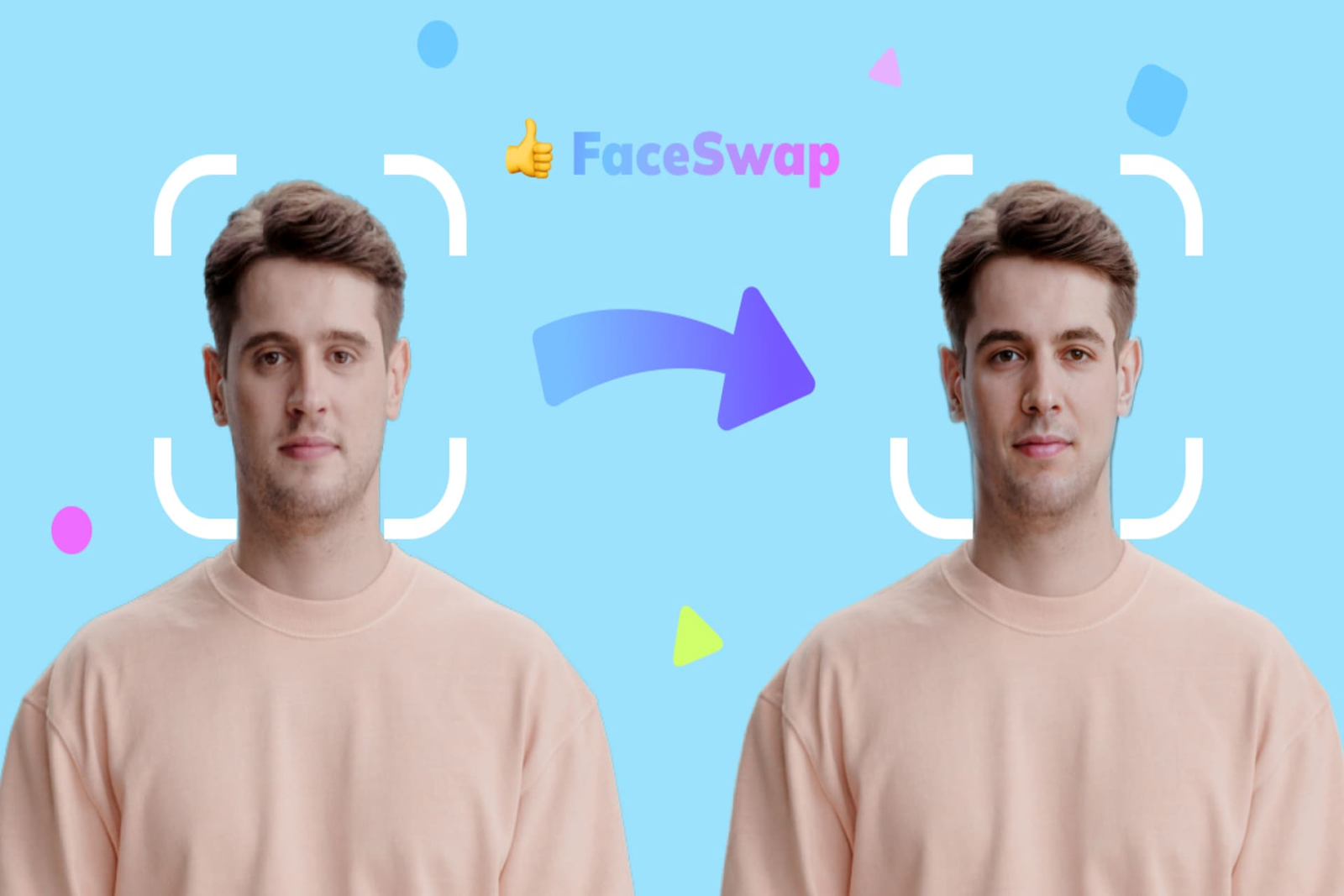
In practice, educators can use EasyFaceSwap to create short classroom videos that support a lesson rather than replace it. The strongest results come from simple scenes, clear labels, and a discussion that separates historical fact from creative interpretation. Students should always know what has been altered and why.
A tool such as Video Face Swap works best when the technology stays in the background. The history remains the subject. The visual effect simply gives learners a new entry point into a speech, diary entry, debate, or everyday moment from the past.
Why Educators Use Face Swap in History
A face swap can help students understand that history consists of human choices, not just information to memorize. For example, a class studying ancient Rome might watch a short scene in which a student appears as a senator explaining a difficult vote. The student isn’t claiming to be a real senator. Instead, the scene creates a reason to ask what political power looked like, who could participate, and which sources support the performance.
The format also supports perspective taking. A lesson on migration, industrial labor, or civil rights can include several short videos from different viewpoints. Students might compare the concerns of a factory worker, a business owner, a child, and a local official. This approach makes disagreement visible while reminding learners that no single character can represent an entire community.
There is also a practical benefit for teachers. A short visual prompt can start a discussion faster than a long reading, especially for students who struggle with dense historical language. It can introduce a primary source, model a research question, or give students a structure for creating their own evidence based presentations.
The effect is strongest when the video is brief and specific. A 30 second scene about one decision usually creates better discussion than a five minute performance covering an entire century. Students need room to question the scene, check its claims, and build a fuller understanding from reliable sources.
Three Classroom Scenarios
1. A historical figure explains a decision
A teacher might create a video showing a student speaking as an explorer, monarch, scientist, or political leader at a key moment. The script could explain why the person supported a policy, entered a conflict, or made a controversial discovery. Students then examine the language and compare it with letters, speeches, laws, or accounts written at the time.
The benefit is that students see the difference between a historical claim and an invented explanation. They can mark which statements are directly supported by evidence, which are reasonable interpretations, and which need to be removed. This turns the face swap into a source analysis activity rather than a simple novelty.
The teacher should avoid presenting the character as an exact reconstruction. A label such as “Creative interpretation based on documented sources” sets the right expectation. It also gives students a useful lesson in historical uncertainty, since many figures left incomplete or biased records.
2. A debate between people with opposing interests
Face swap videos can introduce a structured debate about an issue such as taxation, women’s voting rights, independence, land use, or public health. Two short characters can present competing arguments, with each side using language suitable for its time and social position. Students can then investigate which arguments were common, who benefited from each position, and who was excluded from the debate.
This scenario helps learners move beyond the idea that history has one obvious side. A wealthy landowner and a tenant farmer may have experienced the same law very differently. Presenting both viewpoints encourages students to ask whose voices appear in the sources and whose voices are missing.
The video should not create false balance around established facts or human rights violations. Teachers can frame the activity carefully by distinguishing between understanding a historical argument and endorsing it. Students can critique harmful beliefs without turning the lesson into a performance of stereotypes.
3. An ordinary day in a historical community
Not every useful scene needs a famous figure. A teacher might create a short video from the viewpoint of a teenager in a medieval town, a nurse during a public health crisis, a railroad worker, or a family arriving in a new country. The script can focus on ordinary details such as food, work, housing, travel, clothing, and communication.
This approach helps students understand social history. Large events become easier to grasp when learners can connect them with daily routines and personal choices. A scene about rationing, for instance, can lead to questions about supply chains, government policy, class differences, and the experiences of people who were not represented in official announcements.
The challenge is avoiding a polished story that hides hardship or difference. Teachers should explain that one imagined character cannot stand for everyone in that period. Asking students to create two versions from different social positions can reveal how much experience depends on location, wealth, gender, age, and status.
A Practical Classroom Workflow
Start with the learning objective, not the visual effect. Decide what students should be able to explain after watching the video, such as why a law was contested or how a community responded to a crisis. If the objective is vague, the face swap can become an entertaining interruption instead of useful instruction.
Next, choose a narrow historical moment and gather a small set of trustworthy sources. A textbook can provide background, but primary sources should shape the character’s words wherever possible. Teachers should also check dates, names, clothing references, political terms, and social customs so the scene doesn’t combine details from unrelated periods.
Write a short script with one clear tension. A student appearing as a newspaper editor might explain why an article was published, while a second character questions its accuracy. Keeping the script to a few spoken paragraphs makes it easier for the class to focus on meaning and gives students time to inspect the evidence afterward.
Before showing the video, tell students what they are about to see. Explain that the face has been digitally changed, identify the real source of the character’s words, and point out any invented details. This disclosure is especially important when using the likeness of a real person. Teachers should use public, classroom appropriate material and follow school policies on student images, privacy, and parental permission.
After viewing, pause the entertainment value and return to analysis. Ask students which details seemed credible, which claims require proof, and what the character could not know. Then provide the sources and ask learners to revise the script, add citations, or record a response from another perspective.
A simple planning table can help teachers match the video to the lesson:
| Lesson purpose | Video approach | Follow up activity |
|---|---|---|
| Analyze a decision | One figure explains a disputed choice | Check each claim against primary sources |
| Compare perspectives | Two characters present competing views | Identify interests, omissions, and bias |
| Explore daily life | An ordinary person describes one day | Research how experiences differed by social position |
| Evaluate evidence | Character makes several historical claims | Sort claims into supported, uncertain, and false |
Safeguards and Teaching Best Practices
Consent should come before production. If students appear in the source footage or their likeness is used, explain how the video will be used, where it will be stored, and who can view it. Give students a genuine alternative when they do not want to participate. A teacher can use an adult actor, a fictional character, or a voice only activity without reducing the historical value of the lesson.
Accuracy matters, but so does clarity about uncertainty. Use captions or an opening note to identify reconstructed dialogue, altered faces, and invented scenes. Avoid making a deceased person appear to deliver words that were never recorded, especially on sensitive topics. The more realistic the video looks, the more carefully the teacher should explain its limits.
Students also need media literacy. Ask why the face swap feels convincing, what visual details influence trust, and how the same technique could spread a false claim online. This connects history with responsible technology use. It teaches learners to inspect evidence even when a video appears polished and emotionally persuasive.
Keep the tone respectful when covering trauma, violence, racism, genocide, or exploitation. Comic effects and exaggerated performances may be suitable for a low stakes review of vocabulary, but they can make serious history feel trivial. In difficult units, a calm interview format or narrated reconstruction is usually more appropriate than an imitation designed to entertain.
Finally, assess the historical thinking, not the quality of the face swap. Students should receive credit for using evidence, recognizing perspective, explaining cause and consequence, and acknowledging uncertainty. A basic video with a strong source analysis is more valuable than a realistic production built on errors.
Conclusion
Video face swap gives educators a practical way to make historical questions feel immediate. It can introduce a decision, stage a debate, or illuminate ordinary life, but its value depends on what students do next. The best lessons use the video as a prompt for source checking, perspective taking, and careful discussion.
Used transparently, the technology can make a distant period easier to enter without pretending to recreate it perfectly. Teachers who keep the scene short, disclose the changes, protect student privacy, and return to evidence can turn a striking visual effect into meaningful historical learning.
Author

IQnewswire@gmail.com
Related Posts

Termite Control: Effective Strategies for Protecting Your Property
- 0
- 2,321 words
Termites are among the most persistent pests that can affect buildings, furniture, landscaping structures, and other wooden materials. Because they often remain...
Read out all
Building Effective Behavioral Support Strategies to Encourage Meaningful Progress and Independence
- 0
- 1,934 word
Applied Behavior Analysis (ABA) is a structured approach used to understand behavior and teach useful skills through individualized strategies and measurable interventions....
Read out all
How to Build an Effective Daily Oral-Hygiene Routine
- 0
- 1,238 word
Why a Consistent Oral-Hygiene Routine Matters Healthy teeth and gums have less to do with finding the perfect product and more to...
Read out all
Self Storage Dubai: Finding Affordable and Reliable Storage Solutions
- 0
- 1,915 word
Self storage dubai has become a practical necessity for a growing proportion of the city’s residential and business population. Dubai’s apartment-dominated housing...
Read out all
Is a VLSI Design Course Worth It for Fresh Graduates and Working Professionals?
- 0
- 890 words
Introduction The field of semiconductors is integral to the technological advancement witnessed in the world today. This is because there are numerous...
Read out all
Trupeek.com: A Complete Guide to Its Features, Purpose, and Online Experience
- 0
- 2,560 words
Introduction to Trupeek.com The internet is full of websites designed to make everyday tasks easier, provide useful information, and help people discover...
Read out all