
- 0
- 1,258 word
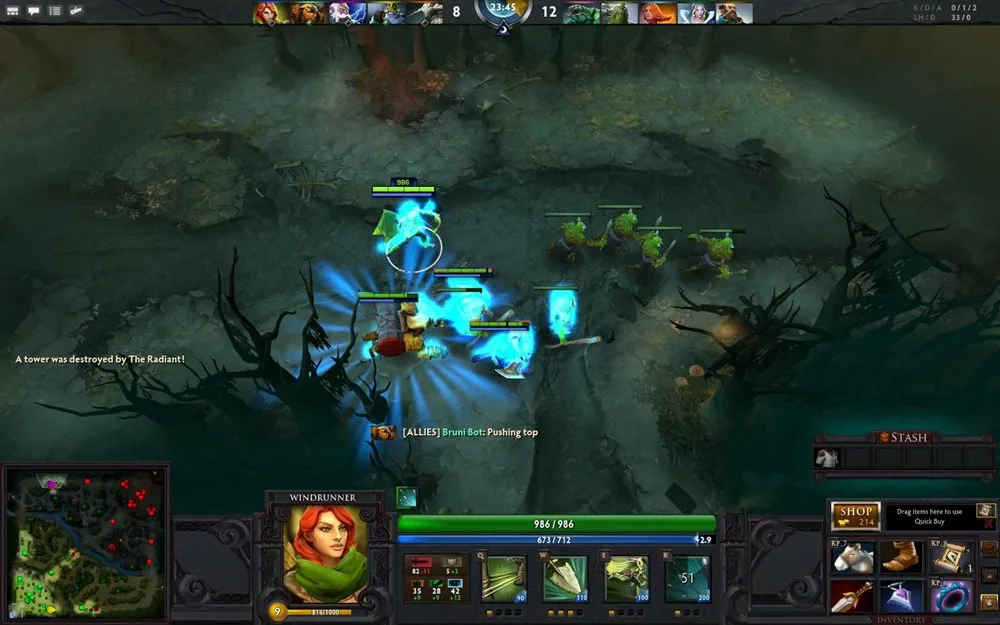
Online gaming has grown into a global entertainment industry where players enjoy competitive matches, social interaction, and personalized gaming experiences. Beyond gameplay, digital customization has become an important part of how players express their interests. Dota 2, one of the most recognized multiplayer online battle arena games, offers a wide range of cosmetic items that allow players to customize heroes and develop unique collections.
Understanding how the Dota 2 inventory works, how skin trading operates, and why digital goods attract collectors can help players make informed decisions. From collecting distinctive cosmetics to organizing personal inventories, there are many ways to explore the digital side of Dota 2.
What Is a Dota 2 Inventory?
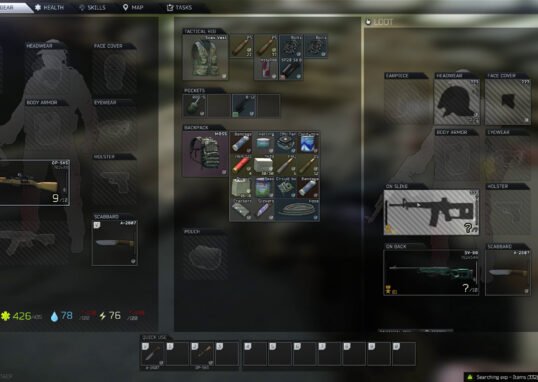
A Dota 2 inventory is the collection of in-game items associated with a player’s account. It can contain cosmetic equipment, hero accessories, weapon designs, announcer packs, loading screens, and other eligible digital content.
These items provide different ways to personalize the gaming experience. For example, a player who frequently uses a particular hero might collect several cosmetic sets to create different appearances. Another player may prefer gathering items from various heroes to build a diverse collection.
Inventory management becomes more useful as the number of items increases. Keeping track of available cosmetics helps players identify their favorite pieces, recognize duplicates, and understand which items may be eligible for trading.
Players should also remember that inventory ownership and trading eligibility are not always the same. Some items may be restricted from trading or transferring, depending on their specific conditions. Checking these details before attempting an exchange can prevent confusion.
Exploring Virtual Items in Dota 2
Virtual items are digital assets that exist within a game or its associated ecosystem. In Dota 2, cosmetic items allow players to change the appearance of their heroes without necessarily altering their underlying gameplay abilities.
These cosmetics can include weapons, armor, clothing, accessories, visual effects, and complete character sets. Some feature simple designs, while others offer elaborate themes that make heroes look dramatically different.
Players acquire items through different methods, which may include eligible in-game rewards, official purchases, events, or supported exchanges. The availability of individual cosmetics depends on the item and the relevant game policies.
Virtual items can have different meanings for different players. Some value them because they improve visual customization, while others appreciate their connection to a particular event or period in the game’s history.
Although certain digital items may have market value, prices and demand can change. Players should consider their personal enjoyment rather than assuming that every collectible will increase in value over time.
Understanding Skin Trading
Skin trading allows players to exchange eligible cosmetic items with other users. For collectors, this can be a practical way to obtain desired designs without purchasing every item separately.
For example, a player might have a cosmetic item they rarely use but want another item that better matches a favorite hero. A suitable exchange can help both players improve their collections, provided the items are eligible and the transaction follows the applicable rules.
Before completing a trade, players should consider several important points:
- Item eligibility: Confirm that each item can be traded.
- Exchange details: Verify the exact cosmetics included in the transaction.
- Current demand: Research available listings when comparing market-based exchanges.
- Account security: Use secure trading procedures and protect account credentials.
- Trading restrictions: Review any applicable waiting periods or transfer limitations.
Trading should be approached carefully, especially when external marketplaces are involved. Players should research third-party services, understand their policies, and avoid sharing passwords or authentication codes.
A careful approach helps reduce avoidable mistakes while making the collecting process more manageable.
The Growing Appeal of Gaming Collectibles
Gaming collectibles have become an important part of many online gaming communities. Players often collect items because of their visual appeal, historical significance, rarity, or connection to memorable experiences.
Dota 2 cosmetics offer numerous collecting opportunities. Some players focus on specific heroes, while others prefer complete sets or unusual cosmetic combinations. Certain collectors are interested in items associated with earlier releases, whereas others follow new cosmetic content as it becomes available.
Collecting also encourages interaction between players. Gaming communities share screenshots, discuss item designs, compare collections, and exchange information about cosmetic availability.
However, a collectible’s popularity does not automatically make it financially valuable. Its desirability may depend on availability, community interest, condition-related restrictions, and the current market environment.
Players can enjoy the hobby without focusing on resale. Choosing items that match personal interests often provides a more satisfying experience than trying to predict future prices.
Organizing Your Dota 2 Inventory Effectively
An organized inventory makes it easier to understand which cosmetics you own and which items you may want to obtain.
As collections grow, players can benefit from creating a simple system for tracking their items. This can be especially helpful for people who regularly exchange cosmetics or collect items for multiple heroes.
Consider the following inventory management practices:
Group items by hero: Organizing cosmetics around specific characters makes it easier to find matching sets.
Maintain a wish list: Record the items you want to acquire so you can compare available options before making a purchase.
Identify duplicates: Review repeated items and determine whether they have any use in your collection or are eligible for trading.
Check item restrictions: Keep track of which items can be exchanged and which have limitations.
Set a budget: Establish spending limits and review purchases regularly to avoid unnecessary expenses.
These simple habits can make inventory management more efficient and help players build collections with a clear purpose.
Digital Goods and the Online Gaming Economy
Digital goods have created new ways for players to customize games and participate in online communities. Unlike physical collectibles, virtual items exist within digital systems and may be subject to platform-specific rules.
Their usefulness and availability depend on the services that support them. An item may be accessible within a game but subject to restrictions on transfers, external sales, or other activities.
This makes it important to understand the difference between having access to an item and having permission to trade it. Players should review official game policies and applicable marketplace terms before attempting transactions.
Digital goods can also carry sentimental value. A cosmetic may remind someone of a favorite tournament, a memorable match, or years spent playing with friends. Such connections demonstrate why collecting can remain meaningful even when an item has limited financial value.
Staying Safe When Exploring Digital Marketplaces
Security should remain a priority when buying, selling, or exchanging gaming items. Unfamiliar websites may imitate legitimate services, and misleading offers can encourage players to make rushed decisions.
Before using a marketplace, investigate its reputation and review its transaction procedures. Confirm item details, payment conditions, and any applicable restrictions.
Never share your password or verification codes with another player. Be cautious of unsolicited messages, suspicious links, and offers that promise unrealistic returns. When possible, use official trading features and established security protections.
Taking time to verify a transaction is a simple but effective way to protect your account and collection.
Conclusion
Dota 2 offers an engaging environment for players interested in cosmetic customization, inventory management, and digital collecting. Understanding the Dota 2 inventory, exploring virtual items, and learning about skin trading can help players make better decisions about their collections.
At the same time, gaming collectibles should be approached with realistic expectations. Item availability, trading eligibility, and market demand can vary, making research and security essential.
Whether you want to organize your favorite hero cosmetics, discover new digital items, or explore supported trading options, a thoughtful approach can make collecting a rewarding part of your online gaming experience.
Author

munjalblogfirm@gmail.com
Related Posts
Why Online Gaming Platforms Are Changing the Way Players Manage Virtual Goods
- 0
- 1,307 word
The online gaming industry has changed dramatically as games have become more interactive, connected, and customizable. Players no longer focus exclusively on...
Read out all
Using Your TV as a PC Display: A Practical HDMI Setup Guide
- 0
- 1,476 word
There are plenty of reasons to connect a computer to a television. Maybe you want a larger screen for a presentation, need...
Read out all
Hypackle: Exploring the Meaning, Uses, and Growing Curiosity Around the Term
- 0
- 1,289 word
Introduction to Hypackle What exactly is hypackle? If you have recently encountered this unusual word online, you may have wondered whether it...
Read out all