
- 0
- 2,141 words
A swimming pool can provide a valuable space for relaxation, exercise, recreation, and social activities, but keeping it ready for regular use requires consistent attention. Water quality, circulation, filtration, surfaces, equipment, and surrounding areas all contribute to the overall condition of a pool, and neglecting one area can eventually affect the others. Routine care is therefore much more effective when it follows a structured approach rather than relying only on occasional cleaning or reacting to visible problems. Regular inspections can identify developing concerns before they become disruptive, while consistent cleaning and water treatment can help maintain a more stable swimming environment. Property owners can also benefit from keeping track of equipment performance, chemical readings, repairs, and seasonal services. By treating the pool as a complete system and establishing a dependable maintenance routine, it becomes easier to preserve its appearance, performance, and usability throughout the swimming season.
Why Consistent Pool Care Matters
A pool is exposed to a variety of factors every day, including sunlight, weather, airborne debris, leaves, dust, insects, and swimmer activity. These influences can gradually change water conditions and place additional demands on filtration and circulation equipment. Without regular attention, debris can accumulate, water chemistry can become unbalanced, and equipment may begin operating less efficiently. Small issues can also remain unnoticed until they develop into more significant repairs. Consistent pool care helps property owners stay ahead of these conditions by creating regular opportunities for inspection and correction. Instead of waiting until water becomes visibly cloudy or equipment stops working, a proactive approach focuses on preventing problems wherever practical. This can make maintenance more predictable and can help preserve the condition of the pool and its supporting systems over the long term.
Maintaining Proper Water Chemistry
Water chemistry is one of the most important aspects of keeping a swimming pool in suitable condition. The water should be tested regularly so that changes in chemical balance can be identified before they create larger concerns. Factors such as weather, rainfall, temperature, swimmer activity, and chemical usage can all influence water conditions. Maintaining appropriate levels helps support cleaner water while also reducing the possibility of damage to pool surfaces and equipment caused by unsuitable chemical conditions. Chemical management should be based on actual testing rather than assumptions because water conditions can change even when the pool appears visually clean. Regular testing also provides useful information about whether the existing treatment routine is working effectively. A professional can help establish a practical chemical management process based on the pool’s size, usage, equipment, and environmental conditions, making water care a more organized part of the overall maintenance routine.
Keeping the Pool Surface Clean
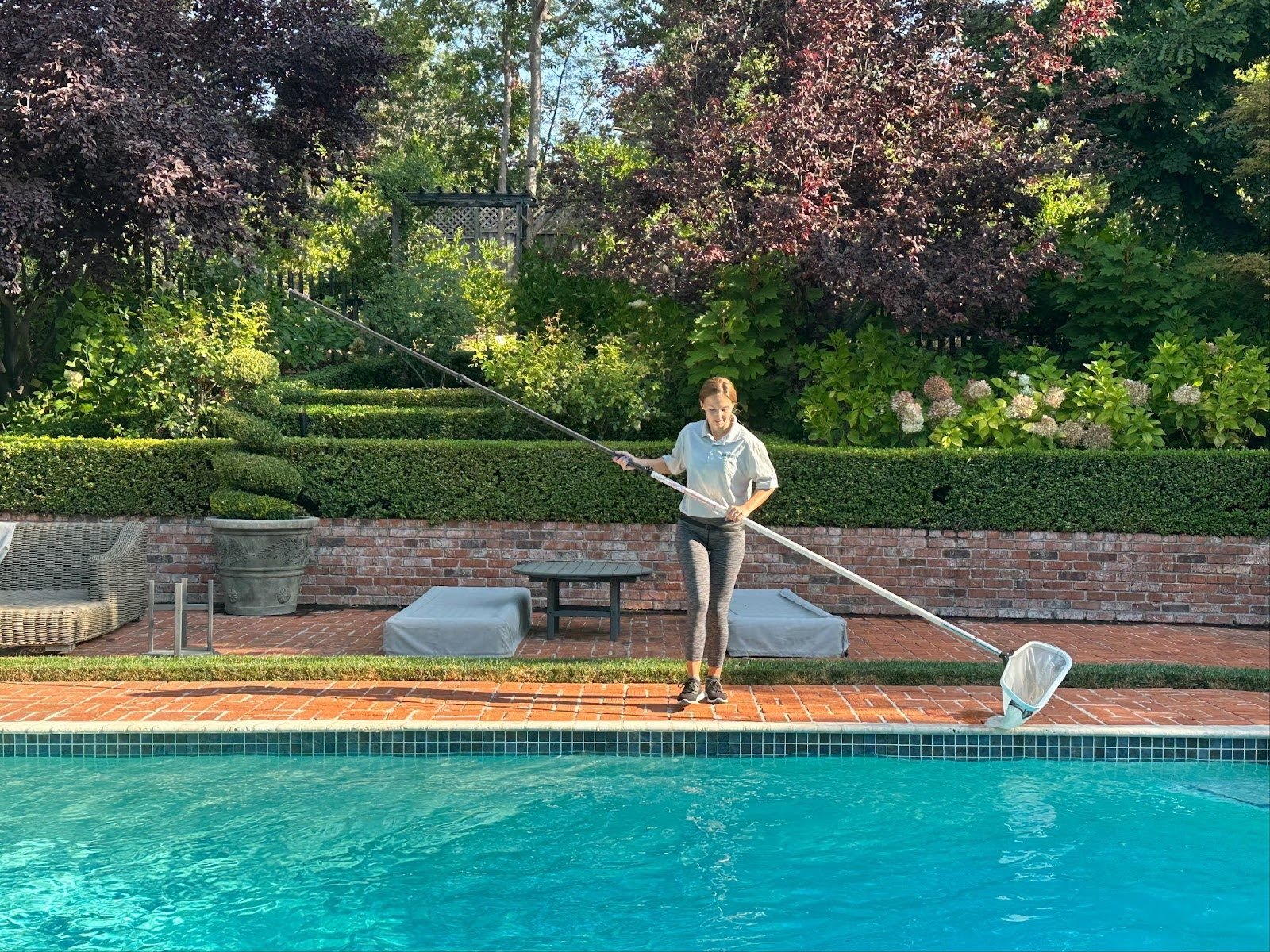
Cleaning the pool itself involves more than removing visible debris from the water. Walls, floors, steps, corners, tile lines, and other surfaces can collect dirt, organic material, and residue over time. Brushing these areas regularly can help loosen buildup and make it easier for the filtration system or vacuuming process to remove unwanted material. Skimming the water can reduce floating debris before it sinks, while vacuuming can help remove particles that settle on the bottom. Cleaning frequency may vary depending on how often the pool is used and the surrounding environment. Pools exposed to trees, landscaping, wind, or heavy activity may require more frequent attention than those in cleaner environments. Keeping surfaces clean also makes it easier to observe changes such as discoloration, cracks, loose tiles, or unusual deposits that may require further inspection.
Caring for Filters and Circulation Equipment
The circulation system plays a central role in maintaining water quality because it moves water through the filtration and treatment process. Pumps, filters, skimmer baskets, valves, and related components should be checked regularly to ensure that they are functioning as expected. A clogged filter or blocked basket can reduce water flow and place unnecessary strain on the system. Unusual sounds, changes in pressure, reduced circulation, leaks, or other changes in performance should not be ignored because they can indicate a developing equipment issue. Routine filter cleaning or servicing should be performed according to the equipment type and operating requirements. Keeping circulation components in good condition can support more consistent filtration and help distribute treated water throughout the pool. Regular equipment checks are also useful because they allow problems to be identified while they are still manageable rather than after a complete equipment failure occurs.
Monitoring Water Levels
Water level is another detail that should be monitored as part of routine pool care. Normal use, evaporation, weather, splashing, and other conditions can cause water levels to change. A water level that becomes unusually low may affect skimmer performance and circulation, while excessive water from heavy rainfall can alter chemical concentrations and affect the pool’s operating condition. Monitoring the water level regularly allows property owners to make appropriate adjustments when needed. Sudden or unexplained water loss may also deserve further investigation because it could indicate a leak rather than normal evaporation. Keeping an eye on water levels therefore supports both everyday operation and early identification of potential plumbing or structural concerns. Combined with regular equipment and surface inspections, water-level monitoring can help provide a more complete picture of the pool’s overall condition.
Inspecting Pool Equipment Regularly
A swimming pool depends on multiple mechanical and operational components, and each part can affect the performance of the entire system. Pumps, filters, heaters, chlorination systems, automation controls, valves, drains, skimmers, and other equipment should receive regular attention. Even when equipment appears to be operating normally, routine inspections can reveal signs of wear, corrosion, loose connections, or reduced efficiency. Preventive inspections are especially valuable because equipment problems can sometimes develop gradually before they become obvious. A technician can assess performance and identify whether a component needs cleaning, adjustment, repair, or replacement. Maintaining equipment properly can also help prevent unnecessary strain on connected systems. Rather than treating equipment care as an emergency response, property owners can include inspections in their normal maintenance schedule to support more reliable operation throughout the season.
Managing Debris Around the Pool
The condition of the surrounding pool area can directly affect the cleanliness of the water. Leaves, grass, dirt, insects, and other debris from nearby landscaping can easily enter the pool, increasing the amount of material that must be removed through skimming and filtration. Keeping surrounding areas reasonably clean can reduce this burden and help maintain better water conditions. Landscaping should also be considered because overhanging branches, loose soil, and poorly positioned plants can contribute to recurring debris. Pool furniture, toys, cleaning tools, and other accessories should be kept organized so they do not interfere with safe movement around the pool. A clean surrounding area supports the overall appearance of the property while also reducing unnecessary contamination inside the water. This is a simple part of pool care that can make routine cleaning more manageable.
Addressing Repairs Before They Become Larger Problems
Routine maintenance provides an opportunity to identify small problems before they become major repairs. A minor leak, unusual pump noise, damaged fitting, loose tile, cracked surface, or malfunctioning control may initially appear manageable, but continuing to operate the pool without addressing the underlying issue can sometimes increase the extent of the problem. Regular inspections help property owners recognize these warning signs early. When a concern is identified, it can be evaluated to determine whether immediate repair is necessary or whether the work can be planned as part of a larger maintenance project. Prompt attention can also reduce interruptions during periods when the pool is being used frequently. A proactive repair strategy does not mean replacing components unnecessarily; instead, it means understanding the condition of the system and responding appropriately when genuine problems appear.
Creating a Seasonal Maintenance Schedule
Swimming pools often require different types of attention throughout the year. The active swimming season may involve frequent cleaning, water testing, equipment monitoring, and debris removal, while the off-season may focus more heavily on preparation, protection, inspections, and closing procedures. Creating a seasonal schedule helps ensure that important tasks are not forgotten. Property owners can keep records of opening and closing dates, equipment servicing, filter cleaning, repairs, water treatment, and other significant activities. These records can be useful when planning future maintenance because they provide information about recurring issues and equipment history. A seasonal schedule also makes it easier to coordinate professional services when specialized work is required. Rather than treating pool care as a collection of unrelated tasks, a written schedule can turn it into a consistent process that supports the condition of the entire swimming system.
Residential Pool Maintenance Considerations
Residential pools may experience significant changes in use throughout the swimming season. A pool that receives frequent family activity can experience increased debris, swimmer-related contaminants, and equipment demand. Vacation periods, gatherings, weather events, and changes in daily use can also influence maintenance requirements. A consistent pool maintenance plan helps homeowners manage these changing conditions by combining routine cleaning, water testing, equipment inspections, and preventive care. Professional assistance can be especially useful for homeowners who do not have the time or technical knowledge to monitor every part of the system themselves. Regular service can also help identify developing concerns and provide recommendations for repairs or improvements. By establishing a predictable maintenance routine, homeowners can spend more time enjoying their pool and less time responding to unexpected cleaning or equipment problems.
Commercial Pool Care Requirements
Commercial pools can require an even more organized approach because they may experience higher usage and more demanding operating schedules. Hotels, recreational facilities, fitness centers, community properties, and other commercial environments need consistent attention to water quality, cleaning, equipment operation, and safety-related conditions. A maintenance plan for a commercial pool should account for usage patterns, facility requirements, equipment capacity, and seasonal changes. Regular professional inspections can help identify concerns before they interfere with normal operations. Commercial property managers can also benefit from maintaining detailed records of cleaning, chemical testing, repairs, equipment servicing, and seasonal preparation. This documentation can make it easier to monitor the performance of the pool over time and determine when specific components may require additional attention. A structured approach helps commercial facilities maintain a more dependable swimming environment while supporting efficient day-to-day operations.
Professional Support for Ongoing Pool Care
Managing every part of a swimming pool can become time-consuming, especially when the property includes complex equipment or the pool receives frequent use. Professional pool service providers can assist with recurring cleaning, water treatment, equipment care, inspections, repairs, renovations, and seasonal services. Professional technicians bring experience that can help them identify conditions that may be difficult for property owners to recognize. They can also organize routine tasks according to the pool’s specific requirements rather than applying the same schedule to every property. Triad Pool Management offers services designed to support both residential and commercial swimming pools, including cleaning, maintenance, repairs, renovations, seasonal opening and closing, and equipment-related care. Professional involvement can provide property owners with a more consistent approach to routine responsibilities while helping them respond to changing conditions throughout the year.
Preparing for Long-Term Pool Performance
Long-term pool care should focus on more than keeping the water clean from week to week. Property owners should also consider the condition and age of equipment, the quality of previous repairs, surface wear, plumbing performance, and the changing needs of the property. Keeping accurate records can help identify patterns and support better maintenance decisions. For example, recurring equipment issues may indicate that a component requires more extensive service, while repeated surface problems may suggest that renovation should eventually be considered. Long-term planning also provides an opportunity to budget for larger repairs instead of being surprised by them. A pool that receives consistent attention is easier to evaluate because its condition is documented over time. This makes it possible to distinguish normal wear from unusual changes and to plan improvements based on actual needs.
Conclusion
A dependable swimming pool requires consistent care across several interconnected areas. Water chemistry, surface cleaning, debris removal, filtration, circulation, equipment inspection, water levels, repairs, and seasonal preparation all contribute to the condition of the pool. When these responsibilities are handled regularly, property owners have a better opportunity to identify developing concerns early and maintain a cleaner, more reliable swimming environment. Preventive care can also help reduce unnecessary strain on equipment and make larger maintenance decisions easier to plan.
Professional pool maintenance can provide valuable support for homeowners and commercial property managers who want a structured approach to ongoing pool care. Regular service can combine cleaning, water management, inspections, equipment care, repairs, and seasonal tasks into a coordinated routine. Rather than waiting for visible problems or equipment failures, property owners can use preventive maintenance to support the long-term condition of their swimming pool. A consistent approach not only helps preserve the appearance and functionality of the pool but also provides greater confidence that important maintenance responsibilities are being addressed throughout the year.
Author

Spero.outreach.team@gmail.com
Related Posts

Building a More Flexible Material Handling Strategy With Reliable Equipment Access
- 0
- 2,306 words
Material handling plays an important role in warehouses, distribution centers, manufacturing facilities, construction operations, logistics environments, and many other workplaces where products...
Read out all
Creating Year-Round Comfort Through Smarter HVAC System Care
- 0
- 2,482 words
A comfortable indoor environment depends on a reliable system that can respond to changing temperature demands throughout the year. Buildings experience different...
Read out all
Protecting Drainage Performance Through Smarter Sewer System Care
- 0
- 2,209 words
A property’s plumbing system performs many essential functions every day, but some of its most important components remain hidden beneath floors, foundations,...
Read out all
Packing Light Without Leaving Behind the Things That Matter
- 0
- 953 words
Most packing disasters do not happen because a traveller forgot an umbrella. They happen because panic took over forty-eight hours before departure,...
Read out all
Extroly.com: A Complete Guide to Its Features, Benefits, and Online Potential
- 0
- 2,363 words
Introduction to Extroly.com The internet continues to introduce new websites and digital platforms that aim to make online activities easier, faster, and...
Read out all
How to Plan the Right Fence for a Hanahan, South Carolina Property
- 0
- 980 words
A well-designed fence can change the way a property looks, functions, and feels. In Hanahan, South Carolina, homeowners may want more privacy...
Read out all