
- 0
- 1,264 word
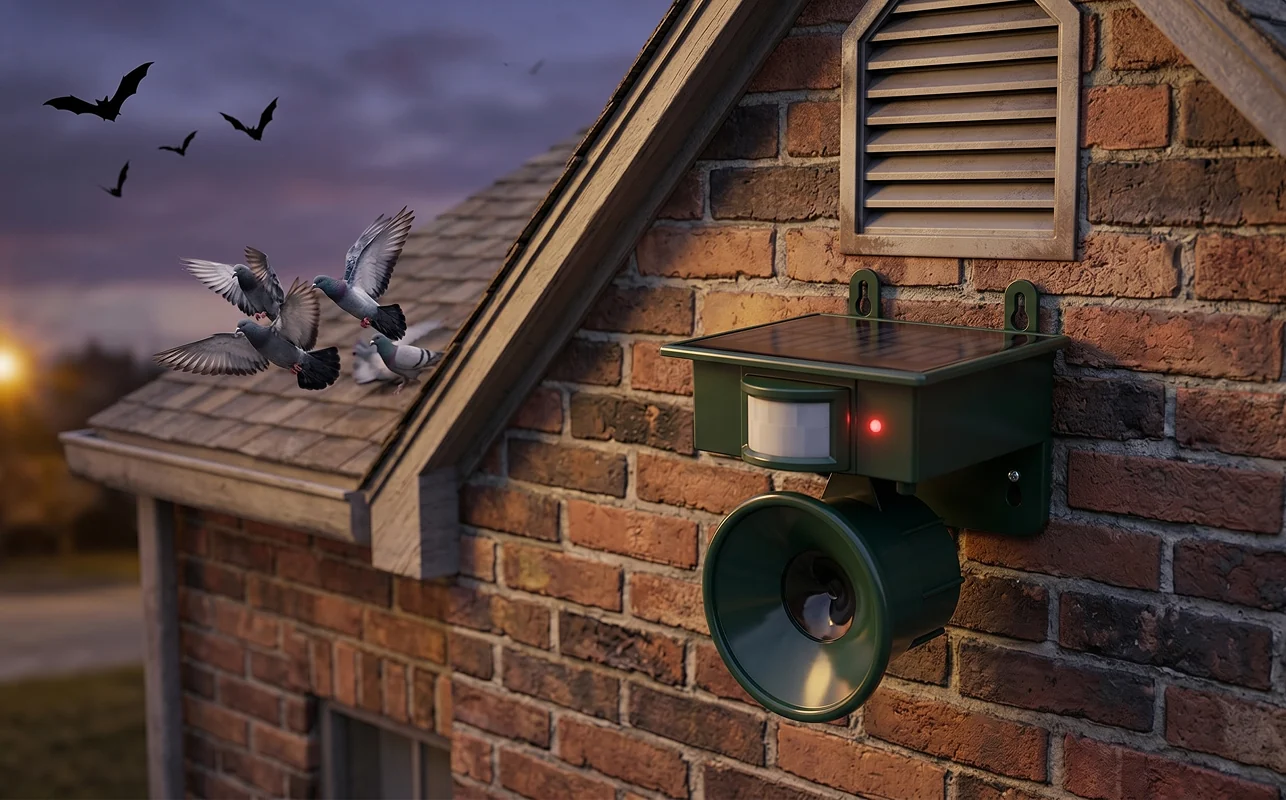
Bird control methods in Dubai include bird netting, anti-roosting spikes, repellent gels, electric shock tracks, and bird slopes, installed after an inspection of the building. Pigeons, mynas, and sparrows enter Dubai buildings for food, shelter, and nesting space. Professional bird proofing blocks these access points, protects health, and prevents damage to facades, AC units, and rooftops.
Why Do Birds Enter Buildings in Dubai?
Birds enter Dubai buildings because the city gives them food, water, shelter, and safe nesting spots all year. Understanding these causes helps you choose the right bird control method. Each cause below links to a specific fix.
1. Easy Food Sources
Dubai has thousands of restaurants, cafeterias, labor camps, and open waste areas. Pigeons and mynas feed on food scraps, spilled grain, and overflowing bins. People who feed birds on balconies and terraces make the problem worse. A single feeding spot draws flocks back every day.
2. Warm Shelter from Extreme Heat
Summer temperatures in Dubai pass 45°C. Birds look for shade, and buildings give plenty of it. Ledges, parapet walls, AC platforms, and shaded balconies protect them from the sun. In winter, the same warm spots shield them from cool nights.
3. Safe Nesting Spots
Pigeons nest on flat, sheltered surfaces. A pair can raise up to six broods per year. Sparrows and mynas nest in roof gaps, signage, and cavities in facades. Once birds nest in a spot, they return every season.
4. Water Access
Swimming pools, irrigation systems, AC condensate drains, and decorative fountains supply water in a dry climate. Water-rich areas attract birds from nearby districts.
5. Building Design
Modern towers have many ledges, cladding gaps, and rooftop equipment areas. These features copy natural cliff habitats. Pigeons descend from cliff-dwelling rock doves, so high-rise ledges feel natural to them.
6. Lack of Deterrents
Unprotected buildings signal safety to birds. Without netting, spikes, or gels, birds settle in fast. The longer a colony stays, the harder removal becomes.
What Problems Do Birds Cause in Buildings?
Birds cause health risks, structural damage, and financial loss. Bird droppings carry fungi and bacteria, including Histoplasma capsulatum, Cryptococcus neoformans, and Salmonella. Dried droppings release spores that people inhale. Acidic droppings corrode metal, stain stone, and damage paint.
Nests block drains, gutters, and AC vents. Feathers and debris clog ventilation systems. Fallen droppings create slip hazards at entrances. Bird mites and fleas also spread from nests into occupied rooms.
What Are the Most Effective Bird Control Methods in Dubai?
The most effective bird control methods in Dubai are physical barriers like netting and spikes, supported by gels and slopes. Physical exclusion works best because it blocks access completely. Scare tactics work only for short periods.
Bird Netting
Bird netting is the most reliable method for balconies, courtyards, shafts, and large open areas. Installers fix polyethylene or stainless steel mesh with cables and anchors. A 50 mm mesh stops pigeons. A 19 mm mesh stops sparrows and smaller birds. Quality netting lasts 10 years or more when installed correctly.
Anti-Roosting Spikes
Bird spikes stop birds from landing on ledges, signboards, beams, and parapet walls. Stainless steel spikes withstand Dubai’s heat and UV exposure. Polycarbonate spikes suit lighter applications. Spikes do not injure birds. They simply remove the landing surface.
Bird Repellent Gel
Repellent gel creates a sticky, uncomfortable surface that birds avoid. Technicians apply it on narrow ledges, pipes, and decorative features where spikes look unattractive. Gel typically needs reapplication every 6 to 12 months. Heat and dust shorten its life, so schedule regular checks.
Electric Shock Tracks
Low-voltage shock tracks run along ledges and rooftops. They deliver a mild, harmless jolt that trains birds to leave. This method suits commercial buildings, hotels, and heritage structures where appearance matters.
Bird Slopes and Ledge Covers
Bird slopes are angled panels, set at about 45 degrees, that fit over flat ledges. Birds slide off and cannot nest. Slopes give a clean look and need almost no maintenance.
Bird Spiders and Visual Deterrents
Bird spiders are rotating stainless steel arms that move in the wind. They protect rooftops and solar panels from larger birds. Reflective tape and decoy predators add a short-term effect. Birds adapt within weeks, so combine these tools with physical barriers.
Solar Panel Bird Proofing
Pigeons nest under solar panels, where they get shade and shelter. Installers fit galvanized mesh around the panel edges. This protects wiring from chewing and keeps droppings off the panels, which protects energy output.
Professional Bird Removal and Cleaning
Trained technicians remove nests, clean droppings, and disinfect the area before installing any barrier. Cleaning removes scent trails that draw birds back. Always clean before you proof.
For a complete inspection and installation plan, see our bird control in Dubai service page.
How to Control Birds on Your Building?
Follow these steps to apply bird control methods in Dubai correctly.
- Inspect the property: Check ledges, roofs, balconies, AC units, and signage. Note droppings, nests, and feathers.
- Identify the species: Pigeons, mynas, and sparrows need different mesh sizes and deterrents.
- Remove food and water sources: Cover bins, fix leaks, and stop feeding birds.
- Clean and disinfect: Remove nests and droppings while wearing gloves, goggles, and an N95 respirator.
- Choose the right method: Use netting for open areas, spikes for ledges, gel for narrow surfaces, and slopes for flat edges.
- Install the barriers: Fix every gap larger than 25 mm. Birds exploit small openings.
- Inspect regularly: Check the system every 3 months and repair damage quickly.
Bird Control Checklist for Dubai Buildings
Use this checklist to review your property:
- Seal all gaps in facades, roofs, and shafts.
- Net balconies, courtyards, and service ducts.
- Install spikes or slopes on ledges and parapets.
- Fit mesh around solar panels and AC platforms.
- Cover waste bins and clean outdoor eating areas daily.
- Repair leaking pipes and drains.
- Ban feeding of birds on the premises.
- Book a professional inspection every 3 to 6 months.
Tips for Long-Lasting Bird Control in Dubai
- Combine two or more methods for better results. Netting plus spikes covers most buildings.
- Choose UV-stabilized and corrosion-resistant materials for Dubai’s heat and humidity.
- Act early. A new colony is easier to remove than an established one.
- Check building rules and community guidelines before installing barriers on facades.
- Hire licensed professionals who use humane methods.
Residential buildings, hotels, warehouses, and malls all benefit from a full pest control service in Dubai plan that covers birds and other pests together.
Frequently Asked Questions
What is the best bird control method for apartment balconies in Dubai?
Bird netting is the best method for balconies. It blocks access fully, stays almost invisible, and lasts for years.
How much does bird control cost in Dubai?
Cost depends on the area, height, and method. Netting is priced per square meter, spikes per meter, and gel per application. A site inspection gives an exact quote.
Is bird control humane?
Yes. Netting, spikes, slopes, and gels deter birds without harming them. Professionals relocate nests and follow humane practices.
How long does bird proofing last?
Netting lasts 10 years or more. Stainless steel spikes last 10 years or more. Gel lasts 6 to 12 months.
Are pigeons dangerous to health?
Yes. Pigeon droppings spread histoplasmosis, cryptococcosis, and salmonellosis. Children, older adults, and people with weak immune systems face the highest risk.
Conclusion
Birds enter Dubai buildings for food, shade, water, and nesting space. Physical barriers solve this problem best. Bird netting, spikes, gels, and slopes remove access, and regular inspections keep the protection working. Compare each of these bird control methods in Dubai against your building type, then act before a small flock becomes a large colony. Allied Pest Control provides inspection, cleaning, and installation for homes and commercial properties across Dubai.
Author

khizarnisar367@gmail.com
Related Posts
Termite Control: Effective Strategies for Protecting Your Property
- 0
- 2,321 words
Termites are among the most persistent pests that can affect buildings, furniture, landscaping structures, and other wooden materials. Because they often remain...
Read out all
Building Effective Behavioral Support Strategies to Encourage Meaningful Progress and Independence
- 0
- 1,934 word
Applied Behavior Analysis (ABA) is a structured approach used to understand behavior and teach useful skills through individualized strategies and measurable interventions....
Read out all
How to Build an Effective Daily Oral-Hygiene Routine
- 0
- 1,238 word
Why a Consistent Oral-Hygiene Routine Matters Healthy teeth and gums have less to do with finding the perfect product and more to...
Read out all
Self Storage Dubai: Finding Affordable and Reliable Storage Solutions
- 0
- 1,915 word
Self storage dubai has become a practical necessity for a growing proportion of the city’s residential and business population. Dubai’s apartment-dominated housing...
Read out all
Is a VLSI Design Course Worth It for Fresh Graduates and Working Professionals?
- 0
- 890 words
Introduction The field of semiconductors is integral to the technological advancement witnessed in the world today. This is because there are numerous...
Read out all
Trupeek.com: A Complete Guide to Its Features, Purpose, and Online Experience
- 0
- 2,560 words
Introduction to Trupeek.com The internet is full of websites designed to make everyday tasks easier, provide useful information, and help people discover...
Read out all