
- 0
- 1,254 word
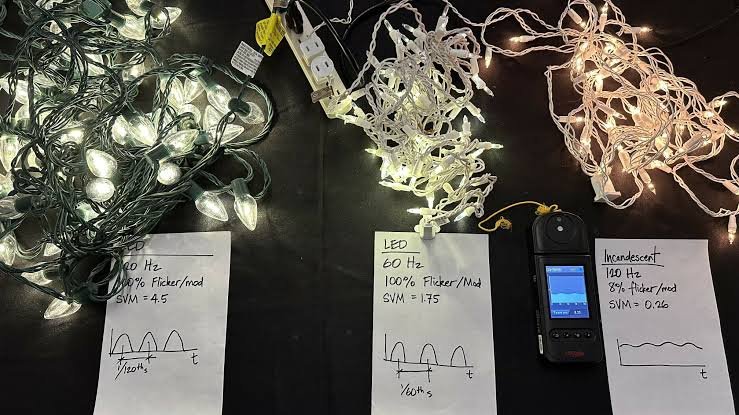
Upgrading to LED bulbs should cut energy use and run cooler, yet many homeowners find their new lights flicker, buzz, or won’t dim smoothly. The culprit is often a mismatch between the LED driver in the bulb or fixture and the wall dimmer that was designed for older incandescent loads. Other times, loose neutrals, shared circuits, or voltage dips from appliances are to blame. Before replacing parts at random, recognize the symptom pattern, test a few low-risk variables, and match bulbs, dimmers, and wiring methodically.
- What Flicker and Buzz Tell You
Symptoms reveal useful clues. Rapid, strobe-like flicker at lower brightness usually points to an incompatible dimming method, such as a legacy triac dimmer trying to chop power to a small 6-watt LED. Slow pulsing right after you flip the switch can indicate the LED driver is repeatedly rebooting as the oltage falls below its minimum threshold. An audible buzz at the switch suggests the dimmer is struggling with the load type; a buzz at the fixture can mean the driver or low-voltage transformer is vibrating as the waveform is chopped.
If you would rather have a licensed pro verify your setup or replace the device safely, search for a fan or electrician in Haverford, PA, for code-aware help in your area. Even for simple swaps, it is smart to have a professional confirm neutral availability in the switch box, identify multiwire branch circuits (MWBCs) that need special handling, and verify that dimmer wattage ratings match the actual LED load.
- Compatibility Gaps Between LEDs and Dimmers
Many older dimmers are leading edge (triac) types designed for incandescent filaments. LEDs often prefer trailing-edge dimmers that cut the opposite side of the waveform and provide a signal to electronic drivers. A 600 watt inca600-watt dimmer may have a much lower effective capacity with LEDs; a single 10-watt bulb 10-wattll be “too light” to keep some triac dimmers stable. Another common mistake; non-dimmable lights will often flicker or shut off in steps rather than dim smoothly.
Fixture technology matters. Some recessed lights use magnetic low-voltage (MLV) transformers and need MLV-compatible drivers that work best with dimmers. Commercial style fixtures may rely on 0 to 10V controls, which use a separate low voltage signal pair; trying to dim those with a standard wall dimmer will not work. Always check the bulb or fixture’s approved dimmer list and match it with a device that supports LED loads and, ideally, uses a neutral wire for better low level stability.
- Wiring Issues That Mimic Dimmer Problems
Loose connections cause erratic behavior that looks like dimmer trouble. Backstabbed switch or receptacle terminations can loosen over time; moving the conductors to the screw terminals and tightening properly often stops intermittent flicker. Loose wirenuts in ceiling boxes can create micro arcs that introduce noise into LED drivers. If you open a box to inspect, shut off the correct breaker, verify de energization with a non contact tester, and keep neutrals and grounds properly separated where required.
Older switch loops frequently lack a neutral in the switch box. Many modern LED-rated dimmers work best, or only, when a neutral is present. Without it, a “no-neutral dino-neutral leak” can occur, a tiny current through the lamp that powers its electronics and can cause the bulb to glow or shimmer at low levels. If the circuit is a MWBC that shares a neutral between two hot legs, a two pole breaker or handle tie and correct pigtailing are necessary to prevent nuisance trips and uneven voltage that LEDs do not tolerate.
- Circuit Load and Interference You Might Overlook
LEDs are sensitive to voltage dips and electrical noise. When a refrigerator compressor or microwave on the same 15 amp general lighting circuit kicks on, the inrush current can cause a brief sag that shows up as a visible blink. Long runs of undersized cable add to voltage drop; so does daisy chaining too many fixtures on a lightly built transformer. If a doorbell transformer or under-cabinet supply shares a box, its magnetic field or switching noise can couple into nearby conductors and worsen controls. Some Wi Fi or Zigbee dimmers inject a small amount of carrier noise, and not all LED drivers filter it equally. Mixing bulb brands on the same circuit can produce uneven dimming curves, where one lamp “pops on” at 30 percent while another glows faintly at 5 percent. Keep like with like on the same dimmer: identical model bulbs, the same production run if possible, and a dimmer explicitly rated for LED loads and the control type your fixtures demand.
Fixes That Work: Matching Gear and Safer Wiring Choices
Start with the simplest swap. Replace non dimmable bulbs with dimmable models from a brand that publishes a compatible dimmer list. Pair those bulbs with a dimmer specifically labeled LED/ELV, not just “universal,” and favor models that include connection and low-end trim low-endent. Set the trim so the LEDs never enter the unstable range. For low voltage recessed fixtures, confirm whether you need an MLV or ELV dimmer, and keep the driver or transformer within its rated load window to avoid buzz.
Next, address wiring quality. Move backstabbed conductors to the side screws, torque wirenuts firmly on clean copper, and ensure grounds are bonded. If you have no neutral and a stable L, and need a dimmer or smart controller, consider running a neutral rather than relying on no-neutral operation, which can cause flicker as current passes through leaks. On circuits with frequent voltage dips, separating lighting from heavy appliances, or upsizing to a dedicated lighting circuit in a renovation can eliminate flicker caused by inrush.
Tradeoffs: Replace the Dimmer or Rework the Circuit?
Swapping to an ELV dimmer is often the fastest cure, but these devices usually cost more and may require a neutral and a deeper wall box. Reworking the circuit to add a neutral or separate loads is more invasive, yet it improves performance across any future LED you install and reduces nuisance trips on AFCI breakers. If a fixture uses 0 to 10V control, converting to a compatible control loop means additional low voltage wiring but rewards you with smooth dimming and no shimmer.
Two practical scenarios show the choice. In a dining room with six 7 watt candelabra LEDs on a 20 year old triac dimmer, a modern LED/ELV dimmer with low end trim will likely stop flicker without opening any ceiling boxes. In a kitchen where recessed LEDs blink when the refrigerator starts, moving the fridge to a dedicated 20-amp small-appliance circuit is better than a,,n ot aFinally, confirm the fix. After installing a compatible dimmer, test at full, mid, and low levels for several minutes, then cycle large appliances to reveal voltage sag behavior. If a circuit trips or lights still pulse, pause and document the exact conditions. Persistent issues may point to a shared neutral, an overtaxed transformer, or a loose connection upstream in a junction box. At that point, opening boxes or the service panel should be left to a licensed electrician who can identify MWBCs, balance loads, and verify grounding and bonding safely.
LED lighting can be steady, quiet, and beautifully dimmable when three pieces line up: a dimming-capable driver, a control that supports dimming, and a control that matches it. Instead of trial and error, read the fixture label, choose an LED-rated dimmable driver, select the right control type, and make one change. If the work involves new cabling, load separation, or panel work, bring in a licensed pro so the fix is effective and safe.
Author

linguaezone.com@gmail.com
Related Posts

Transjoaimo: Understanding Its Meaning, Features, and Potential in the Digital World
- 0
- 1,608 word
Introduction to Transjoaimo The digital world continues to introduce new terms, concepts, and platforms that attract attention for different reasons. Transjoaimo is...
Read out all
Inbredward: Understanding the Meaning, Context, and Online Use of the Term
- 0
- 1,551 word
Introduction to Inbredward The term Inbredward is an unusual word that may attract attention because of its distinctive spelling and the way...
Read out all
Are Laser Welders Any Good?
- 0
- 936 words
Laser welding is an ever-growing technology in today’s manufacturing sector. It is efficient, quick, and flexible for numerous applications. But one thing...
Read out all
What a Healthy vs. Unhealthy Vaginal Microbiome Actually Feels Like
- 0
- 839 words
Your vaginal microbiome plays a much bigger role in your everyday comfort than many women realize. Many women aren’t sure what “normal”...
Read out all
PlusStories.com: A Complete Guide to Online Stories, Digital Content, and Modern Reading
- 0
- 971 words
Introduction to PlusStories.com The internet has transformed the way people discover stories, explore new ideas, and enjoy digital content. Instead of relying...
Read out all
BrassSmile: A Complete Guide to Understanding Its Purpose, Features, and Online Presence
- 0
- 2,114 words
Introduction to BrassSmile The internet has changed the way people discover products, explore new brands, and learn about different services. Every day,...
Read out all