
- 0
- 936 words
Laser welding is an ever-growing technology in today’s manufacturing sector. It is efficient, quick, and flexible for numerous applications. But one thing that always comes to businesses’ minds is whether laser welders are worth investing in or not. It will depend on materials, need to be produced, and budgets. Knowing about its pros and cons aids the buyer in his/her decision-making process. This guide has a breakdown of the functioning of laser welders and the ideal applications for them.
What laser welding is.
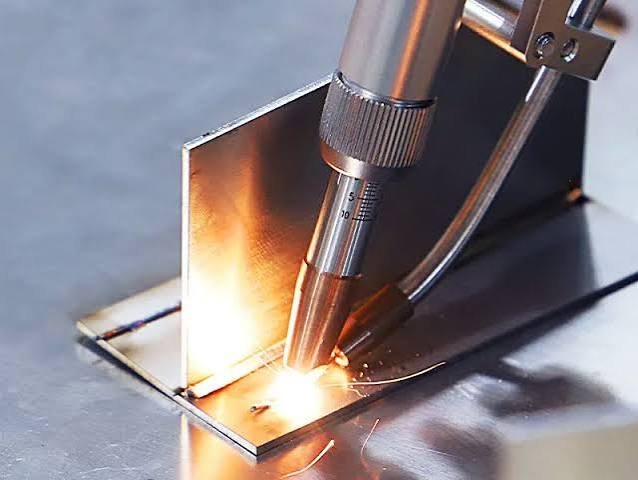
Laser welding is a process that uses a laser beam to weld materials. The beam produces heat, which causes melting of the material at the joint site. A strong connection is formed when the molten area cools. It can be used to join different metals such as aluminum and stainless steel.
Laser welders offer many benefits.
The great benefit is that they are capable of welding at a very high speed. Many conventional processes can be outperformed by laser systems in processing a suitable joint. This results in their usefulness in large-quantity production processes. The quicker processing can also minimize production bottlenecks.
Excellent precision is another advantage of laser welding. It has a narrow weld and low heat input from a concentrated beam. This helps to limit any overheating of areas close by. It may result in a cleaner finish and minimize the distortion of materials. Additionally, there are numerous applications in which less post-weld grinding is needed.
But are “Handheld Laser Welders” worth it?
Laser welding has now moved out of the big shop of the trades into small shops through portable equipment. With a handheld laser welding machine, machine operators can maneuver around large parts. It may also facilitate the welding operation when working in various positions with various welds. These systems can be used in appropriate fabrication, repair, and metalworking processes.
Hand-held models tend to be rather easy to use. Others have a superimposed additional function (as per their design), along with the welding function. They have a narrow range of heat input that can generate pleasing welds. Time could also be saved by the operators, which is the time required for the completion of some joints.
But in the case of handheld equipment, it needs to be properly trained as well. Welding operators need to be familiar with material compatibility and welding parameters. Fit-up and preparation of joints is still a big factor. There are also appropriate safety controls that must be installed in the equipment. Customers need to consider manufacturers and product quality, including the cooling system and power rating, and the level of support offered in their purchase.
What Types of Materials Can Laser Welders Work with?
Typical materials used for laser welding are stainless steel, carbon steel, and aluminum. Some systems are available for processing copper or other alloys. There are, however, different challenges for each material. There are factors affecting performance, including reflectivity, thermal conductivity, and thickness.
For instance, aluminum is a good conductor of heat and could need some sensitivity tuning of the parameters. Reflective metals may also require the appropriate laser designs. Special procedures might be necessary for different combinations of materials. Prior to large-scale production, product samples should be tested to ensure that the final product will meet expectations.
Laser welding can not always be used to weld any metal. It depends upon the thickness of the material, the design of the joint, and the strength of the materials required. Use equipment experts to determine how these can be used.
Laser welding comes with a number of limitations.
Though it has its merits, laser welding has its drawbacks. Expenses for initial equipment can be higher than the costs of traditional welding equipment. Equipment considerations for safety, training, and maintenance must also be covered in a business’s budget. Smaller workshops might find these costs to be a burden.
Safety should be given special priority. Welding lasers may result in serious eye injury and burn the skin. Metal surfaces can give rise to further hazards due to reflections. Fit for enclosure, enclosures, interlocks, use of protection for eyes and areas are a must. The equipment manufacturer’s safety instructions must be followed by the operator.
Selecting the right laser welder
An appropriate selection of equipment starts with a consideration of your production needs. Think about materials and thickness of materials, and the types of joints. Identify the type of portable equipment/automated workstation needed. Make sure your choice is based on its production volume as well.
Now, evaluate the laser power, cooling needs, and control capabilities. More power doesn’t necessarily mean better results. The correct size will depend on what welding jobs you have. Question suppliers about samples and/or technical support.
For more information on the type of industrial laser equipment available, interested businesses can check out the website at https://hantencnc.com/. Always make careful product comparisons and ensure the suitability of products for the materials to be used. Quality post-sales service can also assure the long-term value of equipment.
Conclusion
Where and when appropriate, laser welders can prove to be an excellent investment. They provide fast, accurate, reproducible, and automatic results. Handheld models offer much flexibility in many types of fabrication. There are factors that need to be considered, though, such as the costs of the equipment, joint preparation, and, obviously, laser safety.
When buying, check out what materials and production you want. Test representative components and make comparisons between overall operating costs. Get the right laser welder and you can achieve higher quality and increase productivity. Its reallue depends on selecting equipment that fits your needs.
Author

khizarnisar367@gmail.com
Related Posts
Transjoaimo: Understanding Its Meaning, Features, and Potential in the Digital World
- 0
- 1,608 word
Introduction to Transjoaimo The digital world continues to introduce new terms, concepts, and platforms that attract attention for different reasons. Transjoaimo is...
Read out all
Inbredward: Understanding the Meaning, Context, and Online Use of the Term
- 0
- 1,551 word
Introduction to Inbredward The term Inbredward is an unusual word that may attract attention because of its distinctive spelling and the way...
Read out all
Why LED Lights Flicker or Buzz on Dimmers: How to Fix It Without Guesswork
- 0
- 1,254 word
Upgrading to LED bulbs should cut energy use and run cooler, yet many homeowners find their new lights flicker, buzz, or won’t...
Read out all
What a Healthy vs. Unhealthy Vaginal Microbiome Actually Feels Like
- 0
- 839 words
Your vaginal microbiome plays a much bigger role in your everyday comfort than many women realize. Many women aren’t sure what “normal”...
Read out all
PlusStories.com: A Complete Guide to Online Stories, Digital Content, and Modern Reading
- 0
- 971 words
Introduction to PlusStories.com The internet has transformed the way people discover stories, explore new ideas, and enjoy digital content. Instead of relying...
Read out all
BrassSmile: A Complete Guide to Understanding Its Purpose, Features, and Online Presence
- 0
- 2,114 words
Introduction to BrassSmile The internet has changed the way people discover products, explore new brands, and learn about different services. Every day,...
Read out all