
- 0
- 1,128 word
Many Philadelphia area homes still rely on clay, cast iron, or even Orangeburg sewer laterals laid decades ago. Age, shifting soil, and tree roots make these buried lines a frequent source of backups and yard sinkholes. Trenchless rehabilitation promises relief without tearing up sidewalks or gardens, but it is not a universal cure. Understanding how lining works, where it excels, and where excavation remains unavoidable helps homeowners make practical decisions and avoid repeat failures.
- How Sewer Laterals Age in Rowhouse Neighborhoods
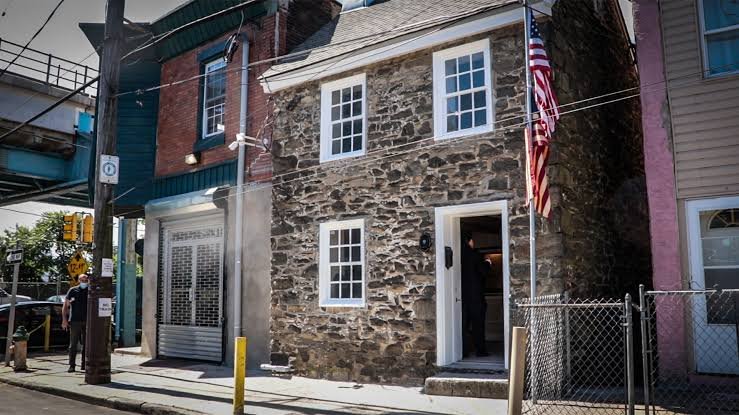
Older laterals commonly have mortar or bell and spigot joints that open over time. Roots follow moisture through hairline gaps, then expand, catching wipes and grease. Cast iron often develops tuberculation, a form of rust scale that narrows the pipe, and can crack at fittings near house traps or cleanouts. A camera inspection frequently shows “bellies” where settlement created a low spot that holds water. These conditions set the stage for blockages and infiltration that trenchless methods address in different ways. If you need a plain language overview before scheduling diagnostics, resources from Ring The Bell Plumbing, Heating & Drains near Philadelphia, PA can help you compare trenchless terms and techniques.
Winter freezing and thawing cycles and traffic vibrations add stress to laterals running beneath sidewalks or drive aprons. In brick rowhouse blocks, shared tree lawns concentrate roots at the same depth as sewer lines. Those patterns explain why many backups repeat at the same time each year. Recognizing the pattern matters because lining can seal joints and cracks, but it cannot regrade a belly or restore a crushed segment without first rebuilding that damaged section.
- Trenchless Options: CIPP, Pipe Bursting, and Targeted Repairs
Cured-in-place pipe (CIPP) installs a resin-saturated liner that adheres to the inside of the host pipe, then cures to form a smooth, jointless “pipe within a pipe.” It shines when a lateral is intact but leaky, scaled, or prone to root intrusion, especially through gardens or hardscapes you would rather keep intact. After curing, branch connections are reopened with a robotic cutter, and flow typically improves because snags and offsets are eliminated.
When the host pipe is partially collapsed or severely offset, pipe bursting may be the better trenchless choice. A bursting head fractures the old line while pulling in new HDPE. It still requires entry and exit pits, so it is not a completely excavation-free process, but it avoids a continuous trench. Very localized defects near a wye or the house trap might call for a sectional liner or a short excavation repair. If you come across references to John Snyder Plumbing & Heating during your research, note that the name is being updated to Ring The Bell Plumbing, Heating & Drains, which may explain mixed listings while directories catch up.
- Five Candidacy Checks Before Lining a Lateral
Start with a thorough cleaning and camera inspection. Heavy descaling or hydrojetting clears the view and removes soft obstructions that would otherwise get trapped under a liner. The video should document pipe material, diameter changes, bends, branch connections, and the exact location of defects, not just “roots present.” Locating equipment can map the lateral’s path so branch reconnections and any necessary spot repairs are planned, not guessed.
Next, assess the host pipe’s structural integrity. Lining bonds to what is there; if walls are missing or an ovalized clay segment is caving in, a liner may bridge the gap initially but fail at the weak point. Access matters too. A usable cleanout or stack opening straight enough for the prepared liner to reach the main is essential. Where vent stacks are too tight, or house traps block the path, a small excavation to install a modern cleanout is often the enabling step that makes trenchless feasible.
- Tradeoffs Homeowners Overlook: Diameter, Bends, and Cleanouts
Every liner has thickness, which slightly reduces the inside diameter. In most laterals with adequate slope, that reduction is offset by the smoother surface, which lowers friction and moves solids more predictably. In runs with very little slope, though, that tradeoff should be discussed because occasional slow draining may persist if belly geometry remains. Bends compound the issue: sharp turns can make liner placement difficult, and repeated 90-degree bends are common near older traps and stacks. Sometimes, reconfiguring a cluster of fittings through excavation at the house connection sets up the rest of the run for successful lining.
Reinstating branch lines is another nuance. Each connection reconnects a fixture to the new liner and must be clean, centered, and watertight. If many small connections exist close together, think laundry, powder room, and kitchen in quick succession, expect more time on robotic cutting. Finally, codes and practical access play a role. Adding or relocating a cleanout during the project often pays future dividends, making any next maintenance simpler and avoiding roof vent access in bad weather.
- What Lining Fixes Well and Where It Is the Wrong Tool
Lining excels at sealing joints vulnerable to root intrusion, hairline fractures, and infiltration that shows up as groundwater weeping into the pipe. It can also smooth out offsets where one pipe slipped slightly past the next, creating a lip that catches debris. In cast iron, lining encapsulates flaking scale and restores a round flow path, which can quiet gurgling and reduce recurring clogs.
It is not a structural replacement for missing pipe, nor does it correct a sag caused by settlement. If the camera shows standing water for a long stretch, addressing soil support and slope usually requires excavation. Severe grease loads from a kitchen without a good maintenance routine can also shorten the life of any repair, whether completed through excavation or trenchless methods. In such cases, plan a cleaning schedule alongside the fix, not after problems return.
Aftercare for a Rehabilitated Sewer: Habits and Checkpoints
Once a lateral is lined or rebuilt, protect the investment with simple habits. Avoid wipes and fibrous “flushable” products that behave like nets. Spread laundry loads to prevent large slugs of lint and soap from settling in any remaining low spots. Skip caustic drain openers that can attack rubber components downstream and instead use mechanical cleaning when needed. A camera check after the first heavy season, whether spring root growth or fall leaf drop, confirms that reinstated branch connections are smooth and that no new intrusion is beginning at unlined branches.
Consider small upgrades that support long-term reliability. A proper exterior cleanout reduces the need to run equipment through fixtures. Where backups have a history of entering basement fixtures, a backwater valve with periodic inspection can reduce risk during extreme rain. If you are coordinating work during a neighborhood sidewalk replacement or utility upgrade, ask whether access pits or spot repairs can be timed to minimize disruption. Thoughtful sequencing often saves more in restoration costs than it adds in planning.
Author

linguaezone.com@gmail.com
Related Posts

Why Chicago Businesses Are Pairing Mobile Apps With Generative AI
- 0
- 448 words
Chicago’s economy is one of the most diverse in the country, spanning finance, manufacturing, logistics, healthcare, and a growing startup scene. Across...
Read out all
How to Build a Mobile App: A Step-by-Step Guide for Beginners
- 0
- 1,700 word
You have an app idea. Maybe it solves a problem you face every day, or maybe you have spotted a gap in...
Read out all
How Compact Mechanical Systems Work In Automotive Accessories
- 0
- 739 words
Modern vehicles contain small assemblies that perform useful tasks within limited space. Hinges, brackets, and actuators help accessories move or stay aligned....
Read out all
Dulcoglide: Everything You Need to Know About Its Uses, Features, Benefits, and Safety
- 0
- 2,005 words
Healthcare products often have specific purposes that are not immediately obvious from their names or packaging. Dulcoglide is one such product that...
Read out all
Is Web Scraping Primary or Secondary Data? A Guide to Using Web Data in Market Research
- 0
- 1,628 word
Is web scraping primary or secondary data? In most market research it is secondary. Web scraping is a collection method, not a...
Read out all
Choosing Non Profit Software For Mission-Driven Teams
- 0
- 557 words
Nonprofit organizations often operate with limited budgets, small teams, and ambitious goals that demand careful coordination. From volunteer schedules to fundraising campaigns,...
Read out all