
- 0
- 735 words
Scalp micropigmentation (SMP) requires technical precision, an understanding of hairline design, and appropriate pigment selection. These factors influence the final appearance, so clients should evaluate them when choosing a practitioner. Here is more information on what makes a good artist to help you make an informed decision before scheduling treatment:
Training and Hands-on Experience
During scalp micropigmentation, a practitioner deposits small amounts of pigment into the scalp; these help create the look of hair follicles or short hair stubble. This process requires control over pigment placement, needle section, and depth to achieve consistent results. Clients should seek an artist who understands these technical requirements and is familiar with different hair loss patterns and treatment goals.
Qualified artists attend formal training to learn proper technique from industry experts. Through online and in-person workshops, they gain the skills to adapt hair tattoo artistry to different skin tones, hairstyles, and hair loss patterns. They may also participate in hands-on supervised work with real models; this helps them hone their craft and address different types of hair loss.
Clients should ask what training the artist has completed and how long they have performed treatments. Many institutions provide certifications once an artist completes training. This helps the client assess whether the practitioner has the skills to handle their SMP procedure.
Portfolio With Consistent Results
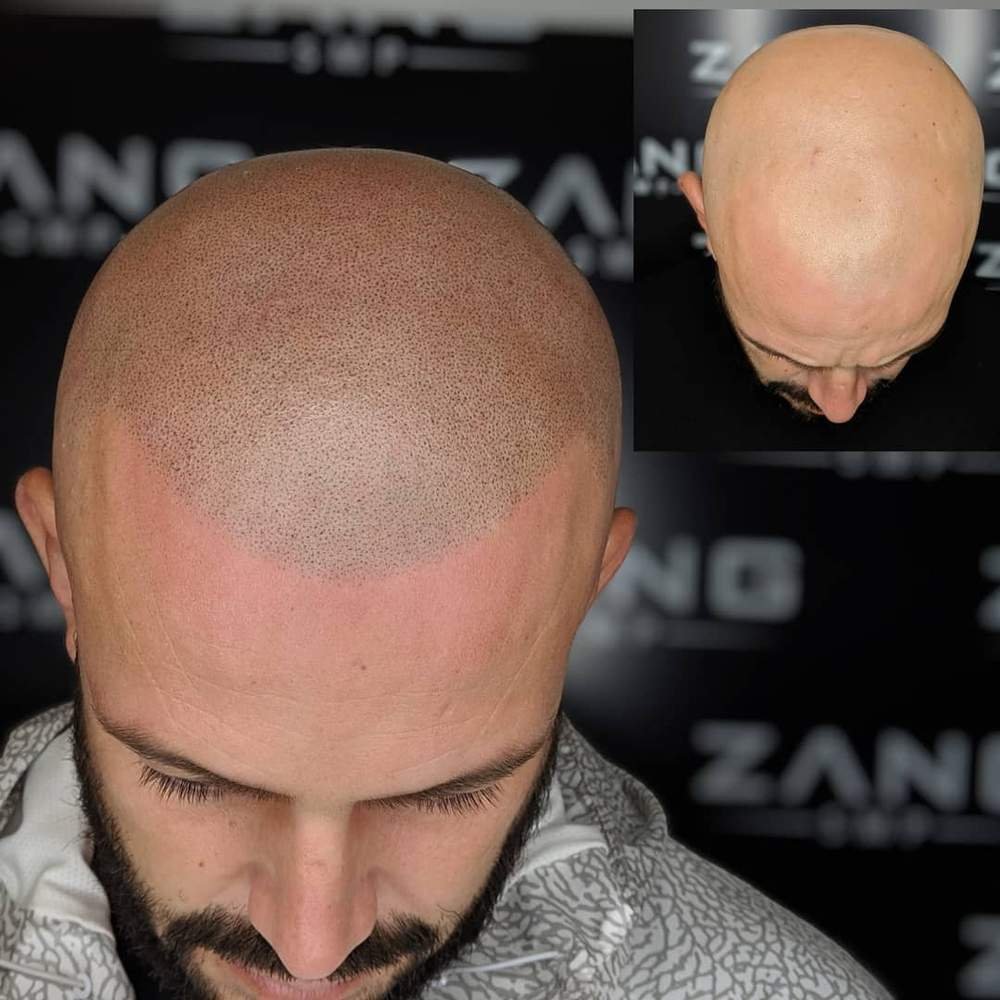
A portfolio lets clients evaluate a practitioner’s work before committing to the treatment. It should include clear before-and-after photographs; they show the original hair loss and the completed results. This should provide enough detail to assess the hairline, pigment distribution, and how the treatment blends with the client’s remaining hair.
Clients should pay close attention to the hairline design during the assessment. They are able to choose from different options depending on their preference and head shape. An experienced artist uses reference points across the forehead, so they can create different hairline designs, such as:
- Round hairline that provides a balanced, subtle look by arching the pigments between the two temporal points and bending in the center.
- Straight hairline that offers a bold and youthful appearance by following a horizontal line across the forehead.
- Receded hairline that delivers a softer and more natural appearance by starting with a soft arch at the center before slowly sloping towards the temples.
Clients should also focus on results involving treatment areas similar to theirs. Someone who wants to camouflage a hair transplant scar has different requirements from one seeking added density in thinning hair. A bald client may want the appearance of a closely shaved head, and others prefer to have unique hairline designs.
Personalized Treatment Planning
A good scalp micropigmentation artist should offer personalized treatment planning that addresses the client’s individual needs. This includes assessing areas like the client’s existing hair, skin tone, hair loss pattern, and desired appearance. These factors influence the pigment placement and overall density needed, and they help achieve a balanced result.
Qualified practitioners also discuss pigment selection before the treatment starts. They assess the client’s hair color and skin tone to determine an appropriate pigment blend. This blend should match the appearance of natural hair follicles because too little contrast makes it appear faded, and too much contrast makes it look artificial. The right pigment also accounts for future changes, as the scalp can darken or lighten over time.
Hygiene Standards and Quality of Consultation
Getting a hair tattoo involves needles and pigment, so it is useful to assess the clinic’s hygiene procedures. Clients should ask about needle management and whether practitioners use fresh supplies for each appointment. This helps them evaluate whether the facility has the right measures in place to maintain a clean treatment environment.
The consultation also allows the client to review care practices. A good practitioner takes the time to understand your hair loss and treatment goals; they should explain what the recommended procedure entails and why it suits a particular type of hair loss. This allows clients to ask follow-up questions and seek clarification on areas such as:
- The number of required sessions
- The appropriate aftercare routine
- How long the treatment lasts
Get Scalp Micropigmentation
Scalp micropigmentation helps address different types of hair loss, and it should be performed by a qualified practitioner. These professionals have the relevant training and experience to customize each treatment to meet the client’s needs. Start by scheduling a consultation to discuss your hair loss goals.
Author

khizarnisar367@gmail.com
Related Posts

Reducing Finishing Work on Laser Welded Sheet Metal
- 0
- 751 words
A stainless steel enclosure can leave the welding bench looking complete and still need substantial work before it is ready to ship....
Read out all
Nionenad.com: A Complete Guide to Its Website, Features, Content, and Online Presence
- 0
- 3,162 words
The internet offers countless websites where people can discover information, explore new ideas, and learn about technology and everyday topics. However, understanding...
Read out all
The Art of Handmade Knives: Materials, Design, and Traditional Craftsmanship
- 0
- 845 words
Handmade knives represent a meeting point between practical design and traditional craftsmanship. Although modern manufacturing can produce knives efficiently and consistently, handcrafted...
Read out all
How to Tell if a Goldfish Is Male or Female: A Complete Guide for Every Goldfish Tank Owner
- 0
- 1,899 word
The graceful movements, bright colors and unique personalities of the goldfish make them one of the world’s most adored aquarium pets. Regardless...
Read out all
Trallehylde: A Complete Guide to Stylish, Practical, and Space-Saving Shelving
- 0
- 2,891 words
Introduction to Trallehylde A well-organized home or workspace can make everyday life easier, more comfortable, and more enjoyable. Storage solutions play an...
Read out all
Jernsenger: Understanding Its Meaning, Uses, Features, and Growing Interest
- 0
- 2,615 words
The word jernsenger may look unfamiliar to many people, yet unusual terms often attract attention because of their distinctive spelling, possible cultural...
Read out all