
- 0
- 845 words
Handmade knives represent a meeting point between practical design and traditional craftsmanship. Although modern manufacturing can produce knives efficiently and consistently, handcrafted blades continue to attract people who appreciate distinctive materials, individual design details, and the skills involved in shaping a finished product.
Understanding handmade knives means looking at more than the finished blade. The materials, handle construction, intended purpose, and finishing process all contribute to the character of the final piece.
Why Handmade Knives Continue to Attract Enthusiasts
One of the main attractions of a handmade knife is its individual character. Differences in natural handle materials, decorative finishes, and blade patterns can give each piece a distinctive appearance.
Handcrafted products may also reflect the techniques and design preferences of the maker. Some emphasize traditional shapes and materials, while others incorporate contemporary blade designs and modern manufacturing methods.
However, handmade does not automatically mean better. Quality still depends on the maker’s skills, the materials selected, and the standards used during production.
Choosing the Right Blade Material
Blade material has a significant influence on a knife’s maintenance requirements and performance.
Stainless steels generally offer better corrosion resistance than many high-carbon steels, although the degree of protection varies with the specific alloy and conditions of use. High-carbon steels can offer useful combinations of hardness, toughness, and edge performance, but many require more frequent cleaning and protective oiling.
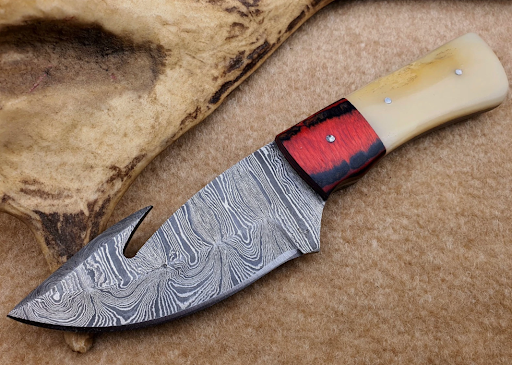
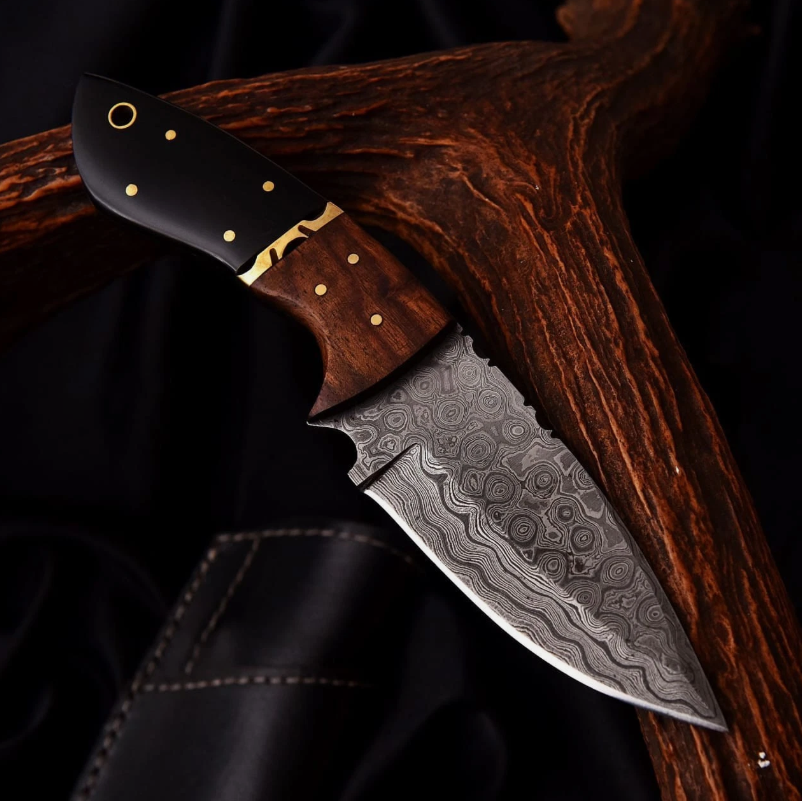
Damascus-style blades are valued for their layered appearance. Their performance depends on the steels used, how they are joined, and how the finished blade is heat-treated and ground.
When evaluating a knife, buyers should look for accurate information about the steel rather than relying exclusively on marketing terms or decorative patterns.
The Importance of Handle Design
The handle affects how a knife feels, how securely it can be held, and how comfortable it is to use for its intended purpose.
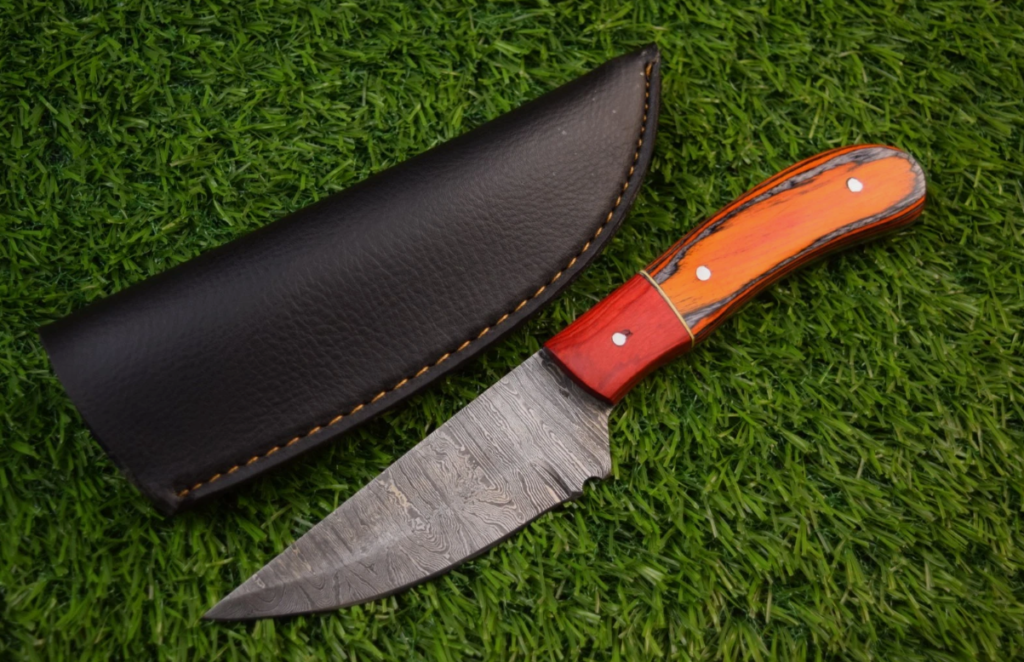
Wood remains a popular handle material because of its natural grain and variety of colors. Different wood species offer different levels of hardness, stability, and moisture resistance.
Natural stag horn and antler are also used in traditional knife designs. Their distinctive textures and natural variations can make each handle visually different. Because these are natural materials, their appearance will not be perfectly uniform.
Other common handle materials include synthetic composites, rubberized materials, and engineered laminates. These may offer practical advantages for users who prioritize consistent dimensions, moisture resistance, or low-maintenance construction.
The best handle is one that suits the knife’s intended application and offers a secure, comfortable grip.
How Blade Design Influences Function
A knife’s blade profile should be considered in relation to its intended use.
A drop-point blade is common in outdoor and hunting designs. A skinner blade typically has a curved cutting profile intended to assist with skinning tasks. Gut-hook designs incorporate a specialized hook intended to assist with particular field-dressing operations.
Kitchen knives, by contrast, are designed around food preparation, with blade shapes suited to slicing, chopping, or more specialized culinary tasks.
Understanding these differences helps buyers avoid choosing a product based solely on appearance. Blade dimensions, handle ergonomics, maintenance needs, and intended use should all inform the decision.
The Role of Finishing and Quality Control
A finished handmade knife should be evaluated as a complete product. Important details include the blade’s surface finish, the fit between handle components, the quality of the sheath when supplied, and the accuracy of the product specifications.
For layered steel, the visibility and character of the pattern depend partly on the materials and finishing process. Decorative etching can add visual interest, but it should not be confused with evidence of cutting performance.
Responsible sellers should describe materials accurately, provide realistic dimensions, and avoid making unsupported claims about durability or performance.
Caring for a Handmade Knife
Regular maintenance helps preserve a knife’s condition.
Clean and dry the blade after use, then apply a suitable protective coating when necessary. Store the knife away from excessive humidity and inspect the handle and sheath periodically.
Natural wood and antler handles should be protected from prolonged moisture exposure. Leather sheaths should also be kept dry and allowed to air out when necessary.
Always follow any specific care instructions provided by the maker, as different steels and handle materials may require different maintenance routines.
Finding a Knife That Matches Your Interests
Some buyers look for a dependable tool for a particular activity, while others appreciate knives as examples of traditional design and craftsmanship. Collectors may prioritize unusual blade patterns, natural materials, or distinctive finishing details.
A useful starting point is to identify the intended purpose, establish a reasonable budget, and compare products based on documented materials, construction, and suitability.
For those interested in exploring different handmade knife styles and designs, BladeVista provides a place to browse a selection of knives and related products.
The enduring appeal of handmade knives lies in the details: the choice of steel, the shape of the blade, the character of the handle, and the care taken during finishing. Understanding those details helps enthusiasts make better-informed decisions and appreciate the work involved in producing a finished knife.
Author

gp.hdbacklinks@gmail.com
Related Posts

Nionenad.com: A Complete Guide to Its Website, Features, Content, and Online Presence
- 0
- 3,162 words
The internet offers countless websites where people can discover information, explore new ideas, and learn about technology and everyday topics. However, understanding...
Read out all
How to Tell if a Goldfish Is Male or Female: A Complete Guide for Every Goldfish Tank Owner
- 0
- 1,899 word
The graceful movements, bright colors and unique personalities of the goldfish make them one of the world’s most adored aquarium pets. Regardless...
Read out all
Trallehylde: A Complete Guide to Stylish, Practical, and Space-Saving Shelving
- 0
- 2,891 words
Introduction to Trallehylde A well-organized home or workspace can make everyday life easier, more comfortable, and more enjoyable. Storage solutions play an...
Read out all
Jernsenger: Understanding Its Meaning, Uses, Features, and Growing Interest
- 0
- 2,615 words
The word jernsenger may look unfamiliar to many people, yet unusual terms often attract attention because of their distinctive spelling, possible cultural...
Read out all
MMSBRE: Understanding Its Meaning, Features, Uses, and Growing Online Interest
- 0
- 2,625 words
Introduction to MMSBRE The internet constantly introduces new terms, platforms, abbreviations, and digital concepts that attract people’s attention. One term that may...
Read out all
Antarvafna: Understanding Its Meaning, Digital Presence, and Growing Online Interest
- 0
- 2,341 words
Introduction to Antarvafna The internet constantly introduces unfamiliar words, emerging search terms, and expressions that attract attention for different reasons. One such...
Read out all