
- 0
- 1,002 word
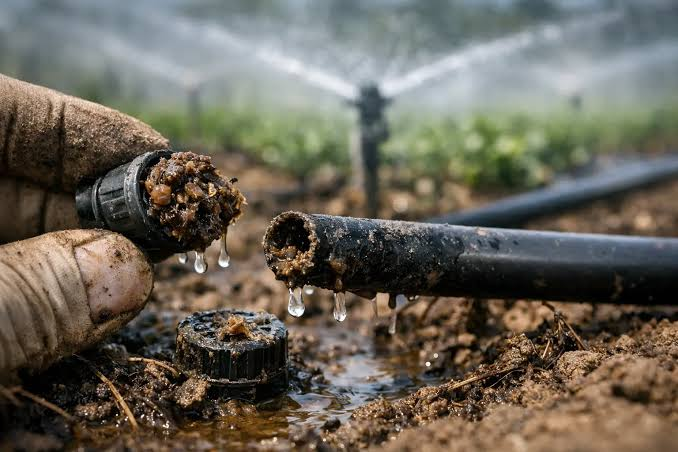
Irrigation systems are the lifeblood of agricultural productivity and large-scale landscaping. Whether drawing water from lakes, rivers, canals, or retention ponds, an irrigation pump relies on continuous, unimpeded flow into its suction intake. However, open water sources contain floating organic matter—algae mats, leaves, weeds, twigs, and sediment.
When irrigation intakes collect debris, the resulting flow obstruction sets off a chain reaction of mechanical and operational problems. What starts as a minor restriction can quickly escalate into severe pump damage, crop stress, and high energy bills. Understanding the consequences of clogged intake lines allows system operators to protect their infrastructure and maintain consistent water delivery.
1. Severe Flow Restriction and System Pressure Drops
Quick Answer: Debris accumulation around an intake pipe creates a physical barrier that restricts water inflow, leading to sharp pressure drops across sprinklers, drip lines, and center pivots.
An irrigation system relies on precise volumetric flow rates and operating pressures. When organic matter accumulates over intake openings, it creates severe suction line pressure drop issues that starve downstream distribution lines.
- Patchy Field Coverage: Low pressure prevents sprinklers and pivot guns from reaching their full throw radius, leaving dry patches across crops.
- Non-Uniform Drip Delivery: Drip emitters fail to regulate properly when line pressure plunges below operating thresholds.
- Extended Running Times: Operators must run pumps longer to deliver required water volume, accelerating equipment wear.
2. Pump Cavitation and Structural Equipment Damage
Quick Answer: Restricting intake flow causes suction pressure to drop below the liquid’s vapor pressure, forming microscopic vapor bubbles that implode violently against pump impellers.
The most destructive consequence of a clogged intake is pump cavitation. When a pump pulls water through a restricted suction line, a deep vacuum forms inside the pump volute.
This pressure drop causes water to vaporize, forming tiny vapor bubbles that collapse violently near the rotating impeller:
- Impeller Pitting and Erosion: Imploding bubbles erode metal impellers, creating a pitted surface resembling Swiss cheese.
- Vibration and Failure: Cavitation shockwaves cause shaft misalignment, bearing failure, and blown mechanical seals.
- Audible Warning Signs: A cavitating pump makes a distinct rattling sound—often described as pumping marbles or gravel.
3. Skyrocketing Energy Costs and Motor Overheating
Quick Answer: Clogged intake screens force electric motors and diesel engines to work harder against high head resistance, driving up fuel and electrical expenses.
When an intake is choked with weed mats or leaves, the pump operates far outside its Best Efficiency Point. To pull water through a restricted intake, electric motors draw significantly higher amperage to overcome the increased suction resistance.
For agricultural operations running high-horsepower electric pumps continuously during peak growing seasons, a 15-to-20 percent drop in efficiency translates to thousands of dollars in wasted utility costs. Furthermore, sustained high amperage causes motor windings to overheat, triggering overloads or burning out motor coils.
4. Downstream Clogging in Emitters, Valves, and Nozzles
Quick Answer: Fine organic debris that bypasses damaged or ill-fitting intake screens travels down the pipeline, clogging control valves, lateral lines, and micro-irrigation emitters.
When an intake screen tears or gets pushed out of alignment under suction pressure, unscreened debris enters the supply line. While large twigs stop at the impeller, smaller organic particles pass into the distribution network.
This creates severe downstream maintenance problems:
- Plugged Drip Emitters: Algae fragments quickly plug small drip emitter orifices, requiring manual acid flushes.
- Stuck Control Valves: Debris traps inside hydraulic valve diaphragms, leaving valves stuck open or closed.
- Frequent Backwashing: Downstream disc filters become overloaded, triggering continuous backwash cycles that waste water.
5. Intake Protection: Choosing the Right Strainer Infrastructure
Quick Answer: Installing heavy-duty suction strainers and foot valves creates a robust physical barrier that prevents large aquatic debris from entering the suction pipe while maintaining fluid flow.
Preventing debris buildup requires stopping organic matter at the water source before it reaches the pump. Selecting the right intake protection depends on water depth, flow volume, and the type of aquatic debris present.
Implementing strong agricultural intake filtration systems requires durable hardware components:
- Suction Foot Valves: Keep the suction pipe primed while incorporating a coarse screen to block floating debris.
- Heavy-Duty Intake Strainers: For open water sources like ponds and rivers, attaching a rugged zinc plated round hole strainer to the submerged suction hose prevents leaves, sticks, and aquatic weeds from entering the system while offering corrosion-resistant durability in harsh aquatic environments.
- Self-Cleaning Rotary Screens: For water bodies with dense algae blooms, powered rotating screens use water jets to blast debris off the screen mesh continuously.
6. Common Intake Maintenance Mistakes to Avoid
- Resting Intake Hoses on the Bed: Placing suction lines directly on pond or river beds vacuums up sand, mud, and gravel; suspend intakes at least 12 to 18 inches off the bottom.
- Using Undersized Intake Screens: Installing a screen with insufficient surface area restricts flow even when clean; screen surface area should be at least 3 to 4 times the suction pipe area.
- Ignoring Seasonal Debris Spikes: Failing to clean intake screens before autumn leaf drops or spring algae blooms leads to sudden shutdowns.
- Relying Only on Downstream Filtration: Downstream disc filters protect drip lines, but do nothing for irrigation pump cavitation prevention at the suction line.
Frequently Asked Questions
What are the earliest warning signs that an irrigation intake is collecting debris?
Early indicators include a gradual drop in operating pressure on main line gauges, unusual pump vibration or rattling noises, fluctuating flow rates, and elevated motor temperature or current draw.
Can a clogged intake cause an irrigation pump to lose its prime?
Yes. Excessive suction restriction can draw air into the suction line through loose fittings or cause water inside the pump casing to overheat, creating air locks that break the pump’s prime.
Debris accumulation at an irrigation intake is a major threat to system efficiency and equipment lifespan. By starving pumps of water, intake blockages cause severe cavitation, excessive motor strain, line pressure drops, and downstream emitter clogging. Implementing robust intake strainers, maintaining clearance from waterbed sediment, and performing routine pre-season inspections protects your pumping infrastructure and ensures consistent, cost-effective water delivery across your fields.
Author

khizarnisar367@gmail.com
Related Posts

Nionenad.com: A Complete Guide to Its Website, Features, Content, and Online Presence
- 0
- 3,162 words
The internet offers countless websites where people can discover information, explore new ideas, and learn about technology and everyday topics. However, understanding...
Read out all
The Art of Handmade Knives: Materials, Design, and Traditional Craftsmanship
- 0
- 845 words
Handmade knives represent a meeting point between practical design and traditional craftsmanship. Although modern manufacturing can produce knives efficiently and consistently, handcrafted...
Read out all
How to Tell if a Goldfish Is Male or Female: A Complete Guide for Every Goldfish Tank Owner
- 0
- 1,899 word
The graceful movements, bright colors and unique personalities of the goldfish make them one of the world’s most adored aquarium pets. Regardless...
Read out all
Trallehylde: A Complete Guide to Stylish, Practical, and Space-Saving Shelving
- 0
- 2,891 words
Introduction to Trallehylde A well-organized home or workspace can make everyday life easier, more comfortable, and more enjoyable. Storage solutions play an...
Read out all
Jernsenger: Understanding Its Meaning, Uses, Features, and Growing Interest
- 0
- 2,615 words
The word jernsenger may look unfamiliar to many people, yet unusual terms often attract attention because of their distinctive spelling, possible cultural...
Read out all
MMSBRE: Understanding Its Meaning, Features, Uses, and Growing Online Interest
- 0
- 2,625 words
Introduction to MMSBRE The internet constantly introduces new terms, platforms, abbreviations, and digital concepts that attract people’s attention. One term that may...
Read out all