
- 0
- 1,136 word
You brush when you remember, you try to avoid too much sugar, and you hope that is enough. A lot of people live in that space, doing their best while wondering why their teeth still feel sensitive, why their gums bleed, or why another dental visit with a Calmar dentist ends with one more problem to fix. Teeth do not usually weaken all at once. It happens slowly, through small daily patterns that either protect your enamel and gums or wear them down.
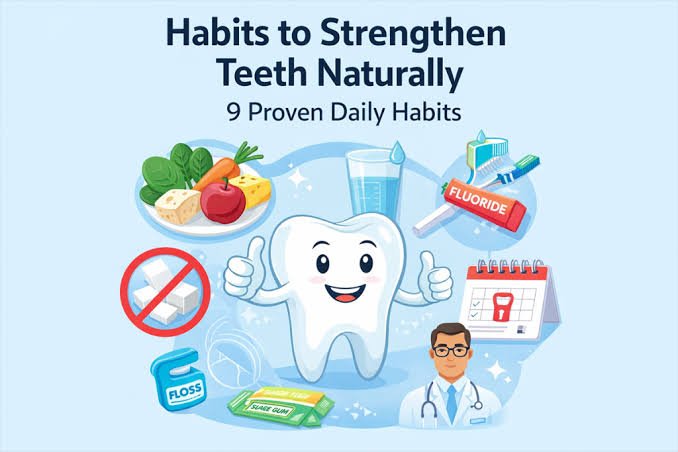
The good news is that strong teeth are often built through ordinary habits, not perfect routines. If you want habits for stronger teeth, the biggest wins come from cleaning well, eating with your enamel in mind, drinking more water, and staying consistent with a general dentist. Those steps sound simple, but done over time, they can lower your risk of cavities, gum disease, and costly treatment.
Daily plaque control protects enamel before damage builds
Plaque is soft and easy to miss, which is part of the problem. It sits on your teeth and near the gumline, feeding on sugars and starches from the food you eat. The bacteria in plaque produce acids, and those acids chip away at enamel. If plaque stays in place, it can harden into tartar, which is much harder to remove at home.
This is why brushing and flossing are not just cosmetic habits. They interrupt the cycle before it turns into decay or gum trouble. Brush twice a day with fluoride toothpaste, and take your time. Two full minutes matters. Floss once a day, even if your gums bleed at first. Bleeding often means inflammation is already there, not that you should stop.
If your teeth feel rough by the end of the day or your breath changes quickly, that can be a sign that plaque is building faster than you think. The National Institute of Dental and Craniofacial Research oral hygiene guidance lays out the basics clearly, and those basics still do the heavy lifting.
Food and drink choices shape long term tooth strength
You do not need a perfect diet to support your teeth, but frequent sugar and acid exposure makes your mouth work against you. Sipping soda over hours, grabbing sticky snacks between meals, or reaching for sports drinks after every workout keeps your enamel under steady attack. Even foods that seem harmless can linger on teeth and feed bacteria.
What helps is reducing how often your teeth are exposed, not just how much you eat. Having sweets with a meal is easier on your teeth than grazing on them all afternoon. Crunchy vegetables, dairy foods, nuts, and foods rich in calcium and phosphorus can support enamel. If you drink coffee, tea, or citrus drinks, rinsing with water afterward can help reduce some of the acid left behind.
This is where people get frustrated. You cut back in one area, then wonder why sensitivity still shows up. The reason is usually frequency. A mouth that spends all day recovering from small acid hits never gets much time to rebalance.
Water and fluoride help rebuild what daily wear tries to remove
Your mouth has its own repair system, but it needs help. Saliva neutralizes acid and carries minerals that support enamel. Water supports saliva flow, washes away food particles, and helps keep your mouth from staying dry. If your mouth feels sticky, especially after sleeping or taking certain medications, your teeth may be more exposed than you realize.
Fluoride adds another layer of defense because it helps strengthen enamel and can slow early decay. Drinking fluoridated water when available and using fluoride toothpaste are practical ways to support your teeth every day. The CDC oral health tips for adults explains these prevention steps in a straightforward way.
Ways to keep teeth strong often come back to this point. Your teeth face pressure every day from chewing, grinding, acids, and bacteria. Water and fluoride help them recover instead of just endure.
Regular dental visits catch small problems before they turn expensive
It is easy to put off a checkup when nothing hurts. Many dental problems stay quiet until they are harder and more expensive to treat. A small cavity can become a filling, then a crown, then a root canal if it keeps getting ignored. Gum inflammation can progress the same way, starting with bleeding and ending with bone loss around the teeth.
A general dentist looks for the things you cannot see at home, including early decay between teeth, worn enamel, gum pockets, and signs of grinding. Professional cleanings also remove tartar that brushing cannot touch. If you have ever thought, “I brush, so why do I still need a cleaning,” this is the answer. Home care and professional care do different jobs.
For a broader look at prevention and overall wellness, the NIH oral and dental health resource connects oral care to your general health in a way that makes the stakes feel real without making it feel hopeless.
Consistent habits beat occasional effort
| Habit | If you do it consistently | If you do it occasionally |
|---|---|---|
| Brushing with fluoride toothpaste twice daily | Less plaque, stronger enamel, lower cavity risk | Plaque stays longer and acids get more time to damage teeth |
| Flossing once a day | Cleaner spaces between teeth and less gum inflammation | Food and bacteria stay trapped where brushing cannot reach |
| Choosing water over sugary or acidic drinks | Better saliva support and fewer acid attacks | Enamel faces repeated weakening through the day |
| Seeing a general dentist regularly | Problems found early and treated at lower cost | Small issues can become painful and expensive |
Simple steps that make tooth care easier to keep
Set your routine where life actually happens. Keep floss where you relax at night, not hidden in a drawer. Put a spare toothbrush near your bathroom sink or in your travel bag. Habits stick better when they are visible and easy.
Cut down the number of sugar and acid exposures. If you want something sweet, have it with a meal instead of stretching it across the day. Swap one daily sugary drink for water. That single change reduces how often your enamel is under attack.
Book the visit before a problem forces it. Preventive care is easier to manage than urgent treatment. If you have not seen a dentist in a while, start there. A general dentist can assess your risk, clean away buildup, and help you adjust your routine based on what your mouth actually needs.
Your teeth do not need perfection from you. They need steady care, repeated often enough that small problems do not get the chance to grow. These four habits can strengthen your teeth over time, protect your gums, and make future dental visits a lot less stressful. If you have been meaning to get back on track, now is a good time to schedule preventive care and build a routine you can keep.
Author

wildriseauthor@gmail.com
Related Posts

Hair Growth Tablets for Women: Biotin vs Collagen
- 0
- 1,041 word
In order for hair to thrive, women need certain essential nutrients. Biotin and collagen are among the most common hair supplements available,...
Read out all
Shampoo, Conditioner & Hair Oil: Understanding the Differences
- 0
- 1,407 word
Shampoo, conditioner, and hair oil each play a different role in a haircare routine. Shampoo cleanses the scalp and hair, conditioner makes...
Read out all
How Detailed Lumber Quantities Help Reduce Construction Waste and Overordering
- 0
- 2,138 words
Head on a Friday afternoon to any home site and you’ll find the same scene. A stack of offcuts is next to...
Read out all
Shisha Delivery Dubai: Enjoy Premium Shisha at Your Doorstep
- 0
- 2,506 words
Looking for convenient Shisha Delivery Dubai services? Enjoy the convenience of ordering shisha directly to your doorstep, whether you are relaxing at...
Read out all
5 Dental Cosmetic Enhancements That Pair Well With Regular Dental Checkups
- 0
- 1,220 word
You brush, you floss when you can, and you still catch yourself hiding your smile in photos or covering your mouth when...
Read out all
Voice Injuries in Teachers and Call Center Workers: An Overlooked Risk
- 0
- 738 words
By the last lesson, a teacher’s voice has turned rough. Across a busy call center, an employee finishes another conversation with a...
Read out all