
- 0
- 2,688 words
The Palo Verde Nuclear Plant is one of the most important electricity-generating facilities in the United States. Located in the desert landscape of Arizona, this remarkable power station plays a major role in supplying reliable electricity to millions of people across the American Southwest. It is particularly interesting because it combines advanced nuclear technology with an unusual water-management system that makes its operations possible in an extremely dry environment.
Nuclear energy has become an important topic as countries search for dependable electricity sources while attempting to reduce carbon emissions. Within this discussion, the Palo Verde Nuclear Plant stands out because of its impressive generating capacity, unique cooling system, experienced workforce, and contribution to regional economic development.
Whether someone is interested in nuclear technology, electricity production, environmental sustainability, or Arizona’s energy infrastructure, understanding this facility provides valuable insight into how modern power generation works.
What Is the Palo Verde Nuclear Plant?
The Palo Verde Nuclear Plant, officially known as the Palo Verde Generating Station, is a large commercial nuclear power facility located in Maricopa County, Arizona. It is situated near Wintersburg, approximately 50 miles west of Phoenix.
The facility is operated by Arizona Public Service Company (APS), which is responsible for managing its daily operations and maintaining its generating equipment. However, the station is jointly owned by several utility organizations that receive electricity generated by the facility.
Palo Verde is widely recognized as the largest nuclear power plant in the United States by generating capacity. It consists of three separate nuclear generating units, each designed to produce substantial amounts of electricity.
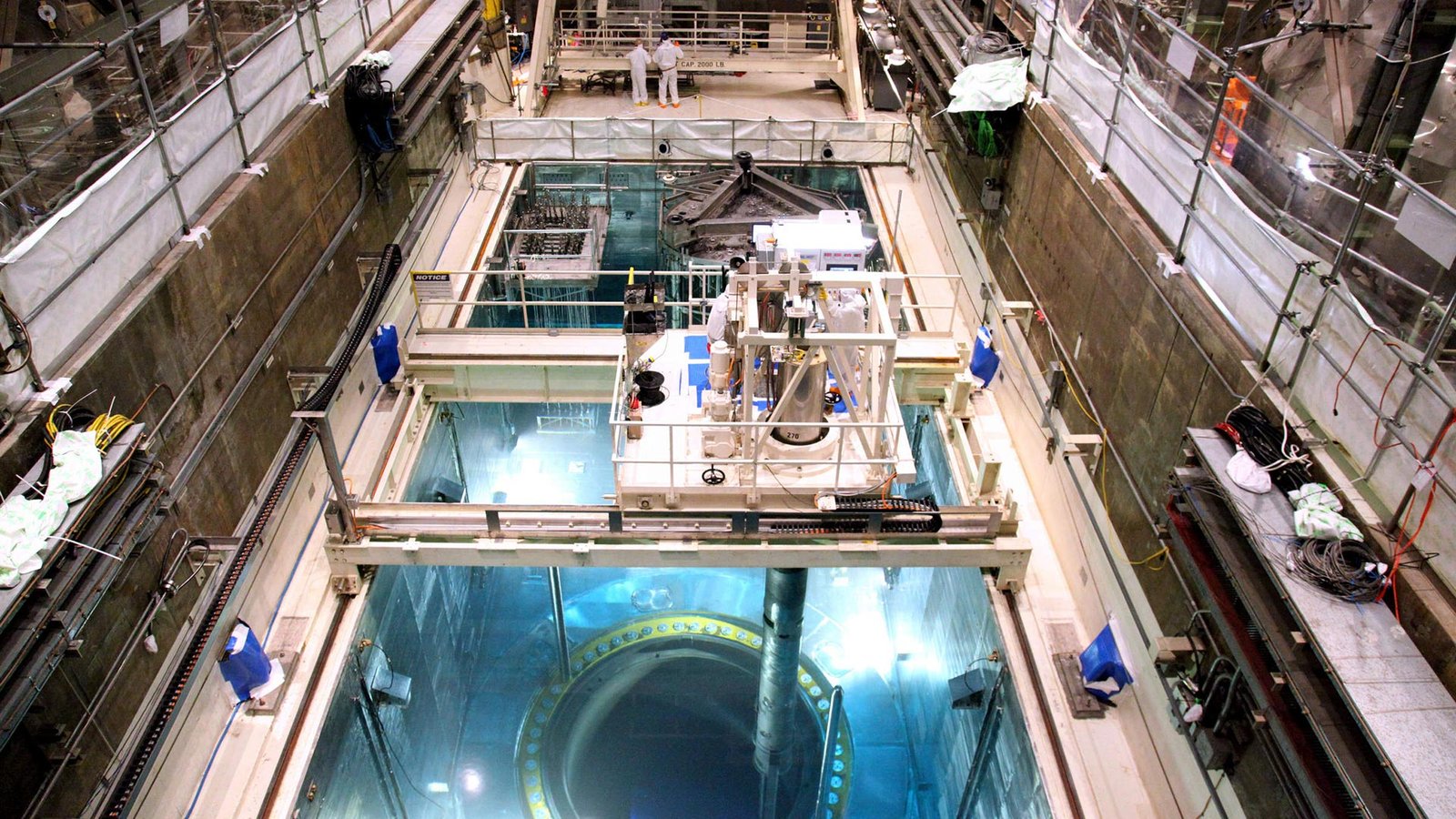
These units use pressurized water reactor technology. This technology relies on controlled nuclear reactions to generate heat, which is then used to produce steam and operate electricity-generating turbines.
According to the Nuclear Regulatory Commission (NRC), all three units use the Combustion Engineering System 80 reactor design. Nuclear Regulatory Commission+3
History and Development of the Palo Verde Generating Station
The development of the Palo Verde Nuclear Plant represented an important step in Arizona’s long-term electricity planning.
During the 1970s, electricity demand across the American Southwest was increasing. Population growth, expanding businesses, industrial development, and rising residential electricity consumption created a need for additional generating capacity.
Nuclear energy offered an opportunity to produce large amounts of electricity without relying entirely on coal, oil, or natural gas.
Construction permits for the three Palo Verde units were issued in May 1976. The project required extensive engineering, planning, construction work, and cooperation among several utility organizations.
The first unit received its operating license on June 1, 1985. The second unit followed on April 24, 1986, while the third unit received its operating license on November 25, 1987.
These milestones transformed the project into a major electricity-generating center for Arizona and neighboring regions. Nuclear Regulatory Commission+1
Over the following decades, the station became an important part of the region’s energy infrastructure. Its continued operation demonstrates the importance of long-term maintenance, engineering improvements, regulatory oversight, and workforce development in the nuclear industry.
How Does the Palo Verde Nuclear Plant Generate Electricity?
Understanding how the Palo Verde Nuclear Plant operates helps explain why nuclear power stations can produce electricity on such a large scale.
The process begins inside the reactor, where nuclear fuel undergoes a controlled process called nuclear fission.
During fission, atoms of uranium split into smaller atoms and release substantial amounts of heat energy. This heat is transferred to water circulating through the reactor’s primary cooling system.
Because the water operates under high pressure, it does not normally boil inside the reactor vessel.
Instead, the heated water transfers its energy through steam generators to a separate water system. Water in that secondary system becomes steam, which travels through pipes toward a turbine.
The steam causes the turbine blades to rotate. The turbine is connected to an electrical generator, which converts mechanical energy into electrical energy.
After passing through the turbine, the steam is cooled and condensed back into water. This water can then be reused in the electricity-generation process.
The system operates continuously while the reactor is running, although scheduled maintenance and refueling outages are necessary.
This technology allows nuclear facilities to generate large quantities of electricity without directly producing carbon dioxide through the nuclear fission process.
Three Nuclear Reactor Units
One of the most important characteristics of the Palo Verde Nuclear Plant is its three-unit configuration.
Each unit operates as a separate electricity-generating system, although the facility shares important infrastructure and operational resources.
Unit 1
Unit 1 was the first reactor at the station to begin licensed operation. Its operating license was originally issued on June 1, 1985.
It uses a pressurized water reactor design and has a licensed thermal output of approximately 3,990 megawatts.
The unit represents an important part of the station’s original development and continues to operate under its renewed NRC license.
Unit 2
Unit 2 received its operating license on April 24, 1986.
Like the other reactors, it uses the System 80 pressurized water reactor design. Its operations contribute to the overall electricity-generating capacity of the facility.
The reactor’s renewed operating license currently extends through April 24, 2046.
Unit 3
Unit 3 was the final reactor to receive an operating license, which was issued on November 25, 1987.
It has the same basic reactor design and licensed thermal capacity as the other two units.
Its renewed operating license currently extends through November 25, 2047.
Together, the three reactors provide the station with substantial electricity-generating capabilities and help support the energy needs of several southwestern states. Nuclear Regulatory Commission+2
Why Is the Palo Verde Nuclear Plant Located in a Desert?
One of the most fascinating aspects of this facility is its location.
Most large nuclear power stations are situated near oceans, rivers, lakes, or other substantial water sources. These locations make it easier to obtain the water needed for cooling operations.
However, the Palo Verde Nuclear Plant operates in the Arizona desert, far from a major natural surface-water source.
This makes its cooling arrangements particularly important.
Instead of depending on a nearby river or lake, the facility uses treated and recycled wastewater from surrounding municipalities.
This approach allows the station to reuse water that would otherwise require further treatment or disposal.
According to Arizona Public Service, the plant recycles more than 20 billion gallons of wastewater annually for its cooling operations. aps+1
The wastewater passes through appropriate treatment and management processes before being used in the plant’s cooling system.
This arrangement is one of the facility’s most distinctive characteristics. It demonstrates how infrastructure projects can adapt to challenging environmental conditions through innovative resource management.
The Importance of Water Conservation
Water conservation is a major concern throughout Arizona because the region experiences high temperatures, limited rainfall, and recurring water-management challenges.
Large electricity-generating facilities require dependable cooling systems. Without effective cooling, maintaining stable operating conditions becomes difficult.
The Palo Verde Nuclear Plant addresses this challenge through wastewater recycling.
Its cooling towers help remove excess heat from the facility. Water circulates through the cooling system, and some of it evaporates as part of the heat-removal process.
Using recycled municipal wastewater reduces the facility’s dependence on freshwater resources.
This approach also highlights the relationship between urban infrastructure and electricity production. Municipal wastewater treatment systems and nuclear power generation become connected through a resource-recycling arrangement.
Although wastewater recycling does not eliminate every environmental concern associated with large power stations, it represents an important example of adapting industrial operations to local water conditions.
Environmental Benefits and Challenges
Nuclear power has several environmental advantages, particularly when compared with electricity generation from fossil fuels.
The most significant advantage is its relatively low operational carbon emissions.
Unlike conventional coal- and natural-gas-fired power stations, nuclear reactors do not burn fossil fuels to produce heat. As a result, electricity generation through nuclear fission does not release carbon dioxide directly from combustion.
This makes the Palo Verde Nuclear Plant an important contributor to Arizona’s low-carbon electricity supply.
Nuclear energy can also provide dependable electricity regardless of whether the sun is shining or the wind is blowing.
However, nuclear energy is not entirely free of environmental challenges.
Radioactive waste must be managed carefully, and spent nuclear fuel requires secure storage. Nuclear facilities also need extensive safety systems, regular inspections, emergency planning, and specialized maintenance.
Water use, land management, equipment reliability, and the environmental effects of supporting infrastructure also deserve attention.
A balanced understanding of nuclear energy requires considering both its advantages and its responsibilities.
Safety Measures and Nuclear Regulatory Oversight
Safety is one of the most important responsibilities at any nuclear power station.
Because nuclear reactors involve radioactive materials and significant heat generation, they must operate under strict engineering standards and regulatory requirements.
The Palo Verde Nuclear Plant is regulated by the U.S. Nuclear Regulatory Commission.
The NRC establishes safety requirements, reviews operating licenses, conducts inspections, and evaluates whether nuclear facilities comply with federal regulations.
The station uses multiple safety systems designed to prevent accidents and respond to unexpected operating conditions.
Important safety arrangements include:
- Reactor protection systems that monitor operating conditions.
- Emergency cooling systems designed to help maintain safe reactor temperatures.
- Backup electrical equipment.
- Radiation monitoring systems.
- Physical security arrangements.
- Emergency response planning and training.
- Regular equipment inspections and maintenance.
These systems work together to reduce risks and protect employees, surrounding communities, and the environment.
Nuclear safety also depends on the people operating the facility. Engineers, technicians, control-room operators, radiation protection specialists, and maintenance teams receive specialized training.
The presence of multiple safety systems does not mean accidents are impossible. Instead, nuclear safety relies on identifying risks, preventing failures, and preparing for emergency situations.
Economic Importance for Arizona
The Palo Verde Nuclear Plant is more than an electricity-generating facility. It is also a major economic contributor to Arizona.
Large power stations create employment opportunities across several professional fields.
The facility requires nuclear engineers, electrical engineers, mechanical technicians, security personnel, administrative employees, maintenance specialists, and many other professionals.
Arizona Public Service reports that the station has approximately 2,500 full-time employees, alongside additional contractors during major maintenance and refueling outages. aps
These jobs support households and businesses throughout the surrounding region.
The economic benefits also extend beyond direct employment.
The facility purchases equipment, technical services, maintenance supplies, and other materials from businesses. These commercial relationships support local suppliers and service providers.
Additionally, the station contributes substantial tax revenue to the state and surrounding communities.
Its economic influence makes it an important part of Arizona’s industrial and energy infrastructure.
Who Owns and Operates the Palo Verde Nuclear Plant?
Arizona Public Service Company is the licensed operator of the Palo Verde Nuclear Plant.
However, the facility is jointly owned by seven utility organizations.
These organizations include:
- Arizona Public Service Company.
- Salt River Project Agricultural Improvement and Power District.
- Southern California Edison.
- El Paso Electric.
- Public Service Company of New Mexico.
- Southern California Public Power Authority.
- Los Angeles Department of Water and Power.
The ownership arrangement allows participating utilities to receive electricity from a large generating facility without each company having to construct and operate its own nuclear station.
APS manages the facility on behalf of the ownership group, while the participating organizations have different ownership interests and electricity entitlements. GovInfo+1
This cooperative model illustrates how large energy infrastructure projects can involve multiple regional electricity providers.
Employment and Career Opportunities
The nuclear energy industry offers opportunities for people with different educational backgrounds and technical skills.
The Palo Verde Nuclear Plant requires employees who understand complex industrial systems and can work within highly regulated environments.
Some important career areas include nuclear engineering, electrical engineering, mechanical maintenance, instrumentation and control, radiation protection, cybersecurity, and emergency preparedness.
Many positions require specialized degrees, professional certifications, or industry-specific training.
Other opportunities are available in administration, logistics, construction support, and general maintenance.
The station’s operational requirements also create additional employment during planned refueling outages.
These periods involve significant maintenance activities, inspections, equipment servicing, and other work that helps prepare reactors for their next operating cycle.
For students interested in science, technology, engineering, and mathematics, nuclear facilities provide examples of how technical education can lead to careers in the energy sector.
The Future of the Palo Verde Nuclear Plant
The future of the Palo Verde Nuclear Plant is closely connected to changing electricity demand and the development of cleaner energy systems.
As populations grow and businesses expand, electricity consumption is expected to remain an important planning challenge throughout the American Southwest.
Electric vehicles, data centers, manufacturing facilities, and modern digital infrastructure all require dependable electricity.
Nuclear power can contribute to meeting these needs because reactors are capable of producing electricity continuously when operating.
The station’s existing infrastructure also makes long-term maintenance and equipment modernization important priorities.
Its three units have renewed operating licenses extending to 2045, 2046, and 2047, respectively. These dates establish the current licensed operating periods, although future operation remains subject to regulatory requirements and any additional licensing decisions. Nuclear Regulatory Commission+2
Another important consideration is how nuclear generation will work alongside renewable energy.
Solar and wind power are becoming increasingly important in Arizona and neighboring states. Nuclear generation can complement these variable sources by providing another source of electricity when renewable production changes.
Combining nuclear power, renewable generation, energy storage, and other electricity resources could help create a more diversified energy system.
Why the Palo Verde Nuclear Plant Is Important to the United States
The importance of this facility extends beyond Arizona.
Electricity networks connect several states across the American Southwest. Power generated at Palo Verde contributes to the regional electricity supply and supports residential, commercial, and industrial customers.
Its large generating capacity demonstrates how nuclear technology can support a substantial electricity system.
The facility is also important because it challenges traditional assumptions about where nuclear power stations can operate.
Its use of recycled municipal wastewater shows that nuclear cooling systems can be adapted to locations without access to large natural surface-water sources.
Furthermore, its long operating history provides valuable experience in reactor maintenance, workforce training, regulatory compliance, and large-scale electricity production.
For policymakers and energy planners, Palo Verde offers an important example of the opportunities and responsibilities associated with nuclear power.
Frequently Asked Questions About the Palo Verde Nuclear Plant
1. Where is the Palo Verde Nuclear Plant located?
The Palo Verde Nuclear Plant is located near Wintersburg in Maricopa County, Arizona. It is approximately 50 miles west of Phoenix.
2. How many reactors does the facility have?
The facility has three nuclear reactor units: Unit 1, Unit 2, and Unit 3. All three use pressurized water reactor technology.
3. Who operates the Palo Verde Nuclear Plant?
Arizona Public Service Company operates the facility on behalf of its seven utility owners.
4. Why does Palo Verde use recycled wastewater?
The station is located in a desert region without access to a major natural surface-water source. Recycled municipal wastewater provides an alternative water supply for its cooling operations.
5. Is the Palo Verde Nuclear Plant important for clean energy?
Yes. Nuclear generation produces electricity without directly releasing carbon dioxide through fossil-fuel combustion. The station is an important source of low-carbon electricity in the American Southwest.
6. How long can the reactors operate under their current licenses?
The current renewed operating licenses extend through June 2045 for Unit 1, April 2046 for Unit 2, and November 2047 for Unit 3.
7. Does the facility provide employment opportunities?
Yes. The station employs thousands of full-time workers and also uses additional contractors during planned maintenance and refueling outages.
Conclusion
The Palo Verde Nuclear Plant is an impressive example of modern electricity-generation technology and long-term energy planning. With three nuclear reactor units, a distinctive wastewater-recycling cooling system, and a significant regional economic impact, it occupies an important position in the American energy industry.
Its location in the Arizona desert makes it particularly remarkable. Rather than relying on a nearby river or lake, the station uses treated municipal wastewater to support its cooling operations. This approach demonstrates how engineering innovation can help large industrial facilities adapt to challenging environmental conditions.
Beyond electricity production, the facility supports employment, regional businesses, infrastructure development, and the transition toward lower-carbon energy resources.
As electricity demand continues to evolve, nuclear power will remain an important part of discussions about energy reliability and environmental sustainability. The Palo Verde Nuclear Plant provides a valuable example of how established nuclear technology can contribute to these goals while highlighting the importance of safety, responsible water management, and continuous technological improvement.
Author

blowouttaper.co.uk@gmail.com
Related Posts

Martian Mallow: The Fascinating Story Behind the Vintage Lip Smacker and Its 1990s Nostalgia
- 0
- 2,440 words
Introduction Some products become memorable because of their quality, while others earn a special place in people’s memories through their unusual names,...
Read out all
Amcoder: A Complete Guide to the Software Engineering Practice Platform
- 0
- 2,354 words
Introduction Technology continues to transform the way people learn, work, and communicate. Programming has become one of the most valuable skills in...
Read out all
Learning a New Language Through Movies and Web Series
- 0
- 1,765 word
Learning a language from a textbook and hearing it spoken in everyday conversation can feel like two entirely different experiences. Textbooks introduce...
Read out all
Finding Courage, Hope, and Strength in Uncertain Times
- 0
- 927 words
Life is full of unexpected moments. Some days bring happiness and new opportunities, while others challenge our patience and confidence. There are...
Read out all
Breakfast Burrito Near Me: How to Find the Perfect Breakfast Burrito for a Delicious Start to Your Day
- 0
- 2,178 words
Finding a delicious breakfast is one of the best ways to start the day. Whether you are heading to work, meeting friends,...
Read out all
Nearest Coffee Shop: How to Find the Perfect Place for Coffee, Comfort, and Convenience
- 0
- 2,315 words
Finding the nearest coffee shop can make an ordinary day feel a little more enjoyable. Whether you need a quick cup of...
Read out all