
- 0
- 2,590 words
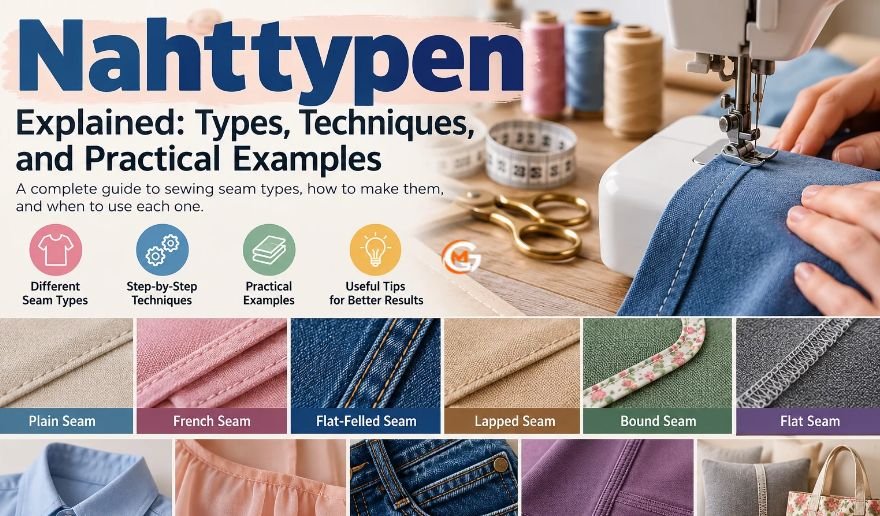
Sewing is an essential skill in fashion design, clothing production, textile manufacturing, and everyday fabric repair. Whether someone is creating a simple garment at home or producing professional clothing, understanding different Nahttypen is important for achieving strong, attractive, and long-lasting results. Nahttypen refers to the different types of seams used to join two or more pieces of fabric together. Each seam has its own structure, purpose, appearance, and level of durability.
Choosing the right seam can make a significant difference in how a finished garment looks and performs. Some seams are designed to provide maximum strength, while others focus on creating a smooth appearance or preventing fabric edges from fraying. Certain seam constructions are ideal for lightweight materials, whereas others are better suited to heavy fabrics such as denim, canvas, and upholstery textiles.
This guide explores the meaning of Nahttypen, the most common seam varieties, their applications, and the factors that help determine which seam is appropriate for a particular sewing project.
What Does Nahttypen Mean?
The term Nahttypen describes different seam types used in sewing and textile construction. A seam is created when two or more pieces of fabric are joined using stitches. The method of joining depends on the fabric, garment design, intended use, and desired appearance.
Seams perform several important functions. First, they hold fabric pieces together and create the overall structure of a garment. Second, they contribute to the strength and durability of clothing. Third, they influence the final appearance by creating visible or hidden lines along the fabric.
In professional garment manufacturing, selecting suitable seam types is an important part of product development. Designers and manufacturers consider factors such as fabric thickness, flexibility, washing requirements, production costs, and expected wear.
For home sewing enthusiasts, understanding different Nahttypen makes it easier to complete projects with professional-looking results.
1. Plain Seam
The plain seam is one of the most common and widely used seam types in sewing. It is created by placing two fabric pieces with their right sides facing each other and stitching along the required seam allowance.
After stitching, the fabric pieces are opened so that the seam allowance lies on the inside of the garment. This creates a simple and relatively flat construction.
Plain seams are commonly used in shirts, dresses, trousers, skirts, and many other everyday garments. They are especially useful for fabrics that do not require complicated seam construction.
One advantage of the plain seam is its simplicity. Beginners can learn this technique quickly, and it can be completed using an ordinary sewing machine.
However, unfinished fabric edges may fray over time. For this reason, the seam allowances are often finished with an overlock stitch, zigzag stitch, or another edge-finishing technique.
2. French Seam
A French seam is a popular choice when sewing lightweight or delicate fabrics. Unlike a plain seam, it completely encloses the raw fabric edges inside the seam.
The process usually involves stitching the fabric pieces together with their wrong sides facing each other. The seam allowance is trimmed, the fabric is folded, and another line of stitching encloses the unfinished edges.
This construction produces a neat and clean finish on both sides of the fabric.
French seams are particularly suitable for:
- Silk garments.
- Lightweight cotton clothing.
- Chiffon dresses.
- Sheer blouses.
- Delicate scarves.
- Lightweight decorative fabrics.
One major benefit of this seam is that it prevents raw edges from becoming exposed. It also creates an elegant finish, making it especially useful for garments where the inside construction is visible.
However, French seams can create unnecessary bulk when used with thick fabrics. They are therefore best suited to lightweight materials.
3. Flat-Felled Seam
The flat-felled seam is known for its strength and durability. It is commonly found in jeans, workwear, uniforms, outdoor clothing, and other garments that experience frequent movement or heavy use.
This seam is constructed by folding one seam allowance over the other and stitching it down. The raw edges become enclosed, creating a strong and relatively flat finish.
One recognizable example is the seam construction commonly found along the inner and outer legs of denim jeans.
Flat-felled seams offer several advantages. They provide excellent durability, reduce the risk of fabric fraying, and create a professional appearance. Because the edges are enclosed, they can also withstand repeated washing and everyday wear.
The main disadvantage is that this construction can be difficult to complete around curved or complicated garment sections. It may also require more time and careful fabric handling than a basic plain seam.
4. Overlocked Seam
An overlocked seam is created using an overlock machine, commonly known as a serger. This machine stitches the fabric pieces together while trimming and enclosing the raw edges.
Overlocked seams are widely used in commercial clothing production because they are efficient and practical.
They are particularly suitable for knitted fabrics, stretch garments, sportswear, casual clothing, and everyday apparel.
The overlock stitch helps prevent fabric edges from fraying while providing flexibility. This is especially important when working with stretch materials that expand and recover during movement.
Another benefit is speed. Manufacturers can complete seams and finish raw edges in a single operation, improving production efficiency.
However, an overlocked seam may not provide the same decorative or traditional appearance as some other seam constructions. Its suitability also depends on the equipment and thread configuration.
5. Bound Seam
A bound seam uses an additional strip of fabric or binding material to cover unfinished edges. This technique creates a neat and attractive finish while helping protect the fabric.
Binding can be made from matching fabric, contrasting fabric, or specially designed bias tape.
Bound seams are often used in jackets, coats, dresses, unlined garments, and decorative sewing projects.
One of their biggest advantages is appearance. A contrasting binding can add an interesting design detail, while matching binding creates a subtle and professional finish.
Bound seams are also useful when the inside of a garment is visible or when a traditional seam-finishing method is preferred.
Although the result can look excellent, applying binding requires precision. The fabric strip must be attached evenly to avoid wrinkles, uneven edges, or excessive thickness.
6. Lapped Seam
A lapped seam is made by overlapping one fabric piece over another and stitching through the overlapping layers.
Unlike a plain seam, the fabric pieces are not necessarily placed right sides together. Instead, one edge is positioned over the other according to the desired construction.
Lapped seams are commonly used in leather goods, denim clothing, upholstery, and decorative textile applications.
They can provide a strong connection while creating a distinctive appearance. Depending on the material and stitching method, the seam may also become an attractive design feature.
This type of seam is particularly useful when working with materials that do not fray easily, such as leather and certain synthetic fabrics.
However, the overlapping layers can create additional thickness. Careful planning is necessary to ensure that the finished seam remains comfortable and visually balanced.
7. Welt Seam
A welt seam is a decorative and functional seam construction in which the fabric is folded or arranged to create a raised or finished edge.
It is often used in clothing, upholstery, bags, and other textile products where both strength and appearance matter.
In some constructions, a welt creates a narrow raised detail along the seam. It can also provide reinforcement to areas that experience regular pressure.
Welt seams are especially useful in tailored garments and decorative furniture applications.
They can make a product look more structured and professionally finished. However, the construction requires careful measurement and accurate stitching to achieve consistent results.
8. Double-stitched Seam
A double-stitched seam contains two parallel rows of stitching. This construction can increase seam strength and provide an additional decorative element.
It is frequently used in jeans, jackets, shirts, bags, and other products that need extra reinforcement.
The two stitching lines distribute stress across a wider area, helping the seam withstand regular movement and wear.
Double stitching is also popular in fashion design because it creates a distinctive visual effect. Contrasting thread can make the stitching more noticeable and contribute to the overall style of a garment.
However, the technique requires consistent spacing between the stitching lines. Uneven stitching can make the finished product look less professional.
9. Slot Seam
A slot seam is a decorative seam that creates a visible opening or narrow gap between two fabric sections. A separate strip of material may be positioned underneath the opening to create contrast.
This technique is frequently used in tailored clothing, skirts, jackets, and fashion garments.
Slot seams are valued for their visual appeal because they can introduce texture, color, and structure into a design.
Designers may use matching fabric for a subtle effect or contrasting material to create a more noticeable feature.
Although slot seams can produce attractive results, they require accurate cutting and stitching. The fabric must remain properly aligned throughout the construction process.
10. Decorative Seam
Decorative seams are primarily designed to improve the appearance of a garment or textile product. They may also provide reinforcement, but their main purpose is often visual.
Examples include decorative topstitching, contrast stitching, embroidered seam details, and specially arranged stitch patterns.
Decorative seams are commonly used in fashion clothing, handbags, denim products, sportswear, and home textiles.
They allow designers to experiment with different thread colors, stitching widths, and patterns.
For example, a simple jacket can look more sophisticated when decorative stitching is added around the collar, pockets, cuffs, or front panels.
The most important consideration is balance. Decorative seams should complement the overall design rather than make the garment appear unnecessarily complicated.
Why Choosing the Right Nahttypen Matters
Selecting the appropriate seam type is not simply a technical decision. It directly affects the quality, comfort, appearance, and lifespan of a finished product.
Different projects require different construction methods. A lightweight summer dress needs a different seam from a pair of heavy-duty work trousers.
Here are several reasons why seam selection is important.
Strength and Durability
A well-constructed seam keeps fabric pieces securely connected. Garments that experience frequent movement or stretching need seams that can withstand regular stress.
Flat-felled seams and reinforced stitching are useful examples of constructions that provide additional strength.
Comfort
Seams can affect how clothing feels against the skin. Thick or poorly finished seams may create irritation, especially in fitted garments.
For lightweight clothing and delicate fabrics, smoother seam constructions can improve comfort.
Appearance
Seams contribute to the overall design of a garment. Some are hidden inside the clothing, while others are intentionally visible.
Choosing a suitable seam helps maintain a clean, professional appearance.
Fabric Protection
Unfinished edges may fray, unravel, or become damaged during washing and regular use.
Techniques such as French seams, bound seams, and overlocked finishes help protect fabric edges.
Production Efficiency
In commercial manufacturing, seam selection also affects production time and cost. Some constructions require specialized machines or additional operations.
Manufacturers must balance durability, appearance, and production efficiency when choosing the most suitable methods.
How to Choose the Best Seam Type for Your Fabric
Choosing the right seam becomes easier when several basic factors are considered before sewing begins.
Consider fabric weight: Lightweight fabrics generally work well with French seams and other delicate constructions. Heavy materials may require stronger options, such as flat-felled seams.
Check fabric stretch: Stretch fabrics need seams that can move with the material. Overlocked seams and suitable stretch stitches are often effective choices.
Think about the garment’s purpose: Everyday clothing, formalwear, sportswear, and workwear all have different construction requirements.
Consider the inside finish: If the inside of a garment will be visible, a bound or French seam may provide a cleaner appearance.
Evaluate durability requirements: Clothing that experiences frequent washing or physical stress may benefit from reinforced or double-stitched seams.
Test before sewing: A small fabric sample can help determine whether the selected seam produces the desired appearance and flexibility.
Common Mistakes to Avoid When Working With Nahttypen
Even experienced sewing enthusiasts can make mistakes when selecting or constructing seams. Understanding common problems can help improve the quality of finished projects.
One common mistake is choosing a seam without considering fabric thickness. A construction that works perfectly with cotton may create excessive bulk when used with thick denim.
Another mistake is using an unsuitable stitch length. Very short stitches may weaken certain lightweight fabrics by creating unnecessary perforations, while excessively long stitches may reduce seam security.
Incorrect seam allowances can also affect the final result. If the allowance is too narrow, the seam may become unstable. If it is too wide without proper finishing, the garment may feel bulky.
Skipping edge finishing is another frequent issue. Fabrics that fray easily can lose their appearance and durability when their raw edges are left exposed.
Finally, rushing the sewing process can produce uneven lines and puckered fabric. Taking time to measure, pin, test, and sew carefully usually leads to better results.
The Role of Nahttypen in Modern Fashion and Textile Manufacturing
Modern fashion production depends on a combination of traditional sewing techniques and advanced machinery. Although new technologies have changed how clothing is manufactured, different seam constructions remain essential.
Industrial sewing machines allow manufacturers to produce consistent seams at high speeds. Specialized machines can create overlocked edges, cover stitches, flat-felled seams, and other constructions with impressive accuracy.
At the same time, traditional techniques continue to play an important role in premium tailoring and handmade clothing.
Fashion designers also use seams as creative elements. Instead of hiding every construction line, many modern designs highlight stitching through contrasting thread, exposed edges, and unusual fabric combinations.
Sustainability has also increased interest in durable seam construction. Garments that are made properly and can withstand repeated use may remain wearable for longer, helping reduce unnecessary clothing waste.
As the textile industry continues to develop, understanding different seam types remains valuable for designers, manufacturers, tailors, and sewing enthusiasts.
Tips for Beginners Learning Different Seam Types
Beginners do not need to master every seam immediately. Starting with a few basic techniques provides a strong foundation.
First, learn how to sew a straight plain seam. Practice maintaining a consistent seam allowance and controlling fabric movement.
Next, experiment with zigzag and overlock finishing methods to understand how raw edges can be protected.
Once comfortable with basic stitching, try French seams using lightweight cotton. This is a useful way to learn how folding and enclosing fabric edges works.
After gaining more experience, move on to flat-felled seams and bound seams. These techniques require additional precision but can significantly improve sewing skills.
Using fabric scraps for practice is a practical approach. It allows beginners to test stitch lengths, thread tension, needle sizes, and seam constructions without damaging an important project.
Patience is essential. Sewing quality improves through practice, observation, and careful attention to detail.
Conclusion
Understanding Nahttypen is an important part of learning sewing, garment construction, and textile design. Different seam types serve different purposes, from creating simple fabric connections to providing additional strength, protecting raw edges, and improving the appearance of finished clothing.
Plain seams are practical for everyday garments, French seams offer clean finishes for delicate materials, and flat-felled seams provide excellent durability for products such as denim clothing. Overlocked, bound, lapped, welt, and decorative seams also offer valuable solutions for different sewing requirements.
The best seam depends on the fabric, garment design, intended use, and desired finish. By learning the characteristics of different constructions and practicing them regularly, beginners and experienced sewing enthusiasts can achieve stronger, more attractive, and more professional results.
Ultimately, mastering Nahttypen is not just about learning different stitching methods. It is about understanding how fabric behaves and choosing the right construction to bring every sewing project together successfully.
Author

blowouttaper.co.uk@gmail.com
Related Posts
Leather Chaps for Men How to Choose Right Pair for Comfort
- 0
- 2,525 words
Whether you’re riding a motorcycle across the open highway, working on a ranch, or embracing Western fashion, leather chaps for men remain...
Read out all
Fair Workplace Investigations Start With Consistency
- 0
- 1,059 word
Two employees at the same company report almost identical concerns about a manager’s behavior. One case goes to an investigator who interviews...
Read out all
Ciulioneros: Meaning, Origin, History, and Its Growing Presence on the Internet
- 0
- 2,139 words
The internet constantly introduces unfamiliar words, expressions, and names that attract attention from curious readers. Some become popular through social media, while...
Read out all
Sosoactive Co: Everything You Need to Know About This Digital Publishing Platform
- 0
- 2,206 words
Introduction The internet has become one of the most important sources of information, offering people access to knowledge, news, practical advice, and...
Read out all
QuoteBless Com: Exploring a Helpful Platform for Quotes, Blessings, and Meaningful Messages
- 0
- 2,300 words
Introduction In today’s digital world, words have the power to connect people, express emotions, and make ordinary moments special. Whether someone wants...
Read out all
Why Mold Detection Is Essential for Indoor Air Quality, Property Safety, and Long-Term Environmental Protection
- 0
- 2,654 words
Introduction Maintaining a clean, safe, and healthy indoor environment is essential for homeowners, property managers, and commercial building owners. Moisture problems, plumbing...
Read out all