
- 0
- 717 words
Protecting a small shopfront and protecting a sprawling industrial site are not the same task, and treating them as if they were is where trouble starts. Bigger properties mean more foot traffic, more vehicles, and far more value sitting behind those walls. If you run warehouses, manufacturing plants, logistics hubs, or a campus spread across several buildings here in Australia, a stitched-together approach eventually shows its seams. So let’s walk through what genuinely matters when you put a full security plan together!
Start with a Thorough Security Audit
You can’t fix what you haven’t found yet. Before any money changes hands, a professional security audit gives you an honest look at your weak points, checking the perimeter, the entry points, the interior, and the systems already ticking along in the background. The good ones also factor in what your particular industry has to worry about. A food processing plant carries a different risk profile than a data centre or a construction yard, and pretending otherwise leaves gaps. Think of this assessment as the foundation everything else rests on.
Perimeter Security Sets the First Line of Defence
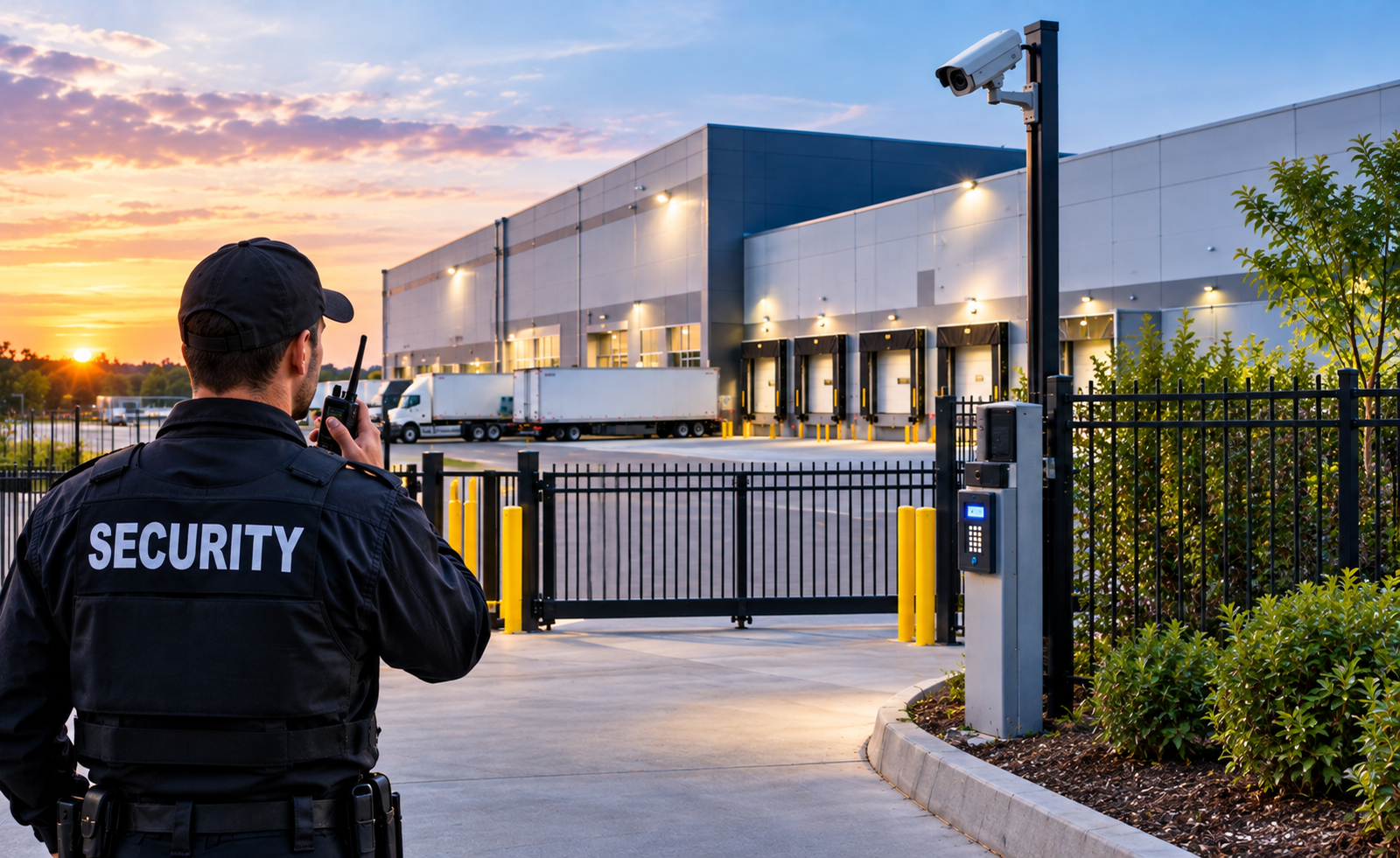
Security begins the moment someone reaches your boundary, so that’s where your defences should start too. A run of heavy-duty industrial security fencing around the edges discourages anyone who shouldn’t be there and gives you defined ways in and out. Size your gates and barriers to the traffic you actually get, which matters most around loading zones and car parks with vehicles coming and going all day. Lighting deserves a mention as well. Get it right, and you erase the shadowy spots that would otherwise escape notice; alongside your CCTV, that lighting helps you keep tabs on a lot of open ground.
Access Control Needs to Match the Complexity of Your Site
Handing everyone a single swipe card falls apart quickly on a multi-zone industrial site. Better systems use multi-level authentication, so a given door only opens for the people who belong on the other side of it. Visitor management adds another useful layer, with screening and sign-in steps that tell you who’s on-site at any given moment. And should something go badly wrong, you’ll be glad of a fast emergency lockdown, particularly one wired straight into your alarms and notifications.
Surveillance Requires Strategic Planning, Not Just More Cameras
Plenty of large properties stumble over the same thing: gaps in coverage. Smart surveillance planning decides where each camera lives so blind spots don’t linger, and that means indoor areas as much as outdoor ones like loading docks and car parks. After hours, remote monitoring really proves its worth, giving your team or a monitoring centre the chance to react to incidents while they’re still unfolding. Sort out your data retention policies too. How long footage sticks around, and who can view it, carries real weight on both operational and legal fronts.
Your People Are a Critical Part of the System
No amount of hardware makes up for staff who aren’t sure what to do. Train your people on emergency procedures, incident reporting, and day-to-day awareness, and every other layer you’ve invested in works harder. Clear signage helps here, quietly guiding employees and visitors along the right paths. When something does go sideways, documented reporting and follow-up steps stop details from slipping away, and they leave you a paper trail for insurers or lawyers down the line.
Don’t Overlook the Digital Side of Physical Security
Cameras, access controls, intercoms – they all sit on your network, which turns them into tempting targets for cyberattacks. Give them the same attention you’d give any IT kit: strong network security, tight limits on who can adjust settings, and updates that actually get installed. Privacy keeps climbing up the priority list too, especially around footage and the personal details your access systems gather. Check that your practices sit comfortably within Australian privacy legislation.
Building a Security Strategy That Holds Up Over Time
You don’t set up security once and walk away. The strategies that endure weave together physical infrastructure, technology, well-prepared staff, and regular reviews that shift as your site and its risks change. Bringing in a qualified security consultant early puts your spending where it counts – targeted, compliant, and built to last!
Author

hyderghumro3@gmail.com
Related Posts

Before You Replace Your HVAC in the Pacific Northwest: A Practical Home Check That Prevents Regret
- 0
- 1,306 word
Replacing a heating and cooling system in the Pacific Northwest is not always a simple equipment swap. Wet winters, occasional freezing mornings,...
Read out all
Pinpointing Gutter Downspout Clogs Before a Storm: A Homeowner’s Diagnostic Guide.
- 0
- 1,200 word
Most gutter problems do not start in the trough. They begin where water must squeeze through the smallest openings, especially the drop...
Read out all
Choosing the Right Replacement Roof for Pacific Northwest Weather
- 0
- 1,114 word
Rain, wind, tree debris, and long stretches of damp weather define the Pacific Northwest. When a roof nears the end of its...
Read out all
A Practical Checklist for Building a Layered Commercial Security Plan
- 0
- 1,073 word
Key Takeaways A comprehensive commercial security plan utilizes multiple measures to protect people, property, and daily operations, rather than relying on a...
Read out all
Top States for Startups: Texas Business Climate Explained
- 0
- 1,296 word
When entrepreneurs compare states for a new business, they usually look beyond the cost of filing paperwork. They want to know whether...
Read out all
Company Registration in Singapore: A First-Year Administrative Checklist
- 0
- 489 words
The first year after incorporation is often demanding. Founders need to attract customers, refine operations, develop products or services, and potentially begin...
Read out all