
- 0
- 2,765 words
Introduction
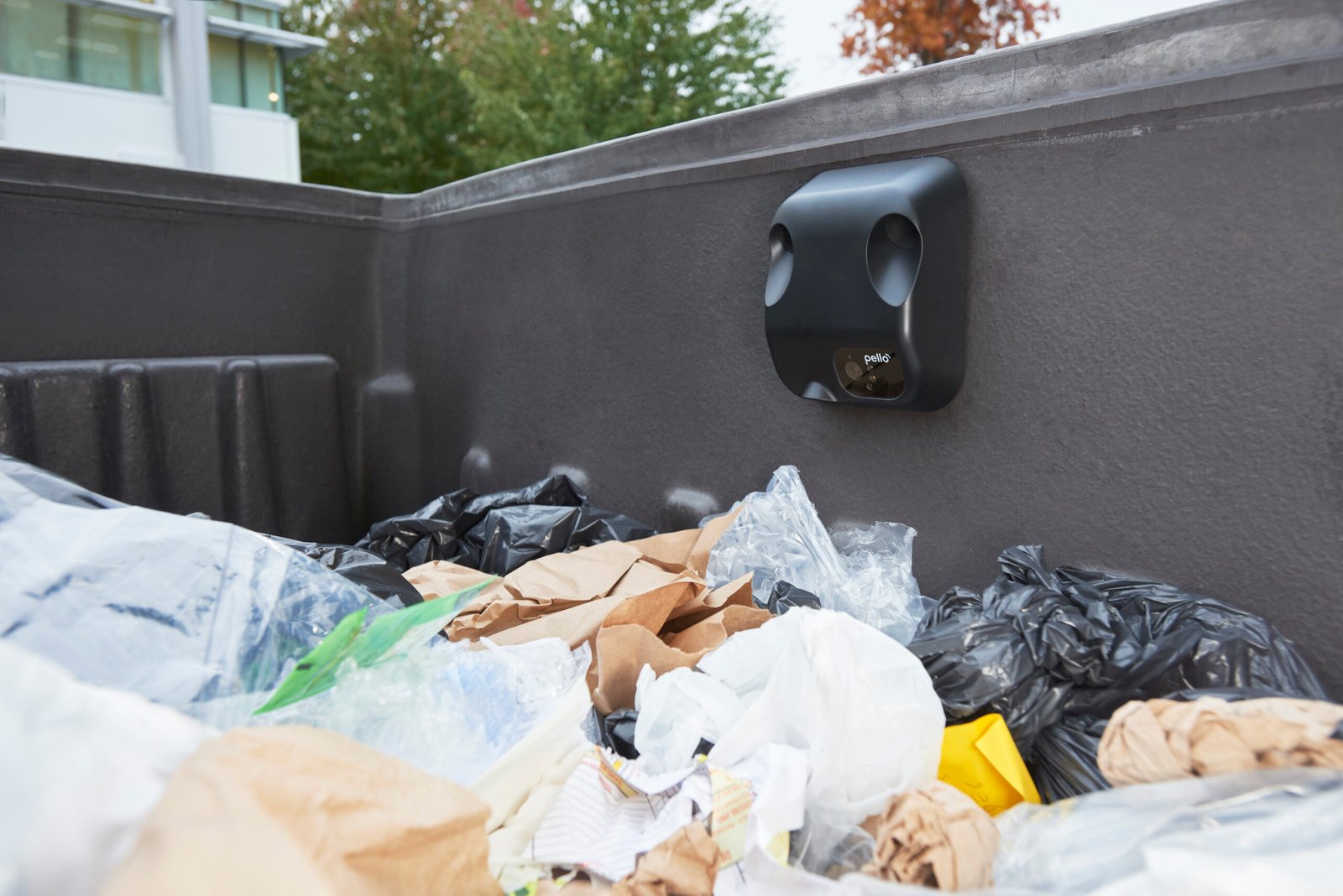
Large cleanup projects can quickly become complicated when unwanted materials accumulate faster than they can be removed. Home renovations, commercial improvements, construction work, property clearances, and major decluttering activities often generate substantial amounts of debris that ordinary household bins cannot accommodate. Without a clear disposal strategy, rubbish can occupy valuable space, obstruct walkways, delay work, and create unnecessary safety concerns. Planning waste management before a project begins helps property owners and contractors maintain organized surroundings, coordinate collection services, and complete cleanup activities more efficiently. Choosing a suitable waste container is an important step toward keeping a large project under control. A 30 yard dumpster can provide substantial capacity for bulky materials and general debris when the waste type and weight remain within the provider’s limits. However, successful waste management involves more than selecting a container with enough space. Customers must also consider the volume of materials, the available placement area, collection schedules, recycling opportunities, and any restrictions affecting disposal. With thoughtful preparation and consistent organization, large cleanup projects can become easier to manage, more cost-effective, and less disruptive to daily activities.
Understanding the Challenges of Large Cleanup Projects
Large cleanup projects often involve several different types of waste, including furniture, cardboard, timber, drywall, broken fixtures, packaging, flooring, and general rubbish. Each material has its own characteristics, and some items may require separate handling or specialized disposal arrangements. When these materials are mixed without a plan, the cleanup process can become confusing and time-consuming. Workers may need to sort debris repeatedly, move items between storage areas, or arrange additional collections because the original disposal plan did not account for the actual waste volume. Identifying the main waste categories early can help prevent these problems. Another common challenge is the limited space available for storing unwanted materials while a project is underway. Renovation teams need room for tools, building supplies, machinery, and safe movement around the work area. When debris begins to accumulate, it can interfere with these essential activities and increase the risk of accidents. Businesses may also need to maintain customer access, employee pathways, and delivery areas while cleanup work continues. A centralized disposal system, combined with a realistic schedule, helps control clutter and keeps the project moving without unnecessary interruptions.
Planning Waste Disposal Before Work Begins
A successful cleanup starts with a clear assessment of the materials that will be removed and the amount of waste the project is expected to generate. Property owners should consider the number of rooms being cleared, the size of furniture or fixtures being discarded, and whether construction or demolition work will produce heavy debris. Making a basic inventory of the expected waste can help determine the appropriate container capacity and identify items that cannot be placed in ordinary waste containers. It is also helpful to consider the project’s duration and the amount of space available for temporary storage. A detailed plan should establish where waste will be collected, how materials will be separated, and who will arrange pickups when necessary. Contractors and property owners should agree on responsibilities before the cleanup begins so that debris does not accumulate simply because nobody is assigned to manage it. The plan should also account for access requirements, loading procedures, and the possible need for additional collection services. Reviewing these details with a waste service provider can help identify restrictions and avoid last-minute changes that may increase costs or delay progress.
Choosing the Right Container for the Project
Selecting the correct container size helps prevent both insufficient capacity and unnecessary rental expenses. Smaller containers may be suitable for limited household cleanouts, while larger units can accommodate substantial quantities of renovation debris, packaging, furniture, and general rubbish. The best choice depends on the project’s waste volume, the size of the materials, the available placement area, and the collection arrangements offered by the provider. Customers should avoid estimating capacity based only on the size of the room being cleared because bulky furniture and construction materials may occupy more space than expected. A 30 yard dumpster may be appropriate for major renovation projects, large property cleanouts, and certain commercial or construction activities that generate considerable amounts of suitable waste. Its large capacity can reduce the need to rely on numerous smaller containers, but customers must still consider weight restrictions and the nature of the materials being discarded. Heavy items such as concrete, soil, bricks, and stone can reach the permitted weight limit before the container is full. Discussing the project details with the rental provider helps determine whether a large container is suitable or whether a different arrangement would be more practical.
Estimating Waste Volume and Weight
Estimating waste accurately is essential for managing disposal expenses and avoiding unnecessary service interruptions. Customers should consider the volume of furniture, building materials, packaging, and miscellaneous rubbish likely to be generated during each stage of the project. Breaking down suitable bulky items can improve space efficiency, while measuring large objects can provide a clearer picture of the capacity required. It is also important to include materials that may be overlooked during initial planning, such as protective coverings, damaged supplies, and packaging from new equipment or fixtures. Volume and weight should be assessed separately because they affect container selection in different ways. Lightweight materials such as cardboard and plastic packaging may fill a container without adding much weight, whereas dense materials can quickly reach transportation limits. Customers should confirm the provider’s weight allowance and explain whether the project includes heavy construction debris or mostly general household waste. Keeping track of how quickly the container fills can also help identify whether the original estimate was accurate. Better estimates support more predictable costs and make it easier to coordinate the cleanup schedule.
Preparing a Safe and Accessible Placement Area
The location selected for a waste container can influence delivery, loading, and collection throughout the project. The placement area should provide a stable surface, sufficient clearance, and convenient access for both workers and collection vehicles. Customers should measure the available space and consider nearby buildings, fences, overhead branches, parked vehicles, and other potential obstacles. A container that does not fit the intended area can create delays or require a different placement arrangement, so confirming dimensions and delivery requirements beforehand is important. A 30 yard dumpster requires adequate space for the container itself and for the vehicle used to deliver and remove it. Customers should ask the provider about access clearances, surface requirements, and any precautions recommended for driveways or finished surfaces. The container should not block emergency exits, essential pathways, loading zones, or access to utilities. Where practical, placing it near the main source of waste can reduce the distance materials must be carried, although safe movement and vehicle access must remain priorities. A well-prepared placement area makes the entire cleanup process more convenient and organized.
Organizing Waste During the Cleanup
A centralized collection point helps keep unwanted materials from spreading throughout the property. Instead of allowing debris to accumulate in rooms, hallways, driveways, or work areas, workers can move accepted waste to a designated container as the project progresses. This approach makes it easier to maintain clear pathways and helps supervisors monitor the amount of rubbish being generated. It also reduces the likelihood that materials will need to be moved several times before they are finally removed. Consistent organization can save time and support safer working conditions. Clear instructions help everyone involved understand which materials belong in the main container and which need separate handling. Designated areas can be established for recyclable items, reusable furniture, hazardous materials, and ordinary rubbish, depending on the project’s requirements. Labels and simple signs can reduce confusion, particularly when several contractors or household members are participating in the cleanup. Supervisors should inspect the collection area regularly and address problems before they become difficult to manage. A straightforward system is easier to maintain when responsibilities are clearly assigned and procedures remain consistent.
Loading Materials Efficiently and Responsibly
Efficient loading allows customers to use available container space while maintaining safe working conditions. Suitable bulky items can sometimes be dismantled before disposal to reduce the amount of unused space, while smaller materials can be arranged around larger objects. However, materials should not be stacked in unstable piles or loaded in ways that make the container unsafe to transport. Workers should follow the provider’s instructions regarding weight distribution, fill lines, and prohibited materials. Careful loading reduces wasted capacity and helps prevent items from falling out during collection. Heavy materials should be handled with particular care because they can cause injuries and may exceed container weight limits. Customers should avoid placing excessive amounts of concrete, soil, masonry, or other dense debris into a container designed for lighter waste. Workers should never climb inside a container to rearrange materials or attempt to force additional rubbish into an overloaded unit. When capacity is reached, arranging an additional pickup or replacement is generally safer than continuing to load beyond the permitted limit. Following safe loading practices protects workers, nearby property, and collection personnel.
Separating Recyclable and Reusable Materials
Large cleanup projects often produce materials that can be reused or recycled rather than sent directly for disposal. Cardboard, metal, suitable timber, certain plastics, and some construction materials may be accepted by recycling facilities, depending on their condition and local processing options. Furniture, cabinets, doors, and fixtures that remain in good condition may be suitable for donation or reuse. Identifying these items before loading the main container can help recover useful resources and reduce the overall amount of waste requiring disposal. It may also help keep recyclable materials cleaner and easier to process. A 30 yard dumpster can form part of a broader waste management plan, but it should not automatically be treated as the destination for every discarded item. Customers should confirm which materials the provider accepts and establish separate arrangements for items that require recycling, donation, or specialized handling. Mixing prohibited materials with ordinary rubbish can create safety concerns, lead to additional charges, or prevent certain materials from being recovered. A dedicated sorting area makes it easier to separate items as they are removed from the property. Combining reuse, recycling, and responsible disposal supports a cleaner and more sustainable cleanup process.
Managing Costs and Avoiding Unexpected Fees
Waste disposal expenses can include container rental, delivery, pickup, disposal charges, additional weight fees, and rental extensions. Customers should understand which services are included in the quoted price and which circumstances may create additional costs. For example, exceeding the weight allowance or placing prohibited materials in the container may lead to extra charges. Comparing providers based only on the lowest advertised price can be misleading if the service terms differ considerably. A clear understanding of the total expected cost helps property owners establish a realistic budget and avoid unpleasant surprises. Cost control begins with selecting a container that matches the project instead of choosing a size based on guesswork. A container that is too small may require additional collections, while an unnecessarily large option may cost more than the waste volume justifies. Customers should ask about the rental period, collection procedures, weight limits, accepted materials, and extension fees before confirming an order. Monitoring how quickly waste accumulates can also help determine whether the collection schedule needs adjustment. These steps support more predictable expenses without compromising cleanliness or safety.
Maintaining Safety Throughout the Project
Keeping the cleanup area organized is essential for reducing common workplace hazards. Loose nails, broken glass, sharp metal, splintered timber, and scattered debris can cause injuries when they remain on floors or pathways. Workers should remove waste regularly instead of allowing it to accumulate until the end of the day or project. Appropriate protective equipment should be used when handling sharp, heavy, dusty, or awkward materials, and lifting procedures should reflect the weight and shape of each item. A consistent cleanup routine helps maintain clearer work areas and reduces unnecessary movement around obstacles. Safety procedures should also address materials that may require specialized handling. Batteries, chemicals, solvents, certain electronic devices, and suspected asbestos-containing materials should not be placed in ordinary waste containers without confirming the applicable requirements. Suspected asbestos should not be disturbed by unqualified workers and should be assessed and managed by qualified professionals. Workers should know how to identify questionable materials and report them to the project supervisor. Establishing these procedures before cleanup begins helps prevent accidental exposure, improper disposal, and avoidable disruptions.
Managing Residential and Commercial Cleanup Projects
Residential cleanouts often involve removing unwanted furniture, old appliances, damaged flooring, household clutter, and materials left over from renovation work. Homeowners may also need to clear garages, basements, storage rooms, or entire properties before moving or preparing a building for sale. Planning the work room by room can make the process easier to manage and help identify items suitable for donation or recycling. A centralized disposal arrangement allows unwanted materials to be removed gradually while keeping the rest of the property accessible. Commercial cleanup projects may include office relocations, retail renovations, warehouse reorganizations, and improvements to restaurants or other business facilities. These activities can generate shelving, packaging, damaged equipment, furniture, and discarded building materials that require careful coordination. Businesses should consider employee access, customer movement, delivery schedules, and the need to keep essential operations running during cleanup. Assigning responsibilities and arranging collections around the work schedule can reduce disruption. A well-planned disposal system helps businesses maintain professional surroundings while completing large cleanup tasks more efficiently.
Working With a Reliable Waste Rental Provider
A dependable waste service provider can simplify container selection, delivery, collection, and disposal arrangements. Customers should look for clear pricing, suitable container options, reliable scheduling, and straightforward information about accepted materials. Before booking, explain the project type, estimated waste volume, expected rental period, and any unusual materials that may be generated. This information helps the provider recommend an appropriate arrangement and identify potential restrictions before delivery. Clear communication can prevent misunderstandings and make it easier to resolve questions during the project. Customers should also confirm how to request pickups, extend the rental period, or arrange additional capacity if waste generation exceeds expectations. Large projects do not always proceed according to the original schedule, so responsive service can be valuable when plans change. Reviewing the service agreement helps clarify responsibilities, weight allowances, collection timing, and possible additional charges. Keeping booking details accessible allows project managers or homeowners to communicate quickly when needed. Choosing a provider based on reliability and suitability can contribute to a smoother and more predictable cleanup experience.
Creating a Practical Cleanup Schedule
A realistic schedule helps ensure that waste removal keeps pace with the work being completed. Renovation projects may generate substantial debris during demolition, followed by smaller quantities of packaging and offcuts during installation and finishing. Planning collections around these stages can prevent the container from filling at an inconvenient time. Supervisors should monitor container capacity and communicate with the provider when an additional pickup or replacement may be necessary. This coordination helps avoid unnecessary interruptions and keeps work areas available for upcoming tasks. The schedule should also include regular inspections of the surrounding area, particularly when several people are working on the same project. Loose rubbish should be collected, access routes should remain clear, and recyclable materials should be separated before contamination occurs. If the project takes longer than expected, customers should review the rental period and arrange an extension when required. A final cleanup should be planned before equipment is removed or the property is handed over. Consistent scheduling helps make waste management a natural part of the project instead of a last-minute responsibility.
Conclusion
Large cleanup projects become easier to manage when waste disposal is planned carefully and supported by consistent organization. Assessing the expected waste volume, choosing an appropriate container, preparing a safe placement area, and arranging reliable collections can prevent many common problems. Separating recyclable materials, following safe loading procedures, and identifying items that require specialized disposal further improves the process. These measures help maintain cleaner surroundings, reduce unnecessary expenses, and support efficient progress during renovations, construction activities, and property clearances. A 30 yard dumpster can be a useful option for projects that produce a substantial amount of suitable waste, provided its capacity and weight restrictions match the materials being discarded. However, effective waste management depends on more than container size alone. Customers should understand rental terms, coordinate collection schedules, maintain safe access, and establish clear procedures for sorting and loading materials. By preparing in advance and working with a reliable service provider, property owners and contractors can simplify cleanup activities, manage costs more effectively, and maintain a safer, more organized environment from the beginning of the project to its completion.
Author

thedailygurdian@gmail.com
Related Posts

Startup Booted Fundraising Strategy: A Complete Guide to Building and Growing a Business Without External Investment
- 0
- 2,701 words
Starting a business is an exciting journey, but finding enough money to turn an idea into a successful company can be challenging....
Read out all
Manga District: Exploring the World of Manga, Online Reading, and Japanese Comics
- 0
- 2,182 words
Introduction Manga has become one of the most popular forms of entertainment worldwide. What started as a distinctive Japanese storytelling tradition has...
Read out all
Malaysian Assurance Alliance: History, Growth, Insurance Services, and Its Connection to Zurich
- 0
- 2,699 words
The Malaysian insurance industry has experienced significant growth and transformation over the years. Several companies have contributed to this development by introducing...
Read out all
Colegia: Understanding Its Meaning, Features, Benefits, and Growing Importance in the Digital World
- 0
- 2,232 words
Introduction The internet has introduced countless new words, platforms, services, and concepts that influence how people communicate, learn, and access information. One...
Read out all
Playground Equipment: Creating Safe, Engaging, and Fun Outdoor Play Spaces for Children
- 0
- 2,914 words
Outdoor play is an essential part of childhood development, providing children with opportunities to explore, learn, socialize, and develop important physical and...
Read out all
Professional Fire and Water Damage Restoration: Bringing Damaged Properties Back to Life
- 0
- 3,350 words
Unexpected property damage can create serious challenges for homeowners, business owners, and property managers. Fires, plumbing failures, flooding, storms, and appliance malfunctions...
Read out all