
- 0
- 2,825 words
Introduction
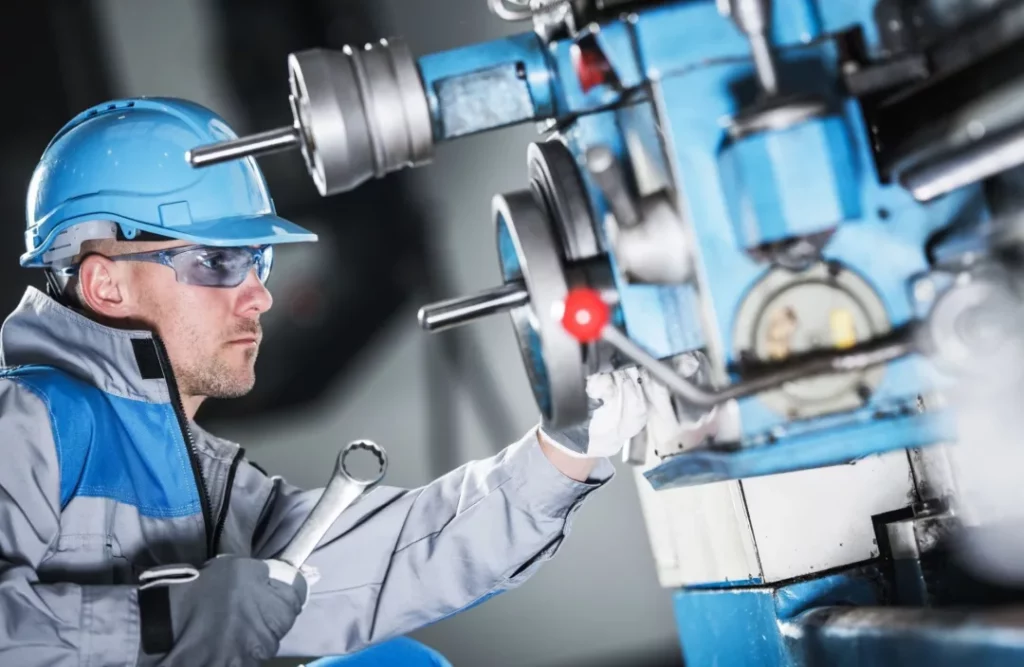
Mechanical equipment plays an essential role in industrial facilities, manufacturing plants, workshops, commercial buildings, and many other business environments. Machines such as motors, pumps, compressors, conveyors, gearboxes, and hydraulic systems help organizations complete daily tasks efficiently and maintain consistent productivity. However, continuous operation, environmental conditions, and natural component wear can gradually affect equipment performance. Without proper maintenance, minor faults may develop into serious mechanical problems that increase operating expenses, interrupt workflows, and reduce the useful life of valuable machinery. Mechanical repair is an important part of an effective maintenance strategy because it helps restore equipment functionality when components become damaged or stop operating correctly. A reliable approach combines regular inspections, accurate fault diagnosis, timely servicing, and appropriate replacement parts to keep machines in suitable working condition. Businesses that prioritize maintenance can identify potential problems earlier, reduce unexpected downtime, and improve workplace safety. By developing a structured maintenance plan, organizations can protect their equipment investments, manage repair costs, and support dependable performance over the long term.
Understanding the Importance of Equipment Maintenance
Equipment maintenance involves the activities required to preserve machinery, identify developing faults, and ensure that components operate according to their intended purpose. These activities may include cleaning, lubrication, tightening connections, inspecting moving parts, checking operating temperatures, and replacing worn components. Each machine has different maintenance requirements depending on its design, workload, operating environment, and manufacturer recommendations. Understanding these requirements allows maintenance teams to establish suitable inspection schedules and prevent avoidable damage. Regular maintenance also helps organizations maintain more predictable operations. When machines receive appropriate attention, they are less likely to experience sudden failures that interrupt production or delay important tasks. Maintenance records provide useful information about equipment condition, recurring problems, and previous servicing activities. Managers can use these records to plan future work, allocate budgets, and determine which machines require additional attention. A consistent maintenance routine supports operational stability while helping businesses make informed decisions about equipment performance and long-term asset management.
Common Causes of Mechanical Equipment Failure
Mechanical equipment may develop faults because of normal wear, insufficient lubrication, excessive operating loads, poor installation, contamination, or inadequate servicing. Bearings can deteriorate after prolonged use, belts may become loose, and gears can suffer damage when components are misaligned or exposed to unsuitable operating conditions. Dust, moisture, and extreme temperatures can also accelerate deterioration, particularly when machinery operates in demanding environments. Recognizing these factors helps maintenance teams understand why equipment fails and identify measures that may reduce future problems. Operating equipment beyond its intended capacity can place excessive stress on motors, shafts, couplings, and other components. Incorrect operating procedures may create additional strain, while neglected inspections can allow small defects to remain unnoticed. In some situations, repeated failures occur because the underlying cause has not been properly identified. Replacing a damaged part without correcting misalignment, contamination, or excessive loading may only provide temporary relief. A comprehensive maintenance strategy investigates the causes of failure and addresses the conditions that contribute to repeated damage.
Developing a Structured Maintenance Plan
A structured maintenance plan helps organizations organize inspections, servicing activities, repairs, and equipment performance reviews. The plan should begin with an inventory of essential machinery, including information about equipment type, age, operating requirements, and maintenance history. Managers should identify which machines are most important to daily operations and determine how their failure could affect production, safety, and business continuity. This assessment allows maintenance teams to prioritize their resources and establish appropriate service intervals for different assets. Maintenance schedules should reflect manufacturer recommendations, operating hours, equipment condition, and environmental factors. Some machines may require daily visual inspections, while others need periodic lubrication, calibration, or detailed technical assessments. Responsibilities should be clearly assigned so that operators and technicians understand which tasks they must complete and how to report problems. Keeping accurate records of inspections and completed work helps prevent missed maintenance activities. A well-organized plan makes equipment care more consistent and helps businesses prepare for both routine servicing and unexpected repair requirements.
Recognizing Early Warning Signs
Equipment often displays warning signs before a major breakdown occurs. Unusual noises, excessive vibration, overheating, fluid leaks, reduced output, and inconsistent movement may indicate that a component requires inspection. Changes in energy consumption or operating speed can also suggest that machinery is experiencing increased resistance or developing an internal fault. Operators who understand normal equipment behavior can identify these changes and report them before they become more serious. Early detection provides technicians with an opportunity to investigate the problem while the equipment may still be easier to service. Ignoring warning signs can increase the likelihood of extensive damage and create unnecessary safety risks. For example, a worn bearing may generate vibration that affects nearby components, while a loose belt can reduce performance and damage related drive mechanisms. Operators should follow established reporting procedures rather than attempting unauthorized adjustments or continuing to use equipment that may be unsafe. Maintenance personnel can examine the symptoms, review operating conditions, and determine whether the machine requires immediate attention. Prompt action can reduce downtime and prevent a relatively minor fault from affecting the wider system.
The Role of Accurate Fault Diagnosis
Accurate diagnosis is essential for selecting an appropriate repair and preventing recurring equipment problems. Different mechanical faults can produce similar symptoms, making it important to examine the equipment systematically before replacing parts. Excessive vibration, for example, may result from misalignment, an unbalanced rotating assembly, loose fasteners, damaged bearings, or an unsuitable mounting surface. Each possibility requires a different corrective approach, so relying on assumptions can lead to unnecessary expenses and incomplete repairs. Technicians may use visual inspections, vibration analysis, temperature measurements, lubrication checks, and specialized diagnostic tools to identify the cause of a malfunction. Reviewing equipment manuals and previous service records can provide additional information about operating requirements and recurring issues. Mechanical repair becomes more effective when the selected solution addresses the underlying fault rather than merely correcting its visible symptoms. Once the cause has been established, technicians can determine whether adjustment, component replacement, or a more extensive repair is necessary. Appropriate testing after the work helps verify that the equipment has returned to suitable operating condition.
Maintaining Bearings, Gears, and Moving Parts
Bearings, gears, shafts, belts, and couplings are essential components in many mechanical systems because they support movement and transfer force between connected parts. Over time, friction, heavy workloads, contamination, and inadequate lubrication can cause these components to deteriorate. Warning signs may include grinding sounds, uneven movement, excessive heat, unusual vibration, or a decline in operating efficiency. Routine inspections help identify damaged components before they affect other parts of the machine and create a more extensive maintenance problem. Maintenance procedures should follow the manufacturer’s specifications and account for the equipment’s working conditions. Bearings may require suitable lubrication, while gear assemblies may need inspection for alignment, wear, and fluid condition. Belts and chains should be checked for tension, damage, and correct positioning. When replacement becomes necessary, technicians should use compatible components and follow proper installation procedures. Incorrect fitting can cause premature wear and reduce overall reliability. Careful maintenance of moving parts supports smoother operation, improves efficiency, and helps extend equipment service life.
Improving Lubrication and Reducing Wear
Lubrication reduces friction between moving surfaces and helps protect components from excessive heat and premature deterioration. Bearings, gears, shafts, and other assemblies may require specific lubricants designed for their operating temperatures, loads, and environmental conditions. Insufficient lubrication can increase friction, while an unsuitable product may fail to provide adequate protection. Contamination from dust, moisture, or incompatible substances can also reduce lubricant effectiveness and contribute to component damage. A suitable lubrication program should identify the correct product, application method, quantity, and servicing interval for each machine. Maintenance personnel should inspect lubrication points, check for leakage, and monitor changes in lubricant condition. Excessive lubrication can cause problems in certain assemblies, so workers should follow established specifications instead of assuming that more lubricant always produces better results. Recording completed lubrication tasks helps maintain consistency and makes it easier to identify recurring issues. Proper lubrication supports smooth movement, reduces avoidable wear, and improves the reliability of mechanical systems.
Maintaining Motors, Pumps, and Compressors
Motors, pumps, and compressors support many industrial and commercial processes. Motors provide mechanical power, pumps move liquids through connected systems, and compressors increase the pressure of air or other gases for particular applications. These machines can develop faults involving bearings, seals, impellers, valves, lubrication systems, or electrical components. Reduced output, overheating, unusual vibration, leakage, and inconsistent pressure may indicate that an inspection is necessary. Because these machines often support essential operations, timely maintenance is important for limiting disruptions. The appropriate repair depends on the machine’s design and the nature of the problem. A pump may require seal replacement, impeller inspection, or attention to fluid conditions, while a compressor may need servicing of its valves, filters, or pressure controls. Motor problems may involve mechanical or electrical faults, so qualified technicians should evaluate the relevant systems before deciding on corrective work. Equipment must be isolated safely before maintenance begins, and stored pressure or energy should be released where necessary. Testing after servicing helps confirm that the machine operates within its intended performance limits.
Addressing Alignment and Vibration Problems
Correct alignment is essential for rotating equipment that uses shafts, pulleys, couplings, and connected drive assemblies. Misalignment can increase vibration, place excessive loads on bearings, damage seals, and reduce operating efficiency. It may develop because of installation errors, loose mounting points, foundation movement, thermal expansion, or gradual component deterioration. If these conditions remain unresolved, the resulting stress can damage several connected parts and cause repeated failures. Regular inspection helps identify alignment problems before they lead to extensive repairs. Technicians can use suitable alignment tools and measurement methods to assess the position of connected components. Corrective work may involve adjusting mounting points, tightening fasteners, correcting foundation issues, or replacing damaged couplings. Vibration analysis can provide additional information about imbalance, looseness, and other mechanical conditions that affect performance. A reliable maintenance strategy addresses both the immediate symptoms and the underlying factors responsible for the problem. Once adjustments are complete, the equipment should be tested under appropriate conditions to verify that vibration and operating behavior have improved.
Maintaining Hydraulic and Pneumatic Systems
Hydraulic and pneumatic systems use pressurized fluids or compressed air to produce controlled movement and force. They are commonly used in lifting equipment, production machinery, automated assemblies, and material-handling systems. Common problems include leaking hoses, damaged seals, blocked filters, faulty valves, contaminated fluids, and irregular pressure. These faults can reduce performance, slow machine movement, or prevent equipment from completing its intended tasks. Routine inspections help identify developing problems and reduce the likelihood of unexpected failures. Hydraulic systems may require fluid checks, hose inspections, seal replacement, and pressure testing, while pneumatic equipment may need attention to filters, regulators, valves, and compressed-air leaks. Because these systems can store dangerous amounts of energy, maintenance must be performed by trained personnel using appropriate isolation and pressure-release procedures. Replacement parts should meet the system’s pressure and compatibility requirements. Following proper servicing procedures helps restore functionality and reduce energy waste. Regular maintenance also supports safer operation and helps prevent minor leaks or pressure irregularities from becoming larger problems.
Prioritizing Workplace Safety During Repairs
Safety should remain a priority throughout every inspection, servicing activity, and repair procedure. Mechanical equipment may contain moving parts, heavy components, hot surfaces, sharp edges, stored pressure, and electrical energy. Before work begins, personnel should identify hazards and isolate equipment using the appropriate lockout and tagging procedures. Machines should not be restarted while technicians are working on them, and protective guards must be restored before equipment returns to normal operation. Clear communication between operators and maintenance teams helps prevent accidental activation and reduces the risk of injury. Workers should use suitable protective equipment, approved tools, and appropriate lifting methods for each task. Heavy assemblies may require mechanical lifting devices, while hydraulic and pneumatic equipment may need additional precautions to release stored energy. Machinery that presents an immediate hazard should be clearly identified and kept out of service until it can be operated safely. After work is completed, technicians should inspect the work area, reinstall protective components, and perform the required safety checks. Consistent safety procedures protect employees, support regulatory compliance, and reduce the risk of further equipment damage.
Reducing Downtime and Improving Productivity
Unexpected equipment failures can interrupt production schedules, delay deliveries, increase labor expenses, and affect several connected operations. In a facility where machines depend on one another, a single breakdown may reduce the performance of an entire production line. Preventive inspections and planned servicing help reduce these interruptions by identifying potential faults before they become critical. Businesses can also improve their response by identifying essential equipment and establishing clear procedures for reporting and addressing problems. Timely mechanical repair can help restore functionality when a fault affects an important machine. Organizations should maintain clear communication between operators, maintenance personnel, and production managers so that repair priorities are understood. Keeping commonly required replacement parts available may shorten delays when a component fails. Managers should also review previous downtime incidents to identify recurring problems and opportunities for improvement. By combining preventive maintenance with an organized repair process, businesses can improve equipment availability, maintain production consistency, and use resources more effectively.
Managing Maintenance Costs and Budgets
Maintenance expenses may include labor, replacement parts, diagnostic testing, scheduled servicing, and emergency service calls. Although regular maintenance requires planned investment, it can help prevent larger expenses associated with severe damage or extended downtime. Equipment failure may also create indirect costs through delayed orders, idle employees, reduced production, and disrupted business commitments. Understanding these wider effects helps organizations assess the financial value of maintenance activities and develop realistic budgets. Managers should compare repair expenses with equipment condition, expected service life, and the potential consequences of another failure. Repeated breakdowns may indicate that a machine is approaching the end of its useful life or that an underlying problem remains unresolved. Accurate service records help identify these patterns and support better financial decisions. Businesses should allocate resources for routine inspections, commonly required parts, and unexpected maintenance needs. This balanced approach helps control operating expenses without compromising equipment safety or reliability.
Extending Equipment Service Life
Extending the service life of machinery requires responsible operation, consistent inspections, suitable lubrication, and timely corrective work. Equipment should be used within its designed capacity and maintained according to manufacturer instructions. Excessive loading, contamination, improper settings, and neglected servicing can accelerate component wear and shorten the useful life of an asset. Regular cleaning and inspection help preserve suitable operating conditions while allowing technicians to identify problems before they become more serious. Operators should receive training on proper equipment use and understand how to report unusual noises, vibration, heat, leakage, or performance changes. Maintenance teams should record completed work, replaced components, and recurring faults to support informed decisions about future servicing. When the same problem occurs repeatedly, technicians should investigate the underlying cause rather than continuing to replace the same component without further assessment. Combining preventive care with professional servicing helps protect equipment investments and maintain dependable performance over time.
Deciding When to Repair or Replace Equipment
Repairing existing machinery may be a practical option when the fault is manageable and the equipment can continue meeting operational requirements. However, replacement may become more suitable when a machine is severely damaged, inefficient, outdated, or repeatedly unreliable. Businesses should compare repair costs with expected remaining service life, future maintenance requirements, energy consumption, and the consequences of another breakdown. This evaluation helps ensure that decisions reflect long-term value rather than immediate expenses alone. Managers should also consider safety, compatibility with existing systems, replacement part availability, and the potential benefits of newer technology. Modern equipment may offer improved efficiency and enhanced safety features, but purchasing and installation can involve significant investment. Repairing an existing machine may allow operations to resume sooner when suitable parts and technical expertise are available. A structured assessment helps organizations select the most appropriate solution for their operational needs. Documenting the reasoning behind the decision can also improve future asset planning and budgeting.
Conclusion
Building a reliable maintenance strategy is essential for maintaining equipment performance, reducing unexpected failures, and supporting long-term operational efficiency. Mechanical systems can deteriorate because of normal wear, inadequate lubrication, misalignment, contamination, and demanding working conditions. Regular inspections, accurate diagnosis, appropriate servicing, and responsible operation help businesses identify problems early and protect valuable machinery. A structured approach also makes it easier to manage repair costs, improve safety, and maintain consistent productivity. Mechanical repair delivers the greatest value when it forms part of a comprehensive maintenance program that includes preventive servicing, operator training, safety procedures, and accurate recordkeeping. Businesses that respond promptly to warning signs and work with qualified technicians can reduce avoidable downtime and extend equipment service life. Every machine has unique operating requirements, so maintenance decisions should reflect manufacturer guidance, workload, equipment condition, and workplace safety standards. With consistent care and informed planning, organizations can improve equipment reliability, control operating expenses, and maintain stronger long-term performance.
Author

thedailygurdian@gmail.com
Related Posts

Commercial Roof Replacement: A Protecting Your Property and Improving Building Performance
- 0
- 3,701 words
Introduction Maintaining a commercial property requires regular attention to structural conditions, building materials, and essential maintenance systems. Among these responsibilities, the roof...
Read out all
Trenchless Sewer Line Repair: A Modern Solution for Efficient and Long-Lasting Pipe Restoration
- 0
- 3,280 words
Maintaining a properly functioning sewer system is essential for residential, commercial, and industrial properties. Sewer lines transport wastewater away from buildings and...
Read out all
Franchise Resale: A Complete Guide to Buying, Selling, and Maximizing the Value of an Established Franchise Business
- 0
- 3,381 words
Introduction Starting a business from the ground up can be an exciting opportunity, but it also involves considerable planning, financial investment, uncertainty,...
Read out all
Stone Veneer: Enhance Your Property with Elegant, Durable, and Versatile Wall Finishes
- 0
- 3,540 words
Introduction Creating an attractive and welcoming property involves choosing materials that combine visual appeal, durability, and long-term functionality. Exterior and interior walls...
Read out all
Driveway Gate Installation: Enhancing Property Security, Privacy, and Curb Appeal
- 0
- 2,934 words
A driveway gate is an important addition to any residential or commercial property because it provides controlled access, improves security, and creates...
Read out all
Drain Cleaning: Essential Solutions for Maintaining a Clean and Efficient Plumbing System
- 0
- 3,313 words
Introduction A properly functioning drainage system is essential for maintaining a clean, comfortable, and hygienic property. Whether in a residential home, commercial...
Read out all