
- 0
- 2,490 words
Maintaining outdoor property requires regular attention to unwanted plants, overgrown shrubs, thick weeds, and accumulated natural debris. When vegetation grows without proper maintenance, it can block pathways, conceal hazards, interfere with drainage, and make outdoor spaces difficult to access. Excessive growth may also reduce the appearance of a property and create additional challenges for landscaping, construction, and routine maintenance. Professional vegetation management helps property owners control unwanted growth, improve accessibility, and create cleaner, more functional outdoor environments. By understanding effective removal methods, equipment requirements, safety precautions, and long-term maintenance strategies, property owners can protect their land and maintain better outdoor conditions throughout the year.
Understanding the Importance of Vegetation Management
Vegetation management plays an important role in maintaining residential, commercial, and undeveloped properties. Plants provide shade, support wildlife, and enhance the appearance of outdoor spaces, but uncontrolled growth can create practical difficulties. Dense weeds and shrubs may spread across open ground, conceal rocks or debris, and make routine inspections more challenging. In some situations, thick vegetation can interfere with drainage, restrict access to buildings, and prevent property owners from using their land effectively. Regular maintenance helps control these issues while preserving healthy plants that contribute positively to the surrounding landscape. A well-maintained property is generally easier to inspect, navigate, and manage. Removing unwanted growth can reveal damaged fencing, uneven ground, drainage concerns, and other conditions that might otherwise remain hidden. It can also create more usable space for landscaping, outdoor recreation, construction preparation, and other property improvements. The goal should not necessarily be to remove every plant, but to identify vegetation that interferes with the property’s intended use. A balanced approach allows property owners to maintain an attractive landscape while reducing the problems associated with uncontrolled undergrowth.
How Professional Vegetation Management Works
Professional vegetation management begins with an assessment of the property’s current condition and the owner’s objectives. Contractors examine the density of plant growth, the types of vegetation present, the terrain, and any obstacles that could affect the work. They also identify trees, shrubs, garden features, and other elements that should remain undisturbed. This assessment helps determine whether manual removal, powered cutting equipment, or specialized machinery will be most appropriate. Careful planning reduces unnecessary disturbance and helps ensure that the finished area meets the property’s practical requirements. After the assessment, the work usually involves removing selected vegetation, collecting cut material, and addressing any concerns exposed during the process. Depending on the project, contractors may also need to manage invasive plants, remove fallen branches, or prepare access routes for future improvements. The final stage may include inspecting the cleared area, checking for remaining hazards, and recommending follow-up maintenance. A structured process helps property owners understand what will be completed and what additional work may be necessary. Clear communication between the contractor and property owner also reduces misunderstandings and supports a more organized project.
Improving Property Appearance and Overall Usability
Overgrown vegetation can make even a well-maintained property appear neglected. Thick weeds, tangled shrubs, and uncontrolled growth may cover visible landscape features and create an uneven appearance across the ground. Removing unwanted plants can reveal the natural layout of the property, improve visibility, and create a more organized outdoor environment. These improvements are useful for residential yards, commercial grounds, vacant land, and other properties where appearance and accessibility matter. Maintaining a clean landscape can also make routine tasks such as mowing, gardening, and inspecting outdoor structures much easier. Professional brush clearing can help property owners reclaim areas that have become difficult to use because of excessive vegetation. Open spaces can be prepared for landscaping, outdoor seating, garden installations, storage areas, and other improvements that require accessible ground. However, the most effective approach does not always involve removing every plant. Retaining suitable trees, healthy ground cover, and attractive shrubs can preserve the character of the landscape while eliminating growth that creates practical problems. Selective management produces a more balanced result and helps maintain the property’s natural features.
Improving Access to Difficult Areas
Dense vegetation can prevent property owners from reaching important areas of their land. Overgrown plants may block gates, cover walking paths, surround storage buildings, and make fences difficult to inspect. In some cases, thick growth can also restrict access to drainage channels, utility features, and other areas that require regular maintenance. Clearing these obstructions makes the property easier to navigate and allows owners to identify concerns that might otherwise remain hidden. Better access can also reduce the time required to complete landscaping, repairs, and routine inspections. Access improvements are particularly useful when preparing a property for future construction or outdoor development. Contractors may need sufficient working space to install fencing, repair drainage systems, prepare garden beds, or transport materials safely. Removing unwanted vegetation helps expose the underlying ground so that its condition can be evaluated before additional work begins. Property owners should identify the areas that need to remain accessible and communicate those requirements before work starts. Planning access routes carefully helps prevent unnecessary disturbance to lawns, established trees, and other landscape features.
Reducing Potential Fire Hazards
Unmanaged vegetation can contribute to fire hazards when dry plant material accumulates around buildings and outdoor spaces. Dead grasses, dried leaves, fallen branches, and dense undergrowth may provide combustible material during hot, dry, and windy conditions. Reducing this accumulation in appropriate areas can help limit some risks and improve access for routine property maintenance. Property owners should pay particular attention to the condition of vegetation near structures, access routes, and other areas identified in applicable fire safety guidance. Regular inspections help determine when additional maintenance is necessary. Effective vegetation management should be part of a broader safety plan rather than treated as a complete solution to fire risk. The appropriate measures depend on local conditions, plant types, weather patterns, and relevant regulations. Some properties may benefit from removing dead vegetation, maintaining suitable clearances, and keeping access routes unobstructed. Others may require guidance from qualified fire safety or land management professionals. It is also important to avoid removing healthy vegetation unnecessarily because plants help stabilize soil and support wildlife. A balanced approach can improve property conditions while maintaining important landscape functions.
Controlling Invasive Plants and Unwanted Growth
Invasive plants can spread quickly and compete with desirable vegetation for sunlight, water, nutrients, and growing space. Certain species reproduce through seeds, while others spread through underground roots or stems that remain active after the visible plant has been cut. Simply removing the upper growth may therefore provide only temporary results if the root system remains intact. Identifying the plant species before selecting a treatment method is important, particularly when dealing with unfamiliar or aggressive vegetation. Appropriate management depends on the plant’s biology and the surrounding environmental conditions. Professional brush clearing can support invasive plant management by removing unwanted growth and making affected areas easier to monitor. Depending on the species, the process may involve cutting, pulling, digging, repeated inspections, or using an appropriate treatment when permitted and necessary. Removed material must be handled carefully because some plants can spread through seeds, roots, or discarded fragments. Contractors should follow relevant disposal guidance and avoid moving contaminated plant material to unsuitable locations. Continued monitoring after the initial work helps property owners detect regrowth early and prevent invasive vegetation from becoming established again.
Protecting Soil and Managing Drainage
Soil protection is an important consideration whenever vegetation is removed. Plant roots help hold soil in place, while leaves and ground cover reduce the impact of rainfall on exposed surfaces. Removing too much vegetation can leave soil vulnerable to erosion, particularly on slopes or in areas where water flows quickly during heavy rain. Loose soil may move downhill, collect in drainage channels, or affect nearby landscaped areas. A responsible management plan should identify which plants need to be removed and how the ground will be protected once the work is complete. Drainage should also be considered before and after vegetation removal. Dense plants may conceal blocked channels, standing water, or areas where runoff follows an undesirable path. Once the vegetation is removed, these conditions become easier to inspect and address. Property owners may need to clear existing drainage features, stabilize exposed soil, or establish suitable replacement ground cover. Contractors should avoid disturbing sensitive areas unnecessarily and should consider the effects of machinery on wet or unstable ground. Protecting soil and maintaining effective drainage help preserve the benefits of vegetation management over time.
Selecting Suitable Equipment for the Project
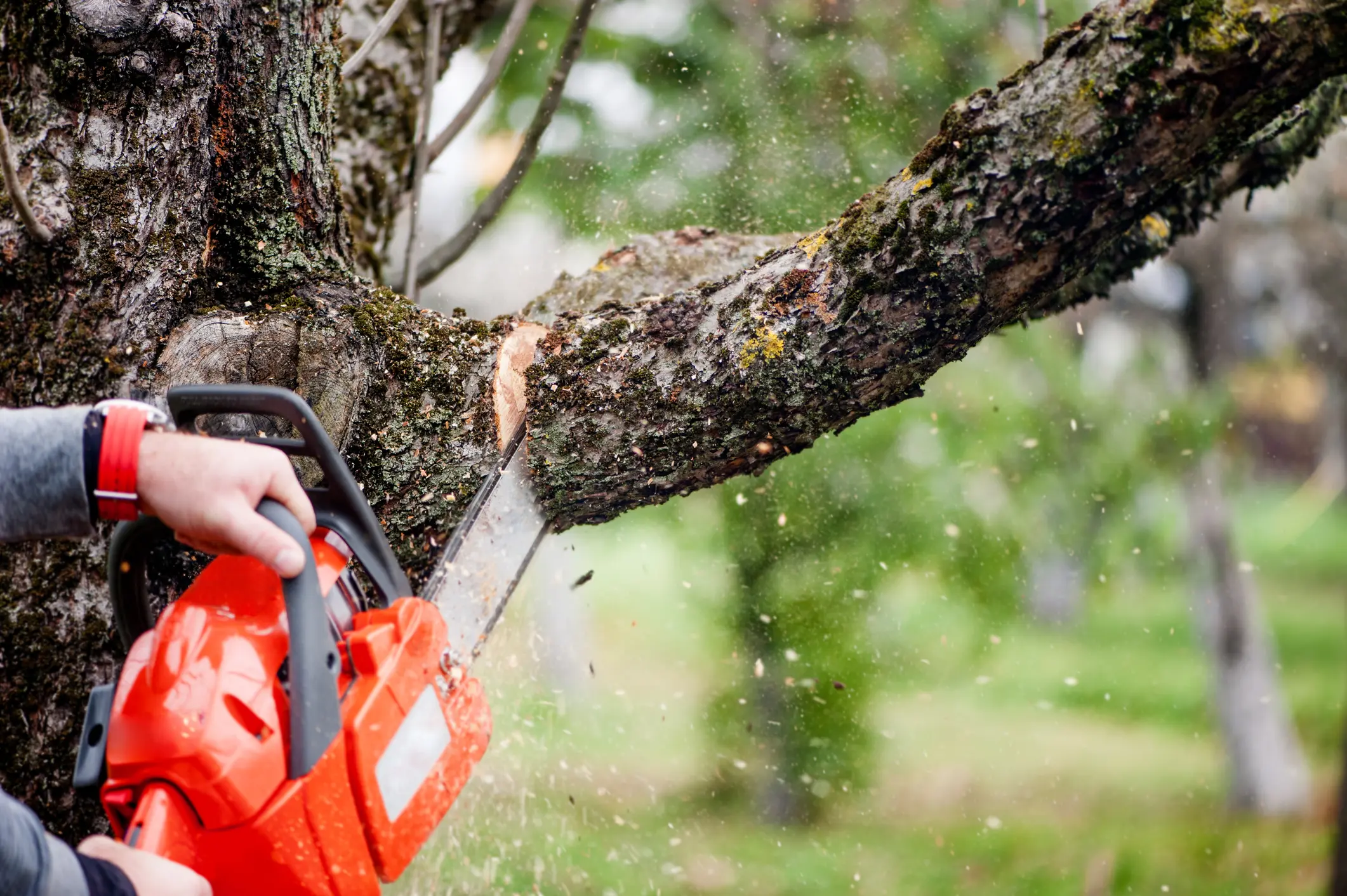
The equipment used during vegetation removal influences the speed, precision, and cost of the work. Hand tools are useful for removing individual weeds and managing growth around delicate landscape features. Powered trimmers and brush cutters can handle taller grass, thicker weeds, and selected woody plants, while specialized machinery can process dense vegetation across larger areas. Chainsaws may be required for certain branches or small trees, but they should only be operated by trained individuals using appropriate protective equipment. Selecting suitable tools helps contractors complete the work efficiently while reducing the risk of unnecessary damage. Equipment must also match the terrain and the surrounding environment. Large machinery may be unsuitable for narrow access routes, soft soil, steep slopes, or areas containing sensitive roots and underground infrastructure. Operators should inspect equipment before use, maintain safe distances from other workers, and follow established operating procedures. Flying debris, noise, hidden obstacles, and contact with cutting components are important hazards to control. Experienced contractors understand how to select equipment for different conditions and how to protect nearby structures and desirable plants. Proper equipment selection improves productivity while supporting safe working practices.
Preparing a Property Before Vegetation Removal
Preparation helps make vegetation management safer and more efficient. Property owners should identify the areas that need attention and explain which trees, shrubs, garden features, and other landscape elements must remain. Known underground utilities, irrigation lines, drainage pipes, and buried structures should be identified before cutting or digging begins. Access routes for workers and equipment should also be planned to minimize damage to lawns, paving, and surrounding structures. When contractors understand the property’s requirements in advance, they can organize the work more effectively. Hidden hazards should receive particular attention because dense vegetation can conceal objects that create risks for workers and machinery. Loose wire, broken glass, discarded metal, unstable branches, rocks, and uneven ground may be difficult to see before the area is opened. Property owners should communicate known concerns and arrange specialist assistance when the site contains dangerous materials or potentially unstable trees. Work near utilities, roads, waterways, or neighboring properties may require additional precautions or permissions. Thorough preparation reduces interruptions, helps protect the property, and supports safer working conditions throughout the project.
Understanding the Cost of Professional Services
The cost of vegetation management depends on the size of the area, the density of plant growth, the terrain, accessibility, and the amount of material that must be handled. Light weeds across an open surface generally require less labor than dense woody growth mixed with thorny plants, saplings, and fallen branches. Steep slopes, wet ground, restricted access, and hidden obstacles can increase the time and equipment needed to complete the work. Projects that require selective preservation of valuable plants may also involve more detailed labor than straightforward removal across an open area. Debris handling can influence the final price as well. Some contractors include collection and disposal in their estimates, while others charge separately for hauling, chipping, or transporting cut material. Additional services, such as stump removal, invasive plant treatment, soil stabilization, and minor site repairs, may also increase the total cost. Property owners should request a written estimate that explains the work included, the equipment required, and any potential additional charges. Comparing proposals with similar scopes of work makes it easier to evaluate value and avoid unexpected expenses during the project.
Choosing a Reliable Vegetation Management Contractor
Selecting a dependable contractor involves reviewing experience, equipment capabilities, insurance, safety procedures, and previous projects. Property owners should ask whether the company has managed similar vegetation conditions and whether its team understands the needs of different plant species. A qualified provider should explain the proposed method, describe how desirable vegetation will be protected, and outline the plan for handling cut material. Clear communication before work begins helps prevent misunderstandings and ensures that the service addresses the property’s actual requirements. It is also important to discuss access arrangements, expected completion times, site protection, and the possibility of hidden obstacles. Contractors should clarify whether hauling, stump removal, invasive plant treatment, or follow-up visits are included in the quoted price. Property owners should be cautious of estimates that do not clearly describe the work or promise that unwanted plants will never return. A professional provider should set realistic expectations and recommend a maintenance approach suited to the site. Choosing an experienced contractor can help improve outdoor property conditions while reducing the risk of unnecessary damage.
Creating a Long-Term Property Maintenance Plan
A one-time removal project can improve the condition of a property, but continued maintenance is necessary to control new growth. Weeds may return from roots left in the soil, while seeds can arrive through wind, wildlife, equipment, or transported materials. Regular inspections help identify new growth before it becomes dense and difficult to manage. Property owners should monitor fence lines, drainage channels, access paths, garden edges, and other areas where unwanted plants tend to establish themselves. Addressing growth early can reduce the labor required during future maintenance visits. The appropriate schedule depends on plant species, soil conditions, seasonal growth, and the intended use of the property. Fast-growing vegetation may require more frequent attention during active growing seasons, while other areas may need only occasional selective maintenance. Work should also account for wildlife and applicable environmental requirements, particularly where nesting animals or sensitive habitats may be present. Keeping records of completed work can help property owners identify recurring problem areas and decide when professional assistance is needed. Consistent maintenance keeps outdoor spaces manageable and reduces the likelihood of another extensive removal project.
Conclusion
Professional vegetation management can significantly improve the appearance, accessibility, and usability of outdoor properties. Controlling overgrown plants helps reveal hidden hazards, maintain clear access routes, manage invasive species, and address vegetation that may interfere with drainage. Choosing suitable equipment, preparing the site carefully, protecting the soil, and handling removed material responsibly all contribute to a successful outcome. Professional brush clearing can be particularly valuable when vegetation is dense, terrain is difficult, or the project requires specialized equipment and experience. Property owners should treat vegetation management as an ongoing responsibility rather than a task that needs attention only when land becomes heavily overgrown. Regular inspections, selective removal, soil protection, and a practical maintenance schedule help preserve improvements made during the initial project. Professional assistance can provide additional support when work involves hazardous vegetation, large areas, or challenging access conditions. By combining appropriate removal methods with consistent maintenance, property owners can create outdoor spaces that are cleaner, safer, easier to manage, and better prepared for future improvements.
Author

thedailygurdian@gmail.com
Related Posts
Commercial Roof Replacement: A Protecting Your Property and Improving Building Performance
- 0
- 3,701 words
Introduction Maintaining a commercial property requires regular attention to structural conditions, building materials, and essential maintenance systems. Among these responsibilities, the roof...
Read out all
Trenchless Sewer Line Repair: A Modern Solution for Efficient and Long-Lasting Pipe Restoration
- 0
- 3,280 words
Maintaining a properly functioning sewer system is essential for residential, commercial, and industrial properties. Sewer lines transport wastewater away from buildings and...
Read out all
Franchise Resale: A Complete Guide to Buying, Selling, and Maximizing the Value of an Established Franchise Business
- 0
- 3,381 words
Introduction Starting a business from the ground up can be an exciting opportunity, but it also involves considerable planning, financial investment, uncertainty,...
Read out all
Stone Veneer: Enhance Your Property with Elegant, Durable, and Versatile Wall Finishes
- 0
- 3,540 words
Introduction Creating an attractive and welcoming property involves choosing materials that combine visual appeal, durability, and long-term functionality. Exterior and interior walls...
Read out all
Driveway Gate Installation: Enhancing Property Security, Privacy, and Curb Appeal
- 0
- 2,934 words
A driveway gate is an important addition to any residential or commercial property because it provides controlled access, improves security, and creates...
Read out all
Drain Cleaning: Essential Solutions for Maintaining a Clean and Efficient Plumbing System
- 0
- 3,313 words
Introduction A properly functioning drainage system is essential for maintaining a clean, comfortable, and hygienic property. Whether in a residential home, commercial...
Read out all