
- 0
- 1,307 word
Gutters play an important role in protecting a home from water damage. They collect rainwater from the roof and direct it away from the foundation, siding, landscaping, and other vulnerable areas. However, gutters can become clogged with leaves, pine needles, twigs, and other debris, preventing water from flowing properly. When this happens, water may overflow and create maintenance problems around the property.
Gutter guards offer a practical way to reduce debris buildup and support more reliable drainage. Understanding the available options, installation process, and maintenance requirements can help homeowners determine whether this addition is suitable for their property.
What Are Gutter Guards?
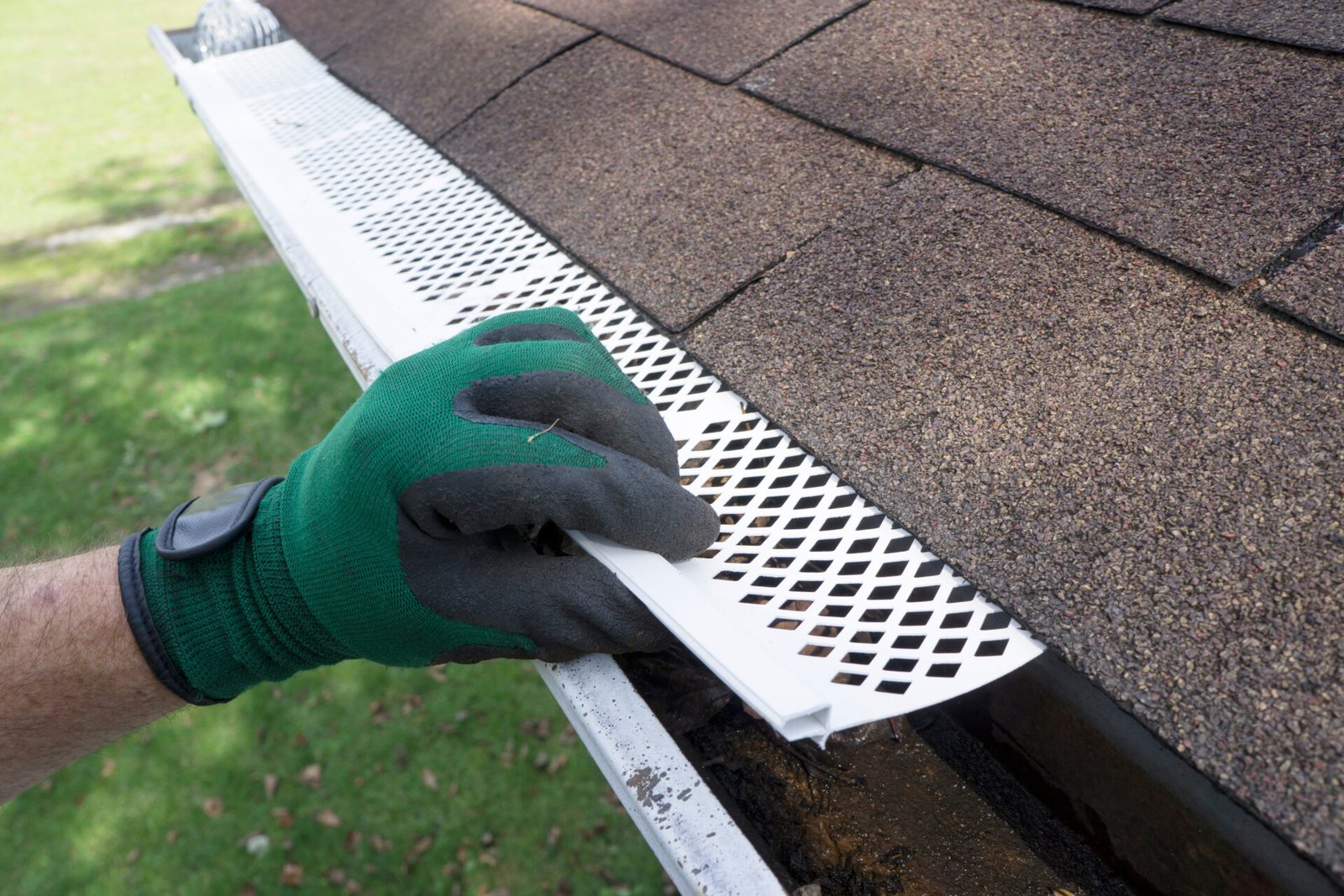
Gutter guards are protective covers or inserts designed to keep leaves and other debris from accumulating inside gutters while allowing rainwater to pass through. They come in several styles and materials, each designed to handle different environmental conditions and types of debris.
Some guards use fine mesh to block small particles, while others rely on perforated surfaces, screens, or curved designs that encourage water to enter the gutter while debris moves away.
Although gutter guards can significantly reduce the amount of debris entering a drainage system, they do not make gutters completely maintenance-free. Small particles can still collect on the surface or enter through openings, depending on the design and surrounding conditions.
Benefits of Installing Gutter Guards
Reduced Debris Buildup
One of the main benefits of gutter guards is that they help limit the accumulation of leaves, twigs, and other materials inside gutters. This can be particularly useful for homes surrounded by mature trees or properties that experience frequent seasonal leaf fall.
By reducing the amount of debris entering the gutter, guards can help maintain better water flow between cleaning sessions.
Better Protection Against Water Overflow
Clogged gutters can cause rainwater to spill over their edges. Depending on where the water flows, this may contribute to soil erosion, damaged landscaping, stained siding, or moisture problems near the foundation.
A properly selected and installed gutter guard can help reduce blockages and support effective drainage. However, the gutters themselves must also be correctly sized, securely attached, and positioned to direct water toward the downspouts.
Less Frequent Gutter Cleaning
Homeowners often need to clean gutters periodically to remove accumulated leaves and debris. Gutter guards can reduce the frequency of this work, potentially making routine maintenance easier.
The amount of maintenance saved depends on the type of guard, roof design, surrounding vegetation, and local weather conditions. Properties with pine trees or heavy debris exposure may still require regular attention.
Longer-Lasting Gutter Performance
Excessive debris and standing water can place additional strain on gutter systems. Wet leaves can become heavy, while repeated blockages may interfere with drainage.
Gutter guards can help limit these problems by reducing debris accumulation. Nevertheless, regular inspections remain important to identify loose fasteners, damaged sections, leaks, and other issues that guards cannot prevent.
Common Types of Gutter Guards
Mesh Gutter Guards
Mesh guards feature small openings that allow water to enter while blocking much of the surrounding debris. Fine mesh options may be particularly useful in areas where smaller leaves, seeds, or similar materials are common.
The effectiveness of mesh depends on the size of its openings and the quality of the material. Fine mesh may require surface cleaning when dust, pollen, or small particles accumulate.
Screen Gutter Guards
Screen guards typically use a grid-like design with larger openings than fine mesh products. They can be suitable for blocking larger leaves and twigs while allowing rainwater to flow into the gutter.
Because the openings are larger, smaller debris may still enter the system. Screen guards are often straightforward in design, but their fit and attachment method should be appropriate for the existing gutters.
Perforated Gutter Covers
Perforated covers contain small holes that allow rainwater to pass through while keeping larger debris out. Their performance depends on the hole size, cover design, and ability to handle the volume of water flowing from the roof.
Homeowners should consider how well a particular product performs during heavy rainfall, especially when the roof has a large surface area or steep slopes.
Reverse-Curve Gutter Guards
Reverse-curve systems use a shaped surface intended to guide rainwater into the gutter while encouraging leaves and larger debris to fall away. These systems can work well in suitable conditions, but their performance depends on proper installation and the characteristics of the roof and gutter system.
They may not be the best choice for every property, so compatibility and expected maintenance should be considered before selecting this design.
What to Consider Before Installation
Choosing the right gutter guard requires more than comparing prices. Homeowners should first consider the types of trees near the property, the roof’s design, the condition of the existing gutters, and the amount of rainfall the system must manage.
Material quality is another important factor. Guards made from durable materials may offer better resistance to corrosion, weather exposure, and everyday wear. The attachment method should also suit the existing gutter system without creating unnecessary problems for the roof covering.
Before installation, the gutters should be checked for leaks, loose sections, incorrect slopes, and existing blockages. Installing guards over damaged or poorly functioning gutters will not resolve the underlying issues.
Understanding the Installation Process
Professional gutter guard installation generally begins with an inspection of the roofline and drainage system. The installer evaluates the gutter dimensions, roof edges, downspouts, and potential obstacles that could affect the selected product.
Next, the gutters are cleaned so that leaves, sediment, and other debris do not remain trapped beneath the guards. Any necessary gutter repairs should be completed before the protective covers are fitted.
The guards are then measured, cut where necessary, and secured according to the manufacturer’s installation instructions. Proper alignment is essential because gaps, loose sections, or an unsuitable fit can allow debris to enter or interfere with water collection.
After installation, the system should be checked to confirm that water can enter the gutters and flow toward the downspouts. Homeowners should also understand any maintenance instructions provided with the product.
Why Professional Installation Can Be Helpful
Some gutter guard products are designed for homeowners to install themselves. However, working near roof edges and ladders presents fall risks, and incorrect installation can affect drainage performance.
A professional can assess whether the selected guard is compatible with the existing gutters and identify problems that may need attention before installation. Professional installation can also help ensure that the product is secured properly and positioned according to its design requirements.
For homes with steep roofs, multiple stories, complicated rooflines, or extensive gutter systems, professional assistance may be especially valuable.
Maintaining Gutter Guards After Installation
Gutter guards reduce debris buildup, but periodic inspections are still necessary. Leaves may collect on top of the guards, particularly in autumn, while seeds, pollen, and roof granules may accumulate over time.
Homeowners should check the system after major storms and during seasons when trees release substantial amounts of debris. Downspouts should also be inspected to ensure that water can drain freely.
If water overflows despite the presence of guards, the cause may be a surface blockage, a clogged downspout, an unsuitable guard design, or a gutter system that cannot handle the incoming water volume. Identifying the underlying cause is essential before deciding on corrective work.
Conclusion
Gutter guards can help homeowners reduce debris accumulation, support effective drainage, and make routine gutter maintenance more manageable. Selecting the right type requires consideration of the property’s surroundings, roof design, rainfall conditions, and existing gutter system.
Proper preparation and installation are equally important. Cleaning and repairing the gutters before fitting the guards helps create a reliable foundation for the system, while periodic inspections keep it functioning as intended.
When homeowners evaluate their options carefully, gutter guard installation can be a useful improvement that supports long-term gutter performance and helps protect the home from avoidable water-related problems.
Author

Spero.outreach.team@gmail.com
Related Posts
A Comprehensive Guide to Concrete Installation for Durable, Reliable, and Long-Lasting Surfaces
- 0
- 2,776 words
Concrete is one of the most widely used materials in modern construction because of its strength, versatility, and ability to withstand everyday...
Read out all
Remote Workers Type All Day: How to Win Back the Hours Lost to Messages and Docs
- 0
- 1,398 word
Remote work was supposed to free up time. No commute, fewer hallway interruptions, more room for deep work. Instead, a lot of...
Read out all
Tips for a Smooth Window Installation Process
- 0
- 709 words
Installing new windows in a home helps enhance the exterior appearance, and it’s a practical upgrade. Modernizing your windows can also improve...
Read out all
Turning a Spare Room Into a Useful Space Starts With the Window
- 0
- 694 words
A spare room can become the most neglected space in a home. Furniture arrives without a clear purpose, boxes accumulate, and the...
Read out all
How Digital Marketing Can Help Colleges Reach More Prospective Students
- 0
- 834 words
For colleges and universities, getting students isnt just about decent courses, and modern facilities, etc. Applicants really want to know what the...
Read out all
How Food Businesses Can Reduce Risk When Sourcing Garlic Internationally:
- 0
- 807 words
For food manufacturers, wholesale distributors, and commercial supermarket buyers, international produce procurement offers substantial economic advantages. Sourcing agricultural commodities across borders allows...
Read out all