
- 0
- 1,080 word
The calls keep coming, the letters feel sharper each time, and your stomach drops every time an unknown number lights up your phone. Debt collection pressure does that. It turns an ordinary day into a string of small jolts, especially when you are already trying to manage bills, work, and family. If you are dealing with collection activity in Daytona, My Affordable Attorney can help you understand that you have rights under federal law, and those rights matter most when a collector is pushing hard or crossing the line.
Fdcpa Rights During Daytona Debt Collection Disputes come from the Fair Debt Collection Practices Act, a federal law that limits what debt collectors can say and do. The short version is simple. Collectors cannot harass you, lie to you, or keep pressing without following the rules. You also have the right to ask for proof of the debt, dispute it, and control how a collector contacts you. If the debt issue is tied to an injury, lost wages, or another crisis, a personal injury lawyer may also help you protect the bigger picture.
Debt collection disputes often start with confusion and pressure
Many collection disputes do not begin with a debt you clearly recognize. They start with a voicemail from a company you have never heard of, a demand for payment on an old account, or a balance that looks too high. Sometimes the debt belongs to someone else. Sometimes it was already paid. Sometimes the collector has the right person but the wrong amount.
That uncertainty is where stress grows. You may wonder if ignoring the call will make things worse, or if saying the wrong thing will restart an old debt. You may feel embarrassed even when you did nothing wrong. Collectors count on that pressure. The law does not.
Under the FDCPA, debt collectors generally cannot call before 8 a.m. or after 9 p.m., use threats, use obscene language, or pretend to be attorneys or government officials when they are not. They also cannot discuss your debt with most other people. The debt collectors and your rights guide gives a plain language summary of these protections.
One of the most useful rights appears early in the process. A collector must send a validation notice telling you the amount of the debt, the name of the creditor, and how to dispute it. If you dispute the debt in writing within 30 days, collection efforts should pause until the collector verifies the debt. That one step can slow the chaos and force the collector to show its work.
Fair debt collection rights give you control over the dispute
Control matters because collection pressure can distort your choices. A collector may push for a payment that you cannot afford, hoping urgency will do the rest. You might be told that a lawsuit is coming tomorrow, wages will be seized immediately, or police could get involved. In many cases, those statements are false or deeply misleading.
Your rights allow you to reset the conversation. You can ask for written communication. You can dispute the account. You can tell a collector to stop contacting you, though that does not erase the debt itself. It simply limits contact. The Consumer Financial Protection Bureau has a useful set of debt collection tools and sample letters that can help you respond in writing and keep a paper trail.
Florida consumers also have state level protections and practical guidance. The Florida Attorney General offers a clear overview on how to protect yourself from debt collections, including warning signs of abusive conduct and steps to report it.
When a debt dispute overlaps with a personal injury claim, things can get messier. You may be out of work, waiting on medical treatment, or trying to settle with an insurer while collectors demand payment on related bills. That is often when a personal injury lawyer becomes part of the solution, not because every debt issue turns into a lawsuit, but because your injury case, medical liens, and unpaid accounts can affect each other.
Handling debt collector disputes alone and with legal help involves different risks
| Approach | What You Can Do | Main Risk | Best Fit |
|---|---|---|---|
| Handle it yourself | Request validation, dispute errors, keep records, send a cease contact letter | Missing deadlines, admitting a debt too quickly, overlooking FDCPA violations | Clear billing mistakes or early stage collection contact |
| Get legal help | Review collector conduct, assess FDCPA claims, address related injury or insurance issues | Waiting too long to ask for help after the dispute becomes more serious | Harassment, threats, identity mistakes, lawsuits, or debt tied to an injury claim |
Some disputes stay simple. You send a letter, the collector backs off, and the record gets corrected. Others do not. If the calls continue after you dispute the debt, if the collector contacts your family or employer, or if the account is connected to medical treatment after an accident, the risk rises fast. At that point, FDCPA rights during debt collection disputes are still your shield, but legal guidance may help you use that shield properly.
Three steps can protect you right away
1. Save every message and write down every contact. Keep voicemails, letters, emails, and screenshots. Log dates, times, names, and what was said. If a collector lies, threatens, or keeps calling after being told to stop, your records can matter.
2. Ask for debt validation in writing. If you are within the 30 day dispute window, send a written dispute and request verification. Do not rely on a phone call alone. Written communication creates proof and often changes the tone of the dispute.
3. Get legal advice if the debt is disputed, aggressive, or tied to an injury. A collector’s pressure can make a weak claim sound certain. A lawyer can review the facts, spot FDCPA violations, and help protect any related personal injury recovery from being swallowed by confusion or bad information.
Your rights are real, and you do not have to absorb abuse
Debt collectors are allowed to seek payment. They are not allowed to use fear, deception, or harassment to get it. If you are in the middle of a Daytona collection dispute, take a breath, slow the process down, and use the rights the law gives you. Clear records, a written dispute, and the right legal support can shift the balance back in your favor.
If collection pressure is colliding with medical bills, lost income, or an accident related claim, speak with a personal injury lawyer who can help you sort out both sides of the problem and protect your next step.
Author

khizarnisar367@gmail.com
Related Posts

How Real Estate Brands Can Build Buyer Trust Through Digital Marketing in Pune
- 0
- 583 words
Buying a property is a process which requires thorough research, planning and many decisions. Home buyers of today do not want just...
Read out all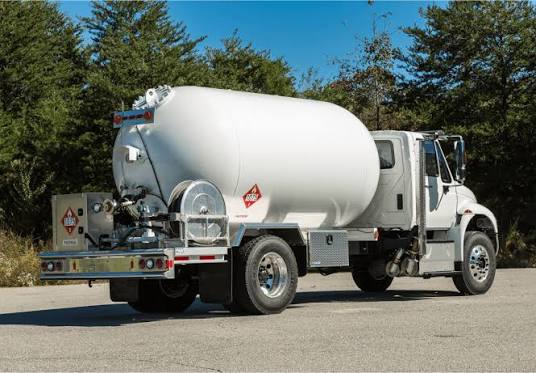
What Equipment Propane Suppliers Use for Safe Fuel Delivery
- 0
- 721 words
Propane delivery requires specialized equipment to transfer liquefied petroleum gas between storage facilities and customer tanks. Each component serves a specific purpose,...
Read out all
Chief Technical Examiner: Roles, Responsibilities, Qualifications, and Career Opportunities
- 0
- 2,372 words
Introduction The role of a chief technical examiner is important in organizations that depend on technical accuracy, professional standards, quality control, and...
Read out all
Uecht: Exploring Its Meaning, History, Location, and Fascinating Connections
- 0
- 2,422 words
The word Uecht may look unfamiliar to many people, but it has several interesting connections to European geography, language, history, and astronomy....
Read out all
songoftruth.org: A Complete Guide to Its Purpose, Content, Features, and What Visitors Should Know
- 0
- 1,890 word
The internet provides countless websites designed to inform, educate, entertain, and inspire people. However, finding a platform that offers useful information in...
Read out all
Printely: Everything You Need to Know About Its Features, Uses, Benefits, and Growing Popularity
- 0
- 2,036 words
In today’s digital world, printing and design solutions continue to play an important role in personal, educational, and professional activities. From creating...
Read out all