
- 0
- 1,136 word
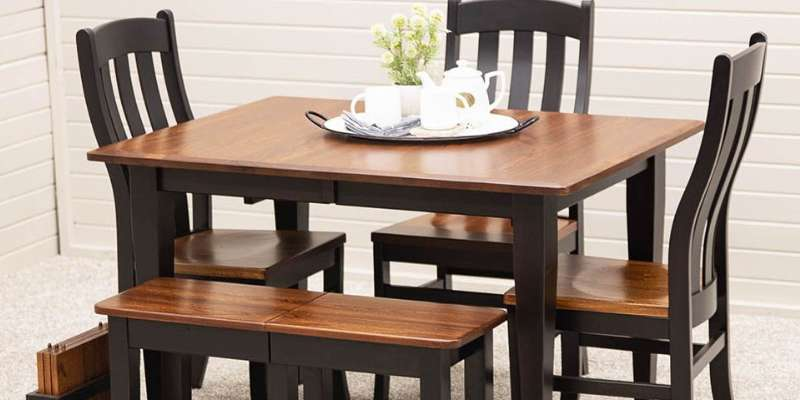
A 36-inch restaurant table might have a square top, a round top, or a surface standing 36 inches above the floor. The number alone does not tell the buyer what was measured. A photograph may suggest the shape, but it cannot supply the missing measurement label reliably enough for an order.
Name the measured feature as well as its unit. Tabletop diameter, base footprint, and finished table height may happen to share a number, but they answer different buying questions. The label should lead the reader to one measurement on the drawing. Without it, copying the figure into a floor plan or order simply passes the uncertainty to another person.
Decide which measurement the reader needs
When writing descriptions of commercial restaurant tables, attach every number to the dimension it describes. A buyer may be checking room fit, seating, or the relationship between a table and existing chairs. These questions depend on different measurements. Labels let the reader find the relevant information without inferring whether an unlabeled figure refers to the top, base, or complete assembly.
Ask what the reader will do with each figure. Planning the room may require both the tabletop outline and the base footprint. Checking existing chairs calls for finished height and relevant clearances. When one listing serves several decisions, give each measurement its own field so the buyer can select the figure that answers their question.
Rectangles: name the long side
A rectangular top needs an orientation as well as two numbers. One catalog may use width for the diner’s edge, while another applies it to the shorter side. Identify the edges on the drawing before placing the table beside a wall or route. A small labeled sketch can prevent a correct pair of dimensions from being rotated into the wrong position.
Label both edges, for example, “30 inches wide by 48 inches long,” and keep that convention throughout the description. If the supplier uses depth, identify the edge on the drawing rather than silently translating it. Consistency with the actual specification matters more than declaring one everyday word wrong. The buyer should be able to orient the top on the plan without rotating it by guesswork.
Rounds: diameter states the measurement clearly
For a circular top, diameter identifies the straight-line distance across the center, equal to twice the radius. Width can describe that distance in everyday speech, but diameter is the more explicit label in a specification.
Write “36-inch-diameter tabletop” or use a clearly labeled diameter field. The familiar shorthand “36-inch round” may work where the context is established, but it should not have to carry an entire product specification. Include the complete table height separately so the buyer can distinguish the surface size from its position above the floor.
The ambiguity is especially easy to miss with a bar table. “42-inch table” could describe a round top 42 inches across or a surface standing 42 inches above the floor. If both dimensions apply, write “tabletop diameter: 42 inches; finished height: 42 inches.” Repeating the number is useful because each occurrence answers a different question.
Top size is not base size
Name the component before listing its measurements. A tabletop has surface dimensions and thickness. A base can have a height, floor footprint, column size, and mounting-plate size. Calling it a 22-inch base leaves the buyer to choose among those features. State which one measures 22 inches and keep the others in their own fields.
An illustrative specification might state “base spread: 22 inches” and “base height: 28 inches.” Add a separate field for the manufacturer’s permitted tabletop sizes rather than putting that information into the same dimension line. A maximum compatible top size describes a use limit, while the footprint describes the object occupying the floor. They are not interchangeable measurements.
Height needs a starting point
Height needs a component and an endpoint. A base listing may exclude the top or other assembly details, so ask the supplier for the complete finished measurement. Keep tabletop thickness separate too, especially where a deep edge profile differs from the construction shown beneath it. Adding nominal figures is not a substitute for confirmation of the assembled table.
A clear example is “finished table height, floor to upper surface: 30 inches.” The wording identifies both ends of the measurement. If the listing concerns only a base, label its height as a component dimension instead. That distinction lets a buyer compare the finished furniture with existing seating without assuming that every number headed height describes the same thing.
Borrow the habits of technical writers
ASME’s Y14.5 standard for dimensioning and tolerancing establishes conventions for engineering drawings. A furniture listing can borrow the habit of connecting each dimension to a clearly identified feature. Use the supplier’s drawing to resolve the labels, then keep the same component names in the description. The reader should be able to move between the two records without interpreting a new vocabulary.
Two habits translate directly. The NIST guide to expressing values of quantities recommends attaching a unit to each number in a set of dimensions, so it’s clear which unit belongs to which value. It also recommends writing “to” for a range instead of a dash, since a dash can be misread as a minus sign. “30 inches by 48 inches” and “28 to 34 inches” both follow that advice.
An editing checklist for table copy
Before a table description goes live or into a purchase order, run it past a few quick checks:
- Every number has a label: width, length, diameter, height, or thickness
- Rectangles list width and length in the same order everywhere in the document
- Round tops identify the diameter explicitly, with finished height listed separately.
- Height states its reference point and whether the top is included
- Ranges use “to” instead of a dash
Read between the copy and drawing in both directions. Locate each published figure on the drawing, then look for a measurement the buyer needs that the copy omits. Several correct dimensions do not make a complete description. The missing figure may be the finished height or underside clearance that decides whether the new table works with the chairs already in the restaurant.
Numbers that mean one thing
Everyday shorthand can remain useful in conversation. Someone may reasonably call a round top three feet wide, while the product record specifies its diameter. The task of editing is to preserve that meaning and remove uncertainty at the point where a buyer must decide. It is not to make ordinary language unnecessarily formal.
For the final check, hide the photograph and read the description alone. The top’s shape, labeled dimensions, relevant base measurements, and finished height should remain understandable. Ask the supplier to resolve any figure that still depends on recognizing the model from its picture. A buyer should be able to use the number without first guessing which part of the table it describes.
Author

khizarnisar367@gmail.com
Related Posts

Commercial Roof Replacement: A Protecting Your Property and Improving Building Performance
- 0
- 3,701 words
Introduction Maintaining a commercial property requires regular attention to structural conditions, building materials, and essential maintenance systems. Among these responsibilities, the roof...
Read out all
Trenchless Sewer Line Repair: A Modern Solution for Efficient and Long-Lasting Pipe Restoration
- 0
- 3,280 words
Maintaining a properly functioning sewer system is essential for residential, commercial, and industrial properties. Sewer lines transport wastewater away from buildings and...
Read out all
Franchise Resale: A Complete Guide to Buying, Selling, and Maximizing the Value of an Established Franchise Business
- 0
- 3,381 words
Introduction Starting a business from the ground up can be an exciting opportunity, but it also involves considerable planning, financial investment, uncertainty,...
Read out all
Stone Veneer: Enhance Your Property with Elegant, Durable, and Versatile Wall Finishes
- 0
- 3,540 words
Introduction Creating an attractive and welcoming property involves choosing materials that combine visual appeal, durability, and long-term functionality. Exterior and interior walls...
Read out all
Driveway Gate Installation: Enhancing Property Security, Privacy, and Curb Appeal
- 0
- 2,934 words
A driveway gate is an important addition to any residential or commercial property because it provides controlled access, improves security, and creates...
Read out all
Drain Cleaning: Essential Solutions for Maintaining a Clean and Efficient Plumbing System
- 0
- 3,313 words
Introduction A properly functioning drainage system is essential for maintaining a clean, comfortable, and hygienic property. Whether in a residential home, commercial...
Read out all