
- 0
- 937 words
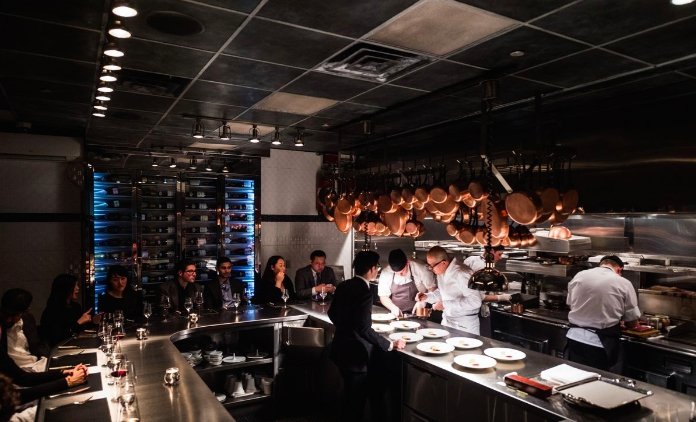
New York’s most intimate fine dining often happens at the chef’s counter, where the kitchen becomes part of the dining room, and each course lands within arm’s reach of its maker. Guests book these experiences to taste a point of view, not a list of entrees. Yet the format can feel unfamiliar the first time. How does the menu progress, when should you choose pairings, and what etiquette keeps the room comfortable for everyone? This guide explains how the counter works, what the tasting sequence is trying to achieve, and how small choices around arrival, communication, and pacing help you appreciate the craft on the plate.
- The Chef’s Counter Format: Seating, Pacing, and Kitchen Theater
A counter tasting is part meal and part choreography. The seating is linear, often on stools or low-back chairs facing the pass. Plating and finishing happen a few feet away, which means dishes reach you at the intended temperature and texture, and aromas arrive first. Timing is deliberate: a cook or server places a plate, describes it briefly, and steps back so the room can eat in unison. That cadence allows the kitchen to send hot broths still steaming, crisp tuile shells still snappy, and emulsions still glossy. If you want a feel for how a New York fine-dining restaurant designs a counter experience, notice the distance between seats, where trays move, and how plates and warm spoons are exchanged without breaking the rhythm.
- Reading the Tasting Menu’s Logic: Temperature, Texture, and Progression
Most tasting menus have a quiet logic. An amuse-bouche wakes up the palate, often with acidity or a temperature contrast. Raw or lightly cured seafood might follow, where knife work and seasoning show precision. Warm courses build intensity: a dashi or shellfish broth lays down umami; a butter-based sauce adds richness; a charcoal-grilled element introduces smoke. Chefs manage palate fatigue through contrast, alternating crisp and creamy textures or slipping in herbs and citrus to reset your senses. A sorbet or chilled infusion can act as a mid-meal cleanser before a main protein with deeper Maillard flavors. Desserts usually echo earlier notes in lighter form, using fruit acidity or a restrained sweetness to bring you back to neutral. Reading that arc helps you pace bites, notice transitions, and understand why a briny gel or pickled garnish matters where it sits.
- Pairings, Stemware, and Non-Alcohol Choices
Course pairings are curated to mirror that arc. A sommelier may start with high-acid sparkling wine to cut through raw seafood, shift to a saline white for shellfish, then move into structured whites or reds as sauces gain weight. With pairings, pour size aligns to course size, so you taste progression without committing to a single bottle. The trade-off is focus: bottle service can deepen your read of a dish by holding one benchmark in your glass, while pairings expand range and reveal how acidity, tannin, or sweetness interact with multiple sauces. Glassware also matters; a narrower flute tightens bubbles, while a Burgundy bowl opens aromatics for brothy or truffle-forward courses. Non-alcohol programs can be equally precise, using verjus, tea, or herb infusions to create bitterness, fruit, and spice without ethanol so temperature and texture still meet the food cleanly.
- Allergies, Preferences, and Substitutions Without Derailing the Meal
All tasting menus rely on mise en place prepared hours ahead, so timely communication about restrictions keeps the narrative intact. If you are allergic to citrus, for instance, a chef can adjust a yuzu gel to a green apple reduction or change the acid component in a crudo, preserving balance rather than removing the element outright. Last-minute changes are possible but can create awkward gaps, like replacing a toasted seaweed tuile with a plain cracker that misses the umami link to a kombu broth. Preferences are different from medical needs; stating that you avoid red meat may result in pescatarian swaps, but too many preferences risk breaking the progression. Precision helps the team protect both safety and the story, and it ensures cross-contact is considered when garnishes, oils, or brushed sauces share tools.
Reservations, Seating Times, and Etiquette That Protects the Room
Counter restaurants usually seat in waves. Arriving on time keeps the line, hot pass, and guests in sync. Running late compresses the early courses or requires you to catch up, which can blunt delicate temperatures or the explanation a cook intended. Bag placement and coats matter at a narrow counter; use the hooks or asked-for storage so staff can move trays past without obstruction. For an anniversary couple who hopes to talk, consider a later seating when the room may be quieter or request a seat slightly off center where service traffic is lighter. Scent and sound travel at a counter, so heavy fragrance competes with the aromas the chef built into broths and oils, and flash photography can distract neighbors and warm a plate mid-shot. A few low-light photos are usually fine; the best memory will be the pacing you felt in real time.
New York’s chef’s counters reward attention to detail. When you understand why a cold scallop course precedes a warm lobster broth, or how a high-acid pour clears the path for beurre blanc, you taste choices rather than novelties. Decide whether pairings or a bottle serves your focus, communicate non-negotiable restrictions early, and treat the room like part of the craft. Many restaurants will share a printed or emailed menu on request, which helps you revisit the sequence later. Returning in another season can reveal a new arc built from different produce, but anchored to the same kitchen logic you learned the first time.
Author

linguaezone.com@gmail.com
Related Posts

Why Chicago Businesses Are Pairing Mobile Apps With Generative AI
- 0
- 448 words
Chicago’s economy is one of the most diverse in the country, spanning finance, manufacturing, logistics, healthcare, and a growing startup scene. Across...
Read out all
How to Build a Mobile App: A Step-by-Step Guide for Beginners
- 0
- 1,700 word
You have an app idea. Maybe it solves a problem you face every day, or maybe you have spotted a gap in...
Read out all
How Compact Mechanical Systems Work In Automotive Accessories
- 0
- 739 words
Modern vehicles contain small assemblies that perform useful tasks within limited space. Hinges, brackets, and actuators help accessories move or stay aligned....
Read out all
Dulcoglide: Everything You Need to Know About Its Uses, Features, Benefits, and Safety
- 0
- 2,005 words
Healthcare products often have specific purposes that are not immediately obvious from their names or packaging. Dulcoglide is one such product that...
Read out all
Is Web Scraping Primary or Secondary Data? A Guide to Using Web Data in Market Research
- 0
- 1,628 word
Is web scraping primary or secondary data? In most market research it is secondary. Web scraping is a collection method, not a...
Read out all
Choosing Non Profit Software For Mission-Driven Teams
- 0
- 557 words
Nonprofit organizations often operate with limited budgets, small teams, and ambitious goals that demand careful coordination. From volunteer schedules to fundraising campaigns,...
Read out all