
- 0
- 2,645 words
Understanding Why Furnace Cleaning Is Essential
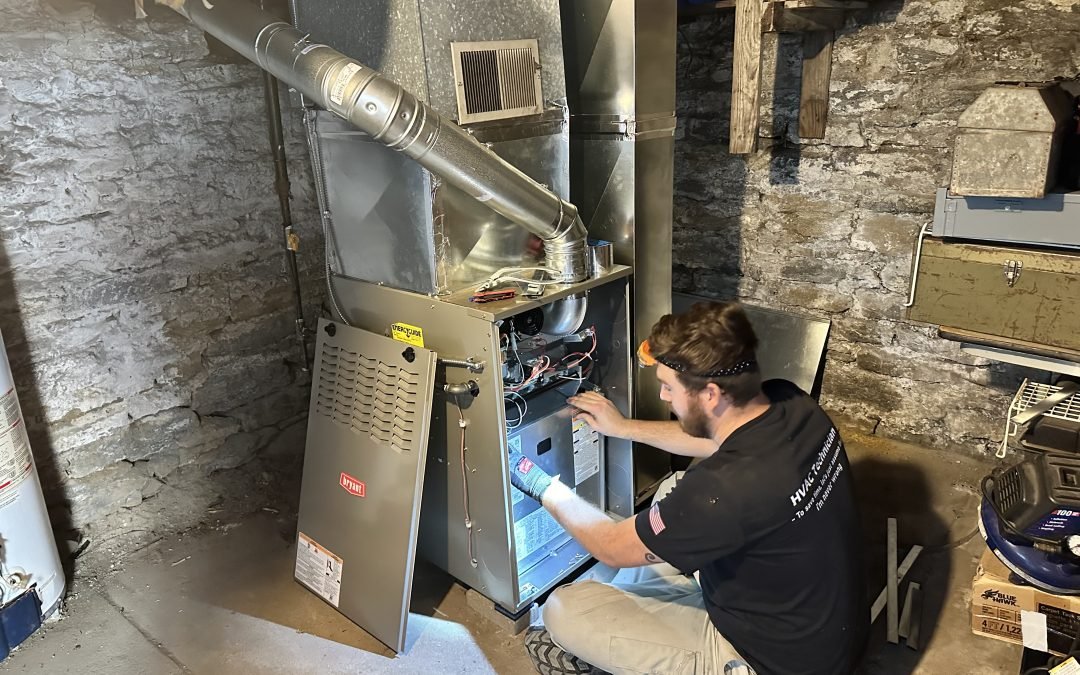
A furnace is one of the most important components of a property’s heating system because it helps maintain comfortable indoor temperatures during colder weather. However, regular operation exposes the equipment to dust, dirt, airborne particles, and other contaminants that can gradually accumulate inside different components. When this buildup is left unattended, it may restrict airflow, interfere with heat transfer, increase the workload on mechanical parts, and reduce the system’s overall performance. Furnace cleaning is an important part of maintaining heating equipment because it helps remove accumulated debris from appropriate components and supports more consistent operation. A clean heating system can distribute warm air more effectively when its other components are functioning correctly, while routine professional attention can also reveal developing problems before they cause unexpected interruptions. Property owners who understand the importance of cleaning and inspection can make better decisions about protecting their equipment, maintaining indoor comfort, and managing long-term heating expenses.
How Dust and Debris Affect Furnace Performance
Dust accumulation is a common issue in heating systems because air continuously moves through filters, return vents, blower assemblies, and connected ductwork. Although air filters capture a significant portion of airborne particles, some dust can still collect in areas that require periodic inspection and cleaning. Over time, buildup around the blower assembly or other internal components may interfere with airflow and make the equipment work harder to distribute heated air. Restricted airflow can also contribute to overheating, longer operating cycles, and unnecessary strain on certain parts. In fuel-burning furnaces, dirt around the burner area may affect operation and should be evaluated by a qualified technician. Professional furnace cleaning focuses on the components that need attention rather than simply removing visible dust from the outside of the equipment. This detailed approach helps maintain suitable operating conditions and allows technicians to identify areas where additional repairs or adjustments may be necessary.
Maintaining Clean Air Filters for Better Airflow
The air filter is one of the first components that should be considered when evaluating furnace cleanliness. Its primary purpose is to capture dust, lint, pet hair, and other particles before they enter the heating equipment. As the filter collects these materials, it gradually becomes less effective at allowing air to pass through freely. A heavily restricted filter can reduce airflow, increase the workload on the blower motor, and affect the furnace’s ability to maintain comfortable temperatures. Homeowners should inspect their filters regularly and replace them according to the manufacturer’s recommendations. The appropriate replacement schedule depends on filter design, household activity, pets, indoor dust levels, and how frequently the heating system operates. Selecting a filter that matches the furnace specifications is equally important because a filter with unsuitable dimensions or resistance can create additional airflow problems. Including filter inspection in a regular furnace cleaning routine supports better air movement and helps protect the system from unnecessary dust accumulation.
Cleaning the Blower Assembly and Motor Area
The blower assembly plays a major role in distributing heated air throughout a property. It moves air across the furnace’s heat exchanger or heating elements and pushes that air through the connected ductwork. Dust and debris can gradually collect around blower blades, the motor housing, and nearby surfaces, potentially affecting the balance and efficiency of the assembly. When buildup becomes excessive, the blower may need to work harder to move the required amount of air, which can increase operating stress and contribute to unusual noises or reduced airflow. Professional technicians can inspect the blower assembly, determine whether cleaning is necessary, and remove appropriate deposits without damaging delicate components. They can also check for worn bearings, loose connections, and signs of motor deterioration during the service visit. Proper furnace cleaning should consider the condition of the blower because even a clean filter cannot completely prevent dust from collecting in every part of the air-handling system.
Removing Dust from Internal Furnace Components
A furnace contains several internal areas where dust and debris may accumulate during normal operation. These areas can include accessible cabinet surfaces, blower compartments, filter housings, and other components that are designed to be inspected and serviced. Accumulated debris may interfere with airflow or make it more difficult for technicians to identify signs of wear, corrosion, and other developing problems. Cleaning these areas requires an understanding of the equipment’s design because different furnace models have different service requirements. Some components can be cleaned using approved methods, while others require specialized tools or should not be disturbed during routine service. A professional technician can identify which areas need attention and use suitable procedures to remove debris safely. Rather than treating cleaning as a simple surface-level task, a complete service approach considers the relationship between cleanliness, airflow, mechanical condition, and overall heating performance.
Keeping Burners Clean for Consistent Heating
In fuel-powered furnaces, burners are responsible for producing the heat needed to warm the air circulating through the system. Dirt, deposits, and other contaminants around the burner assembly can interfere with proper operation and may affect the consistency of the heating process. If a burner does not operate as intended, homeowners may notice delayed ignition, unusual sounds, repeated shutdowns, or reduced heating performance. The appropriate cleaning and inspection procedures depend on the fuel type and furnace design. Oil and propane furnaces, for example, have different burner and fuel delivery requirements, so they should be serviced by technicians familiar with the specific equipment. Professional furnace cleaning may include examining the burner area, checking relevant components, and determining whether specialized servicing is necessary. Homeowners should never attempt to dismantle burners, adjust fuel delivery equipment, or clean combustion components without proper training because incorrect handling can create serious safety concerns.
Inspecting the Heat Exchanger During Cleaning
The heat exchanger is an essential component in a fuel-burning furnace because it transfers heat from the combustion process to the air that circulates throughout the property. Its condition is important for both heating performance and safe operation. Over time, repeated heating and cooling cycles can contribute to material stress, corrosion, and other forms of deterioration. Dust and debris around accessible surrounding areas may also make inspection more difficult. During professional service, technicians can examine the heat exchanger and surrounding components for visible signs of damage or abnormal conditions. It is important to understand that cleaning alone cannot correct cracks, structural deterioration, or other serious defects. If a technician identifies a concern, the equipment may require further testing, repair, or replacement depending on the severity of the issue. Including a heat exchanger assessment in a broader furnace cleaning appointment helps ensure that the service considers more than appearance and addresses important equipment condition and safety factors.
Improving Indoor Air Circulation Through Proper Cleaning
Good indoor air circulation depends on more than the furnace itself. The heating system works with return vents, supply registers, ductwork, and blower components to move air between different areas of the property. When vents become blocked or duct connections develop problems, certain rooms may receive less heated air than others. Dust around registers and inside accessible sections of the air distribution system can also contribute to poor airflow conditions. Homeowners should keep vents clear of furniture, curtains, rugs, and other objects that may obstruct air movement. They should also monitor rooms that consistently feel colder or warmer than the rest of the property because these differences may indicate an airflow or distribution problem. Professional furnace cleaning can be combined with an inspection of accessible duct connections and air-handling components to help identify conditions affecting circulation. If the ductwork contains significant contamination or damage, separate duct cleaning or repair may be recommended.
Understanding the Difference Between Furnace and Duct Cleaning
Furnace cleaning and duct cleaning are related services, but they address different parts of a heating and air distribution system. Furnace cleaning generally focuses on the heating equipment itself, including accessible internal surfaces, blower components, filter areas, and other parts that require attention according to the manufacturer’s instructions. Duct cleaning focuses on the network of passages that carries heated air throughout the property and returns air to the furnace. Dust inside ducts does not automatically mean that every section requires cleaning, and unnecessary cleaning may not provide meaningful benefits. However, visible contamination, substantial debris, evidence of pest activity, or other specific concerns may justify a professional duct assessment. Understanding the difference helps homeowners choose services based on actual conditions instead of assuming that one cleaning procedure covers the entire system. A technician can inspect the equipment and distribution network, explain any concerns, and recommend the appropriate work for maintaining reliable heating performance.
Reducing Unnecessary Strain on the Heating System
When dust restricts airflow or important components become dirty, a furnace may need to operate under less favorable conditions. The blower may work harder to circulate air, the system may take longer to reach the thermostat setting, and some components may experience additional stress. These conditions can contribute to increased energy consumption and premature wear if they remain unaddressed. Proper cleaning helps remove avoidable obstructions from components that are designed to be serviced, allowing the equipment to operate under more suitable conditions. However, cleaning should always be accompanied by an assessment of the furnace’s mechanical and electrical condition because not every performance problem is caused by dirt. Worn motors, damaged sensors, faulty thermostats, and combustion issues require separate attention. A professional approach to furnace cleaning therefore combines appropriate cleaning procedures with a general evaluation of system performance, helping property owners understand whether additional maintenance or repair work is needed.
Recognizing Signs That a Furnace Needs Cleaning
A furnace may show several signs when dust accumulation or restricted airflow begins affecting its operation. Weak airflow from supply vents, longer heating cycles, unusual blower noises, and visible dust around certain openings may indicate that the system needs inspection. Homeowners may also notice that some rooms take longer to warm up or that the furnace runs more frequently than it did previously. These symptoms are not always caused by dirt, so it is important to avoid making assumptions based on one warning sign. For example, a faulty thermostat, blocked duct, failing blower motor, or incorrect system setting can produce similar performance changes. If the furnace repeatedly shuts down, produces unusual odors, or displays signs of combustion problems, professional attention should be arranged promptly. A technician can determine whether furnace cleaning is appropriate or whether the underlying problem requires repair, component replacement, or a more detailed safety inspection.
The Importance of Professional Cleaning for Oil and Propane Furnaces
Oil and propane furnaces require particular attention because they depend on fuel delivery and combustion components that must operate within specific conditions. Dust and debris around accessible equipment surfaces can affect general cleanliness, while burner deposits, nozzle concerns, ignition problems, and fuel-related issues require specialized knowledge. Oil furnaces may need inspection of components associated with fuel filtration and burner operation, while propane furnaces require attention to their own fuel and combustion arrangements. These systems should not be treated as interchangeable because their servicing requirements can differ significantly. Professional technicians understand how to inspect the equipment according to its fuel type, manufacturer specifications, and operating condition. They can determine which cleaning procedures are appropriate and whether additional burner or combustion service is needed. Regular furnace cleaning performed by an experienced professional helps maintain a suitable service environment while reducing the risk of damage caused by incorrect cleaning methods or unqualified adjustments.
Preparing Your Furnace Before the Heating Season
Preparing a furnace before colder weather arrives is a practical way to reduce the possibility of discovering a problem when the equipment is needed most. During warmer months, heating systems may remain unused for extended periods, allowing dust to collect around accessible surfaces and components. Before seasonal operation begins, homeowners should check the air filter, remove unnecessary items from around the equipment, and make sure supply and return vents remain unobstructed. Scheduling a professional inspection also gives technicians an opportunity to examine the blower, burner, ignition components, heat exchanger, electrical connections, and safety controls as appropriate for the equipment. If cleaning or repairs are necessary, completing the work before temperatures drop can provide greater scheduling flexibility. Seasonal furnace cleaning helps prepare the equipment for regular operation while allowing property owners to address concerns before they develop into inconvenient heating interruptions.
Maintaining a Cleaner Heating System Between Service Visits
Professional service is important, but homeowners can also take several practical steps to reduce unnecessary dust accumulation between appointments. Checking and replacing the air filter according to its recommended schedule is one of the most effective ways to support proper airflow. Keeping the area around the furnace clean and accessible can also prevent loose debris from collecting near the equipment. Supply and return vents should remain open and free from obstructions, while visible dust around registers can be removed using suitable household cleaning methods. Homeowners should avoid spraying cleaning products into vents or applying liquids to internal furnace components. They should also avoid opening sealed equipment compartments or attempting to clean burners, electrical connections, and other specialized parts. These simple habits complement professional furnace cleaning by helping maintain a cleaner environment and making it easier to identify unusual changes in equipment performance.
Supporting Better Heating Efficiency and Indoor Comfort
Heating efficiency is influenced by the condition of the furnace, the effectiveness of its controls, the quality of airflow, and the performance of the connected ductwork. Dust buildup can contribute to restrictions that make the system work harder, but cleaning is only one part of maintaining efficient operation. A furnace with a worn blower motor, poorly functioning thermostat, damaged duct connections, or combustion problems may continue to perform inefficiently even after accumulated debris has been removed. This is why professional service should evaluate the equipment as a complete system. Technicians can identify whether cleaning, adjustments, repairs, or additional maintenance are needed to support dependable performance. Property owners can also help by choosing appropriate thermostat settings and replacing filters when required. A consistent approach to furnace cleaning and preventive service helps create better conditions for heating operation and supports comfortable temperatures throughout the property.
Choosing an Experienced Furnace Cleaning Professional
Selecting a qualified service provider is important because furnace cleaning involves equipment that contains electrical components, moving parts, hot surfaces, and, in fuel-powered models, combustion systems. A dependable technician should understand the furnace’s design, fuel type, and manufacturer requirements before performing any cleaning procedure. Property owners should look for a company that explains the work clearly, identifies any additional concerns, and provides recommendations based on the actual condition of the equipment. It is also useful to ask whether the service includes inspection of the blower, burner area, filter housing, and relevant safety components. A professional should never promise that cleaning alone will solve every heating problem or guarantee a specific reduction in energy costs. Instead, the service should focus on appropriate procedures, accurate findings, and practical recommendations. Choosing an experienced provider for furnace cleaning helps homeowners protect their equipment and avoid unnecessary work or potentially damaging do-it-yourself methods.
Conclusion
A clean furnace is better positioned to maintain suitable airflow and dependable heating when its mechanical, electrical, and combustion components are also in good condition. Dust accumulation, restricted filters, dirty blower assemblies, and neglected internal areas can gradually affect performance, increase operating strain, and contribute to uncomfortable indoor temperatures. Regular inspections and appropriate cleaning help identify these concerns while providing an opportunity to evaluate important equipment components. Homeowners can support the process by replacing filters on schedule, keeping vents unobstructed, and arranging professional service before the heating season begins. Consistent furnace cleaning is an important part of responsible heating system care because it helps maintain equipment cleanliness, supports reliable operation, and allows property owners to address developing problems before they become more disruptive. With qualified service and practical maintenance habits, a furnace can remain better prepared to provide comfortable and dependable heat.
Author

thedailygurdian@gmail.com
Related Posts
Choosing the Right Forklift Solutions for Efficient Material Handling
- 0
- 2,402 words
Modern warehouses, distribution centers, manufacturing facilities, and industrial operations depend on reliable equipment to move products safely and efficiently. From unloading heavy...
Read out all
Maintaining a Healthy Plumbing System with Professional Sewer Solutions
- 0
- 2,751 words
A properly functioning sewer system is one of the most important parts of maintaining a safe, clean, and comfortable residential or commercial...
Read out all
Roof Tarping: Immediate Protection Against Roofing Damage and Water Intrusion
- 0
- 2,055 words
A damaged roofing system can expose an entire property to serious problems, especially when heavy rainfall, strong winds, or severe storms create...
Read out all
Protecting Your Property Through Professional Leak Detection
- 0
- 2,317 words
Understanding the Importance of Leak Prevention Plumbing systems play an essential role in everyday comfort, providing a dependable supply of water for...
Read out all
Beyond the Foundation: Creating Exceptional Outdoor Spaces with Concrete Design
- 0
- 3,103 words
Concrete has become an essential material in modern residential landscaping because it combines structural strength, design flexibility, and long-term practicality. Homeowners looking...
Read out all
Metal Roof Replacement: A Complete Guide to Improving Roof Strength, Protection, and Performance
- 0
- 2,752 words
A roof is one of the most important structural components of any property because it protects the building from rain, wind, sunlight,...
Read out all