
- 0
- 2,752 words
A roof is one of the most important structural components of any property because it protects the building from rain, wind, sunlight, moisture, and changing temperatures while contributing to its overall appearance and value. Over time, even well-maintained roofing materials can begin to deteriorate because of continuous exposure to environmental conditions, aging components, and ordinary wear. When a roof develops repeated leaks, widespread corrosion, loose panels, or structural weaknesses, repairing individual areas may no longer provide a dependable long-term solution. In these situations, replacing the existing roofing system can be a practical investment that improves the property’s protection and reduces the risk of recurring problems. Metal roof replacement offers homeowners an opportunity to upgrade an aging roof with a durable roofing system designed to provide reliable performance and a clean, modern appearance. However, achieving a successful result requires more than removing old materials and installing new panels. Property owners should understand the signs of roof failure, evaluate available materials, prepare the structure properly, and work with experienced professionals who can complete every stage according to the manufacturer’s requirements.
Understanding When a Metal Roof Needs Replacement
Metal roofing systems are valued for their durability, but they are not completely immune to damage or aging. Continuous exposure to sunlight, rainfall, temperature fluctuations, airborne debris, and severe weather can gradually affect roofing components. Protective coatings may deteriorate, fasteners may loosen, flashing may become damaged, and certain sections may develop corrosion. While some issues can be resolved through targeted repairs, widespread damage may indicate that the roof is approaching the end of its useful service life. Homeowners should pay attention to repeated problems rather than waiting until water enters the living areas or causes visible interior damage. An early professional inspection can help determine whether repairs are still practical or whether a complete replacement would provide better long-term value.Recurring roof leaks are among the most noticeable signs that an existing roofing system may need significant attention. Water can enter through damaged seams, deteriorated flashing, loose fasteners, or openings around chimneys, vents, and skylights. A small leak may initially create a minor ceiling stain, but continued moisture exposure can damage insulation, roof decking, framing, drywall, and interior finishes. When leaks appear in several locations or return after repeated repairs, the underlying problem may involve the overall condition of the roofing system rather than one isolated section. A detailed inspection can help identify the source of moisture and determine whether a repair is sufficient or whether replacing the complete roof is a more reliable solution.
Corrosion and extensive surface deterioration can also indicate that an existing metal roof is no longer providing adequate protection. Some protective coatings are designed to reduce exposure-related damage, but scratches, standing moisture, chemical exposure, and aging can eventually affect the finish. Small areas of surface deterioration may sometimes be treated, depending on the product and the extent of the damage. However, widespread corrosion, weakened panels, and deterioration around seams or fasteners can create more serious concerns. Homeowners should avoid covering visible damage without understanding its cause because doing so may hide problems that continue developing underneath the surface. A professional assessment provides a clearer understanding of the roof’s condition and the work required.
Benefits of Upgrading an Aging Roofing System
Replacing an old roof provides an opportunity to improve the overall protection of a property rather than simply correcting the problems visible on the surface. Modern metal roofing products are available in different materials, profiles, finishes, and fastening systems, allowing homeowners to select a solution that matches the building’s design and practical requirements. A new roofing system can provide stronger connections, updated protective coatings, and properly installed accessories that help manage environmental exposure. When the replacement is completed with suitable materials and careful workmanship, it can reduce the likelihood of recurring problems associated with aging components and poorly maintained sections.
Durability is one of the most attractive characteristics of metal roofing. Depending on the material, coating, product quality, installation method, and environmental conditions, a properly maintained metal roof can provide many years of service. Metal panels are designed to create a strong exterior barrier, while modern protective finishes help reduce the effects of moisture and other environmental exposure. Different roofing metals offer different characteristics, so homeowners should compare the available options before making a decision. Steel, aluminum, and other metal products may vary in weight, corrosion resistance, cost, and maintenance requirements. Choosing the right material for the property is an important step toward achieving dependable long-term performance.A replacement project can also improve the appearance of the building. An older roof may have faded finishes, mismatched repairs, visible corrosion, or damaged panels that make the property look neglected. New metal roofing products are available in a variety of colors, textures, and architectural profiles that can complement traditional and contemporary buildings. Homeowners can select a finish that coordinates with exterior walls, windows, gutters, doors, and other architectural features. This creates an opportunity to refresh the entire exterior while improving the functionality of one of the property’s most important protective systems.
Choosing the Right Metal Roofing Material
Selecting the right material is an essential part of a successful replacement project because different metal roofing products offer different advantages. Steel roofing is widely used because it provides structural strength and is available in several panel styles and finishes. Many steel products receive protective coatings designed to help resist corrosion, although the quality and suitability of those coatings should be evaluated carefully. Aluminum is another option that is often considered for its corrosion resistance and relatively lightweight construction. Other specialty metal products may be available depending on the manufacturer’s range and the project’s requirements. Homeowners should compare material specifications, expected performance, maintenance recommendations, and warranty conditions instead of choosing solely according to appearance or initial price.
The panel profile also influences the appearance and practical performance of the finished roof. Standing seam systems use raised seams that connect panels while concealing many fasteners beneath the panel design. Exposed-fastener panels use visible screws with sealing washers and are often selected for projects where this construction style is appropriate. Other metal roofing products are designed to resemble shingles, tiles, or traditional roofing materials. Each option has different installation requirements and may be better suited to particular roof designs. A professional contractor can explain the differences and recommend a system based on the roof’s slope, structural condition, drainage layout, and architectural appearance.Color and finish selection should be considered alongside material choice. Lighter finishes may reflect more sunlight than darker alternatives, depending on the product’s reflective properties, while textured finishes can create a different visual effect from smooth panels. Homeowners should also consider how the chosen color will look with the building’s existing exterior features. Reviewing actual product samples and manufacturer information can help avoid selecting a finish that looks different from expectations once installed across the entire roof. A carefully selected material and profile can improve the property’s appearance while meeting its functional requirements.
Preparing the Structure Before Replacement
Proper preparation is one of the most important stages of a roofing replacement project because the new material depends on the condition of the underlying structure. Before removing the existing roof, contractors should evaluate the decking, framing, ventilation, drainage, and other supporting components. If the roof deck contains rot, moisture damage, weakened wood, or deteriorated sections, those problems should be repaired before the new roofing system is installed. Placing new metal panels over a damaged foundation can lead to future complications and may reduce the reliability of the completed project. A thorough inspection allows the contractor to identify necessary repairs and include them in the project plan.The condition of the roof framing should also be considered, particularly when the existing structure has experienced prolonged moisture exposure or previous structural damage. Contractors need to confirm that the framing can support the proposed roofing system and that any necessary modifications are completed before installation. Although many metal roofing products are relatively lightweight compared with certain traditional roofing materials, the building must still meet applicable structural requirements. Roof slope, panel design, fastening arrangements, and local building standards may influence which products can be installed safely. Addressing these details during preparation helps reduce installation problems and supports the long-term stability of the roof.
Ventilation and insulation should also be reviewed before the replacement work begins. An attic with inadequate airflow may experience excessive heat and moisture accumulation, which can affect insulation and contribute to condensation. Installing new roofing panels without addressing these conditions may leave the building vulnerable to problems that continue beneath the new surface. A professional contractor should evaluate intake and exhaust ventilation, identify blocked openings, and determine whether improvements are necessary. Insulation should also be checked for moisture damage or gaps that may affect indoor comfort. Treating these elements as part of the complete roofing project creates a better opportunity to improve overall building performance.
The Metal Roof Replacement Process
A successful replacement project begins with a detailed inspection and a clear installation plan. The contractor should document the existing roof’s condition, measure the roof area, identify complicated sections, and determine which materials and accessories are required. The estimate should explain the work involved, including the removal of old roofing when necessary, disposal of waste, repairs to the roof deck, underlayment installation, flashing, panel installation, and final inspection. Clear planning helps homeowners understand what will happen during the project and makes it easier to prepare for temporary disruption around the property.The next stage generally involves protecting the surrounding areas and removing the existing roofing materials when the project requires a complete tear-off. Contractors may use protective coverings to help prevent debris from damaging landscaping, walkways, vehicles, and exterior features. Once the old materials are removed, the roof deck can be inspected more closely to identify hidden damage that was not visible during the initial assessment. Any unsuitable sections should be repaired or replaced before installation continues. This step is important because the new roof needs a sound and properly prepared foundation.
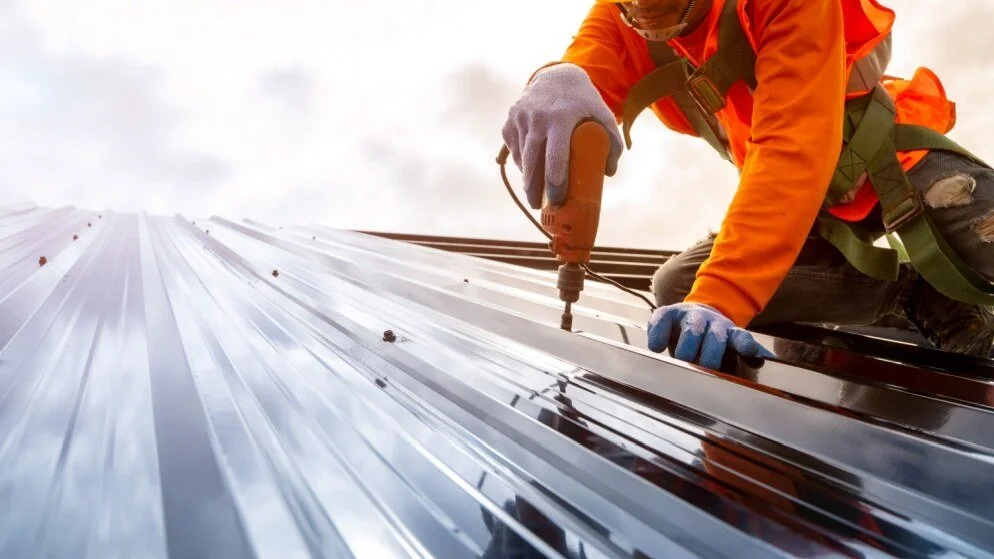
After the roof deck has been prepared, the contractor installs the underlayment and any required protective components. Underlayment creates an additional barrier beneath the metal panels and helps protect the structure if water passes beyond the exterior surface. The selected product should be compatible with the roofing material and installed according to the manufacturer’s instructions. Flashing is then fitted around roof valleys, chimneys, skylights, vents, and other transitions where water could enter the building. Proper flashing details are especially important because these areas often require more careful work than large, open sections of the roof.The metal panels are then positioned and secured according to the selected roofing system. Contractors must follow the correct fastening pattern, panel alignment, overlap requirements, and spacing specifications. Incorrectly installed fasteners can create openings, affect panel movement, or compromise the roof’s ability to withstand environmental exposure. The installation process should also account for thermal expansion and contraction, particularly when the selected panel system requires specific allowances for temperature-related movement. Once the main panels are installed, the contractor completes ridge caps, edge details, trim, and other accessories needed to create a finished and weather-resistant assembly. A final inspection helps confirm that the installation is complete and that the surrounding property has been cleaned.
Energy Efficiency and Indoor Comfort
An aging roofing system can affect how effectively a building manages heat, especially when insulation and ventilation are also in poor condition. Metal roofing products are available with different finishes, including options designed to reflect a portion of incoming sunlight. Depending on the product and building design, reflective finishes may reduce solar heat absorption and help limit the amount of heat transferred into the attic. However, homeowners should not assume that every metal roof automatically reduces energy costs. Actual results depend on the finish, insulation levels, attic ventilation, building orientation, climate, and household energy use. Reviewing manufacturer performance information provides a more realistic basis for comparing products.Ventilation is equally important when replacing a roof because warm, moist air needs a suitable path out of the attic. Without appropriate airflow, heat and moisture may accumulate beneath the roof, potentially affecting insulation and contributing to condensation. A replacement project provides an opportunity to check existing intake and exhaust openings and determine whether improvements are needed. Proper ventilation supports the performance of the complete roof assembly and can help reduce moisture-related concerns. Combining a suitable roofing material with effective insulation and ventilation provides a more comprehensive approach to maintaining indoor comfort.
Maintenance After Installing a New Metal Roof
Although a new metal roof can provide durable protection, regular maintenance remains important for preserving its condition. Homeowners should arrange periodic inspections to check panel connections, fasteners, flashing, roof edges, and drainage components. Small issues can sometimes develop around penetrations or transitions even when the main panels remain in good condition. Inspections after severe weather can help identify loose trim, damaged sections, debris accumulation, or other visible concerns. Addressing minor problems early can reduce the possibility of water entering the structure and damaging interior materials.Gutters and downspouts should be kept clear so rainwater can drain away from the roof and foundation efficiently. Leaves, branches, and dirt can block drainage channels, allowing water to overflow near roof edges or collect around vulnerable exterior areas. Nearby branches should also be trimmed if they repeatedly touch the roof or drop significant debris onto the surface. Homeowners should avoid using harsh cleaning chemicals or abrasive tools that may damage protective finishes. The manufacturer’s maintenance instructions should guide any cleaning or surface treatment, and professional assistance is advisable when the roof requires specialized attention.
Understanding Replacement Costs and Project Value
The total cost of a replacement project depends on several factors, including the roof’s size, slope, complexity, selected material, panel profile, labor requirements, and condition of the underlying structure. Additional expenses may arise when contractors discover damaged decking, deteriorated flashing, ventilation problems, or structural issues during removal. The price of the metal panels is only one part of the overall investment. Homeowners should request detailed estimates that explain material specifications, labor, underlayment, flashing, removal, disposal, and any additional work included in the proposal. This makes it easier to compare contractors based on the complete scope rather than the headline price alone.Warranty coverage should also be reviewed before signing an agreement. Manufacturers may provide warranties related to material defects or protective finishes, while contractors may offer separate workmanship coverage. These warranties can have different conditions, exclusions, registration requirements, and maintenance responsibilities. Homeowners should understand what is covered, how long coverage lasts, and what steps must be followed if a problem occurs. Keeping copies of the written contract, product details, installation records, and warranty documents can help protect the investment and make future maintenance easier to manage.
Choosing a Reliable Roofing Professional
The quality of the contractor has a major influence on the success of the replacement project. Homeowners should look for professionals who can explain available metal roofing systems, inspect the existing structure, provide a detailed estimate, and describe the installation process clearly. Experience with the specific product is valuable because different systems have different requirements for panel alignment, fastening, flashing, and accessories. Property owners should also review references, previous projects, insurance information, and warranty terms before selecting a company. Clear communication helps establish realistic expectations about the schedule, material delivery, site preparation, and any additional repairs that may be required.A reliable contractor should never focus only on installing new panels while overlooking the rest of the roofing assembly. The roof deck, underlayment, ventilation, flashing, gutters, and structural components all contribute to the finished system’s performance. A professional assessment should explain any concerns and identify the work needed before installation begins. This approach helps homeowners understand why certain improvements are necessary and reduces the likelihood of unexpected problems after the project is completed.
Conclusion
Replacing an aging roof is an important opportunity to improve the protection, appearance, and overall performance of a property. A properly planned metal roof replacement can provide a durable roofing system with modern design options, reliable weather protection, and long-term value when the right materials and installation methods are selected. Success depends on careful inspection, proper structural preparation, suitable underlayment and flashing, accurate panel installation, and regular maintenance. By comparing roofing products, reviewing detailed estimates, understanding warranty coverage, and choosing an experienced contractor, homeowners can make a confident investment in a roof designed to protect their property for years to come.
Author

thedailygurdian@gmail.com
Related Posts
Choosing the Right Forklift Solutions for Efficient Material Handling
- 0
- 2,402 words
Modern warehouses, distribution centers, manufacturing facilities, and industrial operations depend on reliable equipment to move products safely and efficiently. From unloading heavy...
Read out all
Maintaining a Healthy Plumbing System with Professional Sewer Solutions
- 0
- 2,751 words
A properly functioning sewer system is one of the most important parts of maintaining a safe, clean, and comfortable residential or commercial...
Read out all
Roof Tarping: Immediate Protection Against Roofing Damage and Water Intrusion
- 0
- 2,055 words
A damaged roofing system can expose an entire property to serious problems, especially when heavy rainfall, strong winds, or severe storms create...
Read out all
Improving Heating Performance and Indoor Comfort Through Professional Furnace Cleaning
- 0
- 2,645 words
Understanding Why Furnace Cleaning Is Essential A furnace is one of the most important components of a property’s heating system because it...
Read out all
Protecting Your Property Through Professional Leak Detection
- 0
- 2,317 words
Understanding the Importance of Leak Prevention Plumbing systems play an essential role in everyday comfort, providing a dependable supply of water for...
Read out all
Beyond the Foundation: Creating Exceptional Outdoor Spaces with Concrete Design
- 0
- 3,103 words
Concrete has become an essential material in modern residential landscaping because it combines structural strength, design flexibility, and long-term practicality. Homeowners looking...
Read out all