
- 0
- 2,432 words
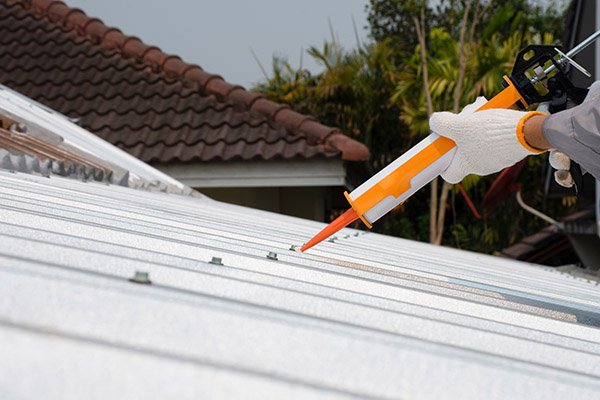
A roof plays a critical role in protecting a building from rain, wind, sunlight, temperature changes, and other environmental conditions that can gradually affect its structure. Over time, roofing materials may develop minor cracks, worn protective layers, surface discoloration, and areas where moisture can penetrate. These issues can lead to leaks, interior water damage, insulation problems, and expensive repairs if they are not addressed promptly. Regular roof inspections and preventive maintenance help property owners identify developing concerns before they become serious structural problems. One useful maintenance option is applying an appropriate protective sealant to compatible roofing materials. Roof sealing can help reduce moisture penetration, support the performance of existing roofing components, and improve resistance to certain environmental stresses when the roof is in suitable condition. Understanding how sealing works, which materials may benefit from it, and why proper preparation matters can help homeowners and commercial property managers make informed decisions about maintaining their roofs.
Understanding the Purpose of Roof Protection
Roofing systems consist of several components that work together to keep water outside the building and maintain a reliable protective barrier. Depending on the design, these components may include shingles, metal panels, tiles, membranes, flashing, underlayment, and drainage features. Each part serves a specific purpose, and damage to one component can affect the performance of the entire system. Protective coatings and sealants may help reduce exposure to moisture, ultraviolet radiation, and ordinary weathering, but they cannot correct every roofing problem. A sealant is most effective when applied to a compatible surface that has been properly inspected, cleaned, and repaired where necessary. Property owners should therefore begin with an assessment of the roof’s condition rather than assuming that a protective coating will solve existing leaks or structural deterioration. Understanding the difference between preventive maintenance and necessary repairs helps ensure that any treatment supports the roofing system instead of concealing problems that require more comprehensive attention.
How Roof Sealing Helps Reduce Moisture Problems
Water infiltration is one of the most common concerns associated with roofing systems because even a small opening can allow moisture to reach vulnerable materials. Rainwater may enter through deteriorated flashing, damaged seams, loose fasteners, cracked sealant, or weakened roofing surfaces. Once moisture reaches the underlying structure, it can damage insulation, stain ceilings, weaken wood components, and encourage mold growth when suitable conditions persist. Roof sealing can help create an additional protective barrier on compatible surfaces, reducing the likelihood that water will penetrate through minor surface imperfections. However, the effectiveness of a sealant depends on the product, the roof material, the quality of preparation, and the condition of the existing roofing assembly. Active leaks, extensive cracks, loose roofing components, and structural damage should be evaluated and repaired before a coating is applied. Treating the visible surface without correcting the underlying cause may only provide temporary improvement. A thorough inspection helps determine whether sealing is appropriate or whether more extensive repairs are needed to restore reliable water protection.
Protecting Roofing Materials From Sunlight and Weathering
Roofing materials remain exposed to sunlight and changing weather conditions throughout their service life. Ultraviolet radiation can gradually degrade certain coatings, dry out some materials, and contribute to surface deterioration. Repeated heating and cooling may also cause expansion and contraction, placing stress on seams, joints, fasteners, and other vulnerable areas. Wind-driven rain, airborne debris, and seasonal temperature changes can add further pressure to an aging roof. Depending on the material and product specifications, a suitable protective sealant may help limit certain forms of surface exposure and preserve the performance of compatible roofing components. Reflective roof coatings may also reduce solar heat absorption when designed for that purpose, but not every sealant provides meaningful energy-saving benefits. Property owners should review product specifications carefully and select a coating intended for the particular roofing material and climate conditions. Applying an unsuitable product can interfere with drainage, trap moisture, or fail prematurely. The goal is to choose a treatment that complements the roof’s design while supporting its long-term maintenance requirements.
Identifying Roof Areas That May Need Attention
A successful maintenance plan begins with recognizing the areas most likely to develop leaks or deterioration. Roof valleys, flashing around chimneys, vent penetrations, skylights, seams, and transitions between different roofing materials deserve particular attention because these locations can be vulnerable to water entry. Flat and low-slope roofs may require careful evaluation of drainage paths, membrane joints, and areas where water tends to collect. Sloped roofs may show problems around damaged shingles, exposed fasteners, deteriorated ridge components, or improperly sealed penetrations. Interior signs can also provide useful clues, including water stains on ceilings, peeling paint, damp insulation, and unexplained moisture near exterior walls. These symptoms do not always reveal the exact source of a leak, since water can travel along structural components before becoming visible indoors. A professional inspection can help trace the problem and distinguish between a minor maintenance issue and a more serious defect. Identifying vulnerable areas early makes it easier to determine whether localized repairs, seam treatment, a protective coating, or roof replacement should be considered.
Preparing the Roof Before Applying a Sealant
Surface preparation is one of the most important factors influencing the performance of a roofing sealant. Dirt, dust, leaves, algae, loose coatings, and other contaminants can prevent a product from adhering correctly to the roof. If moisture is trapped beneath a new coating, the material may blister, peel, or fail to create the intended protective barrier. Before work begins, the roof should be inspected for damaged materials, deteriorated flashing, loose fasteners, failed joints, and other defects that require repair. Appropriate cleaning may then be performed using a method suitable for the roofing material, taking care not to dislodge shingles, damage coatings, or force water beneath the roof covering. The surface must also meet the sealant manufacturer’s requirements for dryness, temperature, and preparation. Some products require primers or specific application conditions, while others are designed for direct application to particular substrates. Rushing through preparation can compromise the entire project, even when a high-quality product is selected. Careful inspection and cleaning help establish the conditions necessary for a durable, consistent application.
Choosing the Right Sealant for the Roofing Material
Different roofing materials require different protective products, so choosing a sealant should involve more than comparing price or advertised durability. Metal roofs may need coatings compatible with the existing finish and designed to accommodate normal movement at seams and fasteners. Flat or low-slope roofing systems may use membranes that require specialized products compatible with their composition. Tile roofs, asphalt shingles, and other sloped roofing materials have their own maintenance requirements, and some should not be coated unless the manufacturer specifically permits it. A product that performs well on one surface may adhere poorly to another or interfere with the roof’s ability to release moisture. Compatibility with existing coatings, expected weather exposure, drainage characteristics, and warranty requirements should all be considered before a product is selected. Property owners should also understand the difference between a localized sealant used around a joint and a roof coating intended to cover a broad surface. Selecting the correct product helps ensure that the treatment serves its intended purpose without creating avoidable problems for the roofing system.
The Importance of Professional Roof Sealing Services
Applying a protective roof treatment may appear straightforward, but achieving dependable results requires appropriate surface preparation, product knowledge, and safe access to elevated areas. Professionals can evaluate the roofing material, identify visible defects, determine whether repairs are necessary, and recommend a treatment that suits the roof’s condition. They can also assess drainage, existing coatings, and vulnerable transitions that may be overlooked during a basic visual inspection. Property owners considering roof sealing should discuss the roof’s age, maintenance history, known leaks, and any previous coating applications before work begins. This information can help determine whether sealing is suitable or whether another maintenance solution would be more effective. Professional services may be particularly useful for complex roof designs, commercial buildings, low-slope systems, and roofs with difficult access. Because roof work involves fall hazards and potential material damage, it is important to use appropriate safety equipment and established procedures. A qualified service provider should explain the proposed process, product limitations, preparation requirements, and maintenance recommendations so property owners can understand the expected benefits and responsibilities.
Improving the Performance of Flat and Low-Slope Roofs
Flat and low-slope roofs are commonly used on commercial buildings, garages, additions, and some residential structures. Although these roofs may appear nearly level, they rely on carefully designed drainage systems to direct water toward drains, scuppers, or gutters. Poor drainage can create standing water, increase stress on seams, and expose vulnerable areas to prolonged moisture. Before a protective coating is considered, the roof should be evaluated for blocked drains, low spots, damaged membranes, and evidence of recurring water accumulation. A compatible coating may help protect an appropriate roofing system, but it should not be used to conceal structural sagging or unresolved drainage defects. The coating must also be suitable for the expected water exposure and movement of the underlying material. Regular inspection of drainage outlets and roof penetrations remains important even after treatment. By combining suitable surface protection with proper drainage maintenance, property owners can support the performance of low-slope roofing systems and reduce the likelihood that minor defects will remain unnoticed.
Supporting Energy Efficiency and Indoor Comfort
Roofing materials influence how much heat enters a building, particularly during periods of strong sunlight. Some specialized roof coatings are designed to reflect a portion of solar radiation and reduce the amount of heat absorbed by the roof surface. When the product is appropriate for the building and installed according to its specifications, this type of coating may help reduce roof temperatures and lessen cooling demand under suitable conditions. However, ordinary sealants do not automatically provide reflective or insulating benefits, and the results depend on factors such as roof color, insulation levels, ventilation, building design, and climate. Property owners should distinguish between a moisture-protection sealant and a reflective coating intended to improve solar performance. An energy-focused product should be evaluated based on its documented properties rather than general marketing claims. It is also important to consider the roof’s existing condition because a coating cannot compensate for inadequate insulation, major air leaks, or poorly designed ventilation. When selected as part of a broader building-maintenance strategy, a suitable roof coating may contribute to better surface protection and indoor comfort.
Preventing Costly Repairs Through Routine Inspections
Roofing problems often develop gradually, making routine inspections a valuable part of responsible property maintenance. Small areas of deteriorated sealant, loose fasteners, damaged flashing, or minor surface cracking may be easier to address before water reaches the underlying structure. Once a leak damages insulation, drywall, electrical components, or timber, the repair can become more complicated and expensive. Property owners should arrange inspections at appropriate intervals and pay particular attention after severe weather, falling debris, or other events that may have affected the roof. Interior spaces should also be checked for water stains, musty odors, peeling finishes, or other signs of moisture intrusion. A maintenance record can help track previous repairs, product applications, and recurring concerns, allowing future inspections to focus on vulnerable areas. Roof sealing may be one part of this preventive approach, but it should always be combined with timely repairs and proper drainage. No protective treatment eliminates the need for ongoing inspection, and the expected service life of any coating depends on its composition, exposure, application quality, and maintenance.
Common Mistakes to Avoid During Roof Maintenance
One common mistake is applying a coating over a roof that has not been properly inspected. A sealant may temporarily cover a visible opening while leaving damaged materials, deteriorated flashing, or trapped moisture untreated beneath the surface. Another mistake is selecting a product based only on price without confirming that it is compatible with the roofing material and existing finish. Applying excessive product, ignoring manufacturer instructions, or working under unsuitable weather conditions can also affect adhesion and durability. Pressure washing delicate roofing materials without the correct technique may loosen components or force water into vulnerable areas. Some property owners also assume that a newly treated roof no longer requires inspection, which can allow new damage to go unnoticed. Safety should never be overlooked, particularly when work involves steep slopes, wet surfaces, fragile roof sections, or nearby electrical equipment. Avoiding these mistakes begins with a realistic assessment of the roof’s condition, careful product selection, proper preparation, and adherence to professional recommendations. A well-planned maintenance project focuses on solving the actual problem instead of simply improving the roof’s appearance.
Maintaining the Benefits After Application
After a sealant or protective coating has been applied, ongoing maintenance helps preserve its intended performance. The roof should be inspected according to the product manufacturer’s recommendations, with particular attention to seams, penetrations, drainage outlets, and areas exposed to repeated movement or standing water. Leaves, branches, and other debris should be removed when safe and appropriate, while gutters and drainage components should remain clear enough to carry water away efficiently. Property owners should avoid using cleaning chemicals or aggressive washing methods that could damage the new coating. If a section begins to peel, crack, blister, or separate from the surface, the cause should be investigated before additional product is applied. Repairs may require localized preparation or a compatible maintenance coating, depending on the material and the manufacturer’s instructions. Records of the product used, application date, and any maintenance work can also be helpful when planning future inspections. Consistent care helps property owners identify changes early and determine whether a treated roof continues to perform as expected or needs additional professional attention.
Conclusion
Protecting a roof requires a combination of inspection, appropriate repairs, suitable materials, and consistent maintenance. A compatible protective coating can help reduce moisture exposure and support the performance of certain roofing systems, but its success depends on the condition of the roof and the quality of the application. Property owners should address active leaks, damaged components, and drainage problems before considering a sealing treatment, since surface protection cannot replace necessary repairs. Choosing the right product, preparing the surface carefully, and following manufacturer requirements are essential steps toward achieving dependable results. Professional assessment can also help determine whether a roof is suitable for treatment or whether another solution would offer better long-term value. When included in a broader maintenance plan, roof sealing can contribute to roof protection, help limit preventable deterioration, and support the continued performance of compatible roofing materials. Regular inspections and timely attention to developing issues remain essential for protecting the building and maintaining a reliable roof over time.
Author

thedailygurdian@gmail.com
Related Posts

Choosing the Right Forklift Solutions for Efficient Material Handling
- 0
- 2,402 words
Modern warehouses, distribution centers, manufacturing facilities, and industrial operations depend on reliable equipment to move products safely and efficiently. From unloading heavy...
Read out all
Maintaining a Healthy Plumbing System with Professional Sewer Solutions
- 0
- 2,751 words
A properly functioning sewer system is one of the most important parts of maintaining a safe, clean, and comfortable residential or commercial...
Read out all
Roof Tarping: Immediate Protection Against Roofing Damage and Water Intrusion
- 0
- 2,055 words
A damaged roofing system can expose an entire property to serious problems, especially when heavy rainfall, strong winds, or severe storms create...
Read out all
Improving Heating Performance and Indoor Comfort Through Professional Furnace Cleaning
- 0
- 2,645 words
Understanding Why Furnace Cleaning Is Essential A furnace is one of the most important components of a property’s heating system because it...
Read out all
Protecting Your Property Through Professional Leak Detection
- 0
- 2,317 words
Understanding the Importance of Leak Prevention Plumbing systems play an essential role in everyday comfort, providing a dependable supply of water for...
Read out all
Beyond the Foundation: Creating Exceptional Outdoor Spaces with Concrete Design
- 0
- 3,103 words
Concrete has become an essential material in modern residential landscaping because it combines structural strength, design flexibility, and long-term practicality. Homeowners looking...
Read out all