
- 0
- 3,078 words
A comfortable hotel experience begins long before guests enter the reception area or check into their rooms. For many travelers, the first impression of a property starts when they arrive by car and look for a convenient, secure, and well-organized place to park. Parking facilities are an important part of hotel operations because they influence guest satisfaction, accessibility, safety, and the overall appearance of the property. Whether visitors are traveling for business, enjoying a family vacation, or attending a special event, they appreciate facilities that make arriving and leaving simple and stress-free. A properly planned hotel parking lot can improve the guest experience while helping hotel management maintain an organized and professional environment.
Parking is more than simply providing an empty space for vehicles. It involves thoughtful planning, appropriate traffic arrangements, clear directions, suitable lighting, security measures, and regular maintenance. Hotels that pay attention to these details can create a welcoming environment for visitors while reducing confusion and operational challenges. As travel habits continue to change and more people rely on private transportation, parking facilities have become an important consideration when selecting accommodation. Understanding the essential elements of effective parking management can help hotel owners, property managers, and hospitality professionals make informed decisions about their facilities.
Why Parking Facilities Are Important for Hotels
Parking facilities play an important role in shaping the overall guest experience. Travelers often arrive after spending several hours on the road, and the last thing they want is to struggle to find an appropriate place for their vehicles. Convenient parking allows guests to reach the reception area without unnecessary delays and begin their stay comfortably. This is particularly important for families carrying luggage, business travelers following tight schedules, and older visitors who may prefer shorter walking distances. A well-organized hotel parking lot helps eliminate unnecessary inconvenience and creates a positive first impression.
Another important reason parking matters is that it contributes to the hotel’s reputation. Guests frequently mention parking availability, accessibility, and security when sharing their experiences through online reviews. If visitors encounter overcrowded spaces, unclear markings, or poorly maintained surfaces, these problems can influence their overall opinion of the property. On the other hand, clean, accessible, and properly managed parking facilities demonstrate that hotel management pays attention to practical details. Although parking might not be the main reason someone books a room, it can significantly influence how comfortable and convenient the stay feels.
Parking also supports the hotel’s daily operations. Employees, suppliers, delivery drivers, event attendees, and temporary visitors may all need designated areas. Without an organized system, different groups can compete for limited spaces, creating unnecessary confusion. Clearly assigned parking sections help hotel management control vehicle movement and ensure that guests receive appropriate access. This organized approach is particularly valuable for properties that operate restaurants, conference facilities, banquet halls, and recreational services alongside their accommodation business.
Planning an Efficient Parking Layout
An efficient parking layout begins with understanding the property’s available space and expected vehicle demand. Hotel management should consider the number of guest rooms, average occupancy, employee requirements, restaurant visitors, and additional traffic generated by meetings or special events. These factors help determine how many parking spaces are necessary and how the available area should be distributed. A layout designed without considering actual demand may result in overcrowding during busy periods or inefficient use of valuable property space during quieter seasons.
The arrangement of individual parking spaces also deserves careful attention. Vehicles should have sufficient room to enter, park, and leave without creating unnecessary difficulties for neighboring drivers. Traffic lanes must be wide enough to support comfortable movement, while directional markings should guide vehicles toward appropriate sections. Designers should consider different vehicle sizes, including standard passenger cars, larger family vehicles, and service vehicles. A practical layout balances parking capacity with safe circulation, ensuring that increasing the number of spaces does not create dangerous or frustrating driving conditions.
Pedestrian movement is another essential consideration during the planning process. Guests should be able to walk from their vehicles to the hotel entrance without crossing busy traffic routes unnecessarily. Clearly identified pedestrian pathways, visible crossings, and suitable access points can reduce the likelihood of accidents. Designers should also consider the needs of people carrying luggage, families with children, and visitors with limited mobility. When pedestrians and vehicles have clearly separated routes, the entire parking environment becomes easier to navigate and manage.
Security Measures That Protect Vehicles and Guests
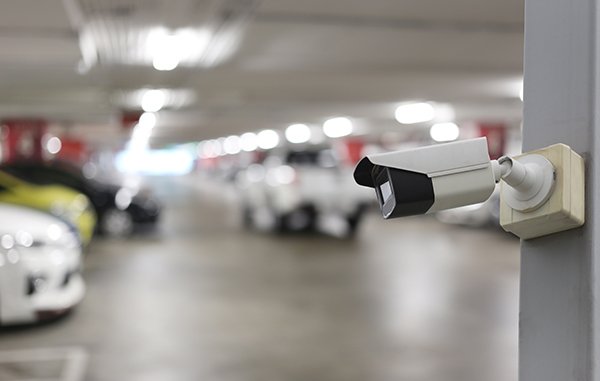
Security is one of the most important features of a reliable parking facility. Guests expect their vehicles and personal belongings to remain protected while they enjoy their stay. Although no security system can eliminate every possible risk, hotels can introduce several measures to reduce opportunities for theft, vandalism, and unauthorized access. Appropriate lighting, surveillance cameras, controlled entry points, and regular security patrols can create a safer environment while helping visitors feel more confident about leaving their vehicles unattended.
Lighting deserves particular attention because parking areas may be used throughout the day and night. Dark corners, poorly illuminated pathways, and hidden sections can make visitors uncomfortable and reduce visibility for security personnel. Properly positioned lighting fixtures should provide consistent illumination across parking spaces, pedestrian routes, entrances, and exits. Hotels should also inspect lighting equipment regularly to identify damaged fixtures or areas that require additional coverage. Energy-efficient lighting systems can help maintain suitable visibility while controlling electricity expenses.
Security cameras can provide additional monitoring and support investigations when incidents occur. However, their placement should be carefully planned to cover important access points and frequently used sections. Hotel management should establish appropriate procedures for monitoring footage, maintaining equipment, and protecting recorded information. Clear communication about security arrangements can also reassure guests without creating unrealistic expectations. Combining technology with trained personnel and consistent management procedures creates a more comprehensive approach to vehicle and visitor protection.
Cleanliness and Regular Maintenance
The condition of parking facilities reflects the hotel’s overall approach to property management. Visitors notice damaged pavement, accumulated rubbish, faded markings, standing water, and neglected landscaping when they arrive. These issues can make an otherwise attractive property appear poorly maintained. Regular cleaning and inspections help preserve the appearance of the facility while preventing small problems from developing into expensive repairs. A clean parking environment also contributes to a more pleasant atmosphere for guests and employees.
Surface maintenance is particularly important because vehicles place continuous pressure on paved areas. Cracks, potholes, uneven sections, and loose materials can damage tires or create hazards for pedestrians. Hotel management should arrange periodic inspections to identify areas that require repair. Depending on the surface material and the severity of the damage, maintenance may involve filling cracks, resurfacing sections, repairing drainage problems, or replacing damaged pavement. Addressing these concerns early can extend the useful life of the parking surface and reduce long-term maintenance costs.
Drainage should also be included in routine maintenance planning. Heavy rainfall can create standing water when drainage channels become blocked or the surface has not been designed with appropriate slopes. Water accumulation may damage pavement, create slippery walking conditions, and make parking spaces less convenient to use. Cleaning drains, checking water flow, and inspecting the surrounding surfaces can help prevent these problems. Hotels should also maintain waste bins, remove fallen leaves, and keep landscaping under control so that the entire area remains neat and functional.
Accessibility and Inclusive Parking Design
Accessibility is an essential part of modern hospitality management. Hotels welcome guests with different physical abilities, mobility requirements, and personal circumstances. Parking facilities should therefore include appropriately designated accessible spaces that allow visitors to reach the building conveniently. These spaces should be positioned according to applicable accessibility regulations and should provide sufficient room for entering and exiting vehicles. Clear signs and visible pavement markings help prevent unauthorized use and make designated areas easier to identify.
Accessible routes should connect parking spaces with hotel entrances, reception areas, elevators, and other important facilities. These pathways should be free from unnecessary obstacles and should have suitable surfaces that support wheelchairs, walking aids, and other mobility equipment. Where ramps are necessary, their design should follow relevant safety and accessibility standards. Hotel management should regularly inspect these routes to ensure that temporary objects, parked vehicles, or maintenance equipment do not block access.
Inclusive planning benefits more than guests with permanent disabilities. Older visitors, pregnant travelers, people recovering from injuries, and families traveling with young children may also appreciate convenient parking arrangements. Hotels can improve the experience for these visitors by providing clearly marked drop-off areas, convenient walking routes, and practical access to luggage assistance. An inclusive approach demonstrates respect for different guest needs and helps make hospitality facilities more welcoming to everyone.
Technology and Modern Parking Management
Technology has introduced new opportunities for improving parking operations. Traditional systems often rely on manual observation and basic signs, but modern facilities can use digital tools to make vehicle management more efficient. Automated entry systems, electronic payment options, parking sensors, and digital guidance displays can help reduce delays and improve the visitor experience. These technologies are particularly useful for larger properties that receive significant numbers of vehicles throughout the day.
Parking sensors can identify occupied and available spaces, allowing management systems to provide more accurate information about parking capacity. Digital signs can direct drivers toward available sections and reduce the time spent searching for spaces. Some systems also allow guests to access parking information through mobile applications or online platforms before arriving. These features can make the arrival process more convenient, especially during conferences, weddings, holidays, and other periods of increased demand.
Payment technology can also simplify parking operations when facilities charge for vehicle storage. Contactless payment systems, digital receipts, and automated ticketing can reduce dependence on manual processes. However, technology should always remain easy to understand and accessible to visitors who may not be comfortable using digital services. Hotels should provide alternative assistance where necessary and ensure that automated systems receive regular maintenance. The objective should be to improve convenience rather than introduce additional complications.
Managing Traffic Flow and Preventing Congestion
Effective traffic management is necessary to maintain a smooth and organized parking environment. Vehicles entering and leaving a hotel may include guests, taxis, ride-sharing services, delivery trucks, employees, and event participants. If these different traffic groups use the same narrow routes without clear direction, congestion can develop quickly. A practical traffic plan should identify separate entry and exit arrangements where possible and provide clear instructions for different types of visitors.
Directional signs are among the simplest and most effective ways to manage vehicle movement. Signs should be easy to read, positioned where drivers can see them in advance, and consistent throughout the property. Arrows, speed-limit indicators, pedestrian warnings, and designated parking labels help visitors understand where they should travel. Painted arrows and lane markings provide additional guidance, particularly in areas where vehicles need to turn or change direction.
Hotels should also consider traffic patterns during peak periods. Breakfast hours, conference schedules, wedding receptions, and evening check-in times may produce sudden increases in vehicle activity. Management can reduce congestion by assigning staff to assist with arrivals, organizing temporary drop-off arrangements, and communicating parking instructions before large events. Reviewing traffic conditions regularly allows hotels to identify recurring problems and make adjustments based on actual operational needs.
Sustainable Practices for Environmentally Responsible Parking
Environmental responsibility is becoming an increasingly important consideration in the hospitality industry. Parking facilities occupy considerable outdoor space, and their design can influence water management, energy consumption, and the surrounding environment. Hotels can introduce sustainable practices by selecting suitable materials, improving drainage, incorporating landscaping, and using energy-efficient lighting. These measures can support environmental goals while creating a more attractive and comfortable outdoor space.
Permeable paving materials are one option for improving stormwater management in suitable areas. Unlike completely impermeable surfaces, these materials allow some water to pass through, helping reduce surface runoff when installed and maintained correctly. Landscaping can also support environmental performance by introducing trees, plants, and green spaces around parking sections. Vegetation may provide shade, improve the appearance of the property, and help reduce the amount of exposed paved surface. Plant selection should take local climate conditions and maintenance requirements into account.
Electric vehicle charging stations are another feature that hotels may consider as transportation preferences change. Guests who drive electric vehicles often appreciate having access to charging facilities during overnight stays. Before installation, management should evaluate electrical capacity, equipment requirements, installation expenses, safety considerations, and expected demand. Charging spaces should be clearly marked and integrated into the overall parking layout without blocking pedestrian routes or emergency access. Sustainable improvements are most effective when they are introduced through careful planning rather than simply following trends.
The Role of Parking in Guest Satisfaction
Guest satisfaction is influenced by many different elements, including room quality, cleanliness, customer service, food, and convenience. Parking may seem like a small part of the overall experience, but it can have a noticeable effect on how visitors evaluate their stay. A traveler who finds an available space quickly, receives clear directions, and can reach the reception area without difficulty is more likely to begin the visit with a positive impression. In contrast, confusing arrangements and long delays can create frustration before the guest even enters the building.
Communication is an important part of creating a convenient experience. Hotels should provide accurate parking information on their websites, booking confirmations, and arrival instructions. Guests may want to know whether parking is complimentary, whether reservations are required, whether larger vehicles can be accommodated, and whether charging facilities are available. Providing clear information before arrival helps visitors plan their journeys and reduces misunderstandings at reception.
Staff assistance can further improve the experience. Reception employees and parking attendants should understand the layout, know where accessible spaces are located, and be able to explain any relevant parking procedures. During busy periods, trained employees can guide drivers toward available spaces and assist with luggage arrangements. Friendly and knowledgeable support makes parking easier to navigate and reinforces the hotel’s commitment to customer service.
Budgeting and Long-Term Parking Investments
Developing and maintaining parking facilities requires financial planning. Initial expenses may include land preparation, excavation, paving, drainage installation, lighting, signs, landscaping, security equipment, and accessibility improvements. The overall investment depends on the size of the property, the selected materials, local construction requirements, and the complexity of the design. Hotel owners should evaluate both immediate construction costs and the expenses associated with long-term maintenance.
Choosing materials solely because they are inexpensive can create additional costs in the future. Low-quality surfaces may deteriorate quickly, while poorly installed drainage systems can lead to repeated repairs. Similarly, inadequate lighting and security arrangements may require expensive improvements later. A balanced investment strategy considers durability, safety, operating expenses, and the expected lifespan of different components. Working with qualified architects, engineers, and construction professionals can help hotel management make practical decisions.
Regular maintenance budgeting is equally important. Hotels should allocate funds for cleaning, pavement repairs, lighting replacement, landscaping, security equipment, and periodic inspections. Keeping accurate maintenance records helps identify recurring problems and determine whether certain areas require more substantial improvements. A planned maintenance program is generally easier to manage than responding to emergencies after visible damage has already developed.
Safety Procedures and Emergency Preparedness
Safety planning should cover ordinary daily activities as well as unexpected situations. Parking facilities may experience vehicle collisions, pedestrian incidents, equipment failures, fires, or medical emergencies. Hotel management should establish clear procedures for reporting incidents and contacting the appropriate emergency services. Employees should understand their responsibilities and know how to guide guests away from potentially dangerous areas when necessary.
Emergency access routes must remain clear at all times. Fire exits, emergency vehicle pathways, hydrant access points, and designated assembly areas should never be blocked by parked vehicles or temporary equipment. Signs should clearly identify relevant safety features, while regular inspections should confirm that these areas remain accessible. Hotels should also ensure that emergency lighting and other essential safety equipment receive appropriate testing and maintenance.
Speed control is another important aspect of preventing accidents. Vehicles should move slowly through pedestrian areas, narrow lanes, and sections close to the hotel entrance. Speed-limit signs, road markings, speed bumps where appropriate, and clear pedestrian crossings can encourage safer driving behavior. Staff members should report damaged signs, blocked pathways, and other hazards promptly so that corrective action can be taken before an incident occurs.
Preparing Parking Facilities for Changing Guest Needs
The needs of hotel guests can change over time as transportation habits, vehicle sizes, technology, and travel expectations develop. A facility that meets current requirements may need adjustments in the future. Hotels should therefore avoid treating parking design as a permanent arrangement that never requires review. Regular assessments can help management identify changing demand, underused sections, recurring congestion, and opportunities for improvement.
For example, increased use of larger vehicles may require a review of space dimensions and turning areas. Growing demand for electric vehicles may encourage the installation of additional charging stations. Increased conference activity may require temporary traffic management arrangements or reserved parking sections. Hotels can respond to these changes more effectively when they maintain accurate records of occupancy patterns and guest feedback.
Flexibility should be an important consideration when planning future improvements. Where practical, management can select layouts and infrastructure that allow additional signs, security equipment, charging facilities, or pedestrian improvements to be introduced later. This approach can reduce the need for major reconstruction when requirements change. Consulting guests and employees can also provide useful insights into problems that may not be immediately visible during routine inspections.
Conclusion
Parking facilities are an essential part of hotel parking lot operations because they influence convenience, security, accessibility, traffic management, and guest satisfaction. A thoughtfully designed hotel parking lot provides more than space for vehicles; it creates an organized arrival experience and supports the smooth operation of the entire property. From suitable parking layouts and effective lighting to modern technology and sustainable materials, every design decision contributes to the quality and functionality of the facility.
Hotel owners and managers should approach parking as a long-term investment that requires careful planning, regular maintenance, and continuous improvement. Prioritizing safety, cleanliness, accessibility, and clear communication can help prevent common problems while creating a welcoming environment for different types of travelers. As guest expectations and transportation preferences continue to evolve, properties that regularly review and improve their parking arrangements will be better prepared to provide convenient and dependable services. Ultimately, a well-managed hotel parking lot supports a positive first impression, strengthens operational efficiency, and contributes to a more enjoyable hospitality experience.
Author

thedailygurdian@gmail.com
Related Posts
HVAC Repair: A Complete Guide to Maintaining Efficient Heating and Cooling Systems
- 0
- 3,085 words
A comfortable indoor environment depends heavily on a properly functioning heating, ventilation, and air conditioning system. Whether it is maintaining cool temperatures...
Read out all
Fence Installation: Improving Property Security, Privacy, and Outdoor Appeal
- 0
- 3,492 words
A well-designed fence is an important addition to any residential or commercial property because it provides security, privacy, and a clearly defined...
Read out all
Everything You Need to Know About Ground Preparation, Soil Management, and Construction Projects
- 0
- 2,592 words
Preparing land for construction requires careful planning, specialized equipment, and a clear understanding of soil conditions. Whether a property owner is planning...
Read out all
Building Stronger Emergency Communication Infrastructure Through Smart Wireless Network Planning
- 0
- 2,615 words
Introduction Reliable communication infrastructure is an essential part of modern building safety, emergency preparedness, and effective incident management. Hospitals, educational institutions, commercial...
Read out all
Sewer Camera Inspection: A Complete Guide to Detecting and Preventing Drainage Problems
- 0
- 2,643 words
Introduction to Sewer System Maintenance Maintaining a properly functioning sewer system is essential for keeping residential and commercial properties clean, safe, and...
Read out all
Smart Strategies for Managing Electrical Demands and Improving Property Safety
- 0
- 2,545 words
Introduction Electricity plays an essential role in modern homes and commercial properties, powering everything from lighting and kitchen appliances to heating systems,...
Read out all