
- 0
- 3,085 words
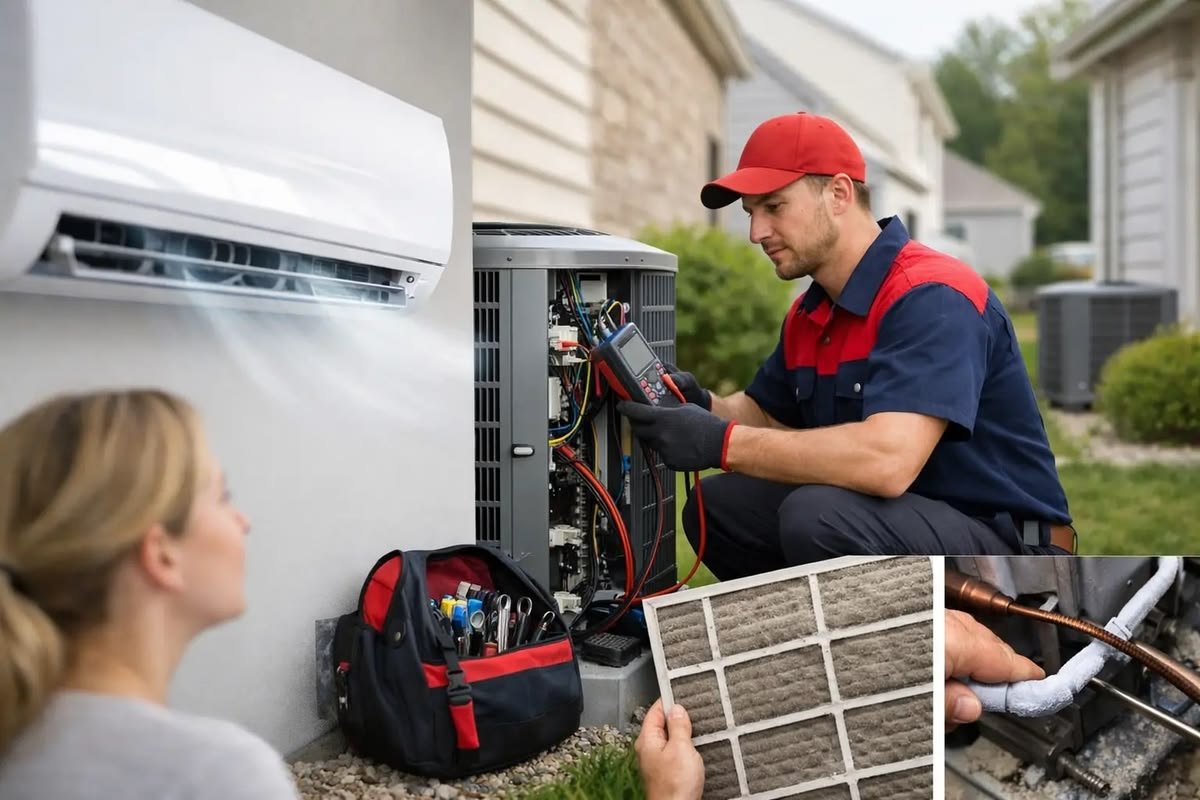
A comfortable indoor environment depends heavily on a properly functioning heating, ventilation, and air conditioning system. Whether it is maintaining cool temperatures during hot weather or providing reliable heating during colder months, an HVAC system plays an essential role in residential and commercial properties. However, like other mechanical equipment, heating and cooling systems experience regular wear and tear over time. Dirty filters, malfunctioning thermostats, refrigerant problems, damaged electrical components, clogged drain lines, and compressor failures can affect system performance and increase energy consumption. Addressing these problems promptly is important for maintaining indoor comfort, protecting equipment, and preventing unexpected breakdowns.
Professional HVAC repair services help property owners identify equipment problems, restore proper operation, and improve the overall efficiency of heating and cooling systems. Experienced technicians use specialized tools and diagnostic methods to inspect different components, identify underlying issues, and recommend appropriate solutions. Whether a property needs air conditioner repairs, furnace troubleshooting, heat pump servicing, thermostat replacement, or ventilation improvements, professional assistance can help maintain dependable system performance. Understanding common HVAC problems, repair procedures, maintenance requirements, and the benefits of professional service can help homeowners and business owners make informed decisions about their indoor climate systems.
Understanding How HVAC Systems Work
HVAC stands for heating, ventilation, and air conditioning. These systems are designed to regulate indoor temperatures, support air circulation, and help maintain suitable indoor air quality. Although residential and commercial systems vary in size and complexity, they generally rely on several interconnected components that work together to create a comfortable indoor environment.
Heating equipment provides warmth when indoor temperatures become too low. Depending on the installation, this may involve furnaces, heat pumps, boilers, or other heating technologies. Air conditioning systems remove heat from indoor air and transfer it outside through a refrigeration cycle.
Ventilation is another important part of HVAC operation. It helps circulate indoor air, manage humidity, and support the movement of fresh air throughout the building. Filters capture certain airborne particles before air passes through the system.
Thermostats act as control devices by monitoring indoor temperatures and communicating with the heating or cooling equipment. Modern programmable and smart thermostats can also provide scheduling features and additional temperature management options.
When any of these components develops a problem, the entire system may become less effective. Understanding the basic operation of HVAC equipment makes it easier to recognize potential problems and appreciate the importance of professional maintenance.
Common Signs That Your HVAC System Needs Repair
HVAC systems often provide warning signs before experiencing a complete breakdown. Recognizing these symptoms early can help property owners arrange repairs before minor problems become more expensive.
One common indication is inconsistent indoor temperatures. If certain rooms feel warmer or cooler than others, the problem may involve airflow restrictions, thermostat settings, ductwork leaks, or equipment performance.
Unusual noises are another warning sign. Grinding, rattling, buzzing, clicking, or squealing sounds may indicate loose components, motor problems, damaged fan blades, or electrical issues.
Weak airflow from vents can also suggest a problem. Dirty filters, blocked ducts, failing blower motors, or damaged ventilation components may prevent conditioned air from circulating properly.
Unexpected increases in energy bills may indicate that equipment is operating inefficiently. When an HVAC system has to work harder to maintain the selected temperature, energy consumption can increase.
Frequent cycling, unpleasant odors, unusual moisture around indoor equipment, and difficulty maintaining thermostat settings are additional symptoms that deserve attention.
If a system stops working completely, property owners should arrange professional inspection rather than repeatedly attempting to restart equipment that may have an underlying mechanical or electrical fault.
Common Causes of HVAC System Problems
HVAC problems can develop for several reasons, including normal wear and tear, inadequate maintenance, installation issues, and environmental conditions.
Dirty air filters are among the most common causes of reduced system performance. When filters become clogged with dust and debris, airflow may become restricted, forcing equipment to operate under greater strain.
Refrigerant problems can affect air conditioning performance. Low refrigerant levels may indicate a leak, while incorrect refrigerant handling can damage system components and reduce cooling capacity.
Electrical failures may involve damaged wiring, worn capacitors, malfunctioning contactors, or other control components. These problems can prevent equipment from starting or operating consistently.
Mechanical wear can also affect blower motors, fan assemblies, compressors, and other moving parts. Over time, components may become damaged or lose their original performance.
Drainage problems are another frequent concern. Air conditioning systems remove moisture from indoor air, and clogged condensate drain lines can cause water accumulation, leaks, and automatic safety shutdowns.
Identifying the actual cause of a problem is essential because replacing components without proper diagnosis may lead to unnecessary expenses and recurring equipment failures.
Air Conditioning Repair Services
Air conditioning systems are essential for maintaining indoor comfort during warm weather. When cooling equipment stops working correctly, indoor temperatures can rise quickly, particularly in buildings with limited ventilation.
Professional air conditioning repair services address problems involving compressors, condenser units, evaporator coils, blower motors, thermostats, electrical controls, and refrigerant systems.
One common issue is inadequate cooling. This may result from restricted airflow, dirty coils, refrigerant leaks, incorrect thermostat settings, or malfunctioning equipment.
Another problem involves the outdoor condenser unit. Dirt, debris, damaged fan components, and electrical faults can interfere with heat transfer and reduce cooling performance.Indoor evaporator coils also require attention because accumulated dirt can restrict airflow and affect the refrigeration process.
Technicians inspect the system to determine which components are causing the problem before recommending repairs. Depending on the condition of the equipment, the solution may involve cleaning, replacing a damaged component, repairing a refrigerant leak, or addressing electrical controls.Timely repairs can help restore cooling performance and reduce unnecessary strain on the system.
Heating System Repair and Maintenance
Heating systems require regular attention to maintain reliable operation and provide comfortable indoor temperatures. Although heating equipment may operate less frequently in certain climates, its components can still experience wear and performance problems.
Furnace repair services may involve inspecting burners, ignition systems, heat exchangers, blower motors, thermostats, and safety controls.
Heat pumps require a different diagnostic approach because they transfer heat rather than generating it through traditional combustion. Their operation depends on refrigerant circulation, electrical components, reversing valves, and outdoor equipment.Common heating problems include insufficient heat, unusual noises, frequent cycling, weak airflow, and inconsistent thermostat operation.
Gas heating systems require particular attention to combustion safety. If occupants notice a gas odor or suspect carbon monoxide exposure, they should leave the affected area and contact the appropriate emergency or utility service rather than attempting repairs.Professional technicians can evaluate heating equipment, identify mechanical or electrical problems, and recommend suitable repairs to restore safe and reliable operation.
Thermostat Troubleshooting and Replacement
The thermostat is an important part of an HVAC system because it controls when heating and cooling equipment operates. Even when the main equipment is functioning properly, a malfunctioning thermostat can interfere with indoor temperature regulation.
Common thermostat problems include inaccurate temperature readings, unresponsive controls, blank displays, incorrect scheduling, and communication failures with connected equipment.
Some issues may result from simple settings errors or depleted batteries. Other problems may involve damaged wiring, incompatible equipment, faulty sensors, or internal thermostat failures.Modern smart thermostats provide additional features such as remote access, scheduling, energy monitoring, and integration with certain home automation systems.
However, compatibility is important. Not every thermostat works with every heating and cooling configuration.Professional technicians can inspect thermostat wiring, verify system compatibility, and recommend a suitable replacement when necessary. Proper installation and configuration help ensure that the thermostat communicates correctly with the HVAC equipment.
Ductwork Inspection and Airflow Problems
Ductwork distributes conditioned air throughout a building, making it an important part of overall HVAC performance. Damaged, disconnected, poorly insulated, or leaking ducts can reduce airflow and affect indoor comfort.
One common sign of ductwork problems is uneven temperature distribution. Certain rooms may receive insufficient conditioned air while others remain comfortable.Air leaks can also contribute to energy waste because heated or cooled air may escape before reaching the intended rooms.
Dust accumulation and obstructions inside ducts may further affect airflow. However, duct cleaning should be recommended according to actual system conditions rather than treated as an automatic requirement for every property.
Professional duct inspections may involve checking visible connections, insulation, air leakage, and ventilation performance.Repairs can include sealing leaks, reconnecting separated sections, replacing damaged duct materials, and improving insulation where appropriate.
Well-maintained ductwork helps distribute conditioned air more effectively and supports consistent indoor temperatures.
Refrigerant Leaks and Cooling Performance
Refrigerant is essential for the operation of traditional air conditioning and heat pump systems. It circulates through the equipment and transfers heat between indoor and outdoor components.
When refrigerant levels become insufficient, the system may struggle to provide the expected cooling or heating performance. However, low refrigerant generally indicates a leak or another issue that requires investigation rather than simply adding more refrigerant.Signs of potential refrigerant problems may include reduced cooling capacity, longer operating cycles, ice formation on certain components, and unusual equipment behavior.
Refrigerant handling requires appropriate technical qualifications and equipment. Technicians should locate and repair leaks, evaluate the system, and handle refrigerant according to applicable regulations and manufacturer specifications.
Simply adding refrigerant without addressing the source of the problem is not a reliable long-term solution.Proper diagnosis helps protect the equipment, improve operating performance, and reduce unnecessary refrigerant loss.
Indoor Air Quality and HVAC Performance
Indoor air quality is an important consideration for residential and commercial buildings. HVAC systems influence how air circulates, how particles are filtered, and how indoor humidity is managed.
Dust, pollen, pet dander, and other airborne particles can accumulate indoors. Appropriate filtration can help reduce certain contaminants, although standard filters do not remove every type of airborne pollutant.Humidity control is equally important. Excessive indoor moisture may encourage mold growth and create uncomfortable conditions, while very dry air can cause irritation.
Ventilation helps manage indoor air by supporting the movement of fresh air and reducing the buildup of certain indoor pollutants.
HVAC maintenance should include inspecting filters, checking ventilation components, and evaluating drainage systems.Property owners may also benefit from selecting filtration equipment that is compatible with their HVAC system. Filters with unsuitable resistance can restrict airflow and negatively affect performance.
A properly maintained system can support better indoor comfort and more consistent air circulation.
Residential HVAC Repair Services
Residential HVAC systems help maintain comfortable living conditions throughout the year. Homeowners depend on reliable heating and cooling equipment to regulate indoor temperatures, manage humidity, and maintain suitable airflow.Residential repair services commonly involve air conditioner troubleshooting, furnace maintenance, heat pump repairs, thermostat replacement, ductwork inspections, and ventilation improvements.
The needs of individual homes can vary significantly depending on building size, insulation, equipment age, and the number of occupants.
Older homes may have aging ductwork, outdated thermostats, or equipment that no longer meets current efficiency expectations. Newer properties may require adjustments to system settings, airflow balancing, or maintenance of advanced controls.Homeowners should pay attention to unusual noises, inconsistent temperatures, water leaks, and repeated equipment shutdowns.
Scheduling professional inspections and addressing problems promptly can help reduce the likelihood of unexpected breakdowns and support dependable indoor comfort.
Commercial HVAC Repair for Business Properties
Commercial HVAC systems are often more complex than residential installations because they must regulate temperatures across larger buildings and accommodate different occupancy levels.
Offices, retail stores, restaurants, hotels, warehouses, and industrial facilities may use rooftop units, split systems, packaged equipment, chillers, or other specialized configurations.When commercial heating or cooling equipment fails, it can affect employees, customers, business operations, and sensitive equipment.
Professional commercial HVAC repair services may involve inspecting compressors, electrical controls, ventilation systems, ductwork, thermostats, and larger mechanical components.Preventive maintenance is particularly valuable for commercial buildings because unexpected equipment failures can cause operational interruptions and increase repair expenses.
Business owners and facility managers should establish suitable inspection schedules and maintain records of previous repairs.Working with technicians who understand commercial equipment can help businesses address problems efficiently and maintain more consistent indoor conditions.
HVAC System Maintenance and Preventive Care
Preventive maintenance is one of the most effective ways to support HVAC performance and reduce avoidable repair problems. Rather than waiting for equipment to stop working, property owners can schedule regular inspections to identify developing issues.
Replacing or cleaning air filters according to manufacturer recommendations is an important maintenance task. Dirty filters restrict airflow and can increase the workload placed on equipment.Outdoor units should also be kept free from excessive leaves, dirt, and other obstructions. Adequate clearance around equipment helps maintain proper airflow.
Professional maintenance visits may include checking electrical connections, inspecting motors, evaluating refrigerant performance, cleaning suitable components, and testing system controls.Condensate drain lines should be inspected to reduce the possibility of blockages and water leaks.
Homeowners should also pay attention to unusual operating sounds, changes in airflow, and increases in energy consumption.A consistent maintenance routine helps identify problems early, maintain equipment efficiency, and support a longer useful service life.
Energy Efficiency and Modern HVAC Upgrades
Energy efficiency is an important consideration when repairing or upgrading heating and cooling systems. Older equipment may consume more electricity or fuel than modern alternatives, particularly when components have deteriorated or the original installation was not properly sized.High-efficiency air conditioning systems, variable-speed motors, smart thermostats, and improved insulation can contribute to better energy management.
Heat pumps are another option worth considering for suitable properties because they transfer heat rather than relying entirely on conventional electric resistance heating.
However, selecting new equipment requires more than comparing advertised efficiency ratings. System capacity, building dimensions, insulation, ductwork, ventilation, and climate conditions should all be evaluated.Oversized equipment may cycle frequently, while undersized equipment may struggle to maintain comfortable temperatures.Professional HVAC assessments can help determine whether repairs, component upgrades, or complete equipment replacement provide the most practical long-term solution.
HVAC Repair Costs and Important Considerations
The cost of HVAC repair depends on several factors, including the type of equipment, age of the system, severity of the problem, replacement parts, and labor requirements.
Minor issues such as thermostat adjustments or certain filter-related problems may require relatively little work. More complex repairs involving compressors, blower motors, control boards, or refrigerant leaks can be considerably more expensive.The accessibility of equipment can also affect labor costs. Systems installed in restricted spaces, rooftops, or difficult-to-reach areas may require additional time and specialized equipment.
Before approving repairs, property owners should request a written estimate explaining the problem, recommended solution, parts, labor, and any applicable warranties.
It is also useful to compare repair expenses with the age and overall condition of the equipment. If a system experiences frequent breakdowns or requires expensive repairs, replacement may be worth evaluating.A professional technician can explain the available options and help property owners make a decision based on long-term operating costs rather than immediate repair expenses alone.
Choosing the Right HVAC Repair Company
Selecting a dependable HVAC contractor is essential for receiving reliable repairs and maintaining the performance of heating and cooling equipment.
Property owners should begin by looking for companies with relevant experience, qualified technicians, appropriate licensing, and suitable insurance coverage.It is important to confirm that the contractor has experience with the specific equipment involved. Residential split systems, commercial rooftop units, heat pumps, and specialized ventilation equipment may require different technical expertise.
Customer reviews and references can provide useful information about communication, punctuality, workmanship, and customer service.A professional company should perform an appropriate inspection before recommending expensive repairs or replacement equipment. Customers should receive clear explanations of the problem and the available solutions.
Written estimates should identify labor charges, replacement components, service fees, and warranty information.It is also beneficial to ask whether emergency repair services and preventive maintenance plans are available.Choosing an experienced provider can help property owners avoid unnecessary work and maintain dependable HVAC performance.
Common HVAC Repair Mistakes to Avoid
One common mistake is ignoring early warning signs. Unusual noises, weak airflow, inconsistent temperatures, and water leaks may indicate problems that require professional attention.Another mistake is repeatedly resetting equipment without investigating why it keeps shutting down. Safety controls may be activated because of an underlying mechanical, electrical, or airflow problem.
Using incorrect replacement filters can also create issues. Filters should match the system’s specifications to avoid unnecessary airflow restrictions.
Some property owners attempt electrical or refrigerant repairs without proper training. These activities can create serious safety risks and may damage expensive equipment.Neglecting outdoor units is another common maintenance problem. Leaves, dirt, and other debris can interfere with airflow and reduce system performance.Finally, replacing equipment without evaluating the building’s heating and cooling requirements can lead to poor results. Proper system sizing and installation are essential for long-term efficiency.
When to Repair or Replace an HVAC System
Deciding whether to repair or replace an HVAC system depends on its age, condition, operating efficiency, repair history, and the cost of the required work.
A relatively new system with an isolated component failure may be worth repairing. However, older equipment that experiences frequent breakdowns may become increasingly expensive to maintain.Energy consumption is another important consideration. If an aging system operates inefficiently, upgrading to a modern high-efficiency model may reduce long-term operating expenses.
Replacement decisions should also account for refrigerant availability, equipment compatibility, and the condition of existing ductwork and electrical connections.A professional assessment can help determine whether the current system has sufficient remaining service life or whether replacement would offer better value.
Property owners should compare the total cost of continued repairs with the purchase, installation, and expected operating expenses of new equipment.
Conclusion
A properly functioning HVAC system is essential for maintaining indoor comfort, supporting air circulation, and managing heating and cooling requirements in residential and commercial properties. Problems involving thermostats, filters, motors, compressors, refrigerant systems, electrical components, and ductwork can affect performance and increase operating costs if they are not addressed promptly.
Professional HVAC repair services help identify underlying equipment problems, restore reliable operation, and reduce the possibility of recurring breakdowns. Regular maintenance, timely inspections, suitable replacement components, and appropriate system upgrades also contribute to long-term performance.
When choosing an HVAC contractor, property owners should consider professional experience, licensing, insurance, customer feedback, service availability, and transparent pricing. Comparing repair and replacement options can also help ensure that maintenance decisions provide practical long-term value.
Ultimately, taking care of heating and cooling equipment is an investment in indoor comfort, energy management, and property maintenance. With professional support and consistent preventive care, HVAC systems can continue providing dependable performance while helping homeowners and businesses maintain comfortable indoor environments.
Author

thedailygurdian@gmail.com
Related Posts
Fence Installation: Improving Property Security, Privacy, and Outdoor Appeal
- 0
- 3,492 words
A well-designed fence is an important addition to any residential or commercial property because it provides security, privacy, and a clearly defined...
Read out all
Everything You Need to Know About Ground Preparation, Soil Management, and Construction Projects
- 0
- 2,592 words
Preparing land for construction requires careful planning, specialized equipment, and a clear understanding of soil conditions. Whether a property owner is planning...
Read out all
Building Stronger Emergency Communication Infrastructure Through Smart Wireless Network Planning
- 0
- 2,615 words
Introduction Reliable communication infrastructure is an essential part of modern building safety, emergency preparedness, and effective incident management. Hospitals, educational institutions, commercial...
Read out all
Sewer Camera Inspection: A Complete Guide to Detecting and Preventing Drainage Problems
- 0
- 2,643 words
Introduction to Sewer System Maintenance Maintaining a properly functioning sewer system is essential for keeping residential and commercial properties clean, safe, and...
Read out all
Smart Strategies for Managing Electrical Demands and Improving Property Safety
- 0
- 2,545 words
Introduction Electricity plays an essential role in modern homes and commercial properties, powering everything from lighting and kitchen appliances to heating systems,...
Read out all
Essential Factors to Consider When Choosing the Right Energy Storage Solution for Long-Term Performance
- 0
- 2,597 words
Introduction Energy storage has become an important part of modern energy management as homeowners and businesses look for practical ways to improve...
Read out all