
- 0
- 2,902 words
Introduction
Swimming pools provide a comfortable space for relaxation, exercise, entertainment, and spending quality time with family and friends. However, maintaining a pool in excellent condition requires consistent attention to water quality, structural surfaces, circulation equipment, plumbing, and safety systems. Over time, regular use, chemical imbalances, changing temperatures, and equipment wear can cause problems that affect the pool’s performance and appearance. Understanding pool repair and preventive maintenance helps owners recognize early warning signs, address developing issues, and protect their investment from unnecessary damage. A swimming pool depends on several interconnected systems that must operate together to maintain clean water and reliable performance. Pumps circulate water, filters capture suspended particles, heaters maintain comfortable temperatures, and plumbing directs water through the equipment. Structural components, including tiles, liners, concrete surfaces, and fittings, also require regular inspection to prevent deterioration. When one component develops a fault, it can affect other parts of the system, making early diagnosis and appropriate maintenance essential for long-term reliability.
Understanding the Importance of Regular Pool Maintenance
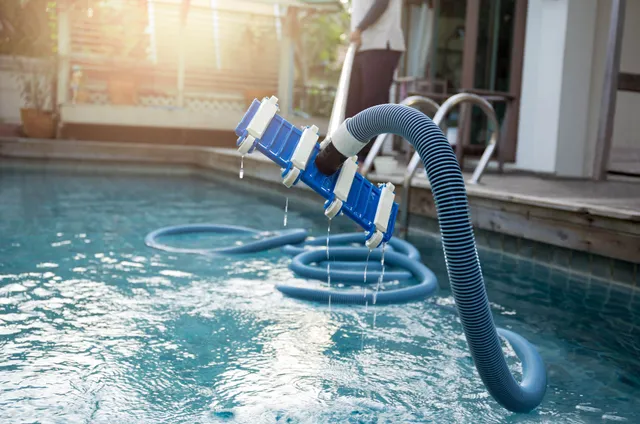
Regular maintenance helps keep swimming pools clean, comfortable, and suitable for everyday use. Removing debris, monitoring water chemistry, checking circulation, and inspecting visible surfaces can prevent many common problems from developing into expensive repairs. Maintenance also helps identify unusual equipment behavior before a complete failure interrupts normal pool operation. By following a consistent schedule, owners can improve reliability, maintain water clarity, and reduce the likelihood of unexpected expenses. Neglecting routine maintenance can allow small problems to become more serious over time. A clogged filter may restrict circulation, a deteriorating seal may cause a leak, and unbalanced water chemistry may contribute to corrosion or surface damage. These problems can increase operating costs and place unnecessary strain on equipment. Timely pool repair can restore normal performance, but preventive care is often the more practical way to reduce avoidable wear and protect important components. An effective maintenance plan should reflect the pool’s construction, equipment type, usage patterns, and surrounding environment. Pools used frequently may require more regular cleaning and chemical testing than those used occasionally. Equipment manuals provide important guidance about inspection intervals, cleaning methods, and replacement requirements. Keeping maintenance records also makes it easier to identify recurring problems and plan servicing before equipment condition deteriorates significantly.
Maintaining Clean and Balanced Water
Water quality is one of the most important factors affecting the safety and enjoyment of a swimming pool. Leaves, dust, body oils, and other contaminants can enter the water through normal use and environmental exposure. Filtration removes many suspended particles, while appropriate disinfection helps control microorganisms and supports hygienic swimming conditions. Regular testing and suitable chemical adjustments help maintain water that is comfortable for swimmers and compatible with the pool’s materials and equipment. Water chemistry can also influence the durability of pool surfaces, pipes, pumps, and heating systems. Improper chemical balance may contribute to corrosion, mineral deposits, discoloration, and deterioration of certain materials. Owners should test relevant water parameters according to reliable guidance and follow product instructions when making adjustments. Pool chemicals must be handled carefully, stored securely, and never mixed unless the manufacturer specifically provides a safe procedure. Cloudy water, unusual odors, persistent irritation, or visible deposits may indicate that the water treatment routine needs attention. These symptoms can have several causes, including insufficient disinfection, poor circulation, accumulated debris, or incorrect chemical levels. Testing the water before adding treatment products helps prevent unnecessary chemical use and supports more accurate troubleshooting. Consistent water management protects swimmers, supports effective filtration, and helps maintain the overall condition of the pool.
Protecting Pumps and Circulation Systems
The circulation pump moves water through the filtration and treatment equipment, making it essential for maintaining water quality. A pump that operates correctly helps distribute treated water and supports the removal of suspended particles. Common problems include clogged baskets, restricted impellers, damaged seals, worn bearings, and failing motors. Regular inspection can reveal changes in performance before they develop into a complete equipment failure. Weak return flow, grinding noises, excessive vibration, overheating, or difficulty starting may indicate that the pump requires attention. Some issues result from simple obstructions, while others involve internal mechanical or electrical components that require specialized knowledge. Owners can inspect accessible baskets and confirm that the water level is suitable, but they should not open electrical enclosures or attempt repairs on energized equipment. A pump showing signs of electrical failure should remain out of service until it has been assessed by a qualified professional. When a pump stops working correctly, pool repair should begin with identifying the underlying cause rather than replacing components without a proper diagnosis. A technician may recommend clearing a blockage, replacing a seal, servicing the motor, or installing a replacement pump if the existing unit is extensively damaged. The best decision depends on the pump’s age, efficiency, repair cost, and expected remaining service life. Comparing available options helps owners maintain reliable circulation while managing long-term operating expenses.
Keeping Filtration Equipment Efficient
A filtration system removes dirt, dust, small leaves, and other suspended particles from the water. Sand filters, cartridge filters, and diatomaceous earth systems each use different methods to capture debris and have different maintenance requirements. As particles accumulate, water flow may become restricted and the system may require cleaning. Following the manufacturer’s instructions helps maintain effective filtration and reduces unnecessary strain on the pump. Pressure readings provide useful information about filter condition when compared with the normal reading recorded after cleaning. An increase in pressure may indicate accumulated debris, while an unexpected decrease can suggest a circulation problem or another fault. The correct response depends on the filter type, equipment specifications, and operating conditions. Owners should avoid unnecessary backwashing or disassembly because incorrect procedures can waste water, disturb filter media, or damage components. Filter housings, seals, cartridges, and internal grids should be inspected periodically for signs of deterioration. A damaged cartridge may allow particles to return to the pool, while a cracked housing or worn seal can cause leakage. Pressurized equipment must be shut down and depressurized according to the manufacturer’s instructions before it is opened. Professional servicing is advisable when damage is visible, pressure remains abnormal, or cleaning fails to restore normal performance.
Identifying and Preventing Swimming Pool Leaks
Water loss can occur naturally through evaporation, splashing, and routine maintenance activities, but unexplained decreases in water level may indicate a leak. Common leak locations include pipe connections, pump housings, valves, skimmers, return fittings, and structural surfaces. Wet areas near equipment, loose connections, and persistent dampness can provide clues about the source. Monitoring water levels under consistent conditions may help determine whether further investigation is needed. Leaks should be addressed promptly because continued water loss can increase operating costs and potentially damage surrounding surfaces. A leak in the circulation system may also reduce pressure and interfere with filtration. Structural leaks may require specialized testing to distinguish them from plumbing faults or normal water loss. A qualified technician can use suitable diagnostic methods to locate the problem and recommend a lasting solution. The appropriate repair depends on the location, severity, and cause of the leak. A damaged seal may require replacement, while a cracked pipe could need a compatible section installed. Structural defects may require specialized patching, resurfacing, or more extensive work after the underlying cause has been assessed. Correctly addressing the source of the leak helps prevent recurring problems and protects the surrounding pool structure.
Maintaining Pool Surfaces and Structural Safety
Pool surfaces should be inspected regularly for cracks, loose tiles, missing grout, rough patches, and signs of deterioration. Concrete pools may develop cracks because of settlement, material movement, aging, or other structural factors. Fiberglass surfaces can experience blistering or finish damage, while vinyl liners may develop tears, wrinkles, or separation around fittings. Understanding the construction material helps determine the appropriate maintenance method and prevents unsuitable repair products from being used. Not every surface defect indicates a major structural problem, but changes in crack size, displaced materials, or unexplained water loss should receive professional attention. Loose tiles and deteriorating grout may create uncomfortable or sharp edges, while damaged liners can allow water to escape. Pool repair should address both the visible defect and any underlying cause that could lead to repeated damage. A qualified professional can evaluate the affected area and recommend an appropriate solution. Maintaining the pool’s surrounding surfaces is also important for safety. Uneven paving, loose coping stones, slippery areas, and damaged drainage features may increase the risk of slips or falls. Owners should keep walking areas clear, address damaged surfaces, and ensure that drainage works as intended. Regular inspections of the pool and its surroundings help create a safer environment while preserving the appearance and usability of the entire installation.
Improving Plumbing and Valve Performance
Pool plumbing directs water between the swimming area, pump, filter, heater, and return outlets. Valves regulate flow through different sections of the system, allowing equipment to perform specific functions. Damaged pipes, worn seals, loose fittings, and blocked lines can reduce circulation or cause leaks. Because the plumbing components work together, a problem in one section may affect the performance of several other parts. Signs of plumbing trouble include reduced return flow, water collecting near connections, difficulty operating valves, and unusual pressure changes. Some obstructions result from debris, while others develop because of deteriorating materials or physical damage. Checking accessible connections and observing system performance may reveal obvious concerns, but underground pipe problems often require specialized testing. A qualified technician can determine whether a connection needs repair, a valve requires replacement, or a damaged pipe needs more extensive work. Suitable replacement parts and correct installation methods are essential for reliable plumbing repairs. Components must be compatible with the pipe material, operating pressure, and intended function of the system. Temporary fixes may not withstand continuous water pressure or exposure to pool chemicals. Proper diagnosis and durable repairs help restore circulation, reduce water loss, and prevent recurring plumbing problems.
Maintaining Pool Heaters and Temperature Controls
Pool heaters provide comfortable water temperatures and can make swimming more enjoyable during cooler conditions. Depending on the installation, the heating system may use gas, electric resistance, or a heat pump. A heater that fails to start, shuts down unexpectedly, or cannot reach its selected temperature may have a sensor fault, restricted water flow, a control problem, or a mechanical issue. Understanding these possible causes helps owners recognize when professional servicing is necessary. Heating equipment depends on adequate circulation to operate as designed. A dirty filter, blocked pipe, closed valve, or malfunctioning pump may reduce water flow and trigger a safety shutdown. Some heaters display error codes that can help identify the problem, but the information should be interpreted according to the manufacturer’s instructions. Owners should record any warning messages and avoid bypassing safety controls or repeatedly restarting malfunctioning equipment. Gas connections, combustion components, and high-voltage electrical parts require appropriate qualifications and specialized knowledge. Owners should not attempt to repair these components themselves because incorrect work can create serious hazards. Regular professional servicing can help identify developing faults, maintain efficiency, and reduce unexpected interruptions. Keeping the heater clean, monitoring its performance, and following the recommended maintenance schedule support dependable temperature control.
Ensuring Electrical Safety and Reliable Lighting
Swimming pool electrical systems may include pumps, heaters, underwater lights, automation controls, and water treatment equipment. These components operate in an environment where water exposure makes correct installation and maintenance especially important. Damaged wiring, loose connections, faulty fixtures, or unsuitable protective devices can create dangerous conditions. Electrical work should comply with applicable safety requirements and be completed by qualified professionals familiar with pool installations. Lighting problems may include flickering fixtures, failed lamps, damaged housings, or moisture entering electrical components. Underwater lighting requires particular care because it combines electrical equipment with a water environment. Owners should not open electrical enclosures, remove underwater fixtures, or handle exposed conductors unless the equipment has been made safe by a qualified professional and the work is appropriate for their training. Any burning smell, unusual heat, or repeated electrical tripping should be investigated promptly. Preventive inspections can help identify deteriorating connections, damaged cables, and other conditions that affect reliable operation. Appropriate grounding, bonding, and circuit protection are important parts of a safe pool electrical installation. Automation controls should also be checked for correct operation and compatibility with connected equipment. Addressing electrical concerns early helps protect people, reduce equipment damage, and support dependable pool operation.
Creating an Effective Preventive Maintenance Schedule
A maintenance schedule helps owners keep track of essential tasks and identify developing problems before they cause significant disruption. Routine activities may include removing debris, checking water levels, cleaning baskets, testing chemical balance, monitoring filter pressure, and inspecting visible plumbing connections. The frequency of each task depends on pool usage, weather conditions, surrounding vegetation, and equipment specifications. Following manufacturer recommendations helps establish a routine that suits the pool’s actual requirements. Weekly and monthly inspections can be useful for identifying gradual changes in equipment performance. Owners should pay attention to unusual sounds, reduced water flow, persistent leaks, damaged surfaces, and recurring water quality concerns. Recording these observations makes it easier to recognize patterns and provide accurate information when professional assistance is required. Pool repair is generally easier to plan when owners maintain clear records and respond to early warning signs. Seasonal maintenance may also be necessary when a pool experiences significant changes in use or operating conditions. Before periods of heavy use, owners should confirm that circulation, filtration, heating, and safety equipment are functioning correctly. Equipment that has been unused for an extended period may need inspection before being returned to regular operation. A planned maintenance approach supports reliable performance and helps reduce the likelihood of unexpected breakdowns.
Understanding Repair Costs and Replacement Decisions
Repair costs vary according to the type of problem, the accessibility of the affected component, the materials required, and the amount of labor involved. Minor issues, such as replacing a compatible seal or cleaning an obstructed component, may be relatively straightforward. Structural cracks, underground leaks, major pump failures, and extensive resurfacing can require more specialized work. Understanding the likely cause and scope of the problem helps owners evaluate estimates and plan their budgets. When equipment fails, owners should compare the cost of repair with the expected remaining service life of the component. Older pumps, heaters, or filters that experience repeated failures may be more economical to replace than to repair repeatedly. New equipment may offer improved efficiency or more convenient controls, but the potential benefits depend on usage, purchase price, installation costs, and operating expenses. A qualified professional can explain the available options and help determine which solution provides better long-term value. Before approving significant work, request a written estimate that identifies the suspected fault, recommended solution, labor, replacement parts, and any additional charges. Ask about warranties, expected completion time, and maintenance requirements after the repair. Clear documentation helps prevent misunderstandings and makes it easier to compare service providers. Keeping invoices and service reports also creates a useful maintenance history for future decisions.
Choosing a Qualified Pool Service Professional
Selecting an experienced service professional is important when problems involve structural damage, plumbing, circulation equipment, heating, or electrical systems. Owners should look for relevant experience, appropriate qualifications, and a clear explanation of the proposed work. Specialized tasks may require additional training or licensing, depending on the type of equipment and applicable requirements. Asking about experience with similar installations can help determine whether a technician is suitable for the job. A reliable professional should inspect the affected components, explain the likely cause, and recommend a solution based on the condition of the equipment. They should also distinguish between necessary repairs and optional improvements rather than recommending replacements without a clear reason. Owners can ask about compatible replacement parts, expected service life, warranty coverage, and maintenance practices that may prevent similar problems. Transparent communication supports better decisions and helps build confidence in the work being performed. After the job is completed, the technician should check the repaired equipment and explain any important operating instructions or follow-up requirements. Owners should keep service records, receipts, manuals, and warranty information in an accessible place. These documents can help resolve future issues and provide useful information during later inspections. Working with qualified professionals supports reliable workmanship and helps maintain the pool’s safety and efficiency.
Conclusion
Regular swimming pool maintenance plays an important role in protecting water quality, equipment performance, structural condition, and swimmer safety. Pumps, filters, heaters, plumbing, electrical systems, and pool surfaces all require suitable care to function reliably. Recognizing early warning signs, following manufacturer recommendations, and arranging timely inspections can prevent many minor problems from becoming more expensive or disruptive. A proactive approach to pool repair helps restore damaged components, improve circulation, address leaks, and maintain a safe swimming environment. The most suitable solution depends on the cause of the problem, the condition of the affected equipment, and the long-term cost of repair compared with replacement. Using compatible materials, maintaining balanced water chemistry, and relying on qualified professionals for complex work helps ensure that repairs are completed safely and effectively. By creating a consistent maintenance schedule, monitoring equipment performance, and keeping accurate service records, pool owners can make informed decisions about ongoing care. Preventive maintenance can extend the useful life of important components, reduce avoidable operating expenses, and support dependable pool performance. With the right combination of regular inspections and timely professional assistance, a swimming pool can remain cleaner, safer, and more enjoyable for years to come.
Author

thedailygurdian@gmail.com
Related Posts
Commercial Roof Replacement: A Protecting Your Property and Improving Building Performance
- 0
- 3,701 words
Introduction Maintaining a commercial property requires regular attention to structural conditions, building materials, and essential maintenance systems. Among these responsibilities, the roof...
Read out all
Trenchless Sewer Line Repair: A Modern Solution for Efficient and Long-Lasting Pipe Restoration
- 0
- 3,280 words
Maintaining a properly functioning sewer system is essential for residential, commercial, and industrial properties. Sewer lines transport wastewater away from buildings and...
Read out all
Franchise Resale: A Complete Guide to Buying, Selling, and Maximizing the Value of an Established Franchise Business
- 0
- 3,381 words
Introduction Starting a business from the ground up can be an exciting opportunity, but it also involves considerable planning, financial investment, uncertainty,...
Read out all
Stone Veneer: Enhance Your Property with Elegant, Durable, and Versatile Wall Finishes
- 0
- 3,540 words
Introduction Creating an attractive and welcoming property involves choosing materials that combine visual appeal, durability, and long-term functionality. Exterior and interior walls...
Read out all
Driveway Gate Installation: Enhancing Property Security, Privacy, and Curb Appeal
- 0
- 2,934 words
A driveway gate is an important addition to any residential or commercial property because it provides controlled access, improves security, and creates...
Read out all
Drain Cleaning: Essential Solutions for Maintaining a Clean and Efficient Plumbing System
- 0
- 3,313 words
Introduction A properly functioning drainage system is essential for maintaining a clean, comfortable, and hygienic property. Whether in a residential home, commercial...
Read out all