
- 0
- 3,051 words
Introduction
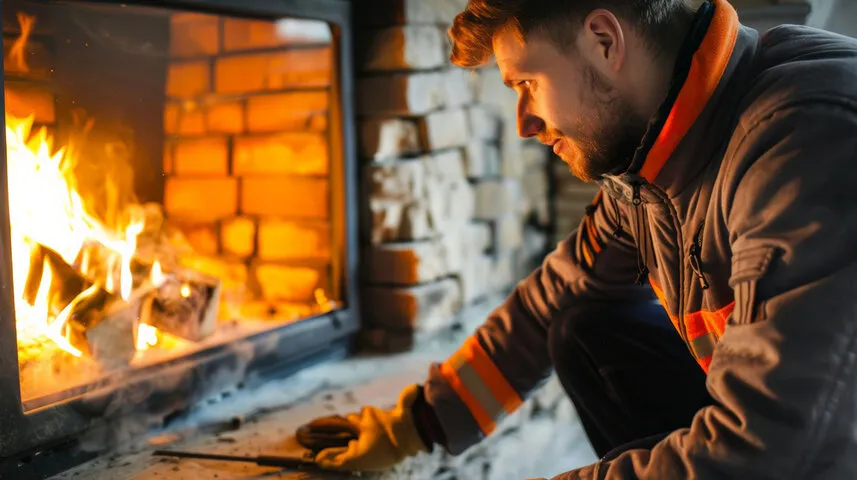
A gas fireplace is a convenient way to add warmth, comfort, and visual appeal to a home without the effort required to manage traditional firewood. Modern fireplaces often feature electronic ignition, adjustable flame settings, remote controls, and decorative logs that create an attractive atmosphere. Although these appliances are designed for convenient operation, their performance depends on properly functioning burners, ignition systems, gas valves, electrical controls, and ventilation components. Understanding gas fireplace repair helps homeowners recognize common problems, maintain reliable operation, and know when professional assistance is necessary. Like other fuel-burning appliances, gas fireplaces require regular maintenance to remain safe and dependable. Dust accumulation, worn components, electrical faults, and restricted ventilation can affect performance over time. These problems may cause the fireplace to fail to ignite, produce unusual flames, shut down unexpectedly, or provide less heat than expected. By recognizing early warning signs and arranging appropriate maintenance, homeowners can prevent minor faults from becoming more expensive problems while protecting their households.
Understanding How a Gas Fireplace Works
A gas fireplace uses natural gas or propane to produce controlled flames through a specially designed burner assembly. Fuel passes through approved valves and connections before reaching the burner, where it is ignited by a standing pilot light, electronic ignition system, or another manufacturer-approved mechanism. Decorative logs and ember materials create the appearance of a traditional fire, while control systems regulate the appliance according to its design. Safety devices help manage fuel delivery and respond to specific operating conditions that could otherwise create hazards. Different fireplace models use different ventilation arrangements, and each design has specific maintenance requirements. Direct-vent fireplaces generally use a sealed combustion chamber and a dedicated venting system to manage combustion air and exhaust. Vented gas log sets operate with an appropriate chimney or flue, while vent-free models, where permitted, have particular restrictions involving room size, ventilation, and installation conditions. Following the manufacturer’s instructions is essential because components and servicing procedures that are suitable for one fireplace may not be appropriate for another. When a fireplace develops a fault, the problem may involve its ignition system, burner, gas valve, electrical controls, or ventilation components. Similar symptoms can have different underlying causes, making accurate diagnosis important before repairs begin. A qualified technician can inspect the relevant systems, identify defective components, and confirm that the appliance operates correctly after servicing. Understanding the basic operation of a fireplace also helps homeowners explain unusual behavior clearly when requesting professional assistance.
Common Signs That a Fireplace Needs Repair
One of the most noticeable signs of a problem is a fireplace that fails to ignite when the controls are activated. The cause may involve depleted remote-control batteries, interrupted electrical power, a faulty igniter, or a problem with the pilot assembly. Homeowners can consult the owner’s manual for basic troubleshooting steps that do not involve opening the appliance or handling gas connections. If these checks do not resolve the issue, professional inspection is the safest next step. Another warning sign is a flame that looks significantly different from its normal appearance. Weak flames, repeated extinguishing, unusual soot accumulation, or irregular flame patterns may indicate a burner obstruction, fuel-delivery problem, or ventilation issue. These symptoms should not be dismissed as cosmetic concerns because combustion quality and exhaust performance are important for safe operation. Professional gas fireplace repair can help determine whether cleaning, component replacement, or another corrective measure is necessary. Unexpected shutdowns, repeated clicking sounds, and controls that respond inconsistently may also indicate a developing fault. A fireplace might start normally on one occasion but fail during the next attempt because of an unreliable sensor, worn ignition component, or electrical problem. Homeowners should record when the issue occurs and describe any unusual sounds or visible changes to the technician. Repeatedly restarting an appliance that behaves abnormally is not a substitute for proper diagnosis and may create additional safety concerns.
Pilot Light and Ignition System Problems
A standing pilot light produces a small flame that ignites the main burner when the fireplace is activated. If the pilot repeatedly goes out, possible causes include a dirty pilot assembly, a defective thermocouple or thermopile, an interrupted fuel supply, or a condition affecting the ventilation system. Drafts and component deterioration may also contribute, depending on the fireplace design. Repeated pilot failure should be investigated because the pilot assembly and its related safety controls play an important role in normal operation. Electronic ignition systems use a spark or another approved method to ignite the gas when heat is requested. If the fireplace fails to start, the problem may involve depleted batteries, an interrupted power supply, damaged wiring, a faulty ignition electrode, or a malfunctioning control module. Some models display indicator lights or error codes that provide useful information about the problem. Homeowners should follow the manufacturer’s instructions and avoid dismantling ignition components or attempting repairs that require specialized training. A qualified technician can inspect the ignition assembly, evaluate relevant sensors, and test the controls according to the manufacturer’s procedures. Depending on the diagnosis, the solution may involve cleaning an approved component, replacing a defective part, or correcting an electrical issue. The ignition system should be tested after servicing to confirm that the fireplace starts and shuts down as intended. Accurate diagnosis helps avoid unnecessary replacement costs and reduces the likelihood of recurring ignition failures.
Gas Supply and Valve Malfunctions
A gas fireplace requires a suitable fuel supply to produce stable flames and operate according to its specifications. If the supply is interrupted or the pressure falls outside the required range, the fireplace may fail to ignite, produce weak flames, or shut down unexpectedly. Potential causes include a supply interruption, regulator problem, faulty valve, or issue with the gas piping. Because these components directly affect fuel delivery, they should be evaluated by a qualified professional rather than adjusted by an inexperienced homeowner. The gas valve regulates fuel flow according to the appliance’s control system and operating requirements. If the valve fails to open, closes unexpectedly, or does not regulate fuel correctly, the fireplace may not function as intended. A technician can inspect the valve and related components using appropriate diagnostic procedures. Homeowners should never disassemble gas valves, adjust gas pressure without authorization, or modify fuel connections to force the appliance to operate. A gas odor must always be treated as a potential emergency, even if the fireplace appears to be functioning normally. If the smell of gas is detected, do not attempt to ignite the appliance, operate electrical switches, or create any source of ignition in the affected area. Leave the building, move to a safe location, and contact the gas supplier or emergency services according to local procedures. Do not return or use the fireplace until qualified professionals have confirmed that the situation is safe.
Burner Maintenance and Flame Quality
The burner distributes gas to create the flame pattern specified for the fireplace. Dust, debris, and residue can accumulate around burner openings and interfere with proper fuel distribution. Depending on the appliance design, incorrectly positioned decorative logs or damaged ember materials may also affect flame movement and appearance. If flames become unusually weak, uneven, or different from the manufacturer’s description, the fireplace should be inspected before further use. Burner maintenance must follow the manufacturer’s instructions because different appliances use different assemblies and cleaning procedures. Homeowners should not enlarge burner openings, insert objects into gas ports, or rearrange decorative components without approved guidance. Such actions can interfere with combustion and may contribute to soot formation or other operating problems. If the burner appears damaged or the flame pattern remains abnormal, a qualified technician should determine whether cleaning, adjustment, or replacement is appropriate. Professional gas fireplace repair can help identify whether flame irregularities originate from burner contamination, a fuel-supply issue, improper log placement, or another fault. The technician may inspect the burner assembly, verify the equipment specifications, and check the flame pattern after completing the work. Soot accumulation and abnormal combustion should be investigated rather than treated as simple appearance issues. Addressing the underlying cause helps maintain the fireplace’s appearance while supporting safe and reliable operation.
Ventilation and Exhaust System Care
Ventilation is essential for fireplaces that rely on a chimney, flue, or dedicated exhaust arrangement. The system must carry combustion products away from the living space according to the appliance’s design. Obstructions, damaged vent sections, loose connections, and deterioration can interfere with exhaust flow and create potentially dangerous conditions. Regular inspections help identify these concerns before they affect the fireplace’s operation. Direct-vent fireplaces require their approved air-intake and exhaust pathways to remain unobstructed. Exterior terminals may collect leaves, debris, or other materials that interfere with airflow, depending on their design and surrounding conditions. Homeowners should inspect accessible areas according to the manufacturer’s instructions and avoid modifying vent covers or adding unauthorized components. If a vent appears damaged or an obstruction cannot be removed safely, a qualified professional should assess the system. Vent-free fireplaces have different operating requirements and may be prohibited by applicable regulations. Where permitted, they must be installed and used within the manufacturer’s specified conditions, including restrictions involving room size, ventilation, and clearances. Carbon monoxide alarms should be installed and maintained according to their instructions and applicable safety guidance. These alarms provide an additional safeguard but do not replace correct installation, regular servicing, or immediate action when a combustion problem is suspected.
Electrical Controls, Thermostats, and Remote Problems
Many modern fireplaces use electronic controls to simplify operation and regulate the flame. A remote control, wall switch, thermostat, receiver, or control board may communicate with the ignition system and gas valve. If the fireplace fails to respond, the cause may involve depleted batteries, incorrect settings, interrupted electrical power, damaged wiring, or a defective control component. Checking the owner’s manual can help homeowners identify simple issues without opening the appliance. Remote controls may stop working when their batteries are exhausted or the receiver is not receiving power. Thermostat problems may result from incorrect settings, a faulty temperature sensor, or an issue with the control circuit. If basic checks do not resolve the problem, a technician can evaluate the control system and identify defective components. Safety switches and interlocks should never be bypassed to make the fireplace operate. Electrical faults may affect ignition, flame adjustment, and automatic shutdown functions. Loose connections, damaged wires, and malfunctioning control boards require appropriate testing and repair. Because electrical components may operate alongside gas valves and combustion safety devices, troubleshooting should be performed by someone qualified to service the specific appliance. Proper diagnosis helps prevent unnecessary parts replacement and supports dependable operation after the repair is completed.
Preventive Maintenance for Long-Term Performance
Regular maintenance helps keep a gas fireplace in good condition and makes it easier to identify developing problems. Homeowners should follow the manufacturer’s maintenance schedule and keep the area around the appliance free from dust, lint, and combustible clutter. Accessible exterior surfaces and decorative components should be cleaned only as directed by the manufacturer. Before performing permitted cleaning tasks, the fireplace must be switched off and allowed to cool completely. Professional servicing may include examining the burner, ignition system, gas connections, control components, and required ventilation arrangement. A technician may also evaluate the flame pattern, check for unusual soot, and confirm that safety controls operate correctly. The exact maintenance requirements depend on the appliance design, age, and operating conditions. Keeping service records helps homeowners track repairs, identify recurring concerns, and retain important warranty documentation. A seasonal inspection can be particularly useful before the fireplace is used frequently. Components may deteriorate or collect debris while the appliance remains idle, and problems may not become obvious until the fireplace is switched on again. Timely gas fireplace repair can address faults before they lead to unexpected shutdowns or more extensive damage. However, homeowners should never delay professional assistance when an immediate safety concern is present.
Common Mistakes to Avoid During Fireplace Maintenance
Repeatedly attempting to ignite a fireplace that fails to start is a common mistake. Depending on the appliance design and the cause of the malfunction, repeated attempts may be unsafe or may not address the underlying issue. Homeowners should follow the manufacturer’s shutdown and troubleshooting instructions and stop if the fireplace behaves abnormally. If a gas odor is detected, everyone should leave the affected area and contact the appropriate emergency service or gas supplier from a safe location. Replacing parts without confirming the cause of a malfunction can also lead to unnecessary expenses. A fireplace that will not ignite may have an electrical control problem rather than a defective gas valve, while a weak flame may result from restricted ventilation instead of a damaged burner. A qualified technician can perform appropriate tests and recommend repairs based on the condition of the equipment. This approach helps prevent repeated breakdowns and avoids replacing components that are still functioning correctly. Improvised modifications create additional risks because fireplace components are designed to operate together. Changing burner openings, bypassing sensors, adjusting fuel pressure without authorization, or installing incompatible replacement parts can compromise safety. Repairs should follow the manufacturer’s instructions and applicable requirements. Using approved components and checking the appliance after servicing helps preserve its intended performance and safety features.
Choosing a Qualified Fireplace Technician
Selecting an experienced technician is important because gas fireplaces combine fuel systems, electrical controls, combustion components, and ventilation equipment. Homeowners should look for relevant training, appropriate licensing where required, and experience with the particular appliance type or manufacturer. A professional should be able to explain the suspected problem, describe the diagnostic process, and provide a clear estimate before carrying out significant work. This makes it easier to understand the available options and choose a suitable solution. Before approving service, homeowners should ask whether the inspection will cover the components relevant to the reported symptoms. Depending on the issue, this may include the ignition system, burner, gas connections, control equipment, and ventilation pathway. A written estimate should identify expected labor, replacement parts, and any additional testing that may be required. It is also helpful to confirm that replacement components are approved for the appliance and that the repair includes appropriate operational checks. After completing the work, the technician should explain what caused the problem and describe the repairs performed. Homeowners should receive guidance on normal operation, shutdown procedures, and warning signs that require further attention. Keeping invoices, manuals, and service records makes future maintenance easier and may help with warranty claims. Working with a qualified professional supports a safer repair process and improves confidence in the fireplace’s long-term reliability.
Understanding Repair Costs and Replacement Options
The cost of servicing a gas fireplace depends on the nature of the malfunction, the appliance design, the availability of replacement components, and the time required for diagnosis. A minor control issue may cost less to resolve than a damaged gas valve, a complex ignition fault, or a problem involving the venting system. Service charges may also vary depending on how easily the technician can access the affected components. Requesting a detailed estimate helps homeowners understand the likely expense before approving the work. When deciding whether to repair or replace a fireplace, homeowners should consider its age, overall condition, repair history, and operating performance. A relatively minor fault in a well-maintained appliance may justify repair, while recurring breakdowns or extensive deterioration may make replacement worth considering. Efficiency, warranty coverage, replacement-part availability, and compatibility with the existing installation are also important factors. A qualified technician can explain the advantages and limitations of the available options. The lowest initial price does not always provide the best long-term value if the work fails to address the actual cause of the problem. Repeated service visits can increase overall expenses, while replacing an appliance without a proper assessment may lead to unnecessary costs. A reliable diagnosis allows homeowners to compare repair and replacement options based on safety, performance, and expected service life. Making an informed decision helps balance immediate costs with long-term reliability.
Safe Operating Habits for Everyday Use
Responsible operation plays an important role in maintaining a gas fireplace between professional inspections. Homeowners should use the controls according to the manufacturer’s instructions and avoid operating the appliance when it shows signs of abnormal behavior. Furniture, curtains, decorations, and other combustible materials should remain at the required clearances from the fireplace. Maintaining these clearances helps reduce fire hazards and supports proper operation. The glass front and surrounding materials may become extremely hot during use, so occupants should follow the manufacturer’s precautions and keep children and pets away from heated surfaces. Safety screens or barriers should be used where required or recommended for the particular appliance. Homeowners should also avoid placing objects near ventilation openings that could interfere with airflow. These precautions help protect household members and reduce avoidable operating problems. A consistent maintenance routine, correct operating habits, and prompt attention to warning signs all contribute to reliable fireplace performance. If the appliance produces unusual odors, excessive soot, abnormal flames, or repeated shutdowns, it should be assessed by a qualified professional. Gas fireplace repair is most effective when the underlying cause is identified and the appliance is tested after the work is completed. Responsible use helps preserve comfort while keeping safety at the center of fireplace ownership.
Conclusion
A gas fireplace can provide convenient warmth and visual appeal when its components are properly maintained and its safety requirements are followed. Ignition failures, irregular flames, fuel-supply issues, electrical faults, and ventilation problems can all interfere with normal operation. Recognizing warning signs and arranging appropriate professional assistance helps homeowners address developing problems before they become more serious. Reliable gas fireplace repair depends on accurate diagnosis, approved replacement parts, and appropriate testing after servicing. Regular inspections, responsible operating habits, and timely maintenance also help reduce unexpected breakdowns and support long-term performance. Homeowners should never bypass safety controls, modify gas connections, or continue operating an appliance that shows signs of a potentially dangerous fault. By following the manufacturer’s instructions, maintaining the required ventilation arrangements, and working with qualified technicians, homeowners can make informed decisions about fireplace care. Keeping service records and responding promptly to unusual odors, abnormal flames, or repeated shutdowns further supports responsible ownership. With proper attention and professional maintenance, a gas fireplace can remain a reliable and attractive feature while safety remains the highest priority.
Author

thedailygurdian@gmail.com
Related Posts

Startup Booted Fundraising Strategy: A Complete Guide to Building and Growing a Business Without External Investment
- 0
- 2,701 words
Starting a business is an exciting journey, but finding enough money to turn an idea into a successful company can be challenging....
Read out all
Manga District: Exploring the World of Manga, Online Reading, and Japanese Comics
- 0
- 2,182 words
Introduction Manga has become one of the most popular forms of entertainment worldwide. What started as a distinctive Japanese storytelling tradition has...
Read out all
Malaysian Assurance Alliance: History, Growth, Insurance Services, and Its Connection to Zurich
- 0
- 2,699 words
The Malaysian insurance industry has experienced significant growth and transformation over the years. Several companies have contributed to this development by introducing...
Read out all
Colegia: Understanding Its Meaning, Features, Benefits, and Growing Importance in the Digital World
- 0
- 2,232 words
Introduction The internet has introduced countless new words, platforms, services, and concepts that influence how people communicate, learn, and access information. One...
Read out all
Playground Equipment: Creating Safe, Engaging, and Fun Outdoor Play Spaces for Children
- 0
- 2,914 words
Outdoor play is an essential part of childhood development, providing children with opportunities to explore, learn, socialize, and develop important physical and...
Read out all
Professional Fire and Water Damage Restoration: Bringing Damaged Properties Back to Life
- 0
- 3,350 words
Unexpected property damage can create serious challenges for homeowners, business owners, and property managers. Fires, plumbing failures, flooding, storms, and appliance malfunctions...
Read out all