
- 0
- 2,597 words
Introduction
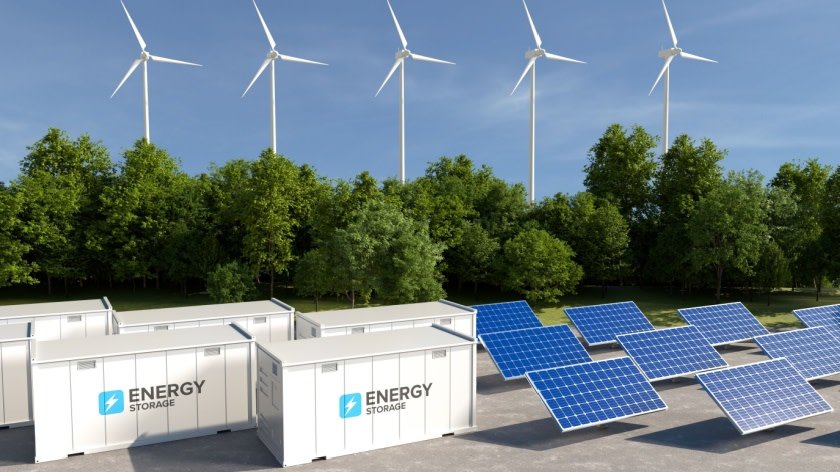
Energy storage has become an important part of modern energy management as homeowners and businesses look for practical ways to improve electricity efficiency, manage energy expenses, and maintain a more reliable power supply. With the increasing adoption of renewable energy technologies, storing electricity for later use offers greater flexibility and control over daily energy consumption. A suitable energy storage system can help users make better use of available electricity, reduce dependence on conventional power sources, and prepare for certain power interruptions. A professionally planned solar battery installation can also help property owners store renewable electricity and use it when their energy requirements increase. Before investing in an energy storage system, it is important to understand how different technologies work and which features offer the greatest value for a particular property. Every household and business has different electricity consumption patterns, operating requirements, and financial priorities. Some users may need backup power for essential appliances, while others may want to store renewable electricity for evening use or improve their overall energy management. Evaluating these requirements in advance helps prevent unnecessary expenses and ensures that the selected system provides practical benefits over its expected service life.
Understanding Modern Energy Storage Systems
Energy storage systems capture electricity when it is available and make that energy accessible when demand increases or generation decreases. These systems can work with renewable energy equipment, conventional electrical supplies, and smart energy management technologies. Batteries are among the most common storage solutions because they can store electricity and release it when required. Their performance depends on factors such as usable capacity, power output, charging efficiency, operating temperature, and the way the system is managed. Modern storage solutions often include monitoring software, protective equipment, inverters, and battery management systems that coordinate charging and discharging. These components help regulate energy flow and provide information about system performance. Depending on the configuration, a system may operate alongside solar panels, support selected electrical loads during an outage, or help users manage electricity consumption according to changing energy prices. Understanding these functions makes it easier to compare available technologies and identify the features that best match individual requirements.
Evaluating Your Energy Consumption
One of the most important steps in choosing an energy storage solution is understanding how much electricity a property uses throughout the day. Electricity bills provide useful information about total consumption, while individual appliance requirements help reveal when energy demand is highest. Households may use more electricity in the evening when lighting, cooking equipment, entertainment devices, and climate control systems operate simultaneously. Businesses may experience different patterns depending on operating hours, machinery, refrigeration, and other electrical requirements. Reviewing these patterns helps determine the amount of energy that needs to be stored and the power output required from the system. It is also useful to separate essential electrical loads from appliances that can be switched off during an interruption. This distinction can reduce the required battery capacity and help control the initial investment. A professional planning a solar battery installation can use these details to recommend an appropriate system size that matches actual consumption instead of relying on assumptions.
Choosing the Appropriate Storage Capacity
Battery capacity determines how much energy a storage system can hold and is commonly measured in kilowatt-hours. A larger capacity can provide more stored electricity, but it generally comes with a higher purchase price and may require more time to recharge. Choosing the right size involves considering daily consumption, the amount of electricity available for charging, and how long the stored energy needs to last. These factors should be evaluated together to avoid purchasing a system that is either too small for practical needs or unnecessarily expensive. Usable capacity is particularly important because the full rated capacity may not always be available for regular use. Manufacturers may specify operating limits designed to protect battery health and support long-term performance. Consumers should also understand that capacity and power output are different measurements. Capacity describes the amount of energy available, while power output determines how much electricity can be supplied at a particular moment. A suitable system must provide enough energy for the required duration and sufficient power to operate the intended appliances.
Comparing Battery Technologies
Different battery technologies offer different combinations of cost, performance, maintenance requirements, and service life. Lithium-ion batteries are widely used in modern energy storage applications because of their relatively high efficiency, compact design, and ability to support repeated charging cycles. Lithium iron phosphate batteries are a type of lithium-ion technology commonly selected for stationary storage because of their thermal stability and favorable cycle-life characteristics. Lead-acid batteries remain an option in some applications, although their maintenance needs, usable capacity, and replacement frequency should be considered carefully. When comparing technologies, customers should review manufacturer specifications, safety certifications, warranty terms, and compatibility with other system components. It is important to examine the expected operating conditions rather than choosing a battery solely on its initial price. A less expensive product may require more frequent replacement or provide less usable energy over its service life. Comparing total ownership costs can provide a more accurate picture of long-term value and help identify a battery that balances affordability with reliable performance.
Understanding Installation Requirements
The quality of an installation can significantly affect the safety, efficiency, and reliability of an energy storage system. Before work begins, the property should be assessed to determine whether the existing electrical infrastructure can support the proposed equipment. This assessment may include checking the distribution board, inverter compatibility, cable ratings, protective devices, and available installation space. Additional electrical work may be necessary when the existing system cannot accommodate the planned storage capacity or backup functionality. The installation area must also meet the manufacturer’s requirements for temperature, ventilation, clearance, and protection against environmental hazards. Batteries should be positioned where they can be accessed safely for inspection and maintenance. The supporting surface must be suitable for the equipment’s weight, and the location should avoid conditions that could cause damage or interfere with normal operation. A properly managed solar battery installation should follow manufacturer instructions, relevant electrical standards, and appropriate safety procedures from the beginning of the project.
Assessing Initial Costs and Long-Term Value
The total cost of an energy storage system depends on battery capacity, technology, inverter requirements, installation labor, electrical modifications, and any additional control equipment. Backup circuits, monitoring devices, and system upgrades may increase the overall investment. For this reason, customers should request detailed quotations that identify the equipment, installation services, warranties, and potential extra charges. Comparing proposals on an equivalent basis helps prevent misunderstandings and makes it easier to determine which option offers the best overall value. Long-term value depends on more than the initial purchase price. Electricity tariffs, charging patterns, battery efficiency, maintenance expenses, warranty coverage, and replacement costs all influence the financial outcome. Some systems may provide greater value where electricity prices are high during certain periods or where grid interruptions create significant inconvenience. In other situations, the savings may be limited if electricity is inexpensive or the battery is rarely used. Customers should compare quotations for solar battery installation carefully and consider realistic savings rather than relying on unsupported promises about guaranteed financial returns.
Considering Backup Power Requirements
Backup power is an important consideration for properties that experience electricity interruptions or need additional supply reliability. However, not every energy storage system automatically provides backup electricity during an outage. Some grid-connected systems require specialized equipment to isolate the property safely from the utility grid before selected circuits can continue operating. Consumers should confirm that the proposed configuration supports backup operation and understand which appliances can receive electricity when the main supply is unavailable. The duration of backup power depends on the stored energy available, the power requirements of connected equipment, and the system’s operating limits. Essential appliances such as lighting, communication equipment, and refrigeration may consume less energy than air conditioning systems, electric heating, or large kitchen appliances. Prioritizing essential loads can help extend the available backup period. A well-designed solar battery installation should clearly explain expected backup capabilities, supported appliances, and the limitations that may apply during prolonged interruptions.
Evaluating Inverter Compatibility
An inverter is an important component in many energy storage systems because it manages the conversion and movement of electricity between the battery and connected electrical equipment. Some systems use hybrid inverters that coordinate renewable generation, battery storage, and household consumption. Others rely on separate battery inverters designed to work alongside existing equipment. The most suitable configuration depends on the existing electrical installation, the planned storage capacity, and the functions required from the system. Before purchasing a battery, customers should verify that it is compatible with the selected inverter and its control software. Compatibility involves more than matching basic electrical ratings because communication protocols, supported battery models, charging limits, and firmware requirements may also matter. Using incompatible components can prevent proper operation or restrict available features. Confirming compatibility with qualified professionals and equipment manufacturers before proceeding with solar battery installation can reduce the risk of expensive technical problems.
Prioritizing Safety and Protective Features
Safety should remain a central consideration throughout the selection and installation process. Batteries store substantial amounts of energy, so incorrect wiring, unsuitable charging conditions, physical damage, or improper installation can create serious hazards. Modern systems may include battery management systems, temperature monitoring, overcurrent protection, and other features designed to identify abnormal conditions and control operation. These safeguards are important, but they do not eliminate the need for correct equipment selection and professional installation. Customers should verify that the equipment meets relevant safety standards and is suitable for its intended application. The installation must follow the manufacturer’s instructions, local electrical requirements, and applicable fire-safety guidance. Battery enclosures should remain undamaged, and the installation area should be kept clear of materials that could obstruct access or violate safety recommendations. Choosing qualified professionals for solar battery installation helps ensure that wiring, protective devices, and commissioning procedures receive the attention necessary for safe operation.
Understanding Efficiency and Energy Losses
Energy storage systems do not return every unit of electricity used to charge them. Some energy is lost during charging, storage, and discharging, and these losses vary according to battery technology, power electronics, operating conditions, and system design. Round-trip efficiency describes how much usable energy is returned compared with the amount used to charge the system. A higher efficiency rating can improve the amount of electricity available for consumption, although it should be evaluated alongside cost, capacity, and warranty coverage. Operating conditions can also influence efficiency. Very high or low temperatures may affect battery performance, while unsuitable charging settings can reduce the effectiveness of the system. Proper installation and configuration help maintain operation within the manufacturer’s recommended range. Consumers should review published efficiency figures carefully and understand the conditions under which those figures were measured. Considering real-world performance rather than relying on a single advertised number leads to a more balanced assessment of the equipment.
Monitoring and Managing Energy Usage
Monitoring tools allow users to observe how energy moves through the system and understand when the battery is charging, discharging, or waiting for suitable operating conditions. Depending on the equipment, applications may display battery charge levels, solar generation, household consumption, grid imports, and historical performance. These insights can help users identify periods of high demand and adjust certain activities to make better use of available energy. Regular monitoring also makes it easier to notice unusual changes that may require further investigation. Smart energy management systems can automate selected operations according to user preferences, electricity tariffs, and available renewable generation. For example, a system may be configured to preserve a chosen reserve for backup purposes or charge at particular times when suitable electricity rates are available. These features must be configured according to the system’s capabilities and the user’s priorities. Reviewing settings periodically helps ensure that the system continues to meet changing requirements without compromising backup reserves or operating limits.
Maintenance and Expected Service Life
Although many modern battery systems require relatively little routine maintenance, their long-term performance still depends on suitable operating conditions and periodic checks. Property owners should follow the manufacturer’s maintenance recommendations, keep the surrounding area clean, and ensure that required clearances remain unobstructed. Visual checks can help identify external damage, warning indicators, or signs of water intrusion. Electrical enclosures should not be opened by unqualified individuals, and any repairs should be performed by appropriately trained professionals. Battery service life varies according to technology, operating temperature, usage patterns, charging practices, and the manufacturer’s specifications. Frequent deep discharges, excessive heat, or unsuitable charging settings can affect longevity in some systems. Warranty documents should be reviewed to understand any limits related to operating conditions, energy throughput, or retained capacity. Keeping maintenance records and monitoring performance over time can help property owners identify problems early and plan for eventual replacement without unexpected disruption.
Planning for Future Energy Requirements
Energy requirements may increase as households add appliances, install electric vehicle chargers, or change their daily routines. Businesses may also expand operations or introduce equipment that increases electricity demand. Considering these possibilities during the planning stage can help determine whether the proposed system should support future expansion. Some storage products allow additional compatible batteries to be added later, while others have capacity limits or require substantial changes to the existing installation. Future flexibility depends on battery compatibility, inverter capacity, available installation space, electrical protection, and manufacturer restrictions. Consumers should ask which upgrades are possible and what limitations may apply before choosing a particular system. However, planning for future needs does not necessarily mean buying excess capacity immediately. A balanced design can meet current requirements while preserving practical options for expansion if circumstances change.
Selecting a Reliable Installation Professional
Choosing an experienced installation professional is essential for achieving a safe and effective energy storage system. Customers should review relevant qualifications, insurance coverage, previous projects, and familiarity with the equipment being proposed. It is also helpful to ask whether the provider has experience integrating batteries with existing solar panels, inverters, and backup circuits. Customer references and independent reviews can offer additional insight into workmanship, communication, and after-sales service. Before approving the project, request a written proposal explaining the equipment specifications, installation scope, expected schedule, testing procedures, and warranty conditions. The agreement should clarify responsibility for permits, inspections, and any additional electrical work. Customers should also understand how technical support is provided after installation and whether service visits involve extra charges. Comparing professional proposals for solar battery installation helps property owners assess the quality of the equipment, the services included, and the support available after the work is completed.
Conclusion
Choosing an energy storage solution requires careful evaluation of electricity consumption, battery capacity, technology, installation requirements, safety features, and long-term costs. Each of these factors influences how effectively the system can store and deliver electricity throughout its service life. Property owners should compare equipment specifications, verify compatibility, consider backup requirements, and review warranty conditions before making a final decision. Taking a thoughtful approach helps prevent unnecessary expenses and ensures that the selected system provides useful performance under realistic operating conditions. A well-planned solar battery installation can improve electricity management, support renewable energy use, and provide greater flexibility during certain power interruptions. Working with a qualified installation professional helps ensure that the equipment is configured correctly, safety requirements are followed, and future maintenance needs are understood. By prioritizing reliable components, suitable capacity, and realistic financial expectations, homeowners and businesses can make informed decisions that support their energy goals. Careful planning and ongoing monitoring can help maintain system performance and make energy storage a valuable part of a long-term energy strategy.
Author

thedailygurdian@gmail.com
Related Posts
Indoor Air Quality Testing: Creating Healthier and More Comfortable Indoor Environments
- 0
- 2,600 words
Understanding the Importance of Indoor Air Quality The quality of the air inside a building can have a significant impact on comfort,...
Read out all
Restore Home Comfort with Reliable Furnace Repair Solutions
- 0
- 2,331 words
Introduction A properly functioning furnace is essential for maintaining a warm, comfortable indoor environment when temperatures drop. Whether a heating system serves...
Read out all
Home Security: Smart Ways to Protect Your Property and Family
- 0
- 2,217 words
Understanding the Importance of Home Security Creating a safe living environment is a priority for homeowners who want to protect their families,...
Read out all
Hotel Parking Lots: Essential Features, Smart Design, Safety, and Guest Convenience
- 0
- 3,078 words
A comfortable hotel experience begins long before guests enter the reception area or check into their rooms. For many travelers, the first...
Read out all
HVAC Repair: A Complete Guide to Maintaining Efficient Heating and Cooling Systems
- 0
- 3,085 words
A comfortable indoor environment depends heavily on a properly functioning heating, ventilation, and air conditioning system. Whether it is maintaining cool temperatures...
Read out all
Fence Installation: Improving Property Security, Privacy, and Outdoor Appeal
- 0
- 3,492 words
A well-designed fence is an important addition to any residential or commercial property because it provides security, privacy, and a clearly defined...
Read out all