
- 0
- 2,008 words
Parking areas play an important role in the daily operations of commercial buildings, shopping centers, office complexes, residential communities, and industrial facilities. A clean and properly marked parking lot helps drivers identify spaces, follow traffic directions, and move around the property with greater confidence. Over time, pavement markings can fade because of vehicle traffic, sunlight, rain, and regular exposure to changing weather conditions. Professional parking lot painting helps restore clear lines, improve the overall appearance of paved surfaces, and create a more organized environment for drivers and pedestrians. Fresh markings also help property owners communicate parking rules and traffic patterns more effectively. Investing in regular pavement maintenance can make a property look more professional while supporting the safety and convenience of everyone who uses it.
Why Parking Lot Painting Is Important for Property Maintenance
Parking lot maintenance involves more than repairing cracks and keeping pavement free from debris. Clearly visible parking lines and traffic markings are essential for maintaining an organized layout and helping drivers understand where they should park or travel. When markings become difficult to see, vehicles may occupy multiple spaces, block traffic lanes, or interfere with designated pedestrian routes. Maintaining fresh and consistent lines helps reduce these problems while making better use of the available pavement. Professional contractors can assess existing markings and recommend improvements based on the property’s layout, traffic volume, and maintenance requirements. Regular attention to pavement markings helps property owners maintain an attractive and functional parking area throughout the year.
Improving Safety Through Clear Pavement Markings
Safety is one of the most important benefits of maintaining visible parking lot lines and traffic symbols. Drivers depend on pavement markings to recognize parking spaces, understand lane directions, and identify areas where they should stop or yield. Pedestrians also benefit from clearly marked crossings that help distinguish walking routes from vehicle travel areas. When markings fade, drivers may have difficulty identifying these important features, particularly during busy periods or in poorly illuminated conditions. A well-planned parking lot painting project can restore essential markings and help establish more predictable traffic movement. Consistent maintenance supports a safer environment by making important information easier for drivers and pedestrians to recognize.
Creating a Professional Appearance for Commercial Properties
The appearance of a parking lot can influence how visitors perceive a business before they enter the building. Clean pavement, straight parking lines, clearly marked spaces, and organized traffic routes create a positive impression of professionalism and attention to detail. Faded paint, inconsistent markings, and poorly defined parking areas can make an otherwise well-maintained property appear neglected. Fresh pavement markings help improve visual consistency and complement other exterior maintenance efforts, including landscaping, lighting, and building improvements. Businesses that regularly maintain their parking areas can provide customers, employees, and visitors with a more welcoming experience. A professional-looking parking lot also demonstrates that the property owner takes routine maintenance and visitor convenience seriously.
Understanding Different Types of Parking Lot Markings
Parking areas require several types of markings depending on their layout, intended use, and traffic conditions. Standard parking stall lines define individual spaces, while directional arrows guide drivers toward entrances, exits, and designated traffic lanes. Crosswalks identify pedestrian crossing points, and stop bars indicate where vehicles should stop when required by the traffic layout. Additional markings may identify loading zones, fire lanes, access aisles, and other areas that need special attention. A professional contractor can evaluate the property and determine which markings are necessary for its operations. Selecting the appropriate combination of lines, symbols, and colors helps create a clear and organized layout that is easier for everyone to understand.
Choosing the Right Paint for Long-Lasting Results
The type of paint used for pavement markings can influence durability, visibility, drying time, and overall maintenance costs. Water-based traffic paint is commonly used for many parking lot applications because it can provide clear markings when applied under suitable conditions. Other specialized coatings may be appropriate when a project requires different performance characteristics or must accommodate particular pavement conditions. Contractors should consider traffic volume, surface material, weather exposure, and expected maintenance frequency before recommending a product. The chosen material should also be compatible with the existing pavement and appropriate for the intended application. Selecting suitable paint and following the manufacturer’s instructions helps improve application quality and supports longer-lasting results.
Preparing the Surface Before Applying Paint
Proper surface preparation is essential for achieving clean lines and dependable paint adhesion. Dust, dirt, oil, loose debris, and moisture can interfere with the application process and affect the quality of the finished markings. Before work begins, contractors should inspect the pavement and determine whether sweeping, cleaning, drying, or other preparation steps are necessary. Existing markings may also need to be evaluated when they are badly faded, inconsistent, or likely to interfere with the new layout. Professional parking lot painting services should include appropriate preparation rather than focusing only on applying a fresh coat of paint. Taking these steps helps reduce common application problems and improves the appearance and performance of the completed project.
How Accurate Layout Planning Maximizes Parking Space
A well-designed parking layout helps property owners use their available pavement efficiently without creating unnecessary traffic problems. Parking stall dimensions, aisle widths, turning areas, entrances, and exits must work together to support practical vehicle movement. Poorly positioned lines can make spaces difficult to enter, restrict maneuverability, or cause drivers to block adjacent traffic routes. Contractors should measure the area carefully and consider the needs of different vehicle types before marking the pavement. Thoughtful layout planning can improve the number and usability of parking spaces while preserving suitable circulation areas. A consistent marking plan also makes it easier for drivers to recognize the intended arrangement and park correctly.
Maintaining Accessible Parking Spaces and Pedestrian Crossings
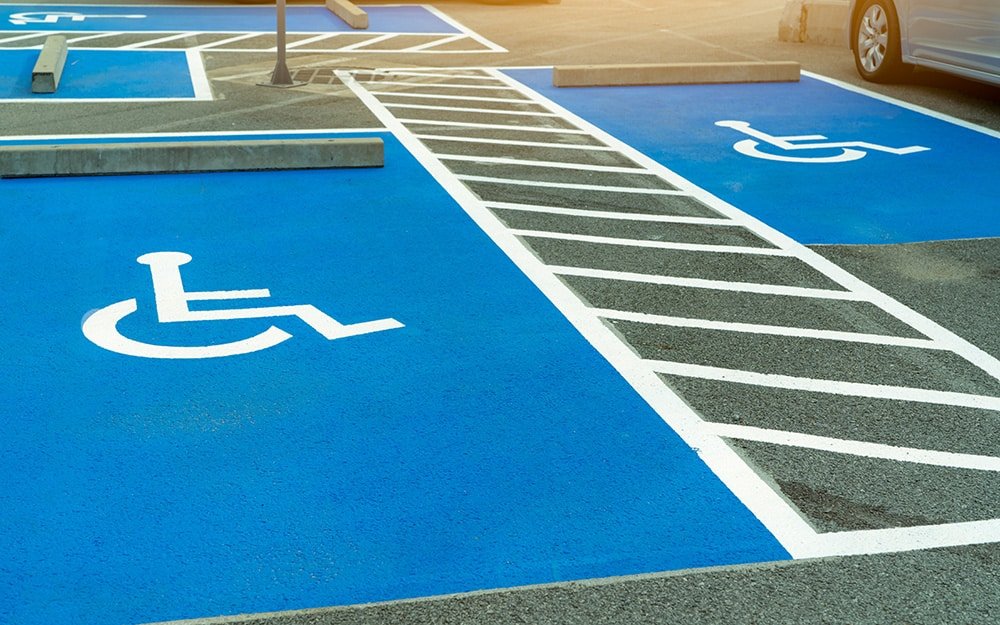
Accessible parking spaces and pedestrian routes are important features of a properly maintained parking facility. Designated spaces, access aisles, and related pavement symbols help identify areas intended to support people with disabilities. Depending on applicable requirements, property owners may also need suitable signs, accessible routes, curb ramps, and other features that connect parking areas with building entrances. Pedestrian crossings should be positioned and marked to help people move through the property with greater clarity. Property managers should review relevant accessibility standards and local regulations before beginning a marking project. Regular inspections and timely repainting help preserve visibility and ensure that these important areas remain clearly identifiable.
Factors That Affect Parking Lot Painting Costs
The cost of a pavement marking project depends on several factors, including the size of the parking area, the number of spaces, the complexity of the layout, and the materials selected. Projects that require extensive cleaning, removal of old markings, layout changes, or specialized symbols may involve additional labor and equipment. The condition of the pavement can also affect the preparation work required before painting begins. Property owners should request detailed estimates that explain the work included, the type of paint proposed, and any additional services that may be necessary. Comparing proposals from qualified contractors helps businesses understand the differences between available options. Considering durability, workmanship, and maintenance needs alongside the initial price can help property owners make a more informed investment.
Why Regular Repainting Is Essential
Pavement markings gradually wear away because of frequent vehicle movement, exposure to sunlight, rain, and other environmental conditions. As paint fades, parking spaces become harder to distinguish, directional arrows lose clarity, and pedestrian crossings may become less noticeable. Regular inspections allow property managers to identify areas that need attention before the markings become difficult to use. The appropriate maintenance schedule depends on traffic volume, weather exposure, paint performance, and the overall condition of the pavement. A reliable parking lot painting schedule can help property owners keep markings visible and maintain a consistent appearance across the entire facility. Addressing worn areas promptly also helps reduce confusion and supports more effective day-to-day parking management.
The Importance of Professional Equipment and Application
Professional pavement marking requires appropriate equipment, accurate measurements, and consistent application techniques. Contractors may use striping machines, measuring tools, stencils, and other equipment to create uniform lines and recognizable symbols. Proper equipment helps maintain consistent line widths and produces a cleaner finish across large parking areas. Skilled workers must also understand how to apply the selected paint according to surface conditions, product instructions, and project specifications. Attention to detail is especially important around intersections, pedestrian crossings, accessible parking spaces, and other areas where unclear markings can create confusion. Quality workmanship helps ensure that the finished layout looks consistent and performs its intended function.
Planning Projects Around Weather and Business Operations
Weather conditions can significantly affect the quality and timing of pavement marking work. Rain, excessive moisture, unsuitable temperatures, and other unfavorable conditions may interfere with paint application or extend drying times. Contractors should follow product guidelines and schedule work when the pavement and weather conditions are appropriate for the selected materials. Business owners should also consider customer traffic, employee schedules, deliveries, and other activities when choosing a project date. Completing the work during quieter operating periods can reduce disruption and make it easier to restrict access to freshly painted areas. Careful scheduling helps protect the quality of the markings while allowing the property to return to normal use as efficiently as possible.
Combining Pavement Painting With Other Maintenance Services
Parking lot painting is most effective when included in a broader pavement maintenance plan. Property owners should consider the condition of the asphalt or concrete, drainage systems, lighting, signage, and existing traffic layout before scheduling a project. Cracks, potholes, standing water, and deteriorating pavement may need attention before new markings are applied. Coordinating repairs and cleaning with repainting can help create a more consistent result and reduce the need for repeated work. Clear signs and adequate lighting also help drivers recognize painted lines and understand the intended traffic pattern. Combining these maintenance activities supports a cleaner appearance and helps property managers maintain a functional parking environment.
Choosing a Reliable Parking Lot Painting Contractor
Selecting a suitable contractor is an important step toward achieving durable markings and a well-organized parking area. Property owners should evaluate experience, equipment, materials, preparation methods, communication, and the clarity of the proposed estimate. Asking about previous projects and expected drying times can help clarify what the work will involve. Contractors should also explain how they plan to protect nearby areas, manage temporary traffic restrictions, and address any necessary layout adjustments. A dependable provider will consider the property’s specific requirements rather than recommending the same approach for every parking facility. Taking time to compare qualifications and project details can help property owners avoid unnecessary expenses and achieve better long-term results.
Long-Term Benefits of Proper Pavement Marking Maintenance
Consistent pavement marking maintenance can provide lasting benefits for property owners, employees, customers, and visitors. Clearly marked spaces make parking easier to understand, while visible directional arrows and crossings help establish more predictable movement throughout the property. Fresh lines also contribute to a cleaner appearance that supports the overall presentation of commercial and residential facilities. Keeping track of inspections, completed projects, and areas that experience frequent wear can help property managers plan maintenance more effectively. This organized approach makes it easier to prioritize work and budget for future improvements. By treating pavement markings as an important part of property maintenance, owners can preserve the usefulness and appearance of their parking areas over time.
Conclusion
Parking lot painting is an important part of maintaining safe, organized, and accessible paved spaces. Clear parking lines, directional arrows, pedestrian crossings, and designated markings help drivers and pedestrians understand how to use the property. Choosing appropriate materials, preparing the pavement correctly, planning the layout carefully, and following suitable application practices all contribute to better results. Property owners should also establish a regular inspection schedule and coordinate repainting with other pavement maintenance activities. Working with an experienced contractor can make it easier to select suitable materials, manage the project efficiently, and maintain consistent markings. Ultimately, well-maintained pavement markings improve the appearance of a property, support organized traffic movement, and create a more convenient experience for everyone who uses the parking area.
Author

thedailygurdian@gmail.com
Related Posts

Startup Booted Fundraising Strategy: A Complete Guide to Building and Growing a Business Without External Investment
- 0
- 2,701 words
Starting a business is an exciting journey, but finding enough money to turn an idea into a successful company can be challenging....
Read out all
Manga District: Exploring the World of Manga, Online Reading, and Japanese Comics
- 0
- 2,182 words
Introduction Manga has become one of the most popular forms of entertainment worldwide. What started as a distinctive Japanese storytelling tradition has...
Read out all
Malaysian Assurance Alliance: History, Growth, Insurance Services, and Its Connection to Zurich
- 0
- 2,699 words
The Malaysian insurance industry has experienced significant growth and transformation over the years. Several companies have contributed to this development by introducing...
Read out all
Colegia: Understanding Its Meaning, Features, Benefits, and Growing Importance in the Digital World
- 0
- 2,232 words
Introduction The internet has introduced countless new words, platforms, services, and concepts that influence how people communicate, learn, and access information. One...
Read out all
Playground Equipment: Creating Safe, Engaging, and Fun Outdoor Play Spaces for Children
- 0
- 2,914 words
Outdoor play is an essential part of childhood development, providing children with opportunities to explore, learn, socialize, and develop important physical and...
Read out all
Professional Fire and Water Damage Restoration: Bringing Damaged Properties Back to Life
- 0
- 3,350 words
Unexpected property damage can create serious challenges for homeowners, business owners, and property managers. Fires, plumbing failures, flooding, storms, and appliance malfunctions...
Read out all