
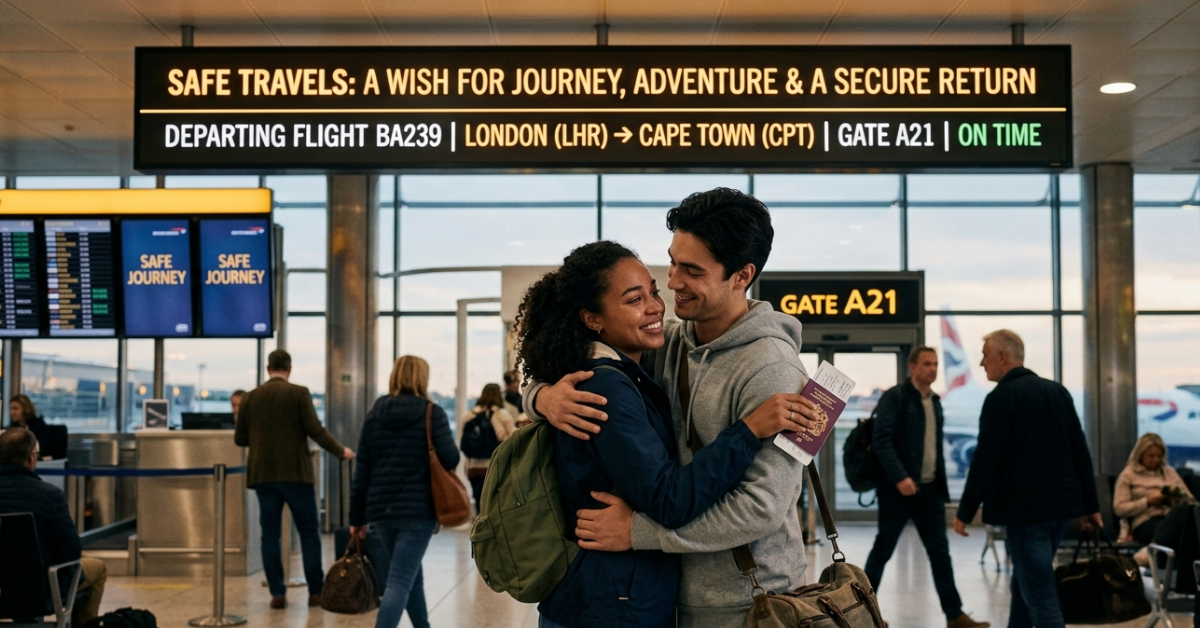
Safe Travels Meaning: What It Really Means
- 0
- 824 words
When someone says safe travels meaning, they’re usually expressing care, warmth, and good wishes before a journey. The phrase “safe travels” is more than just a casual goodbye—it’s a polite way of hoping someone reaches their destination safely and without trouble.
Understanding the safe travels meaning helps you use it correctly in conversations, messages, and travel situations. In this article, we’ll break down what it really means, how people use it, and the difference between similar phrases like “have safe travels.”
Whether you’re texting a friend, saying goodbye at the airport, or writing a message, knowing it adds a thoughtful touch to your communication.
What Does Safe Travels Mean?
At its core, “safe travels” is a short expression of goodwill. It simply means:
- “I hope you travel safely”
- “I wish you a smooth journey”
- “Take care while traveling”
The phrase is widely used in English-speaking countries before someone goes on a trip—whether it’s by plane, car, train, or even long-distance walking.
This is rooted in kindness and concern for someone’s well-being during their journey.
Safe Travels Meaning in Different Contexts
The phrase can slightly change in tone depending on how and where it’s used.
1. Casual Conversations
Friends or family often say:
- “Safe travels!”
- “Take care and safe travels!”
Here, it feels warm and informal.
2. Professional Settings
Colleagues or managers may say:
- “Wishing you safe travels on your business trip.”
This version sounds polite and respectful.
3. Emotional Goodbyes
When someone is going far away:
- “Safe travels, I’ll miss you!”
This adds emotional depth and care.
Have Safe Travels Meaning Explained
Many people search, and while the phrase isn’t grammatically standard, it is still commonly used in informal speech.
It essentially means:
“I hope you have a safe and smooth journey.”
So, when someone says:
- “Have safe travels!”
They are expressing the same idea as “safe travels,” just in a slightly expanded form.
This is often used in texting or spoken English, especially among non-native speakers who mix formal structures with everyday expressions.
Have a Safe Travels Meaning: Is It Correct?
This phrase is often searched because people are confused about grammar.
Technically, “safe travels” is already a fixed expression, and adding “a” is not standard English. However, in real-life usage, people still say:
- “Have a safe trip”
- “Have safe travels”
So while it is not grammatically perfect, its intention is still clear:
Wishing someone a safe journey.
Why People Say Safe Travels
The phrase is popular because it is:
- Short and easy to say
- Universally understood
- Positive and kind
- Suitable for any travel situation
It has become a global expression of care, especially in travel culture where people often move between cities and countries.
This reflects human concern—something simple but meaningful.
Common Alternatives to Safe Travels
If you want to sound more natural or vary your language, here are some alternatives:
- Have a safe trip
- Travel safely
- Bon voyage
- Take care on your journey
- Wishing you a smooth trip
- Hope you get there safely
These phrases carry the same emotional tone but give you more variety in speech and writing.
When to Use Safe Travels
You can use this phrase in many situations, such as:
- Saying goodbye at airports or bus stations
- Sending travel messages via text or email
- Wishing colleagues well on business trips
- Posting farewell messages on social media
It works in both formal and informal settings, making it a versatile expression.
Safe Travels Meaning in Simple Words
To put it simply, it means:
A kind way of wishing someone a safe and comfortable journey.
It’s not just about physical safety—it also includes comfort, peace of mind, and a smooth travel experience.
FAQs About Safe Travels Meaning
1. What is the safe travels meaning in simple English?
It means wishing someone a safe and smooth journey without problems or danger.
2. Is “have safe travels” correct English?
It is commonly used in informal speech, but “have a safe trip” is more grammatically standard.
3. What does have safe travels meaning imply?
It implies a wish for someone to travel safely and comfortably.
4. Can I say safe travels to anyone?
Yes, it is a polite and universal phrase suitable for friends, family, and colleagues.
5. What is the difference between safe trip and safe travels?
Both mean the same thing, but “safe travels” is slightly more general and often used for longer journeys.
Conclusion
The safe travels meaning goes beyond just words—it’s a simple expression of care, kindness, and goodwill. Whether you say “safe travels,” “have safe travels,” or “have a safe trip,” the message remains the same: you want someone to reach their destination safely and happily.
Understanding the safe travels meaning helps you communicate more warmly and naturally in everyday life. So next time someone is heading out on a journey, don’t hesitate to use this thoughtful phrase—it might be short, but it carries a lot of heart.
Author
linguaezone.com@gmail.com
Related Posts

I’m Patient: Understanding the Meaning, Mindset, and Power of Patience
- 0
- 1,816 word
I’m Patient: What Does It Really Mean? Have you ever found yourself waiting for something important and realized that getting frustrated will...
Read out all
Do and Not: Understanding the Difference and Using Both Correctly
- 0
- 2,303 words
Introduction: Why “Do and Not” Matters in Everyday Communication Have you ever written a sentence and wondered whether you should use “do,”...
Read out all
Proscribed: Meaning, Definition, Examples, and Correct Usage
- 0
- 2,338 words
Introduction: What Does “Proscribed” Mean? Have you ever come across the word proscribed and wondered what it actually means? It is one...
Read out all

Imput: Meaning, Common Usage, and Why People Often Use It Instead of Input
- 0
- 1,592 word
What Does Imput Mean? Have you ever typed “imput” instead of “input” and wondered whether you made a mistake? You are certainly...
Read out all
Emaculate vs Demasculate: Understanding the Difference and Correct Usage
- 0
- 2,156 words
Introduction: Emaculate vs Demasculate Have you ever come across the words emasculate and demasculate and wondered whether they mean the same thing?...
Read out all
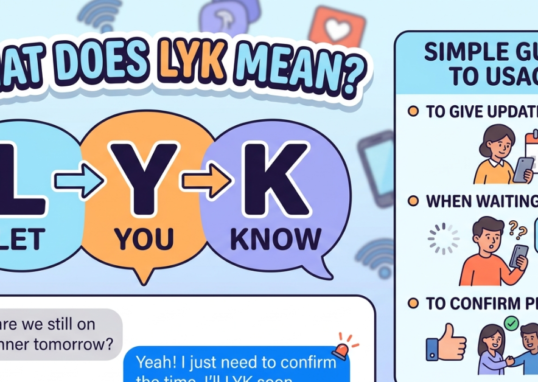
What Does LYK Mean in Text? Simple Guide
- 0
- 1,029 word
Ever received a message that says “LYK” and paused for a second? You are not alone. If you have been wondering what...
Read out all