
- 0
- 1,381 word
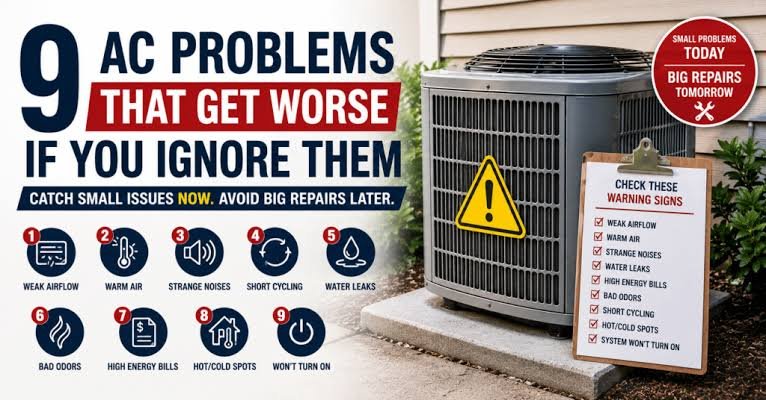
In Savannah’s long cooling season, your air conditioner is doing more than dropping the temperature. It is also pulling gallons of moisture out of the air, protecting your home from sticky rooms, warped wood, and mold growth. That workload means small changes in sound, runtime, or airflow can be early signals of a problem. Catching these signs before a heat wave can prevent a midsummer breakdown and keep energy costs in check. Because many coastal homes use heat pumps that also handle winter heating, the same clues can point to off-season issues. Here is how to read the symptoms your system is giving you and what they usually mean in practical terms.
- What short cycling, long runs, and sticky air really mean
Watch the pattern first. Short cycling is when the system starts and stops frequently, running only a few minutes per cycle. It can indicate an oversized unit, a clogged filter restricting airflow, a dirty condenser coil, or a thermostat placed in a draft or direct sun. Long, never-ending runs usually point to low airflow, low refrigerant charge, or duct leaks that dump cooled air into an attic or crawlspace. If rooms feel clammy even when the thermostat shows your setpoint, the system is not dehumidifying effectively, often from short cycles or an airflow imbalance. For a plain-English look at seasonal AC upkeep in this climate, see more about Thompson & Thompson Service Group, which collects practical homeowner topics.
Two quick checks can keep you from chasing ghosts. First, verify the thermostat fan setting. “Auto” allows the evaporator coil to shed moisture between cycles, which lowers indoor humidity. Leaving the fan on “On” can re-evaporate water from the coil back into the air, making the house feel warmer and stickier. Second, compare supply and return temperatures after the system has run 10 to 15 minutes. A reasonable temperature drop with sticky air usually points to short cycling, while a small drop with long runs suggests airflow or refrigerant issues.
- Airflow red flags: filters, coils, and duct static pressure
Airflow problems cause many early symptoms. Start with the filter. If it is loaded with dust or pet hair, the blower motor cannot move enough air across the evaporator coil. The coil can get too cold and frost over, which further blocks airflow. A common trade-off here is filter rating. Higher MERV filters capture smaller particles but can raise static pressure and starve airflow if the system or return grille is undersized. In many homes, a MERV 8 to 11 filter changed regularly strikes a balance between air quality and airflow. If you notice whistling grilles or weak supply from far rooms, have a pro measure external static pressure before just upsizing the filter.
Dirty coils and duct issues feel similar from the register. A matted evaporator coil inside the air handler lowers heat transfer and can freeze. A dirty condenser coil outside forces the compressor to work harder, raising head pressure and causing safety trips. Clear vegetation at least two feet around the outdoor unit and gently rinse the fins from the inside out with low-pressure water. Avoid pressure washers because they can fold the fins. In ductwork, crushed flex duct, disconnected boots, or leaky return drops can create pressure imbalances that show up as uneven rooms or sweating vents on humid days. Finding and fixing those restrictions restores capacity without touching the refrigerant circuit.
- Electrical and control clues: thermostats, capacitors, and contactors
Not every no-cool event is a major component failure. A thermostat that loses calibration or sits above a supply register can call erratically, leading to short cycling. Low-voltage wiring splices at the outdoor unit can corrode near the coast and intermittently drop the signal to the contactor. Inside the condenser, a weak run capacitor may cause the compressor or condenser fan to hum but not start, especially after a brief power outage when pressures are unequal. Meanwhile, a pitted contactor can chatter, making the system start, stop, then start again.
Here is a common scenario: after a summer storm, the indoor blower runs but the outdoor fan is quiet. Check the breaker first. If power is present and the contactor pulls in, the issue could be the fan motor or its capacitor. If the contactor does not pull in, the low-voltage control circuit may be open due to a tripped float switch, a broken wire, or a thermostat issue. Resist the urge to repeatedly reset breakers. Repeated trips point to a deeper electrical problem that can damage the compressor if forced to run.
- Refrigerant and ice: when frost points to a deeper issue
Ice belongs in your glass, not on the suction line or evaporator coil. Frost on the large insulated copper line at the outdoor unit usually means low airflow or low refrigerant. If the filter is clean and supply airflow feels weak, switch the system off at the thermostat and run the fan in “On” for 30 to 60 minutes to thaw the coil. Running an iced system can flood the compressor with liquid refrigerant when it finally melts, risking damage.
Low refrigerant charge often shows up as long runtimes, warm supply air under load, and icing that returns a day or two after thawing. Topping off without finding the leak is a mistake. Refrigerant does not get “used up,” and repeated additions introduce moisture and contaminants. Proper diagnosis involves measuring superheat and subcooling and inspecting common leak points such as flare connections, Schrader cores, and the evaporator coil. If the coil is leaking, repair options range from coil replacement to a full system discussion depending on age, warranty status, and the severity of corrosion in a coastal environment.
- Condensate shutdowns and musty odors: drains, float switches, and growth
In Savannah’s humidity, your air handler removes significant moisture, which must exit through the condensate drain. If that line clogs with algae or debris, a float switch in the drain pan will shut the system off to prevent an overflow. Many homeowners report “the AC just stopped” on a muggy afternoon, only to find a full pan and no cooling. Signs often include gurgling at the drain, water stains near the air handler, or a musty odor at start-up. Clearing the line and cleaning the pan usually restores operation, but avoid dumping harsh chemicals. A mild vinegar rinse during routine maintenance, combined with a properly installed P-trap and clean air filter, can keep growth in check.
Musty odors can also come from a dirty blower wheel or evaporator coil that has trapped dust and biofilm. That buildup not only smells but also reduces efficiency by insulating the coil. Addressing the source is key. UV lamps can help manage growth on constantly wet surfaces, but they do not replace mechanical cleaning. If you have repeated condensate clogs, ask a technician to check the drain’s slope, trap design, and whether negative pressure at the air handler is pulling sewer gas or attic air into the line.
Heat pumps and winter checks: reversing valve behavior and auxiliary heat
Many local homes use heat pumps, so cooling clues can explain winter quirks too. If you hear the outdoor unit whoosh and steam briefly in winter, that is usually a normal defrost cycle. However, rapid short cycling in heating often points to the same airflow restrictions that cause summer icing. A stuck reversing valve can leave you with lukewarm air in both modes. Meanwhile, if the thermostat displays “Aux” or “Emergency Heat” frequently above the system’s balance point, you may have a refrigerant or airflow issue forcing the electric heat strips to carry the load. That drives bills up fast.
When symptoms stack up, know when to pause the system to prevent damage. Turn it off if you see ice on the coil or suction line, if the condenser fan is stalled, or if water is collecting in the drain pan. Gentle homeowner steps include changing a dirty filter, clearing debris from the outdoor coil, and verifying thermostat settings. Anything involving refrigerant pressures, high-voltage components, or repeated breaker trips is best left to a licensed technician with gauges and a meter. A seasonal inspection that includes static pressure readings, coil cleaning, electrical testing of capacitors and contactors, and a condensate line flush is often the difference between a hot, humid afternoon and an uneventful summer.
Author

linguaezone.com@gmail.com
Related Posts

Choosing the Right Forklift Solutions for Efficient Material Handling
- 0
- 2,402 words
Modern warehouses, distribution centers, manufacturing facilities, and industrial operations depend on reliable equipment to move products safely and efficiently. From unloading heavy...
Read out all
Maintaining a Healthy Plumbing System with Professional Sewer Solutions
- 0
- 2,751 words
A properly functioning sewer system is one of the most important parts of maintaining a safe, clean, and comfortable residential or commercial...
Read out all
Roof Tarping: Immediate Protection Against Roofing Damage and Water Intrusion
- 0
- 2,055 words
A damaged roofing system can expose an entire property to serious problems, especially when heavy rainfall, strong winds, or severe storms create...
Read out all
Improving Heating Performance and Indoor Comfort Through Professional Furnace Cleaning
- 0
- 2,645 words
Understanding Why Furnace Cleaning Is Essential A furnace is one of the most important components of a property’s heating system because it...
Read out all
Protecting Your Property Through Professional Leak Detection
- 0
- 2,317 words
Understanding the Importance of Leak Prevention Plumbing systems play an essential role in everyday comfort, providing a dependable supply of water for...
Read out all
Beyond the Foundation: Creating Exceptional Outdoor Spaces with Concrete Design
- 0
- 3,103 words
Concrete has become an essential material in modern residential landscaping because it combines structural strength, design flexibility, and long-term practicality. Homeowners looking...
Read out all