
- 0
- 1,017 word
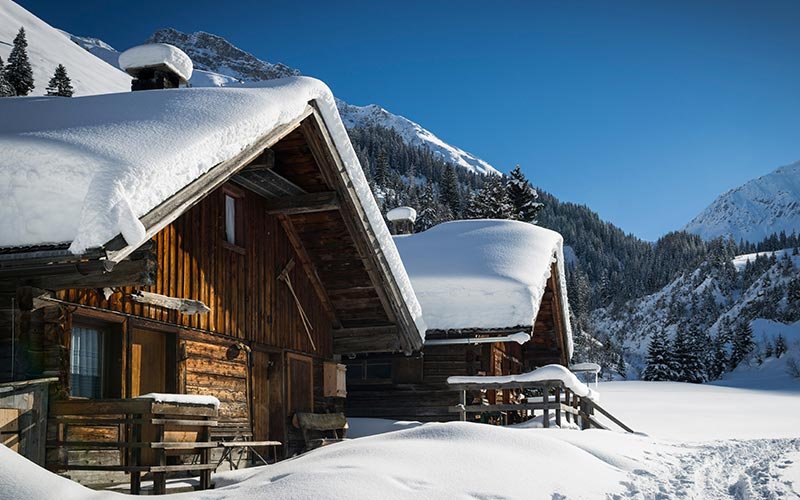
Winters across New York’s Capital Region bring snow that can sit on roofs for weeks. In neighborhoods from Albany to Saratoga County communities like Clifton Park, Malta, and Saratoga Springs, that snow often sets the stage for ice dams. These thick ridges of ice along the eaves block meltwater, which can back up under shingles and leak into soffits, walls, and ceilings. Understanding why ice dams form and how roof systems are built to resist them helps homeowners protect asphalt shingles, sheathing, and interior finishes. The fix rarely hinges on one product. It comes from the relationship between attic ventilation, air sealing, insulation, and specific roofing details at the eaves, valleys, and penetrations.
- How Ice Dams Form on Upstate Roofs
Ice dams are a temperature problem, not a snow problem. Warm air that slips from living spaces into the attic heats the roof deck, melts the underside of the snowpack, and sends water running toward the colder eaves. It refreezes at the overhang where there is no heat from the house, building a lip of ice. Telltale signs include heavy icicles, a ridge of ice above the gutter line, and interior symptoms like ceiling stains near exterior walls or at skylight wells after a thaw.
Because each home’s roof geometry and attic layout are different, targeted evaluation matters. A seasoned Albany roofing company can spot missing soffit intake, undersized ridge vents, or short runs of ice and water shield at the eaves. They also look beyond shingles, checking for recessed lights under a valley, a bathroom fan dumping humid air into the attic, or a knee wall cavity that connects directly to the overhang.
- Ventilation That Keeps the Roof Deck Cold
Good ventilation keeps the roof deck close to outdoor temperature so snow stays frozen until it sublimates or safely melts. That typically means continuous soffit intake paired with a ridge vent, with air chutes or baffles maintaining a clear path above attic insulation. In homes with multiple roof planes, short ridge segments, or hips, additional solutions like smartly placed roof vents can support the airflow path. The principle is simple: steady, balanced air movement from low to high reduces warm spots that kickstart dam formation.
Common missteps undermine this balance. A ridge vent without open soffit intake is like an exhaust fan with no fresh air supply. Blocking vent bays with insulation batts stops airflow, even when a ridge vent is present. Venting bath or kitchen fans into the attic adds heat and moisture, which warms the deck and condenses on cold sheathing. In Saratoga County Capes with short rafter bays, proper baffles at each rafter and open soffit screens are especially critical.
- Insulation and Air Sealing Inside the House
Ventilation only works well when paired with air sealing and insulation. Air sealing tackles the leaks that move heated air into the attic in the first place. Typical culprits include gaps around can lights, plumbing stacks, chimney chases, and the attic hatch. Sealing these with appropriate fire-resistant materials, foam, and weatherstripping reduces convective heat loss. Once air leaks are addressed, bringing insulation to code-compliant R values helps slow conductive heat flow. Dense-packed cellulose in knee wall cavities, added blown-in insulation on open attic floors, and insulated, gasketed attic access covers all support a colder roof deck.
Consider two realistic scenarios. In a 1950s Cape in Ballston Spa, short rafter bays behind knee walls often connect to the soffit. Without rigid foam backs and baffles, warm air washes the roof sheathing above, creating ice rims at the front overhang. In a modern home in Halfmoon with a cathedral ceiling, inadequate vent chutes or compressed insulation can create warm stripes that track up to a valley. In both cases, sealing the leaks on the warm side and restoring clear ventilation channels make the visible difference outside.
- Eave and Valley Details That Make or Break Winter Performance
Even with good ventilation and insulation, roofing details at vulnerable areas decide whether occasional meltwater finds a path inside. Ice and water shield should extend from the eaves up past the interior warm wall line and wrap into valleys, skylight curbs, and along dormer sidewalls. The drip edge and underlayment must be layered in the correct sequence so water driven by wind sheds properly. In valleys, an open metal valley or a properly installed closed cut valley must clear meltwater quickly to the gutter. Around chimneys, counterflashing and step flashing should be intact and sealed.
Gutters do not cause ice dams, but clogged troughs or steeply crowned guards can trap slush and overflow the fascia. Gutter covers help with leaves yet are no substitute for proper eave protection. Heat cables can open melt channels where a temporary fix is needed, but they involve additional energy consumption and should be routed and secured without piercing shingles. The more durable solution remains improving air sealing, ventilation, and underlayment coverage so cables become unnecessary.
Midwinter Response and Fixes During Warmer Months
If you already see a dam, think containment and safety. From the ground, use a roof rake with a plastic blade to pull snow off the first few feet above the eaves, reducing meltwater volume without scraping granules. Avoid chipping ice with a shovel or hammer, which can cut shingles and flashing. Calcium chloride-filled socks placed perpendicular to the eave can melt small channels for drainage, while rock salt should be avoided because it stains siding and corrodes metal. If water is leaking indoors, catch drips, protect floors, and have a qualified professional remove the immediate ice safely.
The ideal time for permanent fixes is spring through early fall. A roof assessment can confirm whether additional soffit intake is feasible, if ridge vents are properly cut open, or whether targeted roof replacement at the eaves and valleys is warranted to add ice and water shield. Inside, schedule air sealing around penetrations and add insulation to the recommended depth without blocking baffles. Together, these measures align the roof assembly with the Capital Region’s repeated freezing and thawing conditions so next winter’s snow can sit harmlessly on a cold, properly constructed roof.
<iframe src=”https://www.google.com/maps/embed?pb=!1m18!1m12!1m3!1d2928.0478450556725!2d-73.9530892!3d42.787338399999996!2m3!1f0!2f0!3f0!3m2!1i1024!2i768!4f13.1!3m3!1m2!1s0x89de71935a6fdc61%3A0xdba713faeb0f4714!2sPinnacle%20Roofing%20Inc.!5e0!3m2!1sen!2sno!4v1769352609283!5m2!1sen!2sno” width=”600″ height=”450″ style=”border:0;” allowfullscreen=”” loading=”lazy” referrerpolicy=”no-referrer-when-downgrade”></iframe>
Author

linguaezone.com@gmail.com
Related Posts

Choosing the Right Forklift Solutions for Efficient Material Handling
- 0
- 2,402 words
Modern warehouses, distribution centers, manufacturing facilities, and industrial operations depend on reliable equipment to move products safely and efficiently. From unloading heavy...
Read out all
Maintaining a Healthy Plumbing System with Professional Sewer Solutions
- 0
- 2,751 words
A properly functioning sewer system is one of the most important parts of maintaining a safe, clean, and comfortable residential or commercial...
Read out all
Roof Tarping: Immediate Protection Against Roofing Damage and Water Intrusion
- 0
- 2,055 words
A damaged roofing system can expose an entire property to serious problems, especially when heavy rainfall, strong winds, or severe storms create...
Read out all
Improving Heating Performance and Indoor Comfort Through Professional Furnace Cleaning
- 0
- 2,645 words
Understanding Why Furnace Cleaning Is Essential A furnace is one of the most important components of a property’s heating system because it...
Read out all
Protecting Your Property Through Professional Leak Detection
- 0
- 2,317 words
Understanding the Importance of Leak Prevention Plumbing systems play an essential role in everyday comfort, providing a dependable supply of water for...
Read out all
Beyond the Foundation: Creating Exceptional Outdoor Spaces with Concrete Design
- 0
- 3,103 words
Concrete has become an essential material in modern residential landscaping because it combines structural strength, design flexibility, and long-term practicality. Homeowners looking...
Read out all