
- 0
- 1,020 word
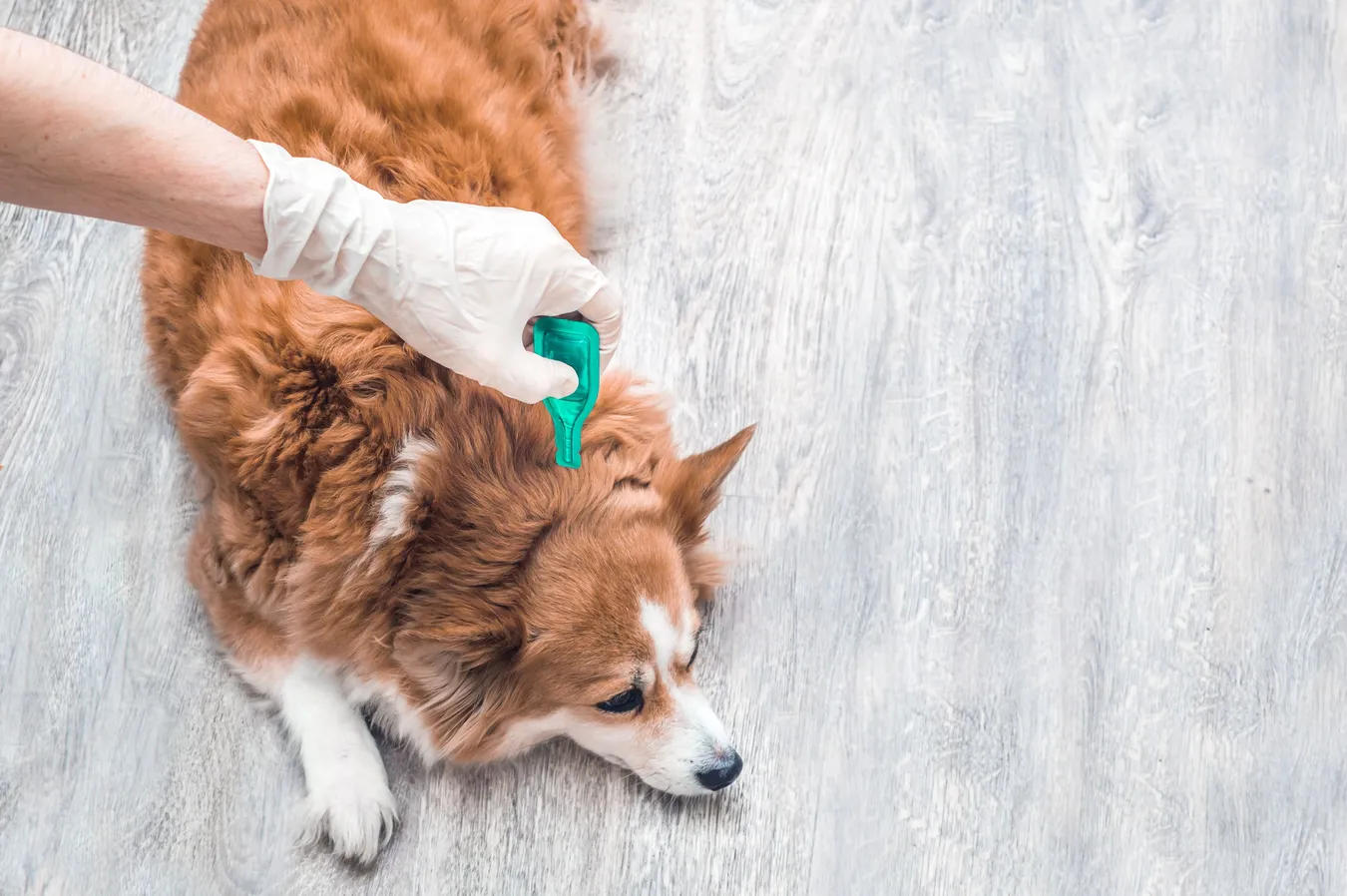
You can do a lot right and still miss the first signs of a parasite problem. Your dog scratches more than usual, your cat seems tired, or you spot something small in the fur and hope it is nothing. That uneasy feeling is real, because parasites rarely stay small for long. A veterinarian in Surrey can help identify the issue early, before it gets worse. Fleas, ticks, and heartworms can turn from a nuisance into a health problem fast, and the cost of waiting is often higher than people expect.
Why Animal Hospitals Are Essential For Parasite Prevention comes down to one simple truth. Prevention works best when it is tailored to your pet, your home, and the risks around you. An animal hospital does more than hand you a product. It helps catch hidden issues early, chooses prevention that fits your pet’s age and health, and protects against problems that are easy to underestimate until they become serious.
Parasite prevention fails when it is treated like a one size fits all task
It usually starts with good intentions. You pick up an over the counter flea treatment, give it once, then life gets busy. A dose is missed. Your pet vomits after medication and you are not sure whether it worked. A tick is found after a walk and suddenly you are wondering what else you have not seen.
That is where an animal hospital matters. Parasite prevention is not just about buying a product. It is about knowing which parasites are common in your area, how your pet’s species and lifestyle change the risk, and whether there are underlying conditions that affect which medications are safe. Puppies, kittens, seniors, pregnant pets, and animals with chronic illness do not all need the same plan.
Fleas can trigger skin infections and allergic reactions. Ticks can spread disease before a pet ever looks sick. Heartworms are even harder because many infected pets show few signs until the disease has progressed. Virginia Tech’s guidance on heartworm prevention for pets explains why consistent prevention and routine testing matter so much. Missing a few months is not always harmless.
The same pattern shows up with fleas and ticks. The CDC offers clear advice on preventing fleas on pets and in the home and on preventing ticks on pets. Those steps help, but they work best when a veterinarian helps connect them to your pet’s real exposure. A mostly indoor cat can still get fleas. A dog that only goes into the backyard can still pick up ticks. Prevention slips when risk is judged by guesswork.
Animal hospitals catch the hidden health risks behind common parasites
Some parasite problems are obvious. Many are not. Heartworms can be present long before a dog starts coughing or tiring easily. Intestinal parasites may show up as mild stomach upset that looks like a simple food issue. Tick borne illness can start with vague signs like fatigue, fever, or limping that come and go.
An animal hospital for parasite prevention gives you more than treatment after the fact. It gives you exams, testing, weight checks, medication review, and a chance to adjust the plan as your pet changes. That matters because the right dose depends on current weight, and the safest option depends on your pet’s age, breed, and medical history.
You also get help with the part many owners find exhausting, the cleanup and follow through. If fleas are already in the house, one dose on the pet may not solve the problem. Eggs and larvae can remain in carpets, bedding, and furniture. A veterinarian can tell you whether you are dealing with prevention, active infestation, or both, and that saves time, money, and a lot of frustration.
Professional parasite prevention reduces long term cost and stress
People often try to save money by handling parasite control alone, and that makes sense at first glance. The trouble shows up later. A product may not cover the parasite your pet is actually exposed to. A treatment may be given inconsistently. Side effects may be missed. By the time the problem is visible, you are paying for an exam, diagnostics, medication, environmental cleanup, and sometimes emergency care.
Veterinary parasite prevention is often less expensive than treating the damage. It also protects your household. Some parasites can affect people, especially children, older adults, and anyone with a weaker immune system. When your pet is protected, your home is safer too.
| Approach | Short Term Cost | Common Gaps | Likely Outcome |
|---|---|---|---|
| DIY over the counter prevention | Usually lower upfront | Wrong product choice, missed doses, limited coverage, no testing | Higher chance of infestation or delayed diagnosis |
| Animal hospital prevention plan | Moderate, planned expense | Fewer gaps because dosing, testing, and follow up are guided | Better protection, earlier detection, lower risk of severe illness |
| Treatment after illness appears | Often highest total cost | Pet may already have complications | More stress, more visits, and longer recovery |
Consistent parasite prevention starts with clear steps
Schedule a parasite screening and wellness exam. If your pet has not been checked recently, start there. A veterinarian can look for signs you may not notice at home and recommend testing based on species, age, and exposure.
Use a prevention plan made for your pet. Ask for a plan that covers the parasites most common for your pet’s lifestyle. A dog that hikes, a cat that slips onto the porch, and a senior pet with other health issues need different strategies.
Stick to the calendar and monitor changes. Set reminders for monthly doses, refill early, and keep track of scratching, tiredness, coughing, stomach upset, or skin changes. Small shifts are often the first clue that something needs attention.
Protecting your pet starts before symptoms appear
You do not need to wait until your pet is miserable to take parasites seriously. The best time to deal with fleas, ticks, heartworms, and other parasites is before they get a foothold. That is why animal hospitals remain so important. They make prevention more accurate, more consistent, and far less overwhelming.
If your pet is due for parasite prevention support, schedule an appointment with an animal hospital and get a plan that fits your pet’s real life.
Author

khizarnisar367@gmail.com
Related Posts

How Real Estate Brands Can Build Buyer Trust Through Digital Marketing in Pune
- 0
- 583 words
Buying a property is a process which requires thorough research, planning and many decisions. Home buyers of today do not want just...
Read out all
What Equipment Propane Suppliers Use for Safe Fuel Delivery
- 0
- 721 words
Propane delivery requires specialized equipment to transfer liquefied petroleum gas between storage facilities and customer tanks. Each component serves a specific purpose,...
Read out all
Chief Technical Examiner: Roles, Responsibilities, Qualifications, and Career Opportunities
- 0
- 2,372 words
Introduction The role of a chief technical examiner is important in organizations that depend on technical accuracy, professional standards, quality control, and...
Read out all
Uecht: Exploring Its Meaning, History, Location, and Fascinating Connections
- 0
- 2,422 words
The word Uecht may look unfamiliar to many people, but it has several interesting connections to European geography, language, history, and astronomy....
Read out all
songoftruth.org: A Complete Guide to Its Purpose, Content, Features, and What Visitors Should Know
- 0
- 1,890 word
The internet provides countless websites designed to inform, educate, entertain, and inspire people. However, finding a platform that offers useful information in...
Read out all
Printely: Everything You Need to Know About Its Features, Uses, Benefits, and Growing Popularity
- 0
- 2,036 words
In today’s digital world, printing and design solutions continue to play an important role in personal, educational, and professional activities. From creating...
Read out all