

- 0
- 953 words
Most packing disasters do not happen because a traveller forgot an umbrella. They happen because panic took over forty-eight hours before departure, prompting three extra jumpers, two duplicate charging bricks, and a pair of heavy leather boots to be shoved into a bag that was already full. Carrying too much luggage turns transit days into an exercise in physical endurance, while stripping a kit down to an empty nylon shell leaves you stranded when weather turns or equipment breaks on the road.
The trick to packing light is not denying yourself comfort. It is understanding the precise line between genuine utility and comforting illusions.
The Core Weight Against Utility Equation
Efficient travel packing starts with accepting that you are packing for an average week on the move, not for every conceivable social and meteorological scenario. A three-week journey across different climate zones requires roughly the same volume of clothing as a five-day city break if you commit to lightweight, breathable textiles that wash easily in a hotel basin and dry overnight.
Merino wool base layers, technical nylon trousers, and packable down jackets provide remarkable thermal flexibility across wide temperature swings while taking up minimal space in a forty-litre rucksack. High-performance travel gear earns its place by performing two or three distinct jobs. A lightweight, breathable waterproof shell doubles as an evening windbreaker over a collared shirt. Trail runners handle both uneven cobblestone streets and loose gravel mountain paths, eliminating the need to pack separate running shoes and casual trainers. If an item only serves a single, highly specific purpose, leave it out of the bag.
High-Value Personal Items Worth the Weight
Certain personal items deserve their space in your carry-on luggage regardless of how strictly you count your grams. High on that list is proper ocular protection. Squinting through days of intense alpine glare or reflective coastal sunlight triggers persistent tension headaches and ruins an afternoon of exploration.
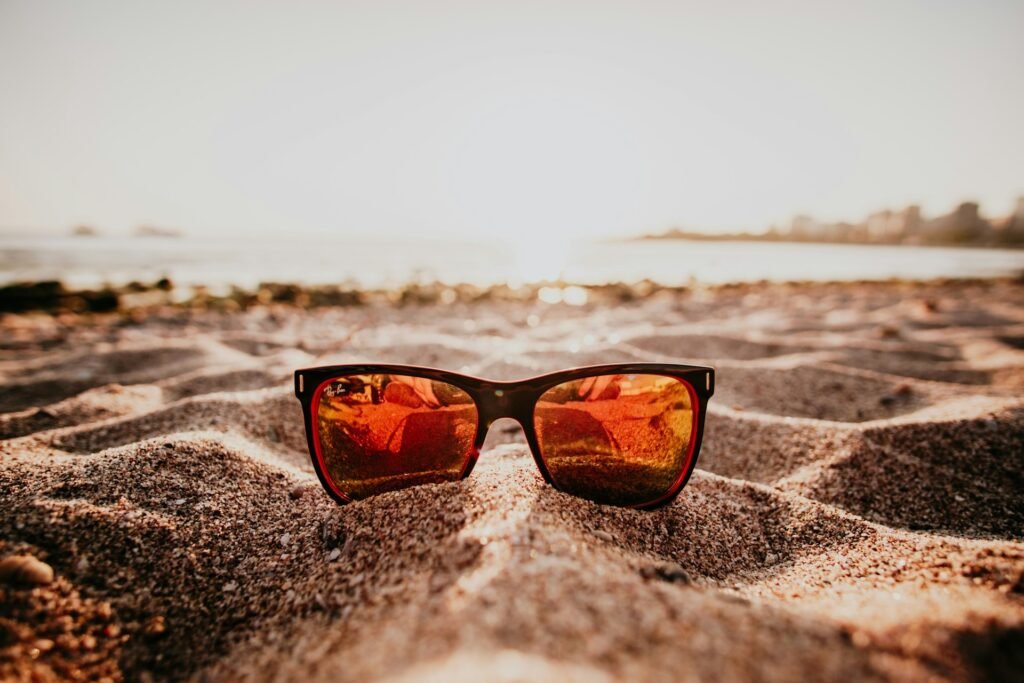
Carrying a reliable pair of designer sunglasses is not merely an aesthetic indulgence for restaurant terraces. High-grade optical lenses with verified UV400 absorption and anti-reflective back coatings shield your eyes from high-altitude solar radiation, wind-blown grit, and harsh surface reflections coming off water and pale stone pavements.
Unlike cheap promotional shades that distort your peripheral vision and scratch under light friction, well-crafted eyewear built from hand-finished acetate or Japanese titanium withstands the constant handling of transit. Tucking your frames into a structured, lightweight protective case ensures they survive being pushed into a seatback pocket or daypack without bending out of true.
Medical Readiness and Field Protection
When an itinerary shifts from urban sightseeing toward a rugged outdoor adventure, the consequences of leaving critical safety items behind escalate quickly. Remote mountain paths and coastal trails do not offer convenient high-street pharmacies when an accidental trip or painful blister threatens your mobility.
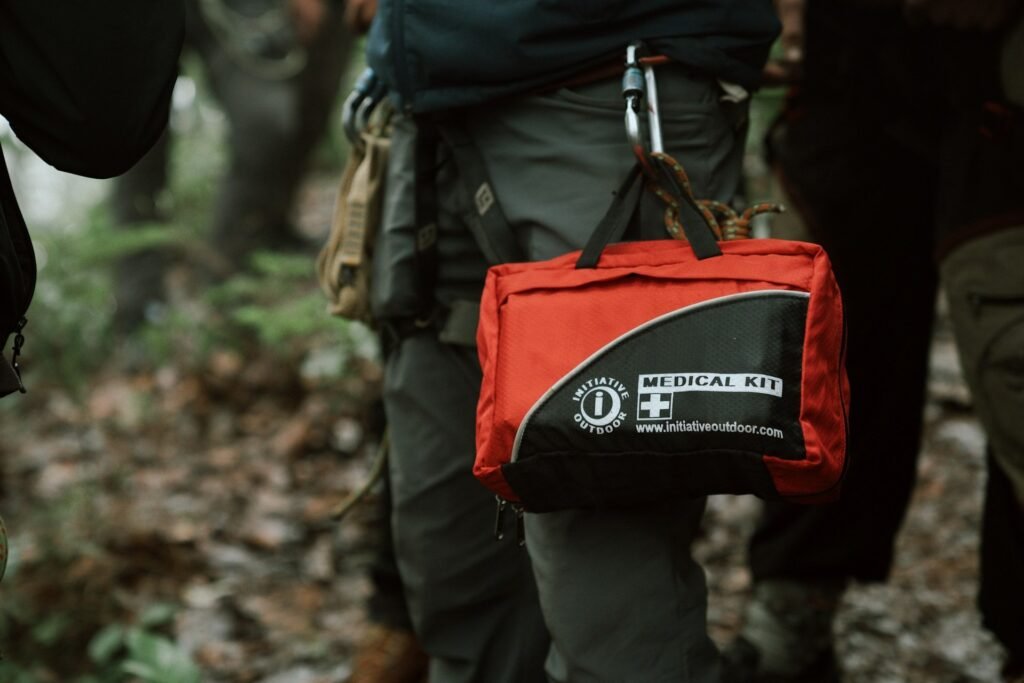
If your route involves multi-day trekking across unpredictable terrain, carrying a compact safety kit is a non-negotiable health investment. This does not mean hauling a bulky medical trauma bag designed for an ambulance crew. A sensible setup includes sterile blister dressings, cohesive compression bandages, water purification tablets, and antiseptic wipes.
Having reliable provisions for first aids allows you to treat cuts, sprains, and gastrointestinal upsets before small physical irritations turn into trip-ending medical emergencies. Keep these items together inside a bright, waterproof pouch placed in the same side pocket of your rucksack so you can locate them in seconds without rummaging through your clean clothes in the dark.
The Electronics and Cable Audit
Consumer technology is the quiet culprit behind excessively heavy luggage. A laptop, tablet, e-reader, mirrorless camera, and half a dozen proprietary charging cables create a surprising amount of physical dead weight and tangled clutter at airport security checkpoints.
Consolidating your electronic setup requires a strict audit before you zip the bag. A single multi-port GaN charger paired with two high-wattage USB-C cables can power your phone, camera battery, and reading device from a single wall socket, rendering bulky proprietary plugs redundant.
If an electronic gadget does not actively support your daily navigation or professional work, it is dead weight. Relying on digital offline maps, cloud-stored backup documents, and a compact high-density power bank keeps your pack lean while preserving full digital capability across remote borders.
Protecting Fragile Essentials in Transit
Packing light does not mean stuffing everything into a single loose cavity where delicate equipment gets crushed under the weight of spare footwear. Fragile investments, including your camera lenses, prescription glasses, and designer sunglasses, require deliberate positioning near the top of your pack or inside an easily accessible, padded compartment.
Soft items like rolled wool socks and microfibre travel towels make excellent protective padding. Wrapping delicate hardware in secondary clothing layers saves you from carrying heavy, dedicated hard cases for every single accessory.
Use lightweight silnylon packing cubes to compress soft clothing into structured blocks. This creates clear internal compartments within your bag, ensuring you never have to empty the entire contents of your rucksack onto a dirty train platform just to pull out a rain jacket or your passport wallet.
The Physical Freedom of Travelling Light
The real dividend of a compact rucksack is not the money saved at the budget airline check-in desk. It is the spontaneous freedom it affords your itinerary once you land.
When your entire kit sits comfortably on your back without pulling at your shoulders, catching an earlier train, walking two miles across town to an unplanned guesthouse, or navigating crowded metro stations becomes effortless. You spend far less time worrying over luggage logistics and more mental energy engaging with the landscapes around you. Packing light is not an exercise in deprivation. It is a conscious decision to prioritise physical mobility over material excess.
Author

fraz.ashraf@gmail.com
Related Posts

Building a More Flexible Material Handling Strategy With Reliable Equipment Access
- 0
- 2,306 words
Material handling plays an important role in warehouses, distribution centers, manufacturing facilities, construction operations, logistics environments, and many other workplaces where products...
Read out all
Creating Year-Round Comfort Through Smarter HVAC System Care
- 0
- 2,482 words
A comfortable indoor environment depends on a reliable system that can respond to changing temperature demands throughout the year. Buildings experience different...
Read out all
Protecting Drainage Performance Through Smarter Sewer System Care
- 0
- 2,209 words
A property’s plumbing system performs many essential functions every day, but some of its most important components remain hidden beneath floors, foundations,...
Read out all
Extroly.com: A Complete Guide to Its Features, Benefits, and Online Potential
- 0
- 2,363 words
Introduction to Extroly.com The internet continues to introduce new websites and digital platforms that aim to make online activities easier, faster, and...
Read out all
How to Plan the Right Fence for a Hanahan, South Carolina Property
- 0
- 980 words
A well-designed fence can change the way a property looks, functions, and feels. In Hanahan, South Carolina, homeowners may want more privacy...
Read out all
What to Do With Your 401(k) After Leaving a Job
- 0
- 946 words
Changing jobs is a major financial transition. It is easy to overlook a retirement account from a former employer. Yet the decisions...
Read out all