
- 0
- 962 words
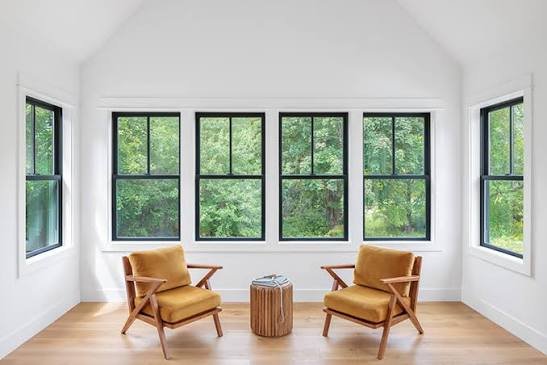
New windows for your home are a decision that pays off for decades, which is exactly why it shouldn’t be rushed. Between energy bills, curb appeal, and daily wear and tear, your windows do more heavy lifting than almost any other feature of your house. If you’ve been comparing materials and keep landing on the same question — vinyl, wood, or something better — there’s a good chance composite windows have crossed your radar.
At Elevated Windows & Doors, we’ve watched homeowners fall in love with composite windows for one simple reason: they combine the best qualities of traditional materials without the usual trade-offs. They look like wood, perform like high-tech engineering, and hold up to weather that would wear down lesser materials.
This post breaks down what makes composite windows worth considering, where they shine, and how to know if they’re the right fit for your next home improvement project.
What Exactly Are Composite Windows?
Composite windows are built from a blend of materials, typically combining wood fibers with thermoplastic polymers. The result is a frame that’s stronger than solid wood, more resistant to moisture than standard vinyl, and far less prone to warping, rotting, or cracking over time.
Think of composite as the best parts of several materials fused into one. Manufacturers engineer these frames specifically to address the weaknesses of single-material windows: wood’s tendency to swell and rot, vinyl’s tendency to fade and become brittle in extreme temperatures, and aluminum’s poor insulation properties. Composite frames sidestep all three issues at once.
The Benefits That Make Composite Windows Stand Out
Built to Handle Real Weather
Whether your home faces blazing summers, freezing winters, or humid coastal air, composite windows are designed to hold their shape and performance. The material resists expansion and contraction better than vinyl, which means fewer gaps, less air leakage, and a tighter seal year-round.
Lower Energy Bills Over Time
Composite frames offer excellent insulation, helping keep conditioned air inside where it belongs. Homeowners who switch from older single-pane or aluminum windows often notice a real difference in heating and cooling costs within the first year. Better insulation means your HVAC system doesn’t have to work overtime just to maintain a comfortable indoor temperature.
Low Maintenance, High Payoff
Unlike wood windows that need regular painting, sealing, or staining, composite windows require very little upkeep. A simple wipe-down is usually all it takes to keep them looking sharp. That’s a meaningful time and cost savings for homeowners who’d rather spend weekends relaxing instead of repainting window frames.
A Natural Look Without the Natural Drawbacks
Many composite window options are designed to mimic the warmth and texture of real wood, giving you that classic aesthetic without the risk of rot, pests, or moisture damage. You get the visual appeal homeowners love, minus the maintenance headaches that come with traditional wood frames.
Long-Term Durability
Composite materials are engineered for longevity. They resist cracking, chipping, and discoloration far better than standard vinyl, which means your investment keeps paying off for years rather than needing replacement after a single harsh season.
How Composite Windows Compare to Other Materials
It’s worth putting composite windows side-by-side with the alternatives to see why so many homeowners are making the switch.
- Vs. Vinyl: Vinyl is budget-friendly but can warp or discolor under intense heat. Composite holds its shape and color far longer.
- Vs. Wood: Wood offers timeless beauty but demands regular maintenance and is vulnerable to moisture damage. Composite delivers a similar look with none of the upkeep.
- Vs. Aluminum: Aluminum is durable but a poor insulator, often leading to higher energy costs. Composite outperforms it on thermal efficiency.
If durability, energy efficiency, and a low-maintenance lifestyle are priorities for your home, composite is often the clear winner among these options.
Is Your Home a Good Fit for Composite Windows?
Not every renovation calls for the same solution, but composite windows tend to be an excellent match for homeowners who want long-term value without sacrificing style. If you’re updating an older home with outdated, drafty windows, or building new construction where energy efficiency is top of mind, composite frames check nearly every box.
They’re also a smart choice for homes in climates with extreme seasonal shifts, since the material’s stability means fewer callbacks for warping, sticking, or seal failures down the line.
Getting Started With Elevated Windows & Doors
Composite windows that combine timeless style with lasting performance can transform the comfort and efficiency of your entire home, and that’s precisely the kind of upgrade our team at Elevated Windows & Doors specializes in delivering. We work closely with homeowners to assess their current windows, discuss goals around energy efficiency and aesthetics, and recommend solutions tailored to the specific needs of their property.
Our installation team brings years of hands-on experience to every project, ensuring your new windows are fitted with precision and built to perform for decades. We believe window replacement shouldn’t be a guessing game, which is why we walk every customer through their options clearly, honestly, and without the upsell pressure you might expect elsewhere.
Ready to Make the Switch?
Upgrading your windows is one of those projects that quietly improves nearly everything about your home: comfort, energy bills, curb appeal, and resale value. Composite windows offer a rare combination of beauty and resilience that’s hard to beat, especially for homeowners who want a long-term solution rather than a short-term fix.
If you’re ready to explore what composite windows could do for your home, reach out to Elevated Windows & Doors for a consultation. Our team is happy to answer questions, provide a quote, and help you figure out the best path forward for your home’s next chapter.
Author

primestarfirm@gmail.com
Related Posts
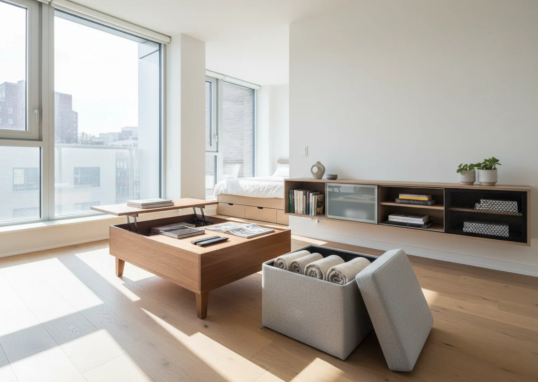
How Custom Wood Furniture Improves Storage and Organization
- 0
- 1,003 word
A home depends on more than having enough cabinets. The way furniture fits a room, responds to daily routines, and uses overlooked...
Read out all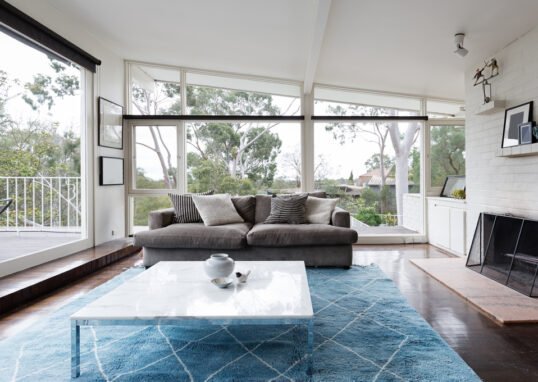
Expanding Your Living Space With a Thoughtful Addition
- 0
- 2,419 words
As households grow and lifestyles change, the amount of space available inside a home may eventually stop meeting everyday needs. A growing...
Read out all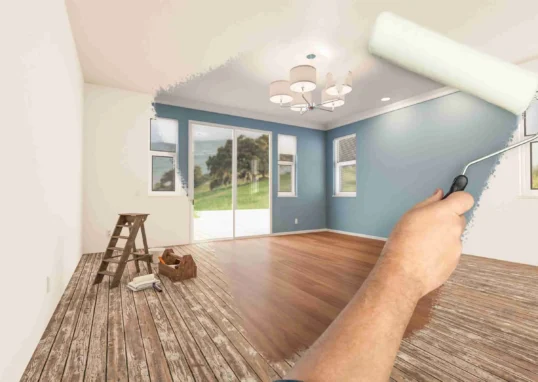
Transforming Home Interiors and Exteriors With Professional Painting
- 0
- 1,861 word
A well-painted home can create a noticeable difference in the way a property looks, feels, and functions. Paint is more than a...
Read out all
Movers and Packers in Bur Dubai: Effortless Relocation with E House Movers UAE
- 0
- 1,838 word
Bur Dubai is one of Dubai’s oldest and most characterful residential and commercial districts, a place where heritage buildings sit alongside modern...
Read out all
How to Prepare for a Long-Distance Move With Local Movers
- 0
- 1,006 word
A long-distance move takes more planning than a short local relocation. Even when you hire a company based in your area, the...
Read out all
When Water Strikes, Speed Saves Your Home
- 0
- 968 words
Water damage doesn’t wait for a convenient time. A burst pipe at midnight, a flooded basement after a storm, or a slow...
Read out all