
- 0
- 2,196 words
Water leaks are among the most common plumbing problems that can affect a property, and even a small leak should not be ignored. A dripping faucet, leaking pipe, damaged toilet, or hidden plumbing connection can waste water and gradually cause damage to surrounding materials. Some leaks are easy to identify because water is visible, while others remain hidden behind walls, beneath floors, or inside ceilings until noticeable damage develops. Understanding how leaks occur, how to recognize their warning signs, and how to respond appropriately can help property owners avoid unnecessary expenses. Prompt leak repair can protect plumbing systems, reduce water waste, and prevent minor problems from developing into major property damage.
Why Plumbing Leaks Happen
Plumbing systems contain many pipes, joints, valves, fixtures, and connections that are exposed to water pressure every day. Over time, these components can deteriorate because of age, corrosion, temperature changes, excessive pressure, poor installation, or physical damage. Even a small weakness in a pipe or connection can eventually develop into a steady leak. In some cases, the problem begins inside a concealed section of the plumbing system, making it difficult to identify without professional inspection. Understanding the potential causes of leaks can help property owners recognize unusual changes and seek assistance before the damage becomes more extensive.
Common Warning Signs of a Leak
Not every plumbing leak produces an obvious puddle of water. Some of the earliest signs include unexplained increases in water bills, damp areas, peeling paint, water stains, musty odors, warped flooring, or sounds of running water when fixtures are not being used. Mold or mildew appearing in unusual places may also indicate that moisture is entering an area where it should not be. A sudden decrease in water pressure can sometimes provide another clue, especially when it occurs alongside other symptoms. Paying attention to these signs can make it possible to arrange professional leak repair before hidden moisture causes extensive damage.
Dripping Faucets and Fixtures
A dripping faucet may appear to be a minor inconvenience, but constant dripping can waste a surprising amount of water over time. Worn washers, damaged cartridges, deteriorated seals, loose fittings, or mineral deposits can all contribute to a leaking fixture. The appropriate solution depends on the type of faucet and the condition of its internal components. Simply tightening a visible part may not always solve the problem if the internal mechanism is worn or damaged. Addressing a dripping faucet promptly can conserve water, protect surrounding cabinets and countertops, and prevent a small plumbing issue from becoming a recurring problem.
Leaking Toilets
Toilet leaks can be difficult to notice because much of the water movement occurs inside the fixture. A faulty flapper, worn seal, damaged fill valve, or loose connection may allow water to continue flowing even when the toilet has not been used. Homeowners may notice that the toilet periodically refills on its own or hear a faint running sound throughout the day. These symptoms can indicate that water is being wasted continuously. Professional inspection can identify the defective component and determine whether a simple adjustment or replacement is needed to restore proper operation.
Hidden Leaks Behind Walls
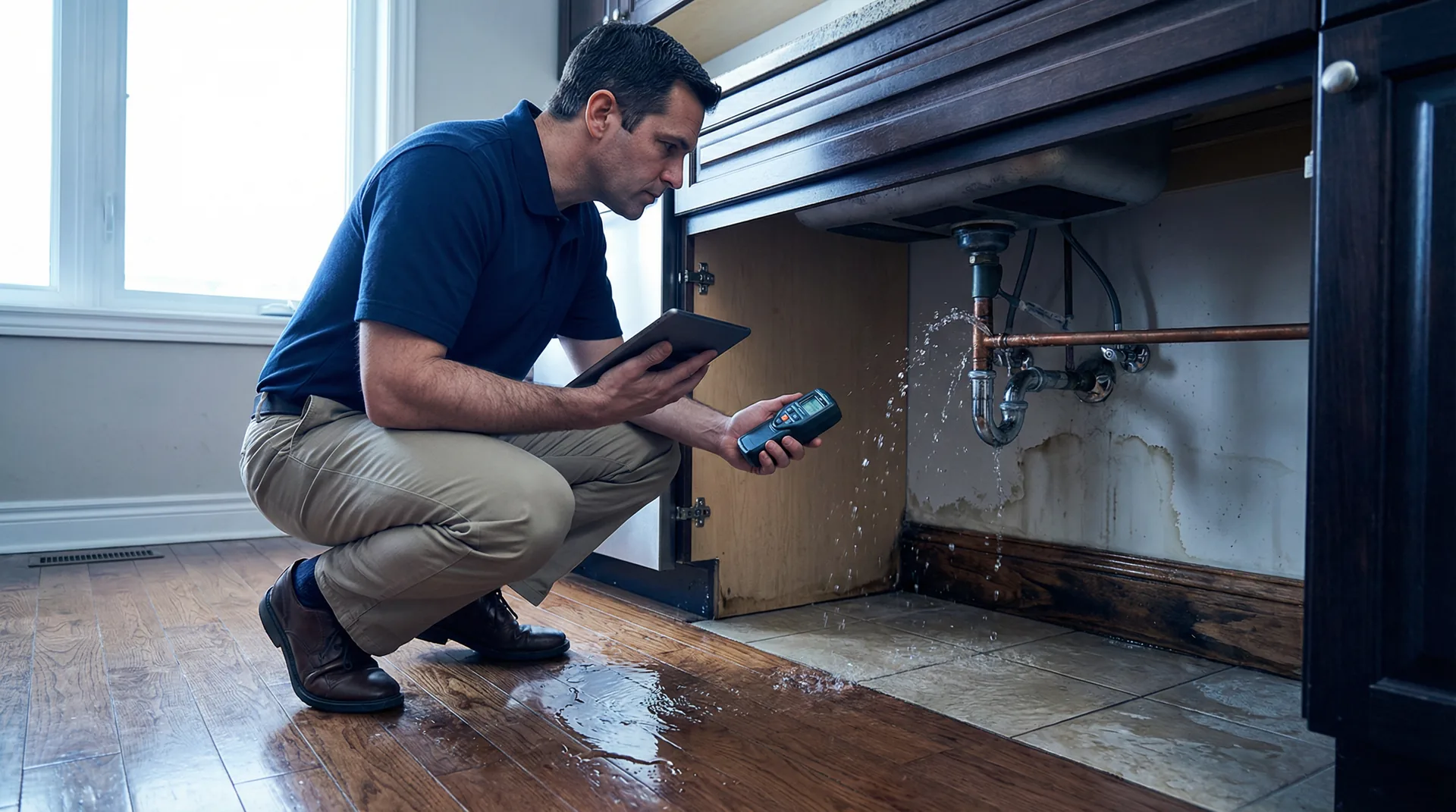
Leaks hidden behind walls can cause significant damage before they become visible. Water may travel along pipes, framing, insulation, or other building materials before appearing as a stain or damp patch. By the time bubbling paint, discoloration, or a musty smell becomes noticeable, surrounding materials may already have been exposed to moisture for an extended period. Hidden leaks can also create conditions that encourage mold and material deterioration. When signs of concealed moisture appear, professional diagnostic methods can help locate the source and minimize unnecessary damage during the repair process.
Ceiling Water Stains
A water stain on a ceiling is an important warning sign that should not be ignored. The visible stain may be located several feet away from the actual source because water can travel through structural materials before becoming visible. Plumbing fixtures or pipes located above the affected ceiling may be responsible, although other sources of water intrusion are also possible. Continuing to ignore a ceiling stain can allow moisture to spread and weaken surrounding materials. Professional investigation can determine where the water is coming from and whether the problem requires immediate leak repair.
Leaking Pipes
Pipes can develop leaks for many reasons, including corrosion, age, high water pressure, shifting connections, freezing conditions, or accidental damage. A small crack or weakened joint may initially release only a small amount of water, but pressure can cause the opening to become larger over time. Exposed pipes are generally easier to inspect, while pipes located behind walls or under floors can be considerably more difficult to access. Professional plumbers can evaluate the affected section and determine whether tightening a connection, replacing a fitting, or repairing part of the pipe is appropriate.
Water Heater Leaks
Water heaters contain multiple connections, valves, and components that can eventually develop leaks. Water around the base of the appliance may come from a fitting, drain valve, pressure relief valve, or damaged tank. If the tank itself has developed significant corrosion, a simple repair may not provide a lasting solution. Continued leakage can damage flooring and surrounding materials, especially when the issue remains unnoticed. A professional inspection can identify the source and determine whether the problem can be corrected through leak repair or whether the condition of the appliance indicates that replacement should be considered.
Slab and Underground Leaks
Some plumbing leaks occur beneath concrete slabs, floors, or underground areas, making them particularly challenging to identify. Possible signs include unexplained water usage, damp flooring, warm areas on floors, low water pressure, or sounds of water running when all fixtures are turned off. Because the affected pipes are hidden, finding the exact location may require specialized detection equipment. Ignoring these signs can allow water to remain beneath the property for an extended period, potentially affecting surrounding materials and soil. Professional detection can help locate the problem more accurately and reduce unnecessary disruption during repairs.
How Professional Leak Detection Works
Finding the source of a hidden leak requires more than simply looking for visible water. Water often follows paths through walls, floors, ceilings, and other structures before reaching the surface. Professional plumbers can use inspection techniques and specialized equipment to narrow down the location of concealed leaks. Accurate detection helps avoid unnecessary removal of walls or flooring and allows repairs to focus on the actual damaged section. Once the source is identified, the technician can assess its severity and determine the most suitable repair approach.
The Importance of Fast Action
A plumbing leak that appears small can become much more serious if it continues for days or weeks. Constant moisture can damage drywall, flooring, insulation, cabinetry, furniture, and structural materials. Larger leaks can release enough water to cause flooding and may require extensive cleanup and restoration. Acting quickly can reduce the amount of water lost and limit the area exposed to moisture. Prompt leak repair can therefore protect both the plumbing system and the property while reducing the possibility of more expensive secondary damage.
Choosing the Right Repair Method
The correct repair method depends on the location, size, cause, and severity of the leak. A loose connection may only require tightening or replacement of a fitting, while a damaged pipe section may need to be replaced. Older plumbing systems may require a broader inspection if corrosion or deterioration is present in multiple areas. Temporary fixes may reduce visible water for a short period but do not necessarily address the underlying problem. A qualified professional can evaluate the condition of the plumbing and recommend a durable solution based on the specific circumstances.
Why Water Pressure Matters
Water pressure plays an important role in the performance and longevity of a plumbing system. Excessive pressure can place additional stress on pipes, valves, fixtures, and connections, potentially increasing the likelihood of premature wear and leaks. If a property experiences repeated plumbing failures, checking water pressure may help identify a contributing factor. Maintaining appropriate pressure can reduce strain on the system and help protect vulnerable components. When pressure is part of the problem, correcting it alongside leak repair may help reduce the likelihood of similar issues occurring again.
Preventing Future Leaks
Although not every plumbing leak can be prevented, regular maintenance can reduce the risk of many common problems. Property owners should periodically inspect visible pipes, faucets, toilets, valves, and appliance connections for signs of corrosion, moisture, or deterioration. Monitoring water bills can also help identify unusual increases that may indicate hidden water loss. It is important to address dripping fixtures and small leaks rather than allowing them to continue indefinitely. Preventive maintenance combined with early professional attention can extend the life of plumbing components and reduce the likelihood of major failures.
Problems Caused by Neglected Leaks
A neglected plumbing leak can create much more than a higher water bill. Continued moisture may damage paint, drywall, flooring, insulation, cabinets, and wooden structural components. Persistent dampness can also contribute to unpleasant odors and create conditions that encourage mold growth. In severe cases, water can reach electrical equipment or other systems where moisture may create additional hazards. The longer a leak remains unresolved, the greater the potential for secondary damage. Addressing plumbing problems promptly is therefore an important part of protecting the overall condition and value of a property.
Why DIY Repairs Can Be Risky
Some minor plumbing tasks can be handled by homeowners with appropriate knowledge, but hidden or significant leaks can be much more complicated. Attempting to access pipes behind walls, under floors, or near electrical components without proper experience can create additional damage or safety concerns. Using excessive force on fittings or applying unsuitable sealing materials may also make the original problem worse. A professional can determine the cause of the leak and use the correct tools and materials for the job. For complex or recurring problems, professional leak repair is generally a more reliable approach than repeatedly attempting temporary fixes.
When a Leak Becomes an Emergency
Certain plumbing leaks require immediate attention because they can release large amounts of water or create safety concerns. Burst pipes, rapidly spreading ceiling leaks, major appliance leaks, and water escaping near electrical equipment should be treated seriously. If it is safe to do so, shutting off the appropriate water supply can help limit further damage while professional assistance is arranged. Electrical equipment exposed to standing water should not be touched because of the risk of electric shock. Quick action during a major leak can significantly reduce the amount of damage and make the eventual repair and cleanup process more manageable.
Maintaining Older Plumbing Systems
Older plumbing systems often require more careful monitoring because their pipes and connections may have experienced years of wear. Corrosion, mineral deposits, weakened joints, and outdated materials can increase the likelihood of leaks. If several leaks occur in different areas within a relatively short period, it may be useful to have the overall plumbing system inspected rather than simply repairing each individual problem. A professional assessment can reveal whether the system has isolated defects or broader deterioration. Understanding the condition of older plumbing allows property owners to make better decisions about maintenance, targeted repairs, and future upgrades.
Protecting Your Property From Water Damage
When a leak occurs, limiting the amount of water reaching surrounding materials should be a priority. If the water source can be safely controlled, shutting off the appropriate valve may help prevent continued water loss. Furniture, electronics, documents, and other valuable belongings should be moved away from affected areas when doing so is safe. Standing water should be treated carefully, particularly when it may have come from a contaminated source such as a drain or sewer connection. Once the plumbing problem is under control, affected areas may require additional inspection to determine whether moisture has entered walls, flooring, or structural materials.
Long-Term Plumbing Maintenance
A reliable plumbing system depends on consistent maintenance and attention to early warning signs. Homeowners should know where their main water shutoff is located and periodically inspect accessible plumbing components. Small changes in water pressure, water bills, drainage performance, or fixture behavior can provide useful clues about developing problems. Professional inspections may also be worthwhile for older systems or properties that have experienced repeated leaks. Keeping records of previous plumbing work can help technicians understand recurring issues and determine whether a broader solution is needed. A proactive approach can reduce unexpected failures and improve overall plumbing reliability.
Final Thoughts
Plumbing leaks can range from simple fixture problems to hidden pipe failures that cause extensive property damage over time. Recognizing warning signs such as dripping fixtures, unexplained water bills, damp walls, ceiling stains, musty odors, low water pressure, and visible moisture can help property owners respond before the situation becomes more serious. Professional diagnosis is particularly important when a leak is hidden or repeatedly returns after temporary repairs. Acting quickly can conserve water, protect building materials, and reduce the risk of expensive restoration work. With regular maintenance, responsible plumbing habits, professional inspections, and timely leak repair, property owners can maintain a safer, more efficient, and dependable plumbing system.
ALSO READ ON: Sosoactive: What It Is, How It Works, Features, Benefits & More
Author

Spero.outreach.team@gmail.com
Related Posts

Fix LiftMaster Garage Door Opener: Hidden Causes Behind the Problem
- 0
- 900 words
Key Takeaways Introduction You press the remote, the door twitches, and nothing happens. Most people blame the remote and buy a...
Read out all
Top States for Startups: Texas Business Climate Explained
- 0
- 1,296 word
When entrepreneurs compare states for a new business, they usually look beyond the cost of filing paperwork. They want to know whether...
Read out all
Company Registration in Singapore: A First-Year Administrative Checklist
- 0
- 489 words
The first year after incorporation is often demanding. Founders need to attract customers, refine operations, develop products or services, and potentially begin...
Read out all
Making the First Electric Dirt Bike Experience Safer and More Enjoyable for Teens
- 0
- 1,343 word
The first electric dirt bike can be an exciting purchase for a teenager. There is something appealing about getting outside, learning a...
Read out all
How an Ads Agency Can Drive Smarter Digital Marketing Results
- 0
- 1,516 word
Digital advertising gives businesses a powerful way to reach potential customers, but managing campaigns effectively can be challenging. An Ads agency helps...
Read out all
Glossywise Com: A Practical Guide to Understanding the Platform
- 0
- 1,553 word
In the constantly changing world of the internet, new websites appear every day, each offering something different to users. Some focus on...
Read out all