
- 0
- 1,095 word
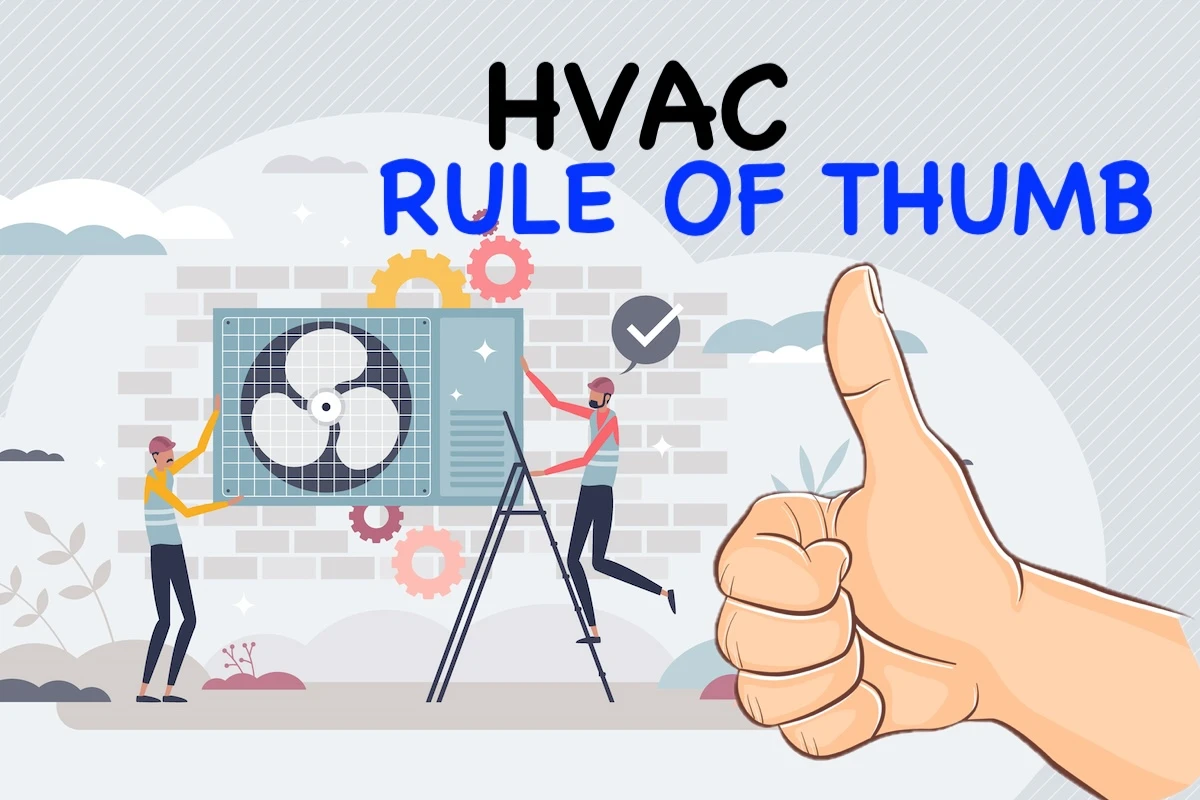
Heating and cooling systems do more than change the number on your thermostat. They also manage humidity, air distribution, and noise, all of which depend on whether the equipment is sized and installed correctly. Many homes end up with units chosen by square foot “rules,” which can lead to clammy air, short cycling, and higher utility bills. A proper Manual J load calculation, followed by duct design and equipment selection, avoids those issues by matching capacity to your home’s actual heat gain and loss. Here is what Manual J really measures, why oversizing backfires, how ducts affect real output, and which equipment choices work best in mixed climate homes.
- What a Manual J Actually Measures in Your House
Manual J is a room-by-room heat loss and heat gain calculation. It factors in insulation R values, window size and solar heat gain coefficient (SHGC), orientation, shading, infiltration rate, ceiling height, duct locations, and building materials. Using local design temperatures, it estimates your sensible and latent loads in BTU per hour. The result is not a guess based on square footage; it is a capacity target for both cooling (including moisture removal) and heating that reflects your specific home.
That load number is only as accurate as the inputs. Ask whether the calculation included window specs, measured duct leakage, and realistic infiltration instead of default values. Homeowners can also ask local providers, such as Absolute Services of Louisville, Kentucky, whether a room-by-room Manual J was performed and if a written report is available, because it is the foundation for every decision that follows.
- The Hidden Costs of Oversizing: Short Cycling and Humidity Control
When a system is oversized, it satisfies the thermostat quickly and shuts off. That rapid on-and-off pattern is called short cycling. Cooling systems remove moisture most effectively after the coil has been cold for several minutes; constant restarts limit dehumidification. The result is a cool but clammy home, where 72 degrees still feels sticky. Oversizing also increases wear on compressors and blowers, creates temperature swings, and can raise peak demand charges.
Undersizing has its own problems, especially during heat waves or cold snaps. The unit may run continuously and still fail to reach setpoint. However, a slightly longer runtime with correct sizing is usually beneficial in humid regions because it boosts moisture removal. The sweet spot is a system that can meet load at design temperatures and run long enough to lower indoor relative humidity without excessive cycling.
- Ducts and Static Pressure: Why Manual D Shapes Real Capacity
Even the best load calculation will disappoint if ducts choke airflow. Manual D translates the Manual J load into a duct layout that delivers the right cubic feet per minute (CFM) to each room at acceptable static pressure. High static pressure, often from undersized returns, tight radius elbows, or restrictive filters, starves the evaporator coil of airflow. That can reduce sensible capacity, lower the sensible heat ratio (SHR), and in severe cases cause coil icing.
Watch for bottlenecks like a single small return grille on a large floor, long runs of flex duct with kinks, or a new high MERV filter crammed into a shallow rack. A healthy total external static pressure is typically below the blower’s rated maximum (commonly around 0.5 inches of water column for many residential air handlers). If your system is loud at the grilles or some rooms never seem to get enough air, the issue may be duct design, not equipment size.
- Matching Equipment With Manual S: Staging and Efficiency Trade-Offs
After Manual J (load) and Manual D (ducts), Manual S guides equipment selection. The goal is to pick a unit whose net capacity at design conditions aligns with your calculated BTU/hr and latent load. Efficiency ratings like SEER2 and HSPF2 matter, but capacity tables at specific outdoor temperatures and airflow matter more for comfort. Two-stage and variable-speed systems can modulate output, running at lower capacity most of the time for better humidity control and quieter operation.
There are trade-offs. Variable-speed heat pumps or furnaces typically cost more upfront but deliver steadier temperatures and lower indoor humidity in summer. Single-stage systems cost less and can work well when ducts are right-sized and the load is modest, though they are more likely to short-cycle if oversized. In mixed climates, a heat pump with supplemental electric heat or a dual-fuel setup can cover winter loads efficiently while keeping summer moisture in check. The right match depends on your Manual J results, duct realities, and comfort priorities.
Two Realistic Scenarios and What Homeowners Can Do Next
Scenario 1: A shaded brick bungalow with upgraded attic insulation and low SHGC windows still has a 3.5-ton air conditioner from a previous owner. The current Manual J shows a 2.5-ton cooling load with a sizable latent component. Downsizing to a 2.5-ton two-stage unit, opening a blocked return, and replacing two crushed flex runs drops static pressure and lengthens runtimes. Result: less cycling, better dehumidification, and quieter airflow without changing the thermostat setting.
Scenario 2: A newer home added a sunroom with large west-facing glass. The contractor upsized the system to “be safe,” but the ducts were never reworked. Rooms near the air handler are noisy and cold, the sunroom stays warm in late afternoon, and utility bills spiked. A Manual J reveals the sunroom’s dominant load; Manual D calls for a dedicated supply and return, larger trunk transition, and a filter rack that fits a deep media filter to cut resistance. With airflow balanced, the originally specified two stage system meets both sensible and latent loads without brute force tonnage.
If you are planning a replacement or noticing comfort issues, ask for three specifics up front: a written Manual J with room by room loads, a Manual D summary showing target CFM and duct changes, and equipment selection data (Manual S) that lists capacities at your design conditions. During commissioning, request measured total external static pressure, verified airflow, supply and return temperatures, and a refrigerant charge check.
Good HVAC design is a chain: accurate load, right-sized ducts, matched equipment, and verified operation. Skipping any link introduces noise, uneven rooms, or humidity problems that thermostats cannot fix. Whether you are adding an EV charger and want to confirm panel capacity, finishing a basement that needs new returns, or replacing an aging furnace and air conditioner together, the same principle applies. Get the numbers first. With a proper Manual J, a duct plan that respects static pressure, and equipment selected for both sensible and latent loads, you can expect steadier comfort, manageable bills, and fewer surprises season after season.
Author

linguaezone.com@gmail.com
Related Posts

Why Chicago Businesses Are Pairing Mobile Apps With Generative AI
- 0
- 448 words
Chicago’s economy is one of the most diverse in the country, spanning finance, manufacturing, logistics, healthcare, and a growing startup scene. Across...
Read out all
How to Build a Mobile App: A Step-by-Step Guide for Beginners
- 0
- 1,700 word
You have an app idea. Maybe it solves a problem you face every day, or maybe you have spotted a gap in...
Read out all
How Compact Mechanical Systems Work In Automotive Accessories
- 0
- 739 words
Modern vehicles contain small assemblies that perform useful tasks within limited space. Hinges, brackets, and actuators help accessories move or stay aligned....
Read out all
Dulcoglide: Everything You Need to Know About Its Uses, Features, Benefits, and Safety
- 0
- 2,005 words
Healthcare products often have specific purposes that are not immediately obvious from their names or packaging. Dulcoglide is one such product that...
Read out all
Is Web Scraping Primary or Secondary Data? A Guide to Using Web Data in Market Research
- 0
- 1,628 word
Is web scraping primary or secondary data? In most market research it is secondary. Web scraping is a collection method, not a...
Read out all
Choosing Non Profit Software For Mission-Driven Teams
- 0
- 557 words
Nonprofit organizations often operate with limited budgets, small teams, and ambitious goals that demand careful coordination. From volunteer schedules to fundraising campaigns,...
Read out all