
- 0
- 2,299 words
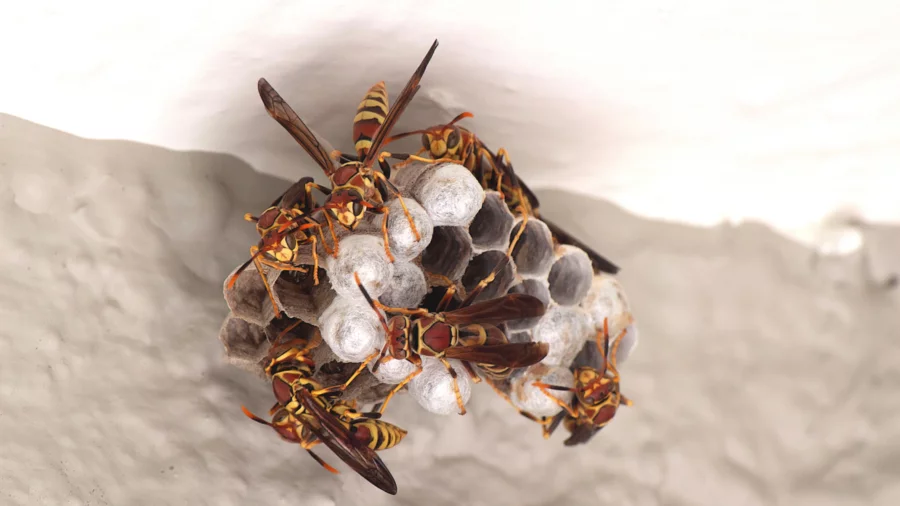
Wasps can become a persistent concern when they establish nests near buildings, outdoor living spaces, gardens, storage structures, or other frequently used areas. Although many wasp species play a useful role in controlling other insects, an active nest located close to people or pets can create an uncomfortable and potentially hazardous situation. Wasps may build nests under roof edges, inside wall cavities, beneath decks, in trees, around sheds, or in sheltered gaps where the colony can remain protected. Their activity can become more noticeable as the colony grows and workers search for food and water. Simply removing a visible nest may not always address the environmental conditions that encouraged the colony to establish in the first place. Effective wasp nest removal should therefore be combined with careful inspection, appropriate management, structural maintenance, sanitation, and ongoing prevention. A long-term strategy can help reduce the likelihood of recurring activity while keeping commonly used areas easier to monitor and maintain.
Understanding Wasp Nesting Behavior
Understanding how wasps select nesting locations can help property owners recognize potential problems before colonies become well established. Different species have different nesting habits, with some building exposed paper-like nests and others using cavities, soil, trees, or protected structural spaces. Wasps generally look for locations that provide shelter from weather, protection from disturbance, and convenient access to food and water. Roof overhangs, wall voids, sheds, decks, trees, fences, and other sheltered areas may provide suitable conditions. Increased insect activity around one particular opening can sometimes indicate that a nest is located nearby, even when the nest itself cannot be seen. Observing wasps from a safe distance can provide useful information without unnecessarily disturbing the colony. Understanding these behaviors makes wasp nest removal more deliberate because the nest location and surrounding environment can be considered before any management action is taken.
Recognizing an Active Nest
Repeated wasp activity around a particular location can be an important sign that a nest is nearby. Wasps may repeatedly enter and leave a small opening, gather around a visible nest, or follow consistent flight paths between a nesting area and food sources. Activity around rooflines, wall gaps, sheds, trees, fences, decks, or other structures should be observed carefully. A visible nest may not always be active, so the presence of regular insect movement can provide additional information. Property owners should avoid touching, shaking, blocking, or striking a suspicious nest because disturbance can cause defensive behavior. If insects are entering a concealed space, the location should not be sealed until the possibility of an active colony has been properly assessed. Careful identification of the problem supports safer wasp nest removal and helps prevent accidental encounters with a defensive colony.
Why Nest Location Matters
The location of a wasp nest can have a major influence on the level of concern and the appropriate management approach. A nest positioned near an entrance, walkway, patio, play area, or frequently used outdoor space may create more opportunities for accidental encounters. A nest hidden inside a wall, roof cavity, underground space, or other enclosed structure may be more difficult to inspect and manage. Disturbing a concealed nest can sometimes cause wasps to emerge through unexpected openings, creating additional risks. Even a small visible nest should not automatically be considered easy or safe to remove. The size, accessibility, species, activity level, and surrounding environment should all be considered. Proper assessment of these factors makes wasp nest removal more controlled and can help determine whether professional assistance is appropriate.
Avoid Unnecessary Disturbance
People should avoid disturbing an active wasp nest whenever possible. Hitting, shaking, spraying randomly, throwing objects, blocking entrances, or attempting to knock down a nest can provoke defensive behavior. Wasps may respond quickly when they perceive a threat to their colony, and several insects may become active simultaneously. Children and pets should be kept away from the area until the nest has been properly assessed and managed. Outdoor furniture, toys, gardening equipment, and other frequently used items should not be placed immediately beside an active nest. If the nest is located along an unavoidable route, alternative access should be used when possible. Reducing unnecessary contact with the colony lowers the chance of accidental disturbance and provides a safer environment while arrangements for wasp nest removal are being considered.
Consider Professional Assessment
Professional assessment can be especially useful when a nest is large, concealed, difficult to reach, or located near people and pets. Pest professionals can inspect the nesting area, identify the likely species, assess accessibility, and determine an appropriate management approach. They may also identify secondary nests or environmental conditions that could encourage wasps to return. Concealed nests inside walls, roofs, underground areas, or structural cavities can present additional challenges that make professional evaluation particularly valuable. Property owners should explain when the activity was first noticed and identify locations where wasps are frequently entering or leaving. This information can help guide the inspection and treatment process. Professional assistance can make wasp nest removal more systematic by addressing both the active colony and conditions that could contribute to future nesting.
Maintain Outdoor Areas
Regular outdoor maintenance can help reduce the number of potential nesting locations around a property. Overgrown vegetation, unused materials, piles of debris, damaged structures, and neglected storage areas can create sheltered spaces where wasps may establish colonies. Property owners should keep outdoor areas reasonably organized and remove unnecessary materials where possible. Trees and shrubs should be maintained so roof edges, walls, fences, and other structures remain visible for inspection. Sheds, decks, fences, garages, and other outdoor structures should be checked for cracks, gaps, damaged surfaces, and sheltered cavities. Maintenance does not guarantee that wasps will never build another nest, but it can make potential nesting areas easier to identify. Good property upkeep complements wasp nest removal by reducing hidden spaces and improving the ability to detect new activity at an early stage.
Seal Structural Openings Carefully
Gaps around roofs, walls, windows, vents, utility openings, and other structural features can provide access to protected nesting spaces. Sealing suitable openings can reduce opportunities for wasps to enter buildings, but active nests should always be considered before blocking an opening. If a colony is already inside a wall or roof cavity, sealing the entrance without managing the colony may force insects to search for another route into the building. Structural repairs should therefore be planned carefully after active pest activity has been assessed. Damaged screens, deteriorated seals, and unnecessary openings can be repaired when appropriate. Exclusion measures work best when they are part of a broader prevention strategy. Properly maintained structures can strengthen wasp nest removal efforts by reducing opportunities for wasps to establish concealed colonies in the future.
Manage Food and Waste Sources
Food and waste can attract wasps to areas where people spend time, particularly when sugary drinks, exposed food, fallen fruit, or open rubbish are available. Outdoor eating areas should be cleaned after use, and food should be covered when practical. Spilled beverages and food residue should be removed promptly because even small amounts can attract foraging insects. Waste containers should remain closed when possible, while food-related rubbish should be removed regularly. Fallen fruit should also be collected where appropriate to reduce available food sources. These practices will not necessarily eliminate an established colony, but they can reduce the amount of activity around frequently used spaces. Managing food and waste supports wasp nest removal by addressing environmental factors that may encourage continued wasp activity after a nest has been treated or removed.
Protect High-Traffic Areas
Areas where people frequently walk, work, eat, relax, or play deserve particular attention when wasp activity is present. Entrances, patios, decks, gardens, outdoor seating areas, garages, and pathways can become problematic when a nest is established nearby. People should avoid repeatedly passing close to an active nest and should redirect children and pets away from the area. Outdoor equipment should also be positioned away from known nesting sites. If a nest is close to an unavoidable entrance or walkway, professional assistance should be considered rather than attempting an improvised solution. Reducing exposure can help prevent accidental contact while the situation is being assessed. Protecting high-traffic areas is an important part of wasp nest removal because the objective should be to reduce both the active pest problem and the likelihood of people encountering defensive insects.
Choose Management Methods Carefully
The appropriate approach to managing a wasp nest depends on several factors, including species, nest location, size, accessibility, and activity level. A technique suitable for an exposed nest may not be appropriate for a colony inside a wall, roof, tree cavity, or underground space. Pest-control products should always be used according to their labels and safety instructions, and unnecessary application should be avoided. Improper use can expose people, pets, plants, and other organisms to avoidable risks. Professional pest specialists can assess the specific circumstances and determine a suitable management method. The objective should be to manage the colony safely and effectively rather than simply removing the visible nest structure. Careful selection of management methods can make wasp nest removal more reliable and reduce the possibility of leaving active insects behind.
Inspect the Area After Removal
Once a nest has been safely managed, the surrounding area should be inspected for conditions that could support future nesting. Structural gaps, sheltered cavities, damaged surfaces, vegetation, and accumulated materials may provide opportunities for another colony to establish itself. The area should be checked periodically after treatment rather than being ignored once the visible nest is gone. If wasps continue to visit the location, further assessment may be necessary to determine whether another nest is nearby. Property owners should observe activity from a safe distance and avoid disturbing suspicious areas. Continued inspection helps identify recurring problems early and provides an opportunity to correct environmental conditions. Post-treatment inspection is an important part of wasp nest removal because long-term success depends on more than eliminating the original visible nest.
Repair Vulnerable Structures
Damaged structures can provide convenient nesting opportunities for wasps, especially when cracks, cavities, gaps, or sheltered spaces remain accessible. Roof edges, sheds, fences, decks, wall surfaces, vents, and other outdoor structures should be checked for deterioration. Appropriate repairs can reduce the number of protected spaces available to insects and make future inspections easier. Vegetation should also be maintained so that structural surfaces remain visible. Repairs should be completed only after confirming that active pest activity has been appropriately addressed. Covering an active nest or blocking an active entrance without proper assessment can create additional problems. Combining structural maintenance with wasp nest removal helps address the conditions that may have contributed to the original nesting activity and can reduce opportunities for another colony to establish itself.
Monitor for Recurring Activity
Monitoring should continue after a nest has been removed because wasps may investigate previous nesting areas or establish new colonies nearby. Property owners should pay attention to repeated flight activity, insects entering structural openings, or wasps repeatedly gathering around a particular location. Monitoring is most useful when performed from a safe distance without disturbing the insects. Previous nesting areas should receive additional attention during routine property inspections, particularly if they contain sheltered spaces or structural vulnerabilities. Changes in landscaping, construction, moisture, or food availability can also influence where wasps choose to establish nests. Continued observation can help identify a developing problem before it becomes extensive. Monitoring therefore extends wasp nest removal beyond the initial response and supports a broader approach to long-term pest prevention.
Understand Seasonal Changes
Wasp activity can change throughout the year as colonies develop and environmental conditions shift. In some situations, activity may become more noticeable as colonies grow and workers spend more time searching for food. Seasonal changes can also affect where wasps look for shelter, water, and nesting locations. Property owners may therefore notice increased insect activity during particular periods even when a nest is not immediately visible. Regular inspection of sheltered structures can help identify potential problems early. Seasonal patterns vary between wasp species, so observations should not be used as a substitute for proper identification. Understanding changes in activity can help property owners remain alert and plan preventive maintenance appropriately. Seasonal awareness complements wasp nest removal by helping identify periods when monitoring may be especially useful.
Prevent Future Nesting
Long-term prevention requires regular attention to the property after the original nest has been addressed. Potential nesting areas should be inspected periodically, particularly around roof edges, sheds, decks, fences, trees, wall openings, and storage structures. Outdoor food should be covered when practical, spills should be cleaned promptly, and waste containers should be maintained properly. Unnecessary clutter should be removed from outdoor areas, while damaged structural components should be repaired when appropriate. Vegetation should be maintained so potential nesting locations remain visible and accessible for inspection. These measures cannot guarantee that wasps will never return, but they can reduce opportunities for nesting and improve early detection. A prevention-focused strategy makes wasp nest removal part of ongoing property maintenance rather than treating each nest as an isolated problem.
Final Thoughts
Long-term wasp management requires more than removing a visible nest because environmental conditions can continue to attract wasps or provide opportunities for new colonies to develop. Understanding nesting behavior, identifying active areas, avoiding unnecessary disturbance, maintaining outdoor spaces, managing food and waste, repairing structural gaps, and monitoring previously affected locations can all contribute to better prevention. Professional assessment can be particularly valuable when nests are concealed, difficult to reach, large, or located close to frequently used areas. After the active colony has been addressed, property owners should continue inspecting the surrounding environment and correcting conditions that may support future nesting. A comprehensive wasp nest removal strategy combines immediate pest management with structural maintenance and long-term monitoring. By maintaining suitable preventive practices, property owners can reduce recurring activity and create safer, more manageable outdoor and indoor spaces.
Author

Spero.outreach.team@gmail.com
Related Posts

Where to Buy Lab-Grown Diamond Engagement Rings: Why La Joya Jewelry Stands Out
- 0
- 1,073 word
The best place to buy lab-grown diamond engagement rings is a jeweler that offers independently certified diamonds, clear pricing, and real protection...
Read out all
American Bulldog Puppy Buying Guide
- 0
- 872 words
The American bulldog is a confident dog with an imposing appearance. However, beneath that is a heart that’s filled with affection and...
Read out all
Essential Strategies for Improving Indoor Air Quality, Comfort, and Everyday Living
- 0
- 2,207 words
The quality of the air inside a building can have a major influence on comfort, productivity, and the overall indoor environment. People...
Read out all
How Cloud-Based Courier Management Software Helps Businesses Improve Flexibility and Delivery Performance
- 0
- 540 words
Courier companies need technology that can adapt to changing delivery demands, expanding service areas, and evolving customer expectations. As businesses manage larger...
Read out all
Making AI-Generated Video Feel More Natural Through Movement and Pacing
- 0
- 1,263 word
A still image can look convincing in an instant. A moving image has a much harder job. Once a subject begins walking,...
Read out all
FYP Full Form in Chat and What It Means on TikTok
- 0
- 1,245 word
FYP usually stands for For You Page in social media chats. It refers to a personalized feed of recommended content, particularly when...
Read out all