
- 0
- 931 words
Restoring a vintage home is a deeply rewarding endeavor that combines historic preservation, creative craftsmanship, and long-term financial investment. Older properties boast architectural character, custom millwork, and structural materials that are difficult to replicate in modern construction. However, beneath ornate moldings and historic charm often lie hidden structural vulnerabilities, outdated mechanical systems, and unbudgeted repair costs.
Successfully navigating a historic restoration requires financial discipline, precise planning, and an adaptable budget. Establishing a structured contingency strategy ensures that unexpected physical discoveries do not stall your project or compromise your financial stability.
Understanding the Hidden Financial Risks of Historic Properties
Unlike modern build projects where material costs and structural conditions are predictable, vintage restorations carry inherent financial uncertainty. Aging materials degrade unevenly, and historic construction standards differ significantly from current municipal building codes.
Uncovering Deferred Maintenance and Past Modifications
Decades of ownership often leave behind layers of hasty cosmetic repairs and improper structural modifications. Previous owners may have cut through support joists to install plumbing lines or layered new flooring over rotted subfloors without addressing underlying moisture leaks.
Removing plaster walls, floorboards, or dropped ceilings frequently reveals structural surprises. Budgeting for a restoration must account not only for planned cosmetic updates, but also for correcting decades of improper building alterations.
Navigating Code Compliance and Safety Standards
Bringing a vintage home up to modern habitability standards involves compliance with strict health and building codes. Outdated electrical panels, ungrounded wiring, lead paint, asbestos insulation, and corroded galvanized pipes are common discoveries in older properties.
When major structural or mechanical work is initiated, local building authorities often require bringing entire surrounding systems up to code. These mandatory upgrades can quickly escalate a simple restoration task into a comprehensive system overhaul.
Building a Realistic Contingency Budget
A standard construction budget allocates roughly ten percent of total project costs toward contingencies. For a historic or vintage home restoration, this standard cushion is insufficient.
Setting the Right Reserve Percentage
Financial experts and experienced restoration professionals recommend establishing a contingency reserve between twenty and thirty-five percent of the total estimated project cost. If an initial contractor estimate totals one hundred thousand dollars, your true project budget should range between one hundred twenty thousand and one hundred thirty-five thousand dollars.
If your property is more than a century old or has suffered from prolonged vacancies, leaning toward the thirty-five percent threshold protects your cash flow from unexpected structural failures or foundation settling.
Categorizing Risk Allocation Within Your Budget
Dividing your contingency fund into designated risk tiers helps prevent premature depletion of cash reserves. Rather than treating your reserve fund as a single pool of money, allocate specific amounts toward distinct operational categories:
- Structural Integrity Tier: Reserves designated for foundation stabilization, sill plate replacement, load-bearing timber repairs, and roof framing fixes.
- Mechanical and Utility Tier: Funds set aside for complete electrical rewiring, main sewer line replacements, HVAC retrofitting, and fresh water line installations.
- Environmental and Biological Tier: Resources reserved for professional hazardous material abatement and arranging specialized pest management, such as securing rodent control in Wheat Ridge to address hidden nesting damage inside historic wall cavities.
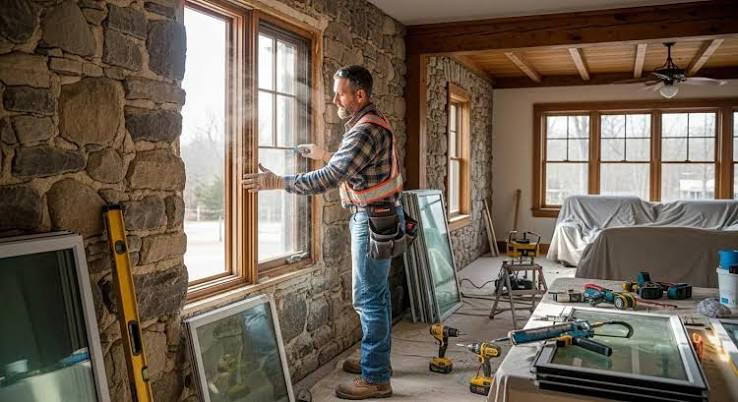
- Finishing and Aesthetic Restoration Tier: Contingency funds dedicated to replacing custom trim profiles, restoring original window sashes, or sourcing period-accurate hardware.
Strategic Financial Planning and Cost Control Measures
Managing a vintage home restoration budget effectively requires balancing strict expense tracking with strategic flexibility during execution.
Phased Restoration Execution
Attempting to restore an entire historic residence simultaneously increases financial exposure and labor management complexity. Dividing your project into distinct operational phases allows you to test your budget assumptions against actual costs.
Begin with critical envelope repairs, such as roof restoration, foundation waterproofing, and structural stabilization. Once the building envelope is secure and dry, move to mechanical, electrical, and plumbing infrastructure. Save interior finishing, cosmetic painting, and landscape design for final phases. Phasing work allows you to adjust scope on future phases if early structural tasks exhaust a portion of your contingency reserve.
Conducting Thorough Pre-Purchase Inspections
Detailed pre-purchase evaluations lower financial surprises during active construction. Engaging specialized inspectors who understand historic construction methods provides a clearer picture of underlying property conditions.
Consider investing in specialized inspection reports, including sewer scope video inspections, thermal imaging scans for insulation gaps, structural engineering assessments, and deep pest evaluations. The initial investment in comprehensive pre-acquisition testing pays dividends by allowing you to build known repair needs directly into your initial purchase negotiations rather than draining your post-closing contingency fund.
Maintaining Cash Flow and Financial Flexibility
Financial momentum is critical when restoring an older property. Construction delays due to cash flow gaps increase holding costs, such as property taxes, builder insurance premiums, and temporary housing expenses.
Securing Adaptable Financing Options
Standard mortgage products may not cover the flexible funding required for a complex historic restoration. Specialized renovation loans, such as home style renovation mortgages or historic rehabilitation loans, roll acquisition and construction costs into a single long-term package.
Establishing a revolving home equity line of credit or maintaining liquid cash reserves provides immediate financial access when unexpected repairs require immediate attention. Having flexible funding prevents work stoppages when contractors discover emergency structural repairs.
Balancing Preservation with Modern Efficiency
While preserving historical integrity adds long-term architectural value, selecting modern, cost-effective equivalents for non-visible elements preserves budget capital. Focus historic restoration dollars on prominent features like front entryways, primary living spaces, and original hardwood flooring.
For hidden structural elements, subflooring, insulation, and inner wall mechanics, utilize durable modern materials that meet current efficiency standards. Balancing historical preservation with practical material selection keeps costs manageable while maintaining the character and warmth of your vintage home.
Author

khizarnisar367@gmail.com
Related Posts

Layered Lighting Ideas for Homes That Mix Classic and Modern Furnishings
- 0
- 821 words
In many homes, a carved wooden sideboard will stand next to a sleek glass coffee table in the same room. The combination...
Read out all
Why Clean Air Starts With Clean Ducts
- 0
- 943 words
Most homeowners never think about what’s inside their air ducts until something goes wrong. A musty smell creeps into the living room,...
Read out all
Beat the Heat: What to Expect From Professional AC Installation
- 0
- 1,050 word
Summer doesn’t wait for a convenient time to crank up the thermostat, and neither should you when it comes to keeping your...
Read out all
Planning Home Renovations for a More Beautiful Living Space
- 0
- 916 words
Finding the right property to call home in a picturesque coastal suburb like Sans Souci is a rewarding journey, but as lifestyle...
Read out all
Professional Commercial Cleaning Services for Modern Business Facilities
- 0
- 937 words
Running a business in Fort Worth comes with plenty of responsibilities, and keeping your workspace clean should not be one of your...
Read out all
Reliable Home Inspector for Detailed Home Inspections
- 0
- 1,001 word
When you are buying a home with an FHA loan, there is a specific step in the process that cannot be skipped....
Read out all