
- 0
- 2,236 words
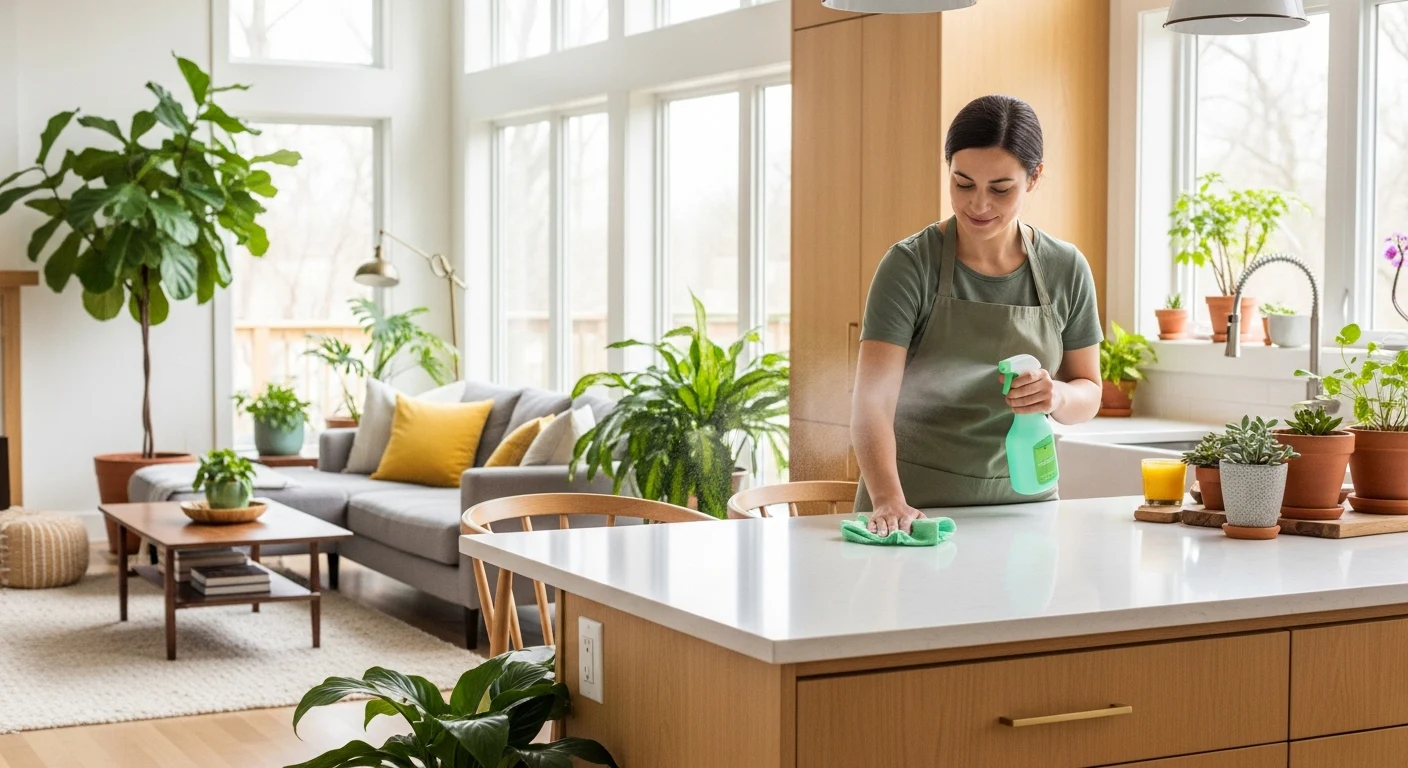
Keeping a home clean and organized requires regular attention, especially when everyday activities create dust, stains, clutter, and germs on frequently used surfaces. Busy schedules, work commitments, family responsibilities, and other daily tasks can make it difficult to maintain every room properly. Without a consistent plan, small cleaning tasks can gradually become larger problems that require additional time and effort to resolve. Establishing a reliable cleaning routine helps homeowners maintain a pleasant atmosphere, protect household surfaces, and enjoy a more comfortable living environment throughout the year.
Understanding the Importance of a Consistent Cleaning Routine
A clean home contributes to comfort, organization, and everyday well-being. Kitchen counters, bathroom fixtures, floors, furniture, and frequently touched surfaces collect dirt as people move through their daily routines. Regular attention prevents these areas from becoming excessively dirty and makes household maintenance more manageable. Instead of waiting until the entire property needs extensive attention, homeowners can divide cleaning responsibilities into smaller tasks that fit naturally into their schedules. Professional recurring cleaning services provide a practical option for households that want to maintain consistent standards without managing every task independently. A planned schedule allows cleaners to revisit important areas at agreed intervals, helping prevent the gradual buildup of dust and everyday residue. The frequency can be adjusted according to household size, occupancy, pets, and personal preferences. By choosing a suitable routine, residents can maintain a cleaner environment while reducing the pressure associated with occasional, time-consuming cleaning sessions.
Creating a Practical Cleaning Schedule
A successful cleaning schedule begins with understanding how each room is used and which areas require the most attention. Kitchens and bathrooms may need more frequent maintenance because they are exposed to food residue, moisture, grease, and regular handling. Living rooms, bedrooms, hallways, and home offices also benefit from consistent care, although the specific tasks may differ according to their use. Preparing a written schedule helps ensure that important responsibilities are completed without overlooking less frequently used spaces. A well-planned recurring cleaning routine should include tasks such as dusting surfaces, vacuuming carpets, mopping suitable floors, wiping countertops, and sanitizing frequently touched areas when appropriate. Additional tasks can be assigned to particular visits so that cupboards, baseboards, window ledges, and other overlooked spaces receive attention over time. This flexible approach makes it easier to maintain a comfortable home without attempting every possible cleaning task during a single session. Reviewing the schedule periodically also allows homeowners to adjust the workload as their household needs change.
Maintaining a Hygienic Kitchen Environment
The kitchen is one of the busiest areas in a home because it is used for food preparation, cooking, dining, and storage. Grease, crumbs, spills, and food particles can accumulate on countertops, stovetops, cabinet handles, and floors throughout the day. Regularly cleaning these surfaces helps prevent stubborn residue from developing and supports better kitchen hygiene. Particular attention should be given to areas around sinks, food preparation spaces, appliance handles, and rubbish containers because these locations often require frequent maintenance. A recurring cleaning plan can help keep kitchen responsibilities organized by establishing which tasks should be completed during each visit. Countertops can be wiped using products suitable for their materials, while sinks and taps should be cleaned to remove residue and watermarks. Appliance exteriors, cabinet fronts, and accessible surfaces should also receive attention, with deeper tasks scheduled when necessary. Cleaning products must always be used according to their labels, and surfaces that come into contact with food should be treated appropriately to avoid unwanted chemical residue.
Keeping Bathrooms Fresh and Comfortable
Bathrooms require consistent attention because moisture, soap residue, toothpaste, and everyday personal care products can accumulate on multiple surfaces. Toilets, sinks, taps, mirrors, showers, bathtubs, and surrounding tiles should be cleaned using suitable products and tools. Regular maintenance makes it easier to remove ordinary buildup before it becomes difficult to manage. Good ventilation and prompt attention to excess moisture are also important because persistent dampness can contribute to unpleasant odors and encourage mold growth. With recurring cleaning, bathroom tasks can be completed according to a predictable schedule rather than being postponed until the space requires extensive work. Frequently touched surfaces, including door handles and faucet controls, can receive appropriate attention, while floors and accessible storage areas should be checked for dust and residue. More detailed tasks, such as cleaning grout lines and organizing bathroom cabinets, can be included periodically. Cleaning chemicals should never be mixed indiscriminately, and anyone handling them should follow product instructions and maintain suitable ventilation.
Improving Indoor Air Quality Through Regular Dust Removal
Dust can accumulate on shelves, furniture, ceiling fans, window ledges, decorative objects, and electronic equipment. When these surfaces are disturbed, particles may become airborne and settle elsewhere in the home. Regular dust removal helps reduce visible buildup and contributes to a more comfortable indoor environment. Using microfiber cloths and suitable vacuum attachments can make this work more efficient while limiting the amount of dust redistributed during cleaning. A structured recurring cleaning schedule also makes it easier to identify areas that need additional attention, such as spaces beneath furniture or corners behind doors. Upholstered furniture and carpets may require regular vacuuming because they can trap dust, hair, and other particles. Homes with pets or residents who are sensitive to airborne particles may benefit from more frequent attention to these areas. Although cleaning can reduce household dust, ventilation, appropriate filtration, and addressing the source of pollutants are also important parts of maintaining indoor air quality.
Protecting Floors, Furniture, and Household Fixtures
Floors and furniture experience continuous use, which means dirt and debris can gradually affect their appearance. Small particles may scratch certain surfaces when dragged across them, while spills can leave stains if they are not addressed promptly. Using suitable cleaning tools and materials helps preserve the condition of flooring, upholstery, countertops, and other household fixtures. Different materials require different approaches, so homeowners should follow manufacturer recommendations instead of assuming that one cleaning product is suitable for every surface. A recurring cleaning plan helps prevent everyday dirt from accumulating on surfaces that require consistent care. Vacuuming, sweeping, mopping, and wiping furniture should be scheduled according to the material and the amount of use each area receives. Wood, natural stone, laminate, glass, and metal finishes may respond differently to moisture and cleaning chemicals. Testing unfamiliar products in a small, inconspicuous area and avoiding abrasive tools can reduce the risk of accidental damage. Consistent maintenance supports a neat appearance and may help extend the useful life of household furnishings.
Making Cleaning More Manageable for Busy Families
Families often balance work, school, childcare, appointments, and social commitments, leaving limited time for household responsibilities. When cleaning is postponed repeatedly, ordinary tasks can accumulate and create unnecessary pressure during already busy periods. Dividing responsibilities into smaller activities helps make household maintenance more realistic. Family members can contribute according to their abilities, while a written checklist makes expectations clearer and reduces the likelihood of important tasks being forgotten. Professional recurring cleaning can be especially useful for households that struggle to find enough time for routine maintenance. Depending on the selected service, cleaners may handle agreed tasks such as dusting, vacuuming, bathroom maintenance, and kitchen surface cleaning. This support allows residents to focus on other responsibilities while maintaining a more predictable standard of cleanliness. Before arranging a service, families should identify their priorities, preferred schedule, and any special instructions about pets, delicate belongings, or restricted areas.
Choosing the Right Cleaning Frequency
The ideal cleaning frequency depends on how many people live in the home, how frequently rooms are used, and how quickly dirt accumulates. A household with children, pets, or frequent visitors may need more regular attention than a property occupied by one person who spends much of the day elsewhere. Kitchens, bathrooms, and entryways often require frequent maintenance, while guest rooms and storage areas may need less attention. Understanding these differences helps homeowners create a schedule that is practical rather than unnecessarily demanding. Some households prefer weekly visits, while others find that cleaning every two weeks or following a customized schedule works better. The most suitable recurring cleaning arrangement should reflect the property’s actual needs, available budget, and desired level of maintenance. It is helpful to review the schedule after the first few visits to determine whether certain rooms need additional attention or whether some tasks can be completed less frequently. A flexible arrangement makes it easier to maintain consistent results without paying for unnecessary services.
Selecting a Reliable Cleaning Service
Choosing a cleaning provider involves more than comparing prices because service quality, communication, reliability, and the agreed scope of work are equally important. Homeowners should ask which tasks are included, whether supplies and equipment are provided, and how the company handles scheduling changes. It is also useful to clarify how cleaners should treat delicate surfaces, valuable belongings, pets, and areas that require special care. Written service details can help prevent misunderstandings and establish clear expectations before work begins. A dependable recurring cleaning provider should explain its procedures, communicate any limitations, and offer a practical way to report concerns. Customers may wish to ask about staff training, insurance arrangements, background-check policies where applicable, and procedures for handling keys or access instructions. Before the first appointment, prepare a list of priorities and identify any surfaces that should not be treated with particular products. Clear communication helps the cleaning team work more efficiently and makes it easier to maintain a consistent standard over time.
Managing Cleaning Costs Without Compromising Quality
Household maintenance expenses can vary according to property size, cleaning frequency, the number of rooms, and the amount of work required. Additional factors may include pets, heavy use of particular spaces, specialized surface care, and whether the customer supplies cleaning products. Comparing service estimates can help homeowners understand which arrangement offers the best value for their needs. However, the lowest price does not always provide the most suitable service if important tasks are excluded or appointment times are unreliable. A planned recurring cleaning arrangement may help households manage expenses because the scope of routine work can be established in advance. Customers should confirm whether the quoted price includes all agreed rooms, supplies, equipment, and any requested additional tasks. Deep cleaning, interior appliance cleaning, and other specialized services may cost extra, so these details should be discussed before booking. Setting a realistic budget and prioritizing the most frequently used areas allows homeowners to maintain a clean environment without committing to services that do not match their circumstances.
Reducing Clutter and Supporting Better Organization
Cleaning becomes easier when household belongings have designated places and unnecessary clutter is kept under control. Shoes, bags, paperwork, toys, and miscellaneous objects can quickly occupy counters, tables, and floors, making ordinary cleaning tasks more difficult. Simple organizational habits help keep frequently used areas accessible and reduce the time required to prepare rooms for cleaning. Storage baskets, drawer organizers, shelves, and labeled containers can provide practical solutions for belongings that otherwise tend to accumulate. Regular maintenance works best when cleaning and organization support each other. Before a scheduled visit, residents can put away personal items, clear kitchen counters, and move small objects from floors where practical. This allows cleaners to focus on the agreed tasks instead of spending unnecessary time sorting belongings. Homeowners should also discuss expectations clearly if organizing personal items is not part of the cleaning service. Maintaining basic organization between visits helps preserve the results and makes the home feel more comfortable throughout the week.
Preparing for Each Cleaning Appointment
A little preparation before a scheduled appointment can improve efficiency and help ensure that important tasks receive adequate attention. Residents can identify priority rooms, put away fragile objects, secure pets when necessary, and communicate any recent spills or areas requiring special care. If certain products should not be used on particular surfaces, these instructions should be provided in advance. Clear preparation helps the cleaning team understand the household’s expectations and reduces the chance of accidental damage or missed tasks. Before a recurring cleaning visit, it is useful to make sure that accessible surfaces are reasonably clear and that personal belongings are stored safely. This does not mean the home must be cleaned before cleaners arrive; rather, basic organization allows them to concentrate on the agreed responsibilities. After the appointment, homeowners can review the completed work and communicate any concerns respectfully. Constructive feedback helps establish a productive working relationship and allows future visits to be adjusted to better suit the property’s needs.
Conclusion
Maintaining a clean home becomes much easier when household tasks are organized into a consistent and realistic routine. Regular attention to kitchens, bathrooms, floors, furniture, and frequently touched surfaces helps prevent everyday dirt from accumulating and supports a more comfortable living environment. A suitable schedule also makes it easier to balance cleaning with work, family responsibilities, and personal commitments. By choosing appropriate products, protecting delicate materials, and keeping clutter under control, homeowners can make household maintenance more efficient and manageable. Recurring cleaning offers a practical way to maintain these standards through planned visits and clearly defined responsibilities. Whether residents handle the work themselves or arrange professional assistance, the most effective approach is one that reflects the household’s actual needs and remains flexible as circumstances change. Consistent communication, realistic expectations, and attention to frequently used spaces can help preserve a pleasant environment over time. With a well-organized plan, homeowners can spend less time worrying about accumulated chores and more time enjoying a clean, welcoming, and comfortable home.
Author

thedailygurdian@gmail.com
Related Posts

Commercial Roof Replacement: A Protecting Your Property and Improving Building Performance
- 0
- 3,701 words
Introduction Maintaining a commercial property requires regular attention to structural conditions, building materials, and essential maintenance systems. Among these responsibilities, the roof...
Read out all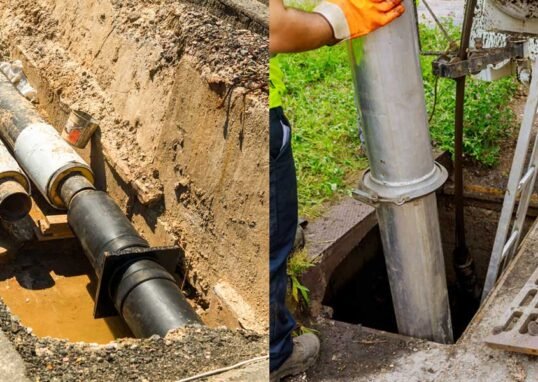
Trenchless Sewer Line Repair: A Modern Solution for Efficient and Long-Lasting Pipe Restoration
- 0
- 3,280 words
Maintaining a properly functioning sewer system is essential for residential, commercial, and industrial properties. Sewer lines transport wastewater away from buildings and...
Read out all
Franchise Resale: A Complete Guide to Buying, Selling, and Maximizing the Value of an Established Franchise Business
- 0
- 3,381 words
Introduction Starting a business from the ground up can be an exciting opportunity, but it also involves considerable planning, financial investment, uncertainty,...
Read out all
Stone Veneer: Enhance Your Property with Elegant, Durable, and Versatile Wall Finishes
- 0
- 3,540 words
Introduction Creating an attractive and welcoming property involves choosing materials that combine visual appeal, durability, and long-term functionality. Exterior and interior walls...
Read out all
Driveway Gate Installation: Enhancing Property Security, Privacy, and Curb Appeal
- 0
- 2,934 words
A driveway gate is an important addition to any residential or commercial property because it provides controlled access, improves security, and creates...
Read out all
Drain Cleaning: Essential Solutions for Maintaining a Clean and Efficient Plumbing System
- 0
- 3,313 words
Introduction A properly functioning drainage system is essential for maintaining a clean, comfortable, and hygienic property. Whether in a residential home, commercial...
Read out all