
- 0
- 2,386 words
Introduction to Modern Surface Cleaning Techniques
Surface cleaning is an important part of maintaining, restoring, and protecting materials used in residential, commercial, and industrial environments. Metal structures, machinery, vehicles, concrete floors, and various equipment can accumulate rust, old paint, grease, dirt, and other contaminants that affect their appearance and performance. Removing these unwanted materials helps prepare surfaces for new coatings, improves the quality of restoration work, and supports long-term protection. Modern cleaning methods offer different levels of effectiveness depending on the material, the type of contamination, and the desired finish. Sand blasting is one of the widely recognized approaches for removing stubborn coatings and preparing suitable surfaces for painting or protective treatments. When the process is performed with appropriate equipment, abrasive materials, and safety precautions, it can help create a cleaner and more consistent surface. Understanding the available techniques allows property owners and businesses to choose an effective solution for their specific requirements.
Understanding Abrasive Surface Cleaning
Abrasive surface cleaning involves directing particles against a material to remove unwanted substances through controlled impact. The process can eliminate rust, old coatings, scale, and other deposits that may be difficult to remove with ordinary cleaning methods. Different abrasive materials provide different cleaning characteristics, allowing operators to adjust the treatment according to the substrate and the required surface profile. Common options include aluminum oxide, garnet, steel grit, glass beads, and other specialized media selected for particular applications. Although the traditional term refers to sand, modern abrasive blasting frequently uses alternative materials because certain types of sand can create dangerous respirable silica dust. Choosing an appropriate abrasive helps balance cleaning efficiency, surface quality, material preservation, and operating costs. Before starting any project, the surface should be assessed carefully to determine the safest and most effective preparation method.
How Modern Rust Removal Techniques Work
Rust removal begins with identifying the extent of corrosion and determining whether the affected material remains suitable for restoration. Light surface rust may be manageable through mechanical brushing, sanding, or compatible chemical treatments, while heavier corrosion can require more intensive preparation. Abrasive blasting uses compressed air or specialized equipment to propel selected particles against the surface, helping remove rust and other unwanted layers. The operator controls factors such as pressure, distance, angle, and movement to achieve consistent results without causing unnecessary damage. Once the cleaning stage is complete, loose debris and residual abrasive must be removed before further treatment. Metal surfaces may require a primer or protective coating soon afterward to reduce the risk of renewed corrosion. The appropriate method depends on the material thickness, corrosion severity, accessibility, and requirements of the final coating system.
Benefits of Professional Surface Preparation
Proper surface preparation offers several benefits for projects involving maintenance, restoration, and protective finishing. Removing rust, dirt, and deteriorated coatings helps expose the underlying material, making it easier to identify defects and assess its condition. A suitably prepared surface can also improve the adhesion of compatible paints, primers, and industrial coatings. Sand blasting can be particularly useful for durable materials that require extensive cleaning or a controlled surface texture before further treatment. Another advantage is its ability to reach certain irregular surfaces and detailed components that may be difficult to prepare manually. However, the results depend on the substrate, abrasive selection, equipment settings, and operator experience. Professional assessment helps determine whether blasting is appropriate or whether a gentler method would provide better results while preserving the material.
Removing Old Paint and Protective Coatings
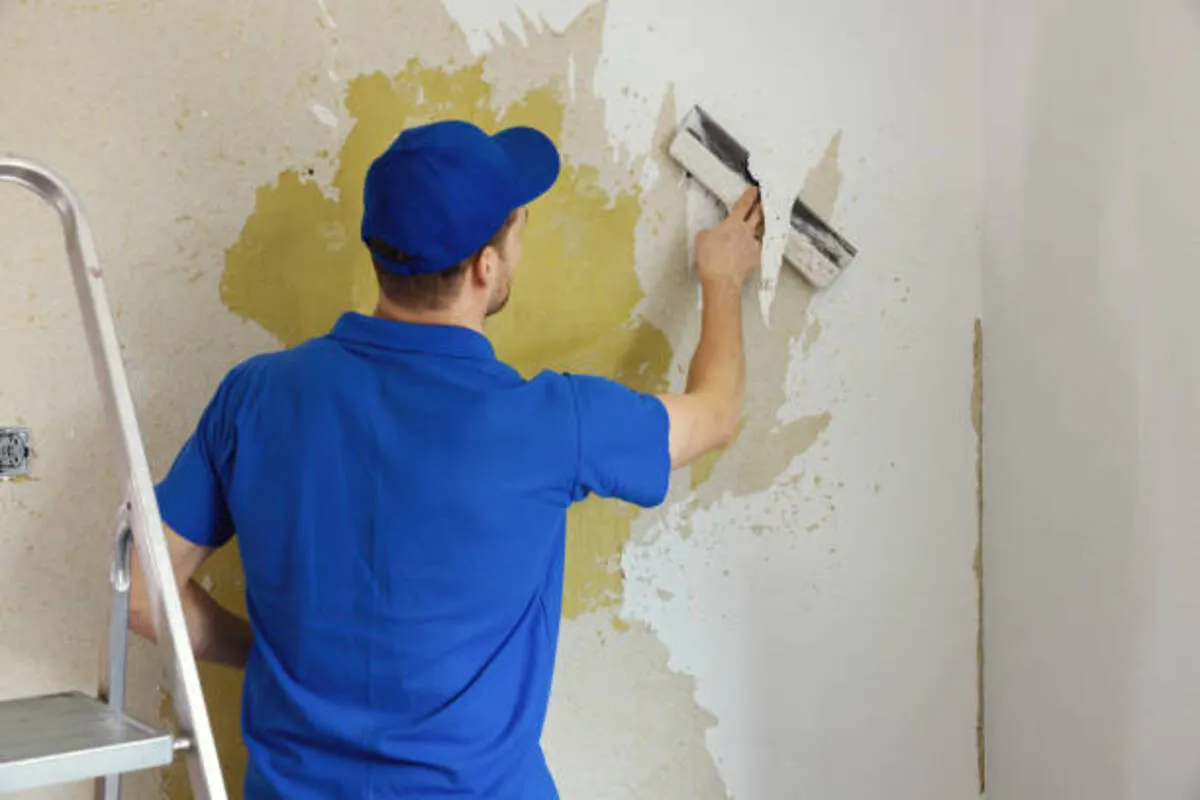
Old paint can become cracked, blistered, faded, or detached from a surface after prolonged exposure to moisture, sunlight, chemicals, or physical wear. Applying a new coating over a deteriorated layer may lead to poor adhesion and premature failure, making suitable removal an important part of many renovation projects. Different techniques can be used according to the surface and the type of existing paint. Scraping and sanding may be appropriate for small areas, while chemical removers or specialized mechanical methods can be useful for selected materials. Abrasive blasting may provide an efficient solution for compatible metal components with extensive coating deterioration. Before removing old paint, it is important to consider whether the coating contains hazardous substances that require testing or specialized handling. Proper containment, cleaning, and disposal procedures help protect workers and the surrounding environment throughout the process.
Preparing Metal Surfaces for Painting
Metal surfaces often need thorough preparation before a new coating can provide dependable protection. Rust, mill scale, grease, dust, and loose paint can interfere with adhesion and create weak points beneath the finished layer. The preparation process begins with inspecting the metal to identify corrosion, cracks, damaged coatings, and areas that may require repair. Cleaning methods are then selected according to the material, the level of contamination, and the coating manufacturer’s specifications. Sand blasting can help remove stubborn surface deposits and create a suitable profile for compatible protective coatings. After preparation, the surface should be checked for residual contamination and excessive roughness before primer application. Prepared steel may also develop flash rust when exposed to moisture, so the timing between cleaning and coating should be carefully managed. These steps help improve coating consistency and support long-term corrosion protection.
Concrete and Masonry Cleaning Solutions
Concrete and masonry materials can accumulate dirt, old coatings, adhesive residues, stains, and weak surface layers that affect their appearance or suitability for additional treatments. Specialized cleaning methods can help prepare these surfaces before applying compatible paints, sealers, repair materials, or other finishes. Abrasive blasting may be appropriate for selected concrete applications where controlled material removal or a textured surface is required. However, concrete varies in strength, porosity, and condition, so the technique must be chosen carefully. Excessive impact can remove too much material, expose aggregate, or create an uneven appearance. Softer masonry may require a gentler method to prevent erosion and surface damage. Testing a small section before treating a larger area can help establish the correct equipment settings and abrasive selection. Proper assessment ensures that cleaning improves the surface without compromising its structural integrity or decorative appearance.
Selecting the Right Abrasive Materials
Abrasive selection has a major influence on cleaning performance, surface texture, project costs, and the risk of material damage. Steel grit is often used for demanding industrial applications involving durable metal surfaces, while aluminum oxide offers an effective cutting action for many preparation tasks. Glass beads can provide a less aggressive finish on suitable materials, while garnet may be selected for certain cleaning applications. Other specialized abrasives are available for projects requiring particular levels of cleanliness or surface refinement. The best choice depends on the substrate hardness, the type of contamination, the desired profile, and any restrictions on residue. Operators should also consider whether abrasive recovery and reuse are practical for the project. Because some abrasive materials create significant dust or present other exposure risks, product safety information and applicable workplace requirements should be reviewed before work begins.
Equipment Used in Professional Cleaning Projects
Professional abrasive cleaning systems may include compressed-air equipment, pressure vessels, blasting nozzles, abrasive delivery systems, hoses, and dust collection arrangements. The exact configuration depends on the scale of the project, the type of material being cleaned, and the required level of surface preparation. Portable equipment can be useful for smaller components and work areas with limited access, while larger systems may support extensive industrial applications. Operating pressure, nozzle size, abrasive flow, and working distance all affect the final result. Equipment must be selected and maintained according to the manufacturer’s recommendations to ensure consistent performance. Worn nozzles, damaged hoses, blocked components, and leaking connections can reduce efficiency and introduce safety risks. Regular inspections and appropriate maintenance help prevent interruptions, improve process control, and support more reliable surface preparation.
Industrial Applications of Surface Cleaning
Industrial facilities frequently require surface cleaning to maintain machinery, structural steel, storage equipment, production components, and other assets exposed to demanding conditions. Rust and deteriorated coatings can reduce the effectiveness of protective systems, while accumulated contamination may complicate inspections and maintenance work. Suitable cleaning methods help prepare these materials for repainting, refurbishment, and corrosion-control treatments. Abrasive blasting is often used for compatible steel components when extensive coating removal or a specified surface profile is required. However, industrial projects may involve hazardous residues, restricted access, sensitive machinery, or strict containment requirements. A detailed assessment helps establish the appropriate cleaning procedure and protective measures. Businesses should also coordinate the cleaning stage with the application of primers or topcoats to avoid unnecessary delays. Effective planning can reduce rework, support maintenance schedules, and help preserve valuable equipment.
Factors That Influence Project Costs
The cost of a surface cleaning project depends on the area being treated, the condition of the material, the type of contamination, and the preparation standard required. Surfaces with heavy corrosion or several layers of old paint generally require more time and materials than relatively clean surfaces. Complex shapes, difficult access, containment systems, dust collection, and waste disposal can also increase the overall cost. The selected abrasive and equipment may influence operating expenses, especially when specialized materials or recovery systems are required. Additional costs may arise when the surface needs repairs, moisture control, priming, or protective coating after cleaning. Customers should request a detailed quotation that explains the preparation method, expected cleanliness level, abrasive selection, safety arrangements, and follow-up services. Comparing the complete scope of work helps identify suitable value and reduces the risk of unexpected charges during the project.
Safety Precautions During Surface Treatment
Safety must remain a priority whenever abrasive blasting or other intensive cleaning methods are used. These activities can generate airborne dust, flying particles, high noise levels, and other hazards that require appropriate controls. Workers should receive suitable training and use protective equipment selected according to the materials, equipment, and exposure risks. Adequate containment and ventilation can help prevent contaminants from spreading beyond the work area. Particular care is necessary when removing older paint or industrial coatings that may contain lead or other hazardous substances. Sand containing crystalline silica should not be used casually as a blasting abrasive because respirable silica dust can cause serious lung disease. Alternative abrasives, effective dust extraction, suitable respiratory protection, and controlled work practices should be considered according to the applicable safety requirements. Equipment must also be inspected regularly, and the work zone should be restricted to authorized personnel during operation.
Environmental Management and Waste Disposal
Surface cleaning can generate waste materials that include spent abrasives, rust particles, paint fragments, dust, and other contaminants removed from the substrate. The composition of this waste depends on the original coating, the material being treated, and the abrasive used. Some residues may contain hazardous substances and require testing, controlled collection, and specialized disposal. Containment systems can help prevent debris from entering nearby soil, drains, or other sensitive areas, while suitable dust collection reduces airborne contamination. Reusable abrasives may lower material consumption when a recovery system is practical and the media remain suitable for reuse. However, abrasive reuse must be managed carefully to prevent unwanted contamination or changes in performance. Businesses should review relevant environmental requirements and follow the instructions for handling each material. Responsible waste management helps reduce environmental impact and supports a cleaner, safer working environment.
Common Mistakes to Avoid During Surface Preparation
Several mistakes can reduce cleaning quality and create problems during subsequent coating work. Choosing an abrasive that is too aggressive may damage thin metal, erode masonry, or produce an unsuitable surface profile. Incorrect pressure, inconsistent movement, or poor control of the nozzle distance can result in uneven preparation. Another common problem is failing to remove residual dust and debris before applying a primer or protective coating. Even a well-cleaned surface may deteriorate if coating application is delayed under conditions that encourage corrosion. Inadequate containment and poor waste management can also create environmental and workplace hazards. These problems can be reduced by inspecting the substrate, choosing appropriate materials, following equipment instructions, and checking the surface against the required preparation standard. Careful planning and quality control help prevent costly rework and improve the reliability of the finished system.
Maintaining Surfaces After Cleaning
Cleaning is often only the first stage in a larger restoration or maintenance project. Once rust, old paint, and other contaminants have been removed, the surface may need a suitable primer, paint, sealant, or specialized protective coating. The correct treatment depends on the substrate and the conditions in which it will be used. Metal exposed to moisture may require a corrosion-resistant coating, while concrete surfaces may need a compatible sealer or protective finish. Regular inspections help identify coating damage, renewed corrosion, or other problems before they become more extensive. Maintenance procedures should reflect the material’s operating environment, exposure conditions, and the coating manufacturer’s recommendations. Combining effective surface preparation with suitable protective treatments helps extend service life and reduce the frequency of major restoration work.
Choosing a Professional Surface Cleaning Service
Selecting a qualified contractor can make a significant difference when a project requires consistent results and appropriate safety controls. An experienced provider should understand abrasive selection, substrate condition, surface profile requirements, containment methods, and coating compatibility. Customers should ask about previous projects, equipment maintenance, waste handling, and inspection procedures before choosing a service. A detailed quotation should identify the preparation standard, cleaning method, materials, safety arrangements, and any additional coating work included. It is also useful to discuss scheduling, site access, and the expected condition of the surface after treatment. A professional contractor should explain any limitations and recommend alternative methods when aggressive cleaning is unsuitable for a particular material. Comparing technical knowledge, safety practices, and the complete scope of work helps customers make a more informed decision.
Conclusion
Modern surface cleaning techniques play an important role in removing rust, old paint, and contaminants from materials that require restoration or additional protection. By choosing an appropriate preparation method, businesses and property owners can improve surface cleanliness and create a suitable foundation for compatible coatings. Sand blasting can be an effective option for many durable surfaces when the abrasive, equipment settings, and safety measures are correctly selected. However, not every material is suitable for aggressive treatment, and careful assessment is necessary to avoid unnecessary damage. Proper waste management, timely coating application, and routine maintenance also contribute to long-term results. With informed planning and professional workmanship, surface preparation can improve coating adhesion, support corrosion control, and help preserve the appearance and performance of valuable materials for years to come.
Author

thedailygurdian@gmail.com
Related Posts
Commercial Roof Replacement: A Protecting Your Property and Improving Building Performance
- 0
- 3,701 words
Introduction Maintaining a commercial property requires regular attention to structural conditions, building materials, and essential maintenance systems. Among these responsibilities, the roof...
Read out all
Trenchless Sewer Line Repair: A Modern Solution for Efficient and Long-Lasting Pipe Restoration
- 0
- 3,280 words
Maintaining a properly functioning sewer system is essential for residential, commercial, and industrial properties. Sewer lines transport wastewater away from buildings and...
Read out all
Franchise Resale: A Complete Guide to Buying, Selling, and Maximizing the Value of an Established Franchise Business
- 0
- 3,381 words
Introduction Starting a business from the ground up can be an exciting opportunity, but it also involves considerable planning, financial investment, uncertainty,...
Read out all
Stone Veneer: Enhance Your Property with Elegant, Durable, and Versatile Wall Finishes
- 0
- 3,540 words
Introduction Creating an attractive and welcoming property involves choosing materials that combine visual appeal, durability, and long-term functionality. Exterior and interior walls...
Read out all
Driveway Gate Installation: Enhancing Property Security, Privacy, and Curb Appeal
- 0
- 2,934 words
A driveway gate is an important addition to any residential or commercial property because it provides controlled access, improves security, and creates...
Read out all
Drain Cleaning: Essential Solutions for Maintaining a Clean and Efficient Plumbing System
- 0
- 3,313 words
Introduction A properly functioning drainage system is essential for maintaining a clean, comfortable, and hygienic property. Whether in a residential home, commercial...
Read out all