
- 0
- 2,630 words
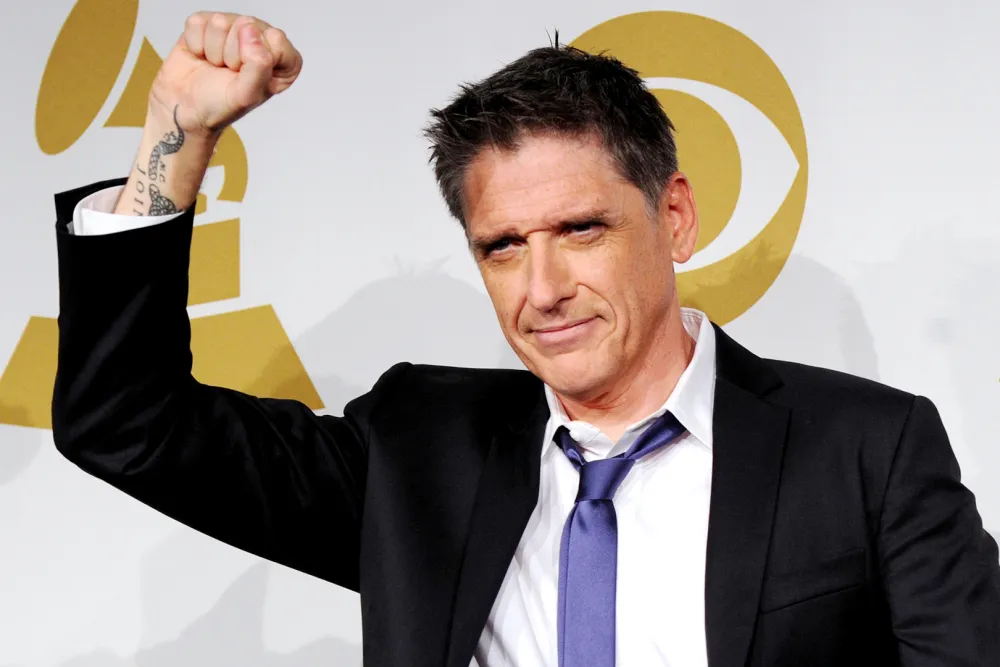
Craig Ferguson is a well-known Scottish-American comedian, actor, television host, writer, and producer who has built an impressive career through his unique sense of humor and entertaining personality. Best recognized for hosting The Late Late Show with Craig Ferguson, he became one of the most distinctive voices in American late-night television. His unconventional comedy, spontaneous conversations, and ability to connect with audiences helped him develop a loyal following around the world.
However, Craig Ferguson is much more than a television personality. His journey includes humble beginnings in Scotland, early experiences in music and theater, success in Hollywood, and a remarkable transition into American television. He has also established himself as an author, filmmaker, and successful stand-up comedian.
His story is particularly interesting because it demonstrates how determination, creativity, and the willingness to take risks can transform an ordinary beginning into an extraordinary entertainment career.
Who Is Craig Ferguson?
Craig Ferguson is a comedian and entertainer born on May 17, 1962, in Glasgow, Scotland. He grew up in Cumbernauld, a town near Glasgow, where he spent much of his childhood. Although he eventually became famous in the United States, his Scottish background has remained an important part of his personality and comedic identity.
Ferguson developed an interest in entertainment at a relatively young age. Before becoming a television personality, he explored different creative opportunities, including music, acting, and comedy. These experiences helped him develop the confidence and stage presence that later became essential to his professional success.
His career became especially successful after he moved to the United States during the 1990s. He initially gained attention through acting roles before becoming a familiar face on American television.
Today, Craig Ferguson is recognized internationally for his contributions to comedy, television, film, and literature.
Craig Ferguson’s Early Life and Childhood
Growing up in Scotland played an important role in shaping Ferguson’s personality and outlook on life. His childhood experiences provided him with many of the observations and stories that would eventually influence his comedy.
He attended school in Cumbernauld but left formal education at the age of 16. Rather than following a traditional academic path, he began exploring different career opportunities. One of his early jobs involved working as an apprentice electronics technician.
However, his interest in creative activities remained strong. He became involved in the British music scene and started playing drums in punk bands. Music introduced him to performance environments and helped him become comfortable entertaining audiences.
Although his early musical experiences did not immediately lead to major success, they gave him valuable lessons about creativity, confidence, and persistence.
Ferguson eventually discovered that comedy and acting offered opportunities that matched his personality and interests. This decision became a turning point in his life.
From Punk Music to Acting and Comedy
Before becoming a famous comedian, Craig Ferguson experienced several different stages of professional development. His involvement in punk music was one of the earliest chapters of his entertainment journey.
He performed with various bands and became familiar with the energetic atmosphere of live performances. However, music was not the only creative direction he explored.
While working in Glasgow, Ferguson became connected with the city’s theater community. His association with theater director Michael Boyd encouraged him to consider acting as a serious profession.
He began performing on stage and gradually developed his abilities as an actor and writer. Theater provided an opportunity to experiment with characters, dialogue, and storytelling.
Eventually, comedy became another important part of his career. His natural ability to entertain audiences helped him establish himself on the British comedy circuit.
During the early 1990s, Ferguson gained considerable attention in the United Kingdom. His work eventually led to his own BBC television program, The Ferguson Theory.
This achievement demonstrated that he could successfully move beyond live performances and connect with a much larger television audience.
Craig Ferguson’s Move to America
One of the most important decisions in Craig Ferguson’s career was moving to the United States in 1995.
At that time, he had already developed a reputation as a talented comedian in Britain. However, he wanted to explore new opportunities and challenge himself in a different entertainment industry.
Moving to America meant entering a highly competitive environment where many actors and comedians were trying to establish successful careers.
Ferguson initially appeared in the ABC sitcom Maybe This Time. Although the program did not become a long-running success, it provided him with valuable experience in American television.
His breakthrough came when he joined The Drew Carey Show.
The transition from British entertainment to American television was not always easy. Nevertheless, Ferguson’s distinctive personality, acting abilities, and comedic timing helped him establish a recognizable identity.
His international background also became an advantage because it allowed him to bring a different perspective to American comedy.
His Breakthrough Role in The Drew Carey Show
One of the most recognizable acting roles in Craig Ferguson’s career was Nigel Wick in The Drew Carey Show.
The sitcom originally aired on ABC and became popular among American television audiences. Ferguson played Nigel Wick, an eccentric and often entertaining boss who worked alongside Drew Carey.
His performance attracted attention because of its unusual humor and memorable character development.
Nigel Wick was not simply another supporting character. Ferguson brought a distinctive personality to the role, combining sarcastic observations, exaggerated behavior, and impressive comedic timing.
The success of the character helped introduce Ferguson to millions of American viewers.
Working on the show also gave him opportunities to develop his writing and creative skills. He became increasingly interested in exploring projects that allowed him to express his own ideas.
His experience on The Drew Carey Show became an important foundation for his later success as a television host.
The Late Late Show With Craig Ferguson
Perhaps the most significant achievement in Craig Ferguson’s career was becoming the host of The Late Late Show on CBS.
He took over the program in January 2005, replacing Craig Kilborn. At the time, late-night television was already dominated by several established personalities.
Instead of copying the traditional hosting style, Ferguson introduced a different approach.
His version of the show emphasized spontaneous conversations, unusual jokes, playful interviews, and an informal atmosphere.
Unlike some traditional late-night programs, his interviews often felt like genuine conversations rather than carefully organized promotional appearances.
He frequently surprised guests with unexpected questions and humorous observations. His ability to improvise made the program entertaining and unpredictable.
Another distinctive feature was his use of puppets and recurring characters during opening segments. These creative elements gave the show an unusual personality.
Ferguson also became known for his humorous conversations with his robotic sidekick Geoff Peterson, voiced by Josh Robert Thompson.
Their interactions became a popular feature among regular viewers.
The program ran for approximately ten years, ending in December 2014. During that period, Ferguson established himself as one of the most recognizable late-night television hosts in America.
What Made His Comedy Different?
Craig Ferguson developed a comedy style that was different from many other television personalities.
His humor frequently combined sarcasm, self-deprecation, observational comedy, and unexpected storytelling.
He was comfortable making jokes about himself and discussing personal experiences in a way that audiences could understand.
One of the most appealing aspects of his personality was his willingness to move away from prepared material when an interesting conversation developed.
This approach made interviews feel more natural.
He also used humor to discuss serious subjects, including personal struggles, relationships, cultural differences, and the challenges of everyday life.
His Scottish accent and international experiences added another distinctive element to his performances.
Rather than hiding his background, Ferguson frequently incorporated it into his comedy.
His ability to balance intelligent humor with entertaining conversations helped him develop a loyal audience.
Craig Ferguson’s Career in Movies and Voice Acting
In addition to television, Craig Ferguson has enjoyed a successful career in movies and voice acting.
He has appeared in several productions, demonstrating his ability to perform different types of characters.
One of his most notable achievements was voicing Gobber in the animated How to Train Your Dragon film series.
Gobber is a memorable character known for his humor, personality, and relationship with the other characters.
Ferguson’s distinctive voice made the character particularly entertaining.
He also voiced Owl in Disney’s Winnie the Pooh (2011) and Lord Macintosh in Pixar’s Brave (2012).
These projects introduced his voice to audiences who might not have regularly watched his late-night television program.
His work in animation demonstrated that his entertainment abilities extended beyond live comedy and traditional acting.
He has also been involved in film writing, producing, and directing, making him a versatile creative professional.
Craig Ferguson as a Writer and Author
Another important part of Craig Ferguson’s professional identity is his work as an author.
He has written several books that explore different aspects of life, personal experiences, and storytelling.
His novel Between the Bridge and the River was published in 2006. The book introduced readers to his imaginative approach to fiction and demonstrated that he could create stories beyond the television screen.
In 2009, he published American on Purpose: The Improbable Adventures of an Unlikely Patriot.
This memoir explores his experiences moving from Scotland to the United States and becoming an American citizen.
The book provides insight into his personal development, professional journey, and changing relationship with his adopted country.
Another notable publication is Riding the Elephant: A Memoir of Altercations, Humiliations, Hallucinations & Observations, released in 2019.
The book combines personal stories with reflections on life, relationships, entertainment, and human behavior.
His writing often reflects the same qualities that make his comedy appealing: honesty, humor, curiosity, and an unusual perspective.
Craig Ferguson’s Personal Life and Family
Although Craig Ferguson has spent much of his professional life in the public eye, he has generally maintained a degree of privacy regarding his personal relationships.
He has been married three times. His current wife is Megan Wallace Cunningham, an art dealer whom he married in 2008.
The couple has a son together.
Ferguson also has a son from his previous marriage to Sascha Ferguson.
His family life is an important part of his personal identity, although he does not make every aspect of it a public subject.
Throughout his career, he has occasionally shared stories about family experiences during interviews and comedy performances.
These personal observations have helped audiences see another side of his personality beyond his television appearances.
He has also spoken about the importance of personal growth, responsibility, and learning from difficult experiences.
His Journey Toward Sobriety
One of the more serious chapters of Craig Ferguson’s life involved his struggles with alcohol.
During his earlier years, he experienced problems with drinking that affected his personal and professional life.
He has spoken openly about these experiences, explaining how they influenced his decisions and outlook.
Ferguson stopped drinking in 1992 and has discussed his recovery in interviews and his writing.
His willingness to address this subject has made his story meaningful to people who have faced similar difficulties.
Rather than presenting himself as someone who has never made mistakes, he has acknowledged the challenges that shaped his development.
His experiences demonstrate that personal struggles do not necessarily prevent someone from building a successful future.
They can also become opportunities for reflection, change, and greater understanding.
Awards and Professional Achievements
Craig Ferguson has received considerable recognition throughout his entertainment career.
His work on The Late Late Show earned him critical attention, including a Peabody Award in 2009 for an interview with Archbishop Desmond Tutu.
He also received Emmy nominations for his television work.
His stand-up comedy performances have earned Grammy nominations, reflecting the quality and popularity of his comedy recordings.
Additionally, his work as an author has brought him commercial success, with his books appearing on bestseller lists.
Some of his major professional accomplishments include:
- Hosting The Late Late Show with Craig Ferguson from 2005 to 2014.
- Playing Nigel Wick in The Drew Carey Show.
- Voicing Gobber in the How to Train Your Dragon film series.
- Voicing Owl in Winnie the Pooh.
- Publishing the memoir American on Purpose.
- Writing the novel Between the Bridge and the River.
- Receiving a Peabody Award and multiple Emmy and Grammy nominations.
- Building a successful international stand-up comedy career.
These achievements demonstrate the range of his abilities and his lasting contribution to entertainment.
What Did Craig Ferguson Do After The Late Late Show?
When Craig Ferguson announced his departure from The Late Late Show in 2014, many viewers wondered what he would do next.
Leaving a successful television program after a decade was a major professional decision. However, Ferguson was interested in exploring different creative opportunities.
Following his departure, he hosted Celebrity Name Game, a syndicated game show that combined entertainment, celebrities, and word-based challenges.
The program became successful and earned him two Daytime Emmy Awards.
He also hosted Join or Die with Craig Ferguson on the History channel, where discussions explored historical questions and unusual topics.
In 2021, he hosted the ABC game show The Hustler.
He continued performing stand-up comedy and developing projects across different entertainment platforms.
In 2023, he launched the podcast Joy, giving him another opportunity to share conversations and ideas with listeners.
His post-late-night career demonstrates that leaving one successful program does not mean leaving the entertainment industry.
Craig Ferguson’s Continued Stand-Up Comedy Career
Stand-up comedy has remained an important part of Ferguson’s professional life.
Although television brought him international recognition, live performances allow him to connect directly with audiences.
His comedy shows often include personal stories, observations about modern society, cultural experiences, and humorous reflections on everyday life.
He has performed at major venues, including Carnegie Hall and Radio City Music Hall.
His stand-up specials have also reached audiences through platforms such as Netflix, Comedy Central, and other entertainment networks.
In 2025 and 2026, he continued attracting attention for his live comedy performances, including his Pants on Fire tour.
His return to Scotland for live performances has also attracted interest because it represents a connection with the country where his entertainment journey began.
Why Craig Ferguson Remains Popular
Craig Ferguson continues to attract attention because his career represents something different from the traditional celebrity success story.
He did not follow a single professional path. Instead, he explored music, theater, acting, writing, directing, and comedy before becoming a successful television personality.
His ability to adapt has helped him remain relevant across different generations.
Audiences appreciate his honesty, unconventional humor, and willingness to discuss both amusing and difficult experiences.
His late-night interviews also remain popular online, introducing his work to younger viewers who may not have watched the original broadcasts.
Another reason for his lasting appeal is his natural storytelling ability.
Whether he is performing stand-up comedy, writing a memoir, or speaking with a television guest, Ferguson has a talent for making ordinary experiences entertaining.
His career demonstrates that individuality can be a powerful advantage in an industry where many entertainers compete for attention.
Conclusion
Craig Ferguson has built an extraordinary entertainment career through creativity, persistence, and an unmistakable sense of humor. From his early experiences in Scotland to his international success as a comedian, actor, television host, and author, his journey reflects the value of exploring different opportunities and developing personal strengths.
His decade-long run on The Late Late Show remains one of the defining achievements of his career. However, his contributions to film, animation, literature, and stand-up comedy demonstrate that his talents extend far beyond late-night television.
What makes Craig Ferguson especially interesting is his willingness to embrace change, acknowledge personal challenges, and approach life with curiosity and humor.
Whether audiences remember him as Nigel Wick, the host of The Late Late Show, the voice of Gobber, or an engaging stand-up comedian, his influence on entertainment remains significant. His story continues to inspire people who believe that success can come through determination, originality, and the courage to follow an unconventional path.
Author

blowouttaper.co.uk@gmail.com
Related Posts
Hugh Jackman: Biography, Career, Movies, Achievements, and Personal Life
- 0
- 2,623 words
Hugh Jackman is one of the most talented and recognizable entertainers in the international film industry. Known for his remarkable acting abilities,...
Read out all
Kenny Anderson: The Inspiring Journey of an NBA All-Star, Basketball Prodigy, and New York Legend
- 0
- 2,444 words
Kenny Anderson is a name that holds a special place in basketball history, particularly among fans who followed the NBA during the...
Read out all
William Zabka: The Life, Career, and Legacy of the Actor Behind Johnny Lawrence
- 0
- 2,418 words
William Zabka is an American actor, screenwriter, director, and producer best known for portraying Johnny Lawrence in the popular Karate Kid film...
Read out all
Tony Shalhoub: The Remarkable Life and Career of an Award-Winning Actor
- 0
- 2,484 words
Tony Shalhoub is one of the most respected and versatile actors in American entertainment. Known for his extraordinary ability to portray complex...
Read out all
Ray Charles Wife: The Story of Della Beatrice Howard Robinson, His Marriage, Family, and Personal Life
- 0
- 2,826 words
Ray Charles was one of the most influential musicians in American music history. Known for his extraordinary voice, remarkable piano skills, and...
Read out all
Christina Mangosing: Biography, Early Life, Family, Marriage, Career, and Personal Story
- 0
- 2,304 words
Introduction Christina Mangosing is a name that attracts interest among people researching Hollywood personalities, celebrity families, and the personal lives of famous...
Read out all