

- 0
- 1,153 word
When a payday loan starts as a quick fix, it rarely stays small for long. You borrow to cover rent, groceries, or a car repair, then the due date hits before your next paycheck can stretch far enough. One loan turns into another, fees pile up, and the balance starts to feel less like a bill and more like a trap. If that is where you are, the stress makes sense. For more information, visit https://www.coreymillslaw.com/.
The short answer is yes, bankruptcy can often eliminate payday loan debt. In many cases, these loans are treated like other unsecured debts, which means they may be wiped out in bankruptcy depending on the type of case you file and your overall financial picture. That does not mean every situation is simple, and it does not mean lenders will stop pressuring you on their own. It means you may have a legal way out, even if the loan company has made it sound like you do not.
Payday loans are usually unsecured debts in bankruptcy
Most payday loans do not have collateral attached to them. You did not pledge a house or a car in exchange for the money. That matters because unsecured debts are often dischargeable in bankruptcy. The federal courts explain that a bankruptcy discharge can erase personal liability for certain debts, and payday loans often fall into that category.
This is where many people get tripped up. A lender may threaten criminal charges, wage seizure, or permanent damage if you do not pay right away. In most cases, a payday lender is still just a creditor trying to collect a consumer debt. They may file a lawsuit in some situations, and they may call or send letters, but they do not get special power simply because the loan came from a payday store or online lender.
If you are wondering whether payday loan debt relief through bankruptcy is real, the answer is usually yes. The larger question is which chapter makes sense for you and whether there are any facts that change the analysis, such as a very recent loan or signs of fraud.
Chapter 7 can wipe out payday loans for many filers
For people with limited income and little room to repay debt, Chapter 7 is often the most direct option. Under Chapter 7 bankruptcy basics, eligible filers can discharge many unsecured debts in a matter of months. Payday loans are commonly included with credit cards, medical bills, and old utility balances.
The relief is not only about the balance itself. Filing bankruptcy also triggers an automatic stay, which can stop collection calls, lawsuits, garnishments in many cases, and other collection activity. When your phone has been buzzing all day and every message feels like a threat, that breathing room matters.
There are limits. If you took out the loan very recently before filing, a creditor may argue you borrowed the money without intending to repay it. That does not mean they will win, and many do not challenge the discharge, but timing can matter. If a payday loan was tied to a postdated check that later bounced, that can raise extra concerns, though it still does not automatically make the debt nondischargeable.
Chapter 13 helps when you need time and protection
Sometimes the issue is not just one payday loan. It is rent behind, a car payment at risk, tax debt, and several lenders all trying to collect at once. In that situation, Chapter 13 may fit better. Instead of wiping debts out right away, Chapter 13 sets up a court supervised repayment plan over three to five years. Some unsecured debts get paid only in part, and the remaining eligible balance may be discharged at the end.
This can help if your income is too high for Chapter 7, or if you need a structured plan to catch up on secured debts while stopping payday lenders from taking more money from your account. For some people, bankruptcy for payday loans is less about one debt and more about stopping the chain reaction.
Payday lenders rely on urgency, and that pressure can cloud your options
The Federal Trade Commission warns consumers about the cost and rollover cycle of payday and car title loans. The pattern is familiar. A lender offers fast cash, the repayment window is short, and the fees are steep. If the full amount is not there on payday, the loan gets renewed or replaced, and the debt grows.
You may be trying to decide between paying the lender, bouncing other bills, or borrowing again to stay afloat. That is how people end up paying far more than they borrowed while never really getting ahead. A bankruptcy lawyer can look at the full picture instead of treating the payday loan as a one off crisis.
Comparing common options for payday loan debt
| Option | How it works | Main benefit | Main risk |
|---|---|---|---|
| Keep renewing or refinancing | You take new loans or extensions to cover old ones | Short term delay | Fees grow fast and debt often gets worse |
| Debt settlement or payment arrangement | You negotiate reduced payments or a lump sum | May lower what you owe without filing | No guarantee the lender agrees, collections may continue |
| Chapter 7 bankruptcy | Eligible unsecured debts may be discharged | Fast relief and strong collection protection | Not everyone qualifies, recent loans may face scrutiny |
| Chapter 13 bankruptcy | You repay through a court approved plan | Stops collections and gives time to catch up | Requires steady income and a multi year commitment |
Three steps you can take right now
Gather every loan record. Pull together contracts, payment histories, bank statements, texts, emails, and collection notices. If automatic withdrawals have been hitting your account, document each one. A clear paper trail helps show how much you borrowed, how much you already paid, and whether the lender crossed legal lines.
Stop making panic decisions. When pressure is high, it is easy to pay the loudest collector and fall behind on rent, food, or utilities. Protect essentials first. If a lender is threatening you, save the message. Do not assume every threat is lawful or every deadline is final.
Get legal advice before taking another loan. One more advance can turn a bad month into a deeper hole. A lawyer can review whether the debt is dischargeable, whether Chapter 7 or Chapter 13 fits better, and whether the timing of your loans creates any issues. That kind of review is often the turning point between spinning your wheels and actually getting out.
There is a legal path out of payday loan debt
Payday lenders count on exhaustion. They count on you feeling embarrassed, cornered, and too overwhelmed to look at bigger options. Bankruptcy can change that. In many cases, it can eliminate payday loan debt, stop collection pressure, and give you a real reset instead of another expensive temporary fix.
If payday loans are swallowing your paycheck and you cannot see a clean way forward, speak with a bankruptcy lawyer and get a clear answer based on your facts. Relief may be closer than it feels right now.
Author

khizarnisar367@gmail.com
Related Posts

More Than Grades: How to Shape an Academic Identity That Stands Out
- 0
- 1,171 word
College preparation is about more than earning strong grades or filling a résumé with impressive activities. It is about developing a clear...
Read out all
Keeping Your Vehicle Looking Pristine with Mobile Wheel Care
- 0
- 792 words
Every driver knows that sinking feeling. You misjudge a tight parallel park, miscalculate a driveway entry, or clip a hidden obstruction, and...
Read out all
Breast Enlargement vs Breast Reduction: Choosing the Right Procedure for You
- 0
- 1,947 word
Breast surgery is a personal decision that can be influenced by physical comfort, body proportions, and individual preferences. While some people consider...
Read out all
The Best Small Business Funding for Expanding into Multiple Locations
- 0
- 810 words
For many successful local businesses, there comes a time when they realize that the opportunity for expansion is just too great to...
Read out all
Cloud Management Services Enable Businesses to Optimize Their Digital Infrastructure and Reduce Operational Costs
- 0
- 1,145 word
Malaysian businesses face mounting pressure to stay competitive while keeping costs under control. Digital transformation has become essential, but managing cloud infrastructure...
Read out all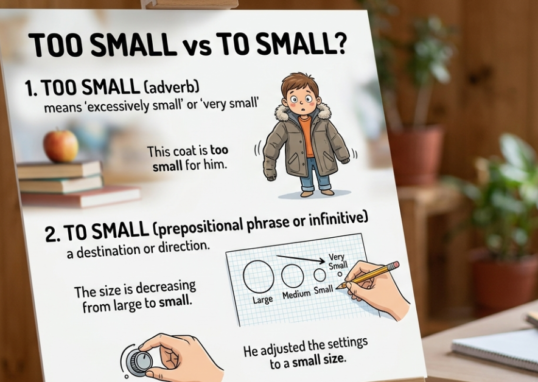
Too Small or To Small? The Correct Usage Explained
- 0
- 1,288 word
Have you ever paused while writing and wondered whether it’s too small or to small? You’re not alone. This is one of...
Read out all