
- 0
- 2,496 words
Introduction
Maintaining land in a clean, organized, and accessible condition is important for property owners, construction professionals, and anyone planning to improve an outdoor space. Overgrown vegetation, dense shrubs, tangled vines, weeds, and small unwanted trees can quickly make an area difficult to use. These conditions may restrict access, hide potential hazards, encourage pest activity, and interfere with landscaping or construction plans. Brush clearing provides a practical solution by removing unwanted vegetation and creating a more manageable outdoor environment. When performed correctly, this process improves the appearance of a property while supporting safety, accessibility, and long-term land management. Vegetation management is not simply about removing everything that grows naturally on a property. It requires careful evaluation of the existing landscape, identification of plants that should remain, and selection of suitable methods for dealing with unwanted growth. Some areas may require light trimming, while others may need specialized machinery to handle thick vegetation and difficult terrain. A well-planned approach helps protect desirable trees, reduce unnecessary soil disturbance, and prevent damage to nearby structures. Understanding the available techniques, equipment, safety considerations, and maintenance practices allows property owners to make informed decisions and achieve lasting results.
Understanding the Importance of Vegetation Management
Uncontrolled vegetation can create several challenges for properties of different sizes and purposes. Thick brush may block walking paths, cover boundary markers, obstruct driveways, and make routine inspections more difficult. In some situations, dense growth can conceal fallen branches, uneven ground, exposed debris, or other hazards that become difficult to identify until the area is cleared. Managing unwanted vegetation helps restore visibility and makes the land easier to inspect, maintain, and use for its intended purpose. It can also improve the overall appearance of an outdoor space without requiring extensive landscaping work. Another important consideration is how vegetation affects the surrounding environment. Certain invasive plants spread rapidly and compete with desirable species for sunlight, nutrients, and moisture. Removing or controlling these plants may help support a healthier balance when the appropriate methods are selected. However, clearing should be approached responsibly because vegetation also provides shelter for wildlife, protects soil from erosion, and contributes to the natural landscape. Property owners should identify environmental concerns before beginning work and determine which plants should be preserved. Careful planning ensures that vegetation management addresses practical needs while avoiding unnecessary ecological damage.
Preparing the Property Before Work Begins
Proper planning is essential before any vegetation removal project begins. The first step involves examining the property to understand the density of the brush, the type of plants present, the slope of the ground, and the amount of work required. Contractors should identify obstacles such as rocks, drainage channels, fences, utility lines, and existing structures that could affect equipment movement. These details help determine the most appropriate tools and methods for completing the work safely and efficiently. A detailed assessment also makes it easier to estimate labor requirements, equipment costs, and the time needed to complete the project. During the planning stage, property owners should establish clear goals for the area being managed. Some may want to improve access to walking paths, while others may need to prepare ground for landscaping, fencing, or future construction. The intended use determines how much vegetation should be removed and which natural features should remain untouched. Brush clearing should follow a defined plan that identifies work boundaries, access points, waste removal arrangements, and any environmental precautions. Establishing these details before work begins reduces confusion, prevents unnecessary removal, and helps ensure that the finished area meets the owner’s expectations.
Choosing the Right Equipment for Vegetation Removal
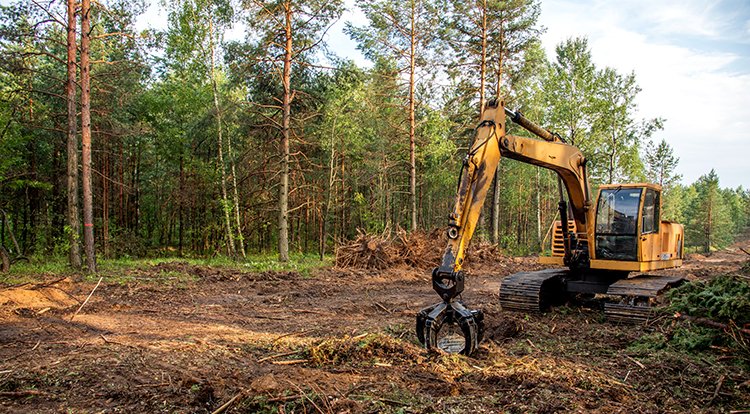
The equipment used for vegetation management depends on the size of the property, the thickness of the growth, and the type of terrain involved. Hand tools such as pruning shears, loppers, and manual saws may be suitable for smaller areas with manageable vegetation. These tools provide greater control around desirable plants, fences, and structures. Brush cutters and heavy-duty trimmers can handle taller weeds, grasses, and lighter woody vegetation. Chainsaws may be necessary for larger woody material, but they require appropriate training, protective equipment, and careful operating procedures. Selecting suitable equipment helps improve productivity and reduces the risk of damaging surrounding features. For larger projects, machinery can significantly reduce the time and labor required to manage dense vegetation. Compact track loaders, forestry mulchers, brush mowers, and other specialized equipment may be appropriate for extensive areas with heavy growth. The choice depends on ground conditions, available access, the size of the vegetation, and the amount of soil disturbance that can be tolerated. Brush clearing with mechanical equipment should always be planned around potential hazards, including hidden rocks, unstable ground, underground utilities, and overhead obstacles. Operators must be trained to use their machinery safely, and equipment should be inspected before work begins to ensure that it is functioning properly.
Improving Access and Property Usability
One of the most immediate benefits of removing excessive vegetation is improved access. Overgrown paths, entrances, driveways, and open spaces can become difficult to navigate when weeds, branches, and shrubs spread into commonly used areas. Clearing these obstructions creates more room for people, vehicles, and maintenance equipment to move safely. Improved visibility also makes it easier to inspect fences, identify property boundaries, and locate features that may have been hidden by years of unmanaged growth. These improvements can make routine property maintenance more convenient and efficient. Creating usable outdoor space can also support future development and landscaping projects. An area covered with dense vegetation may need to be opened up before installing a garden, building a shed, establishing a trail, or preparing ground for another planned use. Removing unwanted growth allows property owners to evaluate the condition of the soil and determine what additional work may be required. However, clearing should follow a defined plan so that important vegetation is preserved and unnecessary ground disturbance is avoided. A balanced approach provides practical access while maintaining the natural features that contribute to the property’s character and environmental value.
Supporting Fire Risk Reduction
Dry vegetation, dead branches, accumulated leaves, and unmanaged brush can contribute to combustible fuel around buildings and other structures. In areas exposed to wildfire conditions, reducing certain types of vegetation may help lower the amount of available fuel and create more manageable spaces around vulnerable property features. The effectiveness of these measures depends on the local climate, vegetation types, weather conditions, and applicable fire safety guidance. Property owners should understand the specific risks associated with their surroundings before deciding which vegetation management practices are appropriate. A responsible approach to reducing fire risk includes identifying dead or highly combustible material, maintaining suitable access routes, and managing vegetation near structures according to relevant recommendations. Removing every plant is neither necessary nor environmentally beneficial in most situations. Instead, the objective is to manage fuel in a way that supports safety while preserving healthy trees and suitable ground cover. Regular inspections are also important because new vegetation can grow quickly, while fallen branches and dry plant material can accumulate between maintenance visits. Consulting qualified fire management professionals can help property owners determine suitable practices for their specific conditions.
Protecting Soil and the Natural Environment
Although removing unwanted vegetation can improve land usability, the process should be carried out with consideration for soil stability and environmental protection. Plant roots help hold soil in place, particularly on slopes and near drainage channels. Removing too much vegetation at once can expose bare ground to rainfall, increase runoff, and contribute to erosion. Soil disturbance may also affect nearby waterways if sediment is carried away by flowing water. For these reasons, property owners should determine which areas need clearing and which plants should remain to protect the surrounding landscape. Environmental protection measures may include maintaining vegetation buffers near waterways, preserving healthy trees, limiting machinery movement on sensitive ground, and avoiding unnecessary disturbance during vulnerable wildlife periods. Removed plant material should be managed appropriately, and invasive species should be handled in ways that reduce the possibility of spreading seeds or root fragments. In some situations, leaving suitable ground cover or replacing removed plants with appropriate vegetation can help stabilize the soil. These practices support a balanced approach to land management and reduce the risk of creating additional environmental problems while improving the property.
Managing Waste and Removed Vegetation
Vegetation removal produces different types of waste, including branches, leaves, weeds, roots, and woody debris. Managing these materials properly is important for maintaining a clean work area and preventing the removed growth from becoming a new problem. Large piles can obstruct access, conceal hazards, attract unwanted pests, and interfere with future maintenance activities. A waste management plan should therefore be established before work begins, with suitable arrangements for collecting, separating, and processing the material generated during the project. Depending on local regulations and the condition of the vegetation, suitable material may be chipped into mulch, composted, reused for approved landscaping purposes, or transported to an authorized disposal facility. Diseased plants and invasive species may require different handling procedures to prevent further spread. Open burning should never be assumed to be an acceptable disposal method because restrictions, fire hazards, and environmental concerns vary. Property owners should confirm applicable rules before choosing a disposal approach. Organized waste management improves the final appearance of the property and helps ensure that the benefits of vegetation removal are not undermined by leftover debris.
Safety Measures During Vegetation Removal
Safety should remain a priority throughout every stage of a vegetation management project. Dense brush can conceal sharp objects, uneven surfaces, animal habitats, holes, and discarded materials. Cutting equipment can also create risks from flying debris, sharp blades, falling branches, and unexpected movement of woody plants. Workers should wear suitable protective equipment, including eye protection, sturdy footwear, gloves, and hearing protection when required. Additional equipment may be necessary for chainsaw operations or other tasks involving specialized machinery. Clear communication between workers helps reduce the likelihood of accidents, particularly when several people are operating in the same area. Before work begins, contractors should inspect the area for overhead hazards, underground utilities, unstable trees, and other conditions that could affect safe operations. Machinery should be operated only by trained personnel, and bystanders should remain outside designated working zones. Workers should also understand how to respond to equipment malfunctions, injuries, and unexpected environmental conditions. Weather can influence both visibility and ground stability, so work may need to be adjusted when conditions become unsafe. Following established safety procedures protects workers, property owners, and surrounding structures while helping the project proceed in an organized manner.
Understanding the Cost of Vegetation Removal
The cost of managing overgrown land depends on several factors, including the total area, vegetation density, plant size, terrain, accessibility, equipment requirements, and disposal arrangements. A property covered with light weeds and small shrubs generally requires less work than an area containing thick woody growth, extensive vines, or large quantities of fallen material. Sloping ground, narrow access points, and obstacles can also increase the time needed to complete the project. Because conditions vary considerably, a property assessment is often the best starting point for obtaining a realistic estimate. When evaluating quotes, property owners should consider more than the initial price. The scope of work should explain which vegetation will be removed, whether selected trees and plants will be preserved, how debris will be managed, and whether follow-up treatment is included. Brush clearing costs may also vary depending on whether the contractor uses manual labor, handheld equipment, or specialized machinery. A detailed written estimate helps avoid misunderstandings and makes it easier to compare services fairly. Choosing a contractor solely because of the lowest price may result in incomplete work or additional expenses if important tasks are excluded from the original agreement.
Maintaining the Property After Clearing
Removing excessive vegetation is often only the first stage of a longer land management process. Many weeds, shrubs, and invasive plants can return when roots remain in the soil or new seeds arrive from surrounding areas. Without a suitable maintenance plan, a recently cleared property may gradually become overgrown again. Regular inspections help property owners identify new growth early and determine whether trimming, selective removal, mowing, or another control method is needed. The frequency of maintenance depends on seasonal conditions, rainfall, plant species, and the intended use of the land. A long-term plan should focus on controlling unwanted growth without unnecessarily disturbing healthy vegetation. Maintaining designated paths, removing dead branches, monitoring invasive species, and protecting suitable ground cover can help preserve the results of the original work. Property owners may also consider planting appropriate native species where vegetation has been removed, particularly in areas where bare soil could become vulnerable to erosion. Consistent maintenance is generally more manageable than waiting until dense growth returns and requires extensive removal. By adopting a regular inspection schedule, property owners can maintain better access, improve appearance, and control future maintenance expenses.
Selecting a Professional Vegetation Management Service
Hiring an experienced contractor can be beneficial when vegetation is dense, the property covers a large area, or specialized machinery is required. A qualified professional should be able to assess the existing conditions, explain the available methods, identify potential hazards, and recommend a suitable plan. Property owners should review the contractor’s experience, relevant insurance, equipment capabilities, and safety procedures before agreeing to the work. References or examples of previous projects can also provide useful information about the quality and reliability of the service. Clear communication is essential when discussing the project’s requirements. The property owner and contractor should agree on the areas to be treated, vegetation that must remain, the expected finish, debris disposal arrangements, and any limitations related to environmental protection. Written agreements should outline the scope of work, estimated timeline, payment terms, and procedures for handling unexpected conditions. A professional assessment can also help determine whether the work requires additional expertise, such as arborist services for valuable trees or specialist advice for invasive plants. Careful selection helps ensure that the project meets the property owner’s goals while maintaining appropriate safety and environmental standards.
Conclusion
Effective vegetation management can transform an overgrown property into a cleaner, safer, and more accessible outdoor space. From initial assessments and equipment selection to waste disposal, soil protection, and long-term maintenance, each stage contributes to the quality of the final result. Careful planning helps property owners address unwanted growth while preserving valuable plants, protecting the surrounding environment, and reducing unnecessary expenses. The right methods depend on the condition of the land, the type of vegetation, and the intended purpose of the property. Investing in professional assistance when necessary can improve efficiency, especially when projects involve dense growth, difficult terrain, or specialized machinery. At the same time, regular inspections and a practical maintenance schedule help prevent vegetation from becoming unmanageable again. By combining appropriate techniques with responsible environmental practices and consistent upkeep, property owners can maintain land that remains functional and visually appealing. A thoughtful approach to brush clearing supports long-term property management and provides a more reliable foundation for landscaping, outdoor activities, and future improvements.
Author

thedailygurdian@gmail.com
Related Posts
Commercial Roof Replacement: A Protecting Your Property and Improving Building Performance
- 0
- 3,701 words
Introduction Maintaining a commercial property requires regular attention to structural conditions, building materials, and essential maintenance systems. Among these responsibilities, the roof...
Read out all
Trenchless Sewer Line Repair: A Modern Solution for Efficient and Long-Lasting Pipe Restoration
- 0
- 3,280 words
Maintaining a properly functioning sewer system is essential for residential, commercial, and industrial properties. Sewer lines transport wastewater away from buildings and...
Read out all
Franchise Resale: A Complete Guide to Buying, Selling, and Maximizing the Value of an Established Franchise Business
- 0
- 3,381 words
Introduction Starting a business from the ground up can be an exciting opportunity, but it also involves considerable planning, financial investment, uncertainty,...
Read out all
Stone Veneer: Enhance Your Property with Elegant, Durable, and Versatile Wall Finishes
- 0
- 3,540 words
Introduction Creating an attractive and welcoming property involves choosing materials that combine visual appeal, durability, and long-term functionality. Exterior and interior walls...
Read out all
Driveway Gate Installation: Enhancing Property Security, Privacy, and Curb Appeal
- 0
- 2,934 words
A driveway gate is an important addition to any residential or commercial property because it provides controlled access, improves security, and creates...
Read out all
Drain Cleaning: Essential Solutions for Maintaining a Clean and Efficient Plumbing System
- 0
- 3,313 words
Introduction A properly functioning drainage system is essential for maintaining a clean, comfortable, and hygienic property. Whether in a residential home, commercial...
Read out all