
- 0
- 1,105 word
Interest in experimental peptides has grown considerably in recent years, particularly among people researching tissue repair, recovery, inflammation, and gastrointestinal health. BPC 157 UK is one term increasingly associated with this interest.
However, understanding what research actually shows is important because much of the enthusiasm surrounding BPC-157 comes from laboratory and animal studies rather than large, high-quality human clinical trials.
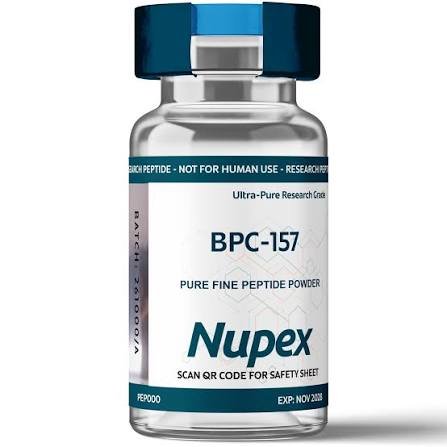
BPC-157, short for Body Protection Compound-157, is a synthetic peptide consisting of 15 amino acids. Researchers have investigated it for several biological effects, including possible influences on healing, inflammation, blood vessels, and gastrointestinal tissues.
A recent scientific review noted that despite decades of preclinical research, BPC still lacks an approved pharmaceutical formulation, validated dosing regimen, and completed Phase II clinical trial.
What Is BPC-157?
BPC-157 is a laboratory-produced peptide originally associated with a protein fragment found in gastric juice. Scientific interest has focused on its apparent biological activity in experimental models.
Researchers have investigated 157 in areas including tissue repair, gastrointestinal function, inflammation, and vascular responses. These findings have generated interest in its possible future therapeutic applications.
However, it is important to distinguish preclinical evidence from established medical treatment. Positive findings in cells or animals do not automatically demonstrate that the same effects will occur safely and effectively in humans.
What Does Research Say About Healing?
One of the most discussed areas of research is tissue healing. Animal and laboratory experiments have reported effects involving different tissues and biological pathways associated with repair.
These findings have encouraged further investigation into whether the peptide could eventually have applications in recovery-related medicine. Nevertheless, the evidence remains preliminary.
A major issue is the limited amount of controlled human research. A 2026 review reported that available clinical data came from fewer than 30 subjects across three uncontrolled pilot studies, with no standardized pharmaceutical preparations used.
That means promising experimental observations should not be interpreted as proof that BPC-157 improves healing outcomes in people.
BPC-157 and Gastrointestinal Research
Another major research area involves the gastrointestinal system. Researchers have explored BPC-157 in experimental models involving intestinal injury and inflammation.
The subject received regulatory attention in 2026 when the U.S. Food and Drug Administration reviewed direct peptide-related substances in connection with potential compounding. The FDA briefing materials stated that there was insufficient clinical safety information to properly characterize the safety profile.
The FDA also noted that it had not identified human studies administering direct peptides through several proposed routes, including oral, subcutaneous, nasal, or transdermal administration.
This highlights an important distinction between experimental research and established treatment.
Human Evidence Remains Limited
When researching BPC 157 UK, one of the most important considerations is the quality of available human evidence.
Animal research can help scientists understand biological mechanisms and identify areas worth studying. However, human clinical trials are needed to establish whether a substance is effective, what dose is appropriate, how it behaves in the body, and what short- and long-term risks may exist.
According to the recent scientific review, direct peptides has not yet progressed through the type of clinical development normally required to establish an evidence-based therapeutic product. Its pharmacokinetic characteristics also remain insufficiently understood.
Therefore, claims about guaranteed recovery, injury treatment, anti-inflammatory effects, or disease management should be approached cautiously.
Safety Questions Still Need Answers
Safety is another important part of the research discussion. The FDA has identified concerns involving limited safety information, peptide characterization, impurities, aggregation, and potential immunogenicity associated with compounded BPC products.
The FDA has also reported adverse events in its reporting database, including injection-site reactions and other reported symptoms, while emphasizing that it is unclear whether those events were directly caused by 157.
This uncertainty does not prove that BPC is unsafe. Instead, it demonstrates why additional properly designed human research is necessary before firm conclusions can be made.
Understanding the Difference Between Research and Treatment
People researching BPC 157 UK may encounter websites describing the peptide using terms such as regenerative, healing, recovery, or therapeutic. These descriptions should be evaluated against the strength of the underlying evidence.
A laboratory observation is not the same as a successful clinical trial. Likewise, anecdotal reports from individuals cannot replace randomized controlled research.
For an experimental peptide to become an established medicine, researchers generally need evidence covering effectiveness, dosing, pharmacokinetics, manufacturing quality, interactions, adverse effects, and longer-term safety.
BPC-157 currently has significant gaps in several of these areas.
Regulatory Considerations
Regulatory status is particularly important when researching peptides. The FDA states that compounded drugs are not FDA-approved and are not reviewed before marketing for safety, effectiveness, or quality in the same way as approved medicines.
The FDA’s 2026 review specifically identified as having limited safety information and concerns relating to characterization and potential immunogenicity.
People researching peptide products should therefore distinguish between products marketed for research purposes, compounded preparations, supplements, and medicines that have undergone formal regulatory approval. These categories are not interchangeable.
What Could Future Research Tell Us?
Future clinical studies could provide much clearer answers. Researchers need well-designed trials involving appropriate participant numbers, standardized formulations, carefully measured outcomes, and adequate follow-up periods.
Such studies could help determine whether effects observed in experimental models translate into meaningful benefits for humans. They could also clarify appropriate administration methods, pharmacokinetics, potential interactions, and adverse effects.
Until that evidence becomes available, conclusions about 157 should remain appropriately cautious.
Choosing Reliable Information
When researching BPC 157 UK, it is useful to prioritize peer-reviewed scientific publications, clinical-trial records, and information from recognized regulatory organizations. Marketing claims should not be treated as equivalent to clinical evidence.
A useful research approach is to ask several questions: Was the study conducted in humans? How many participants were included? Was there a control group? Was the preparation standardized? Were the results statistically meaningful? Was the research independently reviewed?
These questions can help separate genuine scientific evidence from claims based primarily on laboratory experiments or personal experiences.
About Adonis Elite Peptides
Adonis Elite Peptides is a brand associated with peptide-focused products and information. Anyone researching peptide products should independently examine product information, intended use, quality documentation, and applicable regulatory considerations.
Because BPC remains an experimental substance with limited human evidence, consumers should avoid assuming that availability or marketing descriptions establish proven medical effectiveness.
Conclusion
Current research on BPC-157 provides interesting scientific findings, particularly from laboratory and animal studies involving tissue repair and gastrointestinal processes. However, the human evidence remains limited, and important questions concerning effectiveness, dosing, pharmacokinetics, formulation, and long-term safety remain unresolved.
For anyone researching BPC 157 UK, the key takeaway is that scientific interest should not be confused with established medical evidence. Continued, well-controlled human research will be necessary to determine whether the promising findings seen in preclinical studies can translate into safe and clinically meaningful applications.
Author

hyderghumro3@gmail.com
Related Posts

ADHD and Skin Picking — How Attention, Boredom, and Impulsivity May Shape the Habit
- 0
- 646 words
Skin picking sometimes begins so automatically that a person notices it only after several minutes have passed. A hand may move toward...
Read out all