
- 0
- 2,947 words
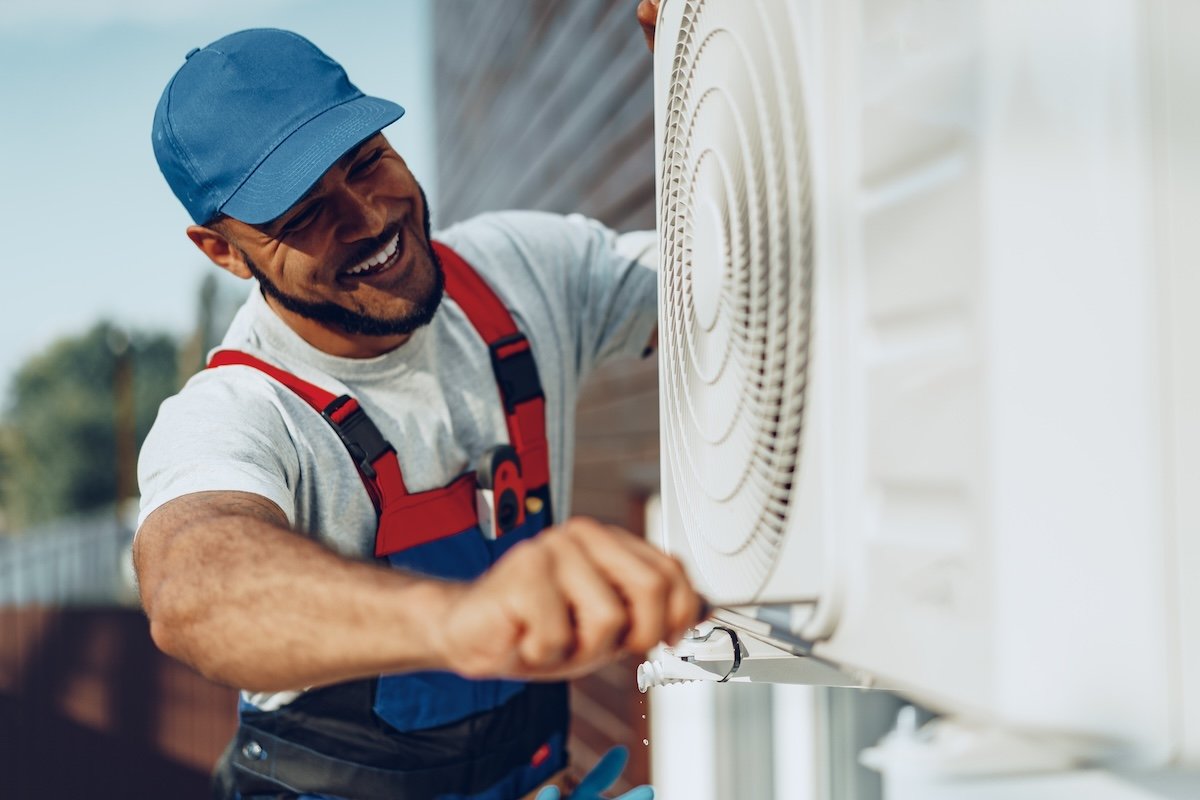
An air conditioning system plays an essential role in maintaining indoor comfort, especially during periods of high temperatures and humidity. Whether installed in a residential home, office, retail space, or commercial building, an AC unit must operate efficiently to provide consistent cooling and maintain comfortable indoor conditions. However, regular usage, dust accumulation, clogged filters, refrigerant-related problems, and general equipment wear can gradually affect its performance. Without proper maintenance, even a relatively new air conditioning system may consume more energy, struggle to maintain the desired temperature, or develop unexpected mechanical problems. Scheduling a professional AC tune-up is an effective way to maintain equipment performance, identify potential issues, and extend the useful life of an air conditioning system.
Many property owners wait until their air conditioners stop working before contacting a technician. Unfortunately, this approach can result in unnecessary discomfort, expensive emergency repairs, and avoidable equipment damage. Preventive maintenance focuses on identifying minor problems before they develop into serious failures. A comprehensive maintenance visit typically includes inspecting important components, cleaning essential parts, evaluating airflow, checking electrical connections, and confirming that the system operates according to manufacturer recommendations. Understanding the importance of regular servicing, recognizing common warning signs, and learning what professional maintenance involves can help property owners make better decisions about their cooling systems.
Understanding the Importance of Regular AC Maintenance
Air conditioning systems contain several interconnected components that must work together to provide effective cooling. These include the compressor, condenser coil, evaporator coil, blower motor, refrigerant lines, thermostat, electrical connections, and air filters. When one component becomes dirty, damaged, or improperly adjusted, it can affect the performance of the entire system.
Regular maintenance helps keep these components in suitable working condition. Dust and debris can accumulate on coils and filters, restricting airflow and reducing heat transfer. Electrical connections may loosen over time, while moving components can experience normal mechanical wear. A professional inspection helps identify these conditions and determine whether cleaning, adjustment, or repair is necessary.
Another important benefit of routine servicing is improved energy efficiency. An air conditioner that operates with restricted airflow or dirty coils may need to work harder to achieve the desired indoor temperature. This can increase electricity consumption and place additional strain on important components. Keeping the system clean and properly maintained helps support more efficient operation.
Preventive maintenance also contributes to better equipment reliability. Identifying unusual noises, drainage problems, and performance changes early can help prevent unexpected breakdowns during periods when cooling is most important.
What Is Included in a Professional AC Tune-Up?
A professional maintenance visit involves examining the air conditioning system and evaluating whether its components are operating correctly. Although the exact service varies according to the equipment type, age, and manufacturer recommendations, a comprehensive inspection generally includes several important tasks.
Technicians begin by examining the overall condition of the indoor and outdoor units. They look for visible damage, unusual operating conditions, blocked airflow, water leakage, and signs of excessive dirt accumulation. The thermostat is also checked to ensure that it responds properly and communicates with the cooling equipment.
Air filters receive particular attention because they directly affect airflow and indoor air quality. Depending on the filter type, technicians may clean or replace it when necessary. They may also inspect the evaporator and condenser coils to determine whether accumulated dirt is affecting heat transfer.
Electrical connections, capacitors, contactors, motors, and other relevant components are evaluated according to the system design. Drainage arrangements are checked to identify blockages that could cause water leakage or moisture-related damage.
The technician may also assess refrigerant-related performance using appropriate procedures. Any refrigerant concerns should be diagnosed by a qualified professional rather than addressed through unnecessary or routine refrigerant additions.
Once the inspection is complete, the technician can explain the system’s condition, identify recommended repairs, and provide practical maintenance suggestions.
Cleaning and Replacing Air Filters for Better Performance
Air filters are among the most important components of an air conditioning system because they capture dust, airborne particles, and other contaminants before they enter the equipment. Over time, these particles accumulate and restrict airflow, making it more difficult for the system to circulate air effectively.
A dirty filter can contribute to reduced cooling performance, increased energy consumption, and unnecessary strain on the blower motor. In certain situations, severe airflow restrictions can also contribute to evaporator coil freezing.
Filter maintenance requirements depend on the filter design, household conditions, pets, indoor air quality, and system usage. Some filters are washable, while others are designed for replacement after a specific period. Property owners should follow manufacturer recommendations rather than assuming that every filter has the same service interval.
During routine maintenance, technicians can inspect the filter and recommend a suitable replacement when necessary. Choosing a filter with an appropriate filtration rating is important because an excessively restrictive filter may reduce airflow if the system was not designed to accommodate it.
Regular filter maintenance is a simple but effective way to support cooling performance and improve the cleanliness of indoor air.
Inspecting and Cleaning Evaporator and Condenser Coils
The evaporator and condenser coils are essential components of an air conditioning system because they transfer heat during the cooling process. When these coils become covered with dust, dirt, or other debris, their ability to transfer heat can decrease.
The evaporator coil is generally located inside the indoor unit or air handler. It absorbs heat from the indoor air as refrigerant circulates through it. Accumulated dirt can interfere with this process and contribute to reduced cooling capacity.
The condenser coil is located in the outdoor unit. It releases heat from the refrigerant into the surrounding environment. Because the outdoor unit is exposed to weather, dust, leaves, and other environmental debris, its coil may require periodic cleaning.Professional cleaning helps restore appropriate heat transfer and supports efficient system operation. However, cleaning products and methods must be suitable for the coil material and equipment design. Incorrect cleaning techniques can damage delicate fins or other components.
Technicians should also examine the surrounding area to ensure that the outdoor unit has adequate clearance for airflow. Plants, stored materials, and accumulated debris should not obstruct the equipment.
Checking Refrigerant Levels and Cooling Performance
Refrigerant is the substance that transfers heat through an air conditioning system. It circulates between the evaporator and condenser coils, absorbing indoor heat and releasing it outside. The correct refrigerant charge is important for maintaining the system’s intended performance.
However, refrigerant does not normally get consumed during ordinary operation. If a system has insufficient refrigerant, it may indicate a leak or another underlying problem that requires professional diagnosis. Simply adding more refrigerant without identifying the cause does not provide a reliable long-term solution.
During maintenance, technicians may evaluate cooling performance, operating pressures, temperatures, and other relevant system measurements. These checks help determine whether the refrigerant circuit is operating within the manufacturer’s specified conditions.
Low refrigerant levels may contribute to inadequate cooling, longer operating cycles, and evaporator coil freezing. Excessive refrigerant can also affect system performance and place additional stress on equipment.Because refrigerant handling involves specialized equipment and environmental regulations, diagnosis and servicing should be performed by appropriately qualified technicians. Property owners should avoid attempting to open refrigerant lines or make adjustments themselves.
Inspecting Electrical Connections and Mechanical Components
Electrical and mechanical components play a major role in the reliable operation of an air conditioning system. Over time, vibration, repeated operating cycles, and normal wear can affect connections and moving parts.
During a professional tune-up, technicians inspect relevant electrical connections, capacitors, contactors, relays, and motor components. They may look for loose connections, visible deterioration, overheating, or other conditions that could interfere with normal operation.
The blower motor is another important component because it moves conditioned air through the building. Problems with the motor or blower assembly can reduce airflow and create unusual operating noises.The compressor also requires attention because it is responsible for circulating refrigerant through the system. Although routine maintenance does not involve unnecessary adjustments to the compressor, technicians can evaluate its operation and identify warning signs that may require further diagnosis.
Electrical inspections should always be performed with appropriate safety precautions. Air conditioning equipment contains electrical components that can create serious hazards when handled incorrectly. Professional servicing helps reduce the risks associated with maintenance and repair work.
Understanding the Role of the Thermostat in AC Performance
The thermostat controls when an air conditioning system starts and stops according to the desired indoor temperature. Although it is a relatively small component, its performance can significantly influence comfort and energy consumption.
A thermostat that is incorrectly positioned, poorly calibrated, or experiencing communication problems may cause inconsistent cooling. For example, a thermostat exposed to direct sunlight or located near a heat-producing appliance may provide inaccurate temperature readings.
During a maintenance visit, technicians can check the thermostat’s settings, responsiveness, and connection with the cooling equipment. They may also explain how to use scheduling features and temperature settings effectively.
Programmable and smart thermostats offer additional convenience by allowing users to adjust cooling schedules according to their daily routines. Some models provide remote access, energy-use information, and automated temperature adjustments.
However, thermostat upgrades should be compatible with the existing air conditioning equipment. A professional can help determine whether a particular model supports the system’s functions and control requirements.
Common Signs That Your Air Conditioner Needs a Tune-Up
Air conditioning systems often provide warning signs when their performance begins to decline. Recognizing these changes can help property owners arrange maintenance before minor problems become more expensive.
One common sign is reduced cooling performance. If the air conditioner takes longer than usual to cool a room or struggles to maintain the selected temperature, there may be an issue involving airflow, dirty coils, thermostat settings, or other system components.
Unusual sounds should also receive attention. Rattling, buzzing, grinding, and squealing noises may indicate loose parts, motor problems, or mechanical wear. Although some operating sounds are normal, sudden or persistent changes should be investigated.
Unexpected increases in electricity consumption may also suggest that the equipment is operating inefficiently. However, outdoor temperatures, usage patterns, electricity rates, and building insulation can influence energy costs as well.
Water leakage around the indoor unit may indicate a blocked condensate drain, damaged drainage components, or another moisture-related issue. Persistent unpleasant odors can also indicate dirty components, drainage problems, or microbial growth that requires proper assessment.
Frequent cycling, weak airflow, and excessive indoor humidity are additional reasons to arrange a professional inspection.
How Often Should an Air Conditioning System Receive Maintenance?
The appropriate maintenance schedule depends on the equipment type, manufacturer recommendations, operating conditions, and environmental exposure. Many residential air conditioning systems benefit from professional servicing at least once a year, while systems used heavily or installed in dusty environments may require more frequent attention.
A common approach is to arrange a comprehensive inspection before the main cooling season. This allows technicians to identify problems before the equipment is required to operate for extended periods.
Commercial air conditioning systems may require more frequent maintenance because they often operate for longer hours and serve larger spaces. Offices, restaurants, retail facilities, and industrial buildings may benefit from planned maintenance schedules based on equipment usage and operational requirements.
Property owners should also perform simple maintenance tasks between professional visits. Checking filters, keeping outdoor units clear, and paying attention to unusual noises or changes in performance can help identify developing problems.
Keeping records of previous maintenance, repairs, filter replacements, and equipment inspections makes it easier to monitor system condition and plan future servicing.
The Benefits of Hiring a Professional AC Technician
Although some basic maintenance tasks can be performed by property owners, a comprehensive air conditioning inspection requires technical knowledge and appropriate equipment. Professional technicians understand how different system designs operate and how individual components affect overall cooling performance.
One major benefit is accurate problem identification. Rather than replacing parts based on assumptions, experienced technicians can evaluate system measurements and investigate the underlying cause of performance issues.
Professional maintenance also helps protect important equipment components. Identifying electrical problems, drainage blockages, restricted airflow, and coil contamination early can reduce the likelihood of more serious mechanical failures.
Safety is another important consideration. Air conditioning systems contain electrical connections, moving components, pressurized refrigerant circuits, and condensate drainage arrangements. Certain maintenance and repair tasks require specialized training and protective equipment.
Technicians can also provide useful recommendations regarding filter selection, thermostat operation, equipment care, and future maintenance requirements. This guidance helps property owners understand how to maintain their systems between professional service appointments.
Improving Energy Efficiency Through Regular AC Maintenance
Energy efficiency is one of the main reasons property owners invest in preventive air conditioning maintenance. Cooling systems can consume considerable electricity, particularly when they operate for extended periods during hot weather. Even relatively small maintenance problems can affect their ability to deliver the required cooling efficiently.
Clean filters support proper airflow, while clean coils help maintain effective heat transfer. Appropriate refrigerant performance, correct thermostat operation, and properly maintained electrical components also contribute to reliable operation.
Building conditions play an important role as well. Poor insulation, air leaks, uncovered windows, and excessive heat entering through roofs and walls can increase cooling demand. Addressing these issues can reduce the workload placed on the air conditioning system.
Using reasonable thermostat settings and avoiding unnecessary temperature adjustments can also support efficient operation. Ceiling fans may improve perceived comfort by circulating indoor air, although they should be switched off in unoccupied rooms when not needed.
Combining equipment maintenance with practical improvements to the building can help create a more comfortable indoor environment while reducing unnecessary energy consumption.
AC Tune-Up Requirements for Residential and Commercial Properties
Residential and commercial air conditioning systems share many maintenance requirements, but their operating conditions can differ considerably. Residential systems generally serve smaller spaces and may operate according to household schedules. Their maintenance often focuses on filters, coils, drainage, thermostat performance, and general equipment condition.
Commercial systems may include multiple air handlers, larger outdoor units, complex ductwork, zoning controls, and specialized ventilation equipment. These installations require more detailed maintenance planning because problems can affect multiple rooms or business operations.
Restaurants and food service facilities may experience additional grease and airborne particle accumulation, while offices may have varying occupancy levels that affect cooling demand. Retail spaces and warehouses can also have different airflow and temperature requirements.
A suitable maintenance plan should consider the building’s size, equipment design, operating hours, occupancy, and environmental conditions. Keeping detailed service records helps facility managers monitor performance and organize inspections without unnecessary interruptions to business activities.
Understanding AC Tune-Up Costs and Budget Planning
The cost of an air conditioning maintenance visit depends on several factors, including system type, equipment size, accessibility, service requirements, and the overall condition of the unit. A basic inspection and cleaning service may involve fewer expenses than a comprehensive maintenance appointment that includes specialized testing and additional cleaning.
The number of indoor and outdoor units can also influence the total cost. Properties with multiple air conditioning systems may require more labor and time than buildings with a single unit.
If technicians discover damaged components, refrigerant leaks, electrical problems, or drainage issues, additional repair charges may apply. Property owners should request an explanation of recommended repairs before approving extra work.
Comparing written service estimates can help identify the services included in each maintenance package. It is important to understand whether filter replacement, coil cleaning, electrical inspection, drainage cleaning, and performance testing are included or charged separately.
Regular maintenance may help prevent expensive repairs by identifying developing problems early. Although it cannot eliminate every possibility of equipment failure, it is generally a practical way to protect a valuable heating and cooling investment.
How to Choose the Right AC Maintenance Company
Selecting a reliable service provider is essential for maintaining an air conditioning system properly. Property owners should consider a company’s experience, technician qualifications, customer reviews, service procedures, and familiarity with the specific equipment installed in the building.
A professional service provider should explain what its maintenance appointment includes rather than offering vague promises about improving cooling performance. Property owners should ask whether the technician will inspect electrical components, evaluate airflow, check drainage, examine coils, and assess general system operation.
It is also important to verify that the company has appropriate insurance and relevant qualifications for the work being performed. Refrigerant handling, electrical servicing, and specialized equipment repairs should be completed by appropriately trained professionals.
Transparent pricing and clear communication are additional signs of a dependable service provider. A reputable company should explain any identified problems, provide reasonable repair recommendations, and obtain approval before performing additional work.
Property owners should also ask about maintenance agreements and service reminders if they prefer a planned approach to equipment care. A consistent relationship with a qualified technician can make long-term maintenance easier to organize.
Conclusion
Regular air conditioning maintenance is essential for maintaining comfortable indoor temperatures, improving equipment reliability, and supporting energy efficiency. Over time, dust accumulation, restricted airflow, electrical wear, drainage problems, and other operating conditions can affect cooling performance. Addressing these concerns through preventive servicing helps identify potential issues before they develop into expensive equipment failures.
A professional ac tune-up provides an opportunity to inspect important components, clean essential parts, evaluate system performance, and identify recommended repairs. By combining professional servicing with regular filter maintenance, suitable thermostat settings, and proper outdoor unit care, property owners can support the long-term performance of their cooling systems.
Choosing an experienced technician and following a consistent maintenance schedule can make a significant difference in equipment reliability and indoor comfort. Rather than waiting for an unexpected breakdown, taking a proactive approach to air conditioning care helps protect the investment, manage operating costs, and maintain a comfortable environment throughout the cooling season.
Author

thedailygurdian@gmail.com
Related Posts

Commercial Roof Replacement: A Protecting Your Property and Improving Building Performance
- 0
- 3,701 words
Introduction Maintaining a commercial property requires regular attention to structural conditions, building materials, and essential maintenance systems. Among these responsibilities, the roof...
Read out all
Trenchless Sewer Line Repair: A Modern Solution for Efficient and Long-Lasting Pipe Restoration
- 0
- 3,280 words
Maintaining a properly functioning sewer system is essential for residential, commercial, and industrial properties. Sewer lines transport wastewater away from buildings and...
Read out all
Franchise Resale: A Complete Guide to Buying, Selling, and Maximizing the Value of an Established Franchise Business
- 0
- 3,381 words
Introduction Starting a business from the ground up can be an exciting opportunity, but it also involves considerable planning, financial investment, uncertainty,...
Read out all
Stone Veneer: Enhance Your Property with Elegant, Durable, and Versatile Wall Finishes
- 0
- 3,540 words
Introduction Creating an attractive and welcoming property involves choosing materials that combine visual appeal, durability, and long-term functionality. Exterior and interior walls...
Read out all
Driveway Gate Installation: Enhancing Property Security, Privacy, and Curb Appeal
- 0
- 2,934 words
A driveway gate is an important addition to any residential or commercial property because it provides controlled access, improves security, and creates...
Read out all
Drain Cleaning: Essential Solutions for Maintaining a Clean and Efficient Plumbing System
- 0
- 3,313 words
Introduction A properly functioning drainage system is essential for maintaining a clean, comfortable, and hygienic property. Whether in a residential home, commercial...
Read out all