
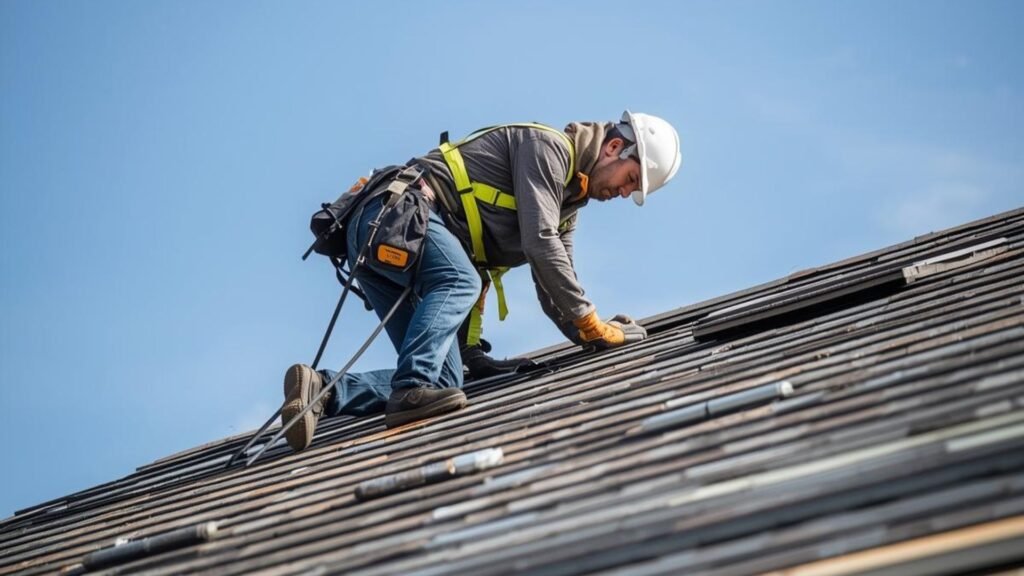
- 0
- 2,420 words
Introduction
A roof is one of the most important structural components of any residential or commercial property because it protects the building from rain, wind, sunlight, moisture, and changing weather conditions. Over time, roofing materials can deteriorate due to age, repeated exposure to the elements, poor installation, or insufficient maintenance. When damage becomes extensive, property owners may experience persistent leaks, rising repair costs, damaged insulation, and problems affecting interior walls and ceilings. Understanding the condition of a roof and recognizing when major improvements are necessary can help prevent expensive structural issues and protect the long-term value of a property. Planning a roof replacement is an important decision that requires careful consideration of materials, installation methods, budget, and the overall condition of the existing roofing system. Replacing an aging roof provides an opportunity to improve durability, address hidden damage, enhance ventilation, and select materials that better match the property’s needs. A successful project involves more than removing old shingles or panels because the underlying structure, flashing, drainage, and insulation must also be evaluated. With proper preparation and professional workmanship, property owners can enjoy improved protection, better performance, and greater confidence in the condition of their buildings.
Understanding When a Roof Needs Replacement
Every roofing system has an expected service life, but its actual lifespan depends on the materials used, installation quality, maintenance practices, and environmental exposure. Asphalt shingles may deteriorate differently from metal panels, clay tiles, slate, or other roofing products. Signs of aging can include cracked or missing shingles, rusted metal components, deteriorated flashing, recurring leaks, and visible damage around roof edges. Although individual defects do not always mean the entire roof must be replaced, widespread deterioration may indicate that repairs alone will no longer provide a reliable long-term solution. Interior warning signs should also be taken seriously because roofing damage is not always obvious from the ground. Water stains on ceilings, peeling paint, damp insulation, and persistent musty odors may indicate moisture entering through the roof assembly. In some cases, the water can travel along structural components before becoming visible indoors, making the source difficult to identify without a proper inspection. Property owners should arrange a professional assessment when these warning signs appear so the extent of the damage can be determined before further deterioration occurs.
Common Reasons for Replacing an Aging Roof
Age is one of the most common reasons a roofing system eventually requires replacement, particularly when materials have reached the end of their expected service life. Years of exposure to sunlight, rain, temperature changes, and wind can weaken protective surfaces and reduce the ability of roofing components to resist moisture. Even when a roof appears reasonably attractive from a distance, underlying materials may have deteriorated enough to affect its performance. Regular inspections help identify these conditions and provide useful information about whether repairs remain practical. Severe weather, poor workmanship, and neglected maintenance can also shorten the useful life of a roof. Strong winds may loosen shingles or panels, while falling branches can damage the surface and underlying structure. Inadequate ventilation may contribute to moisture accumulation under certain conditions, and poorly installed flashing can allow water to enter around chimneys, vents, and roof intersections. When problems affect large areas or repeatedly return after repairs, replacing the system may offer a more dependable solution than continuing to address separate defects.
Benefits of Installing a New Roofing System
A new roofing system can provide improved protection against moisture and environmental exposure when suitable materials are installed correctly. Replacing worn components allows property owners to address damaged decking, deteriorated underlayment, defective flashing, and other issues that may have developed over time. A properly completed project can reduce the risk of recurring leaks and help protect insulation, ceilings, walls, and other parts of the building. It also creates an opportunity to review the roof’s overall design and correct weaknesses that may have contributed to earlier problems. Another important advantage of roof replacement is the opportunity to improve the building’s appearance and maintenance outlook. Modern roofing products are available in a wide range of colors, textures, and styles, allowing homeowners to coordinate the roof with the property’s architecture. Depending on the materials selected and the condition of the existing structure, a new installation may also support improved energy performance and more predictable maintenance requirements. These benefits are most likely when the project is carefully planned and the new system is appropriate for the building.
Choosing Suitable Roofing Materials
Selecting the right roofing material is essential because different products offer different levels of durability, appearance, weight, and maintenance requirements. Asphalt shingles remain a common option for residential properties because they are available in many styles and can provide a practical balance between cost and performance. Metal roofing may appeal to property owners who value durability and relatively low maintenance, while clay or concrete tiles can provide a distinctive appearance when the building structure can support their weight. Slate is another option for certain projects, although its cost and installation requirements may be higher. Material selection should take account of the building’s structural capacity, roof slope, weather exposure, maintenance preferences, and available budget. Some products require specialized underlayment, fasteners, flashing details, or installation techniques to perform as intended. Homeowners should also review the manufacturer’s warranty, expected service life, and requirements for maintaining warranty coverage. Comparing these factors before construction begins helps ensure that the chosen roofing system meets both practical needs and long-term expectations.
Preparing for the Roofing Project
Proper preparation can make a roofing project more organized and help reduce unnecessary delays. Before work begins, property owners should arrange an inspection to evaluate the existing roofing materials, roof deck, flashing, drainage components, and ventilation. The assessment should identify visible defects and determine whether additional investigation is needed to uncover hidden damage. A clear understanding of the roof’s condition makes it easier to develop an appropriate work plan and estimate the materials and labor required. Homeowners should also prepare the surrounding property for construction activities. Outdoor furniture, fragile decorations, and movable items near the building may need to be relocated or protected from falling debris. Vehicles should be moved away from designated work areas, and household members should understand any temporary access restrictions. Discussing the expected schedule, noise levels, cleanup arrangements, and disposal of old materials with the contractor can help prevent misunderstandings. Thorough preparation supports a safer, more efficient process from the initial inspection through the final cleanup.
The Importance of Professional Installation
Professional installation is essential because a roofing system depends on the correct interaction of multiple components. Shingles, panels, underlayment, flashing, fasteners, and drainage elements must be installed according to the product specifications and the building’s requirements. Mistakes around valleys, chimneys, skylights, vents, and roof edges can create pathways for water intrusion even when the main roofing surface appears correctly installed. Skilled workmanship helps reduce these risks and supports the intended performance of the complete system. An experienced roofing contractor can also identify issues that may not be apparent to an untrained observer. During removal of the old materials, damaged decking, deteriorated wood, or signs of prolonged moisture exposure may become visible. These problems should be assessed and addressed before the new roofing materials are installed. A professional team can explain the additional work required, document unexpected findings, and ensure that the finished installation follows an appropriate sequence. This attention to detail helps protect the investment and reduce the likelihood of avoidable future repairs.
Improving Ventilation and Insulation
Ventilation and insulation are important considerations during a major roofing project because they influence indoor comfort and the condition of the roof assembly. Poor ventilation can contribute to heat buildup and moisture problems under certain circumstances, while inadequate insulation can allow excessive heat transfer between indoor spaces and the outdoors. The appropriate solution depends on the building design, existing insulation, climate, and applicable construction standards. Evaluating these elements before completing the roof helps property owners identify opportunities to improve overall performance. A properly designed ventilation system generally balances suitable intake and exhaust openings to encourage effective airflow through the intended areas. Insulation and air sealing should also be evaluated together so improvements do not unintentionally create moisture-related problems. Some roofing materials offer reflective properties that may help reduce solar heat absorption, depending on the product and installation. Homeowners should discuss these options with a qualified professional who can assess the entire roof assembly rather than recommending changes based on the surface materials alone.
Understanding Roofing Costs and Estimates
The cost of a roofing project depends on several factors, including roof size, slope, material selection, accessibility, labor requirements, and the condition of the underlying structure. Removing multiple layers of old roofing, repairing damaged decking, replacing flashing, and improving ventilation can increase the total expense. Complex roof designs with several valleys, dormers, skylights, or other intersections may also require more time and specialized workmanship. Understanding these factors helps property owners establish a realistic budget before committing to the project. A detailed written estimate should explain the materials, labor, removal of existing roofing, disposal fees, preparation work, and expected completion schedule. Property owners should ask whether the quoted amount includes replacement of damaged decking, installation of underlayment, flashing improvements, and cleanup. The estimate should also clarify how unexpected problems will be handled and whether additional work requires approval before proceeding. Comparing several detailed proposals can help homeowners assess value and workmanship instead of making a decision based only on the lowest initial price.
Understanding Warranties and Roofing Guarantees
Warranties can provide useful protection, but their terms should be reviewed carefully before a roofing agreement is signed. A manufacturer’s warranty generally covers specified defects in the roofing product, subject to its conditions and exclusions. A workmanship warranty, when offered, addresses certain installation-related problems according to the terms established by the contractor. These warranties are different, and homeowners should understand what each one covers, how long coverage lasts, and what responsibilities apply to the property owner. It is important to keep copies of contracts, invoices, product information, inspection reports, and maintenance records. Some warranties require the roofing materials to be installed according to specific instructions or maintained in a particular way. Unauthorized alterations, neglected maintenance, or certain forms of damage may affect coverage depending on the warranty terms. Property owners should request written explanations of any limitations and avoid relying solely on verbal promises. Clear documentation makes it easier to understand the available protection and respond appropriately if a covered issue develops.
Maintaining the Roof After Installation
Although a new roof can provide many years of service, regular maintenance remains important for preserving its condition. Property owners should arrange periodic inspections and monitor visible warning signs such as damaged shingles, loose metal components, deteriorated flashing, or water stains inside the building. Gutters and downspouts should be kept clear so rainwater can drain properly rather than collecting around roof edges. Any problems identified during an inspection should be evaluated promptly to prevent minor defects from developing into more extensive damage. Maintenance requirements vary depending on the roofing material and surrounding environment. Metal roofs may need periodic checks of fasteners, seams, and protective finishes, while shingle roofs may require attention to missing or damaged shingles. Nearby branches should be managed where they threaten to scrape the roof or drop large amounts of debris. Property owners should avoid walking on roofing surfaces unless they have appropriate training and safety equipment because falls and surface damage can occur. Professional maintenance helps preserve performance while reducing the likelihood of preventable repair expenses.
Common Mistakes to Avoid During Roof Replacement
One common mistake is choosing roofing materials based entirely on their appearance or initial price without evaluating durability and maintenance requirements. A less expensive product may not offer the best long-term value if it requires frequent repairs or is unsuitable for the building’s design. Another mistake is overlooking the condition of the roof deck and other underlying components. Installing new materials over damaged structural elements can leave serious problems unresolved and reduce the performance of the new system. Poor communication and incomplete contracts can also lead to misunderstandings about project costs, materials, and responsibilities. Homeowners should confirm the agreed scope of work, expected schedule, payment terms, cleanup arrangements, and procedures for approving additional expenses. It is equally important to verify that the contractor has the appropriate qualifications and insurance where required. Avoiding rushed decisions and requesting clear documentation helps property owners manage expectations and improve the likelihood of a successful installation.
How to Select a Reliable Roofing Contractor
Selecting a qualified professional is one of the most important steps in planning a successful roofing project. Property owners should review relevant experience, examples of completed work, customer feedback, and any required licensing or insurance. Asking detailed questions about the proposed installation, materials, ventilation, flashing, and cleanup can help reveal whether the contractor understands the project’s requirements. A reliable professional should explain recommendations clearly and provide a written estimate that describes the work in sufficient detail. Before signing an agreement, homeowners should review the contract carefully and make sure that all important terms are documented. The contract should identify the selected materials, project scope, payment schedule, expected timeline, and applicable warranty information. Property owners should also ask how unexpected structural damage will be documented and priced before additional work begins. Choosing a contractor who values communication, safety, and transparent pricing can make the project more manageable and provide greater confidence in the quality of the completed roof.
Conclusion
A durable roofing system is essential for protecting a building, preserving indoor comfort, and maintaining property value. Recognizing the signs of deterioration, choosing appropriate materials, evaluating ventilation, and planning the installation carefully can help property owners avoid common problems. A well-organized project should address the condition of the underlying structure as well as the visible roofing surface, ensuring that important components work together to resist moisture and environmental exposure. Careful budgeting and clear communication also help keep the work aligned with the property’s needs. When planned correctly, roof replacement can provide an opportunity to improve protection, update the property’s appearance, and address issues that may have affected the previous roofing system. Property owners should compare detailed estimates, review warranty terms, and select qualified professionals who prioritize workmanship and safety. Regular inspections and timely maintenance after installation will help preserve the roof’s condition over the long term. By combining informed decisions with professional installation and responsible care, homeowners can protect their investment and enjoy greater confidence in the durability and reliability of their roofing system.
Author

thedailygurdian@gmail.com
Related Posts
Commercial Roof Replacement: A Protecting Your Property and Improving Building Performance
- 0
- 3,701 words
Introduction Maintaining a commercial property requires regular attention to structural conditions, building materials, and essential maintenance systems. Among these responsibilities, the roof...
Read out all
Trenchless Sewer Line Repair: A Modern Solution for Efficient and Long-Lasting Pipe Restoration
- 0
- 3,280 words
Maintaining a properly functioning sewer system is essential for residential, commercial, and industrial properties. Sewer lines transport wastewater away from buildings and...
Read out all
Franchise Resale: A Complete Guide to Buying, Selling, and Maximizing the Value of an Established Franchise Business
- 0
- 3,381 words
Introduction Starting a business from the ground up can be an exciting opportunity, but it also involves considerable planning, financial investment, uncertainty,...
Read out all
Stone Veneer: Enhance Your Property with Elegant, Durable, and Versatile Wall Finishes
- 0
- 3,540 words
Introduction Creating an attractive and welcoming property involves choosing materials that combine visual appeal, durability, and long-term functionality. Exterior and interior walls...
Read out all
Driveway Gate Installation: Enhancing Property Security, Privacy, and Curb Appeal
- 0
- 2,934 words
A driveway gate is an important addition to any residential or commercial property because it provides controlled access, improves security, and creates...
Read out all
Drain Cleaning: Essential Solutions for Maintaining a Clean and Efficient Plumbing System
- 0
- 3,313 words
Introduction A properly functioning drainage system is essential for maintaining a clean, comfortable, and hygienic property. Whether in a residential home, commercial...
Read out all