
- 0
- 2,380 words
Introduction
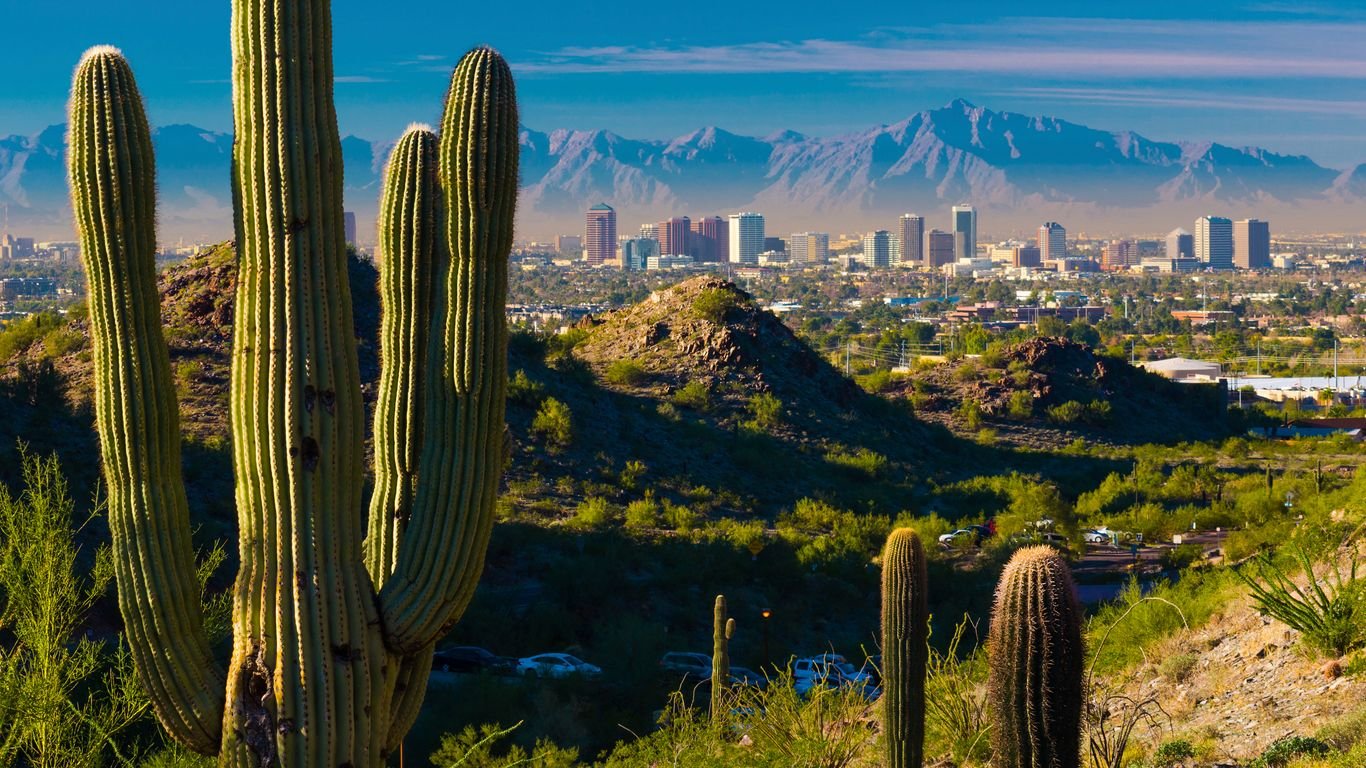
Phoenix. Arizona, is one of the most fascinating cities in the southwestern United States. Known for its warm climate, beautiful desert landscapes, modern architecture, and vibrant lifestyle, Phoenix attracts visitors, new residents, business owners, and outdoor enthusiasts from around the world. As the capital of Arizona, it plays an important role in the state’s economy, culture, education, tourism, and government.
Often called the Valley of the Sun, Phoenix offers a unique combination of natural beauty and urban development. The city is surrounded by impressive mountain ranges, desert parks, and scenic hiking trails. At the same time, it features shopping destinations, professional sports venues, restaurants, museums, entertainment centers, and growing business districts.
Whether someone is considering moving to the area, planning a vacation, exploring real estate opportunities, or simply learning about American cities, Phoenix has plenty to offer. Understanding its history, climate, attractions, economy, and lifestyle helps explain why it remains such an important destination in the United States.
The History and Development of Phoenix
phoenix. arizona has a fascinating history that dates back long before modern buildings and highways transformed the desert landscape. Indigenous communities, particularly the Hohokam people, developed sophisticated agricultural systems in the region hundreds of years ago. They constructed an extensive network of canals that allowed them to transport water from the Salt River and grow crops in an otherwise challenging desert environment.
These early irrigation systems demonstrated how people could successfully live and farm in the Sonoran Desert. Although the original Hohokam civilization eventually declined, their agricultural knowledge influenced the development of the region.
Modern Phoenix began developing during the nineteenth century. Jack Swilling, a former Confederate soldier, recognized the agricultural potential of the Salt River Valley and helped establish irrigation projects. The settlement gradually attracted farmers, workers, and entrepreneurs.
Phoenix was incorporated as a city in 1881 and became the capital of Arizona Territory in 1889. When Arizona achieved statehood in 1912, Phoenix continued serving as its capital.
During the twentieth century, the city experienced significant growth. Improvements in transportation, air conditioning, agriculture, manufacturing, and infrastructure encouraged more people to move to the region. Today, Phoenix is recognized as one of the largest cities in the United States and an important center of economic activity in the Southwest.
Location and Geography
Phoenix is located in south-central Arizona within the Sonoran Desert. Its geographical position gives it a distinctive environment characterized by desert vegetation, mountain ranges, rocky landscapes, and wide-open skies.
The city is part of the larger Phoenix metropolitan area, commonly known as the Valley of the Sun. This metropolitan region includes several neighboring communities, such as Scottsdale, Tempe, Mesa, Glendale, Chandler, and Gilbert.
The surrounding landscape is one of Phoenix’s most attractive features. Mountains and desert preserves provide opportunities for hiking, photography, cycling, and outdoor recreation.
Some notable natural landmarks include Camelback Mountain, South Mountain Park, Piestewa Peak, and Papago Park. These locations allow residents and visitors to experience the desert environment without traveling far from the city’s urban center.
Phoenix also benefits from its location near major transportation routes. Interstate highways connect it with other Arizona communities and neighboring states, making regional travel relatively convenient.
Weather and Climate in Phoenix
One of the most recognizable characteristics of Phoenix. Arizona, is its hot desert climate. The city receives abundant sunshine throughout the year and experiences relatively low annual rainfall compared with many other American metropolitan areas.
Summers are extremely hot. Temperatures frequently exceed 100 degrees Fahrenheit, particularly during June, July, and August. Heat safety is an important consideration for residents and visitors during these months.
People generally plan outdoor activities for early mornings or evenings when temperatures are more manageable. Staying hydrated, wearing lightweight clothing, using sunscreen, and avoiding prolonged exposure to direct sunlight are essential precautions.
Winters are considerably milder and are among the most attractive seasons in Phoenix. Daytime temperatures are often comfortable, making winter an excellent time for outdoor activities, sightseeing, golf, and exploring nearby desert parks.
Spring and fall also provide pleasant weather. These seasons attract visitors who want to experience the city’s outdoor attractions without dealing with extreme summer temperatures.
The climate is one reason Phoenix has developed a strong tourism industry. However, its intense summer heat also creates challenges involving electricity consumption, water management, public health, and urban planning.
Top Attractions and Places to Visit in Phoenix
Phoenix offers numerous attractions for visitors with different interests. From outdoor adventures to cultural experiences, the city provides opportunities to explore Arizona’s natural and urban environments.
1. Desert Botanical Garden
The Desert Botanical Garden is one of Phoenix’s most recognizable attractions. It showcases the remarkable plant life of desert environments, including different types of cacti, succulents, wildflowers, and desert trees.
Visitors can explore walking trails while learning about how plants adapt to limited rainfall and extreme temperatures. The garden is particularly appealing to nature enthusiasts, photographers, families, and people interested in desert ecology.
Seasonal displays and special events also make it an interesting destination throughout the year.
2. Camelback Mountain
Camelback Mountain is a famous natural landmark located near Phoenix and Scottsdale. Its distinctive shape resembles a resting camel, giving the mountain its memorable name.
The area is especially popular with hikers who want challenging trails and impressive views of the surrounding metropolitan landscape.
Two well-known hiking routes are Echo Canyon and Cholla Trail. Both require preparation because of steep sections, rocky terrain, and exposure to the sun.
Visitors should check trail conditions, carry enough water, and avoid hiking during extreme summer heat.
3. South Mountain Park and Preserve
South Mountain Park and Preserve is one of the largest municipal parks in the United States. It offers a vast natural environment with hiking trails, scenic viewpoints, and opportunities for mountain biking and horseback riding.
The park provides beautiful views of Phoenix and the surrounding desert landscape. Dobbins Lookout is a particularly popular destination for visitors interested in panoramic scenery.
Sunrise and sunset are excellent times to experience the area’s natural beauty.
4. Heard Museum
The Heard Museum is an important cultural institution dedicated to Indigenous art and history, particularly the cultures of American Indian communities in the Southwest.
Its exhibitions feature traditional and contemporary artwork, historical objects, textiles, jewelry, pottery, and educational displays.
The museum provides visitors with a deeper understanding of Indigenous cultures, artistic traditions, and historical experiences.
5. Phoenix Zoo
The Phoenix Zoo is a popular attraction for families and wildlife enthusiasts. It features animals from different parts of the world and provides educational opportunities focused on wildlife conservation.
Visitors can explore different habitats, observe animal behavior, and participate in family-friendly activities.
Because of the desert climate, visiting earlier in the day is often a practical choice, especially during warmer months.
The Economy and Business Opportunities
Phoenix has developed into an important economic center in the southwestern United States. Its economy includes technology, healthcare, education, construction, manufacturing, finance, tourism, transportation, and professional services.
The city’s growing population has contributed to demand for housing, retail businesses, healthcare facilities, educational institutions, and infrastructure.
Technology and advanced manufacturing have become particularly important parts of the regional economy. Companies operating in semiconductor manufacturing, electronics, aerospace, and other technology-related industries have contributed to Arizona’s economic development.
Phoenix is also home to numerous small businesses and entrepreneurs. Restaurants, service providers, real estate companies, retail stores, and technology startups contribute to the local business environment.
The healthcare industry is another major employment sector. Hospitals, medical centers, research organizations, and specialized healthcare providers serve residents across the metropolitan region.
For entrepreneurs, Phoenix offers access to a large regional market and connections to other major cities in the western United States. However, business owners must also consider operating expenses, competition, labor availability, and local regulations before making investment decisions.
Education and Universities
Education plays an important role in the development of Phoenix and its surrounding communities. The metropolitan area includes public schools, private institutions, community colleges, technical programs, and universities.
Arizona State University is one of the region’s most prominent educational institutions. Its main campus is located in Tempe, while additional campuses and facilities serve different parts of the metropolitan area.
Grand Canyon University is another major institution with a campus in Phoenix. It offers academic programs across several disciplines and attracts students from different locations.
Community colleges also provide important educational opportunities. They offer career training, technical education, associate degrees, and pathways to four-year universities.
The availability of educational institutions supports the local workforce and contributes to the region’s technology, healthcare, business, and research industries.
Living in Phoenix. Arizona
Living in Phoenix offers several advantages, although the experience depends on personal preferences, employment opportunities, financial circumstances, and lifestyle choices.
One major advantage is the city’s outdoor lifestyle. Residents can enjoy hiking, cycling, golf, camping, and other recreational activities throughout much of the year.
The metropolitan area also provides shopping centers, restaurants, entertainment venues, sports facilities, and cultural attractions. Different neighborhoods offer different residential experiences, from downtown apartments to suburban communities.
Housing options include single-family homes, townhouses, condominiums, and apartment complexes. However, housing costs can vary considerably depending on the neighborhood, property size, location, and market conditions.
Transportation is another important consideration. Phoenix is a large metropolitan area, and many residents rely on personal vehicles for everyday travel. The Valley Metro system provides bus and light rail services, offering additional transportation choices in selected areas.
Potential residents should also understand the challenges of desert living. Summer temperatures can be dangerous, electricity bills may increase because of air conditioning, and water conservation is an important regional concern.
Despite these challenges, Phoenix continues to attract people seeking employment opportunities, sunshine, recreational activities, and a metropolitan lifestyle.
Food and Dining Culture
Phoenix has a diverse food scene influenced by Mexican, Southwestern, American, and international culinary traditions.
Mexican food is particularly popular throughout the region. Visitors can find tacos, burritos, enchiladas, tamales, and many other traditional dishes.
Sonoran-style Mexican cuisine is especially associated with southern Arizona. It often features flour tortillas, grilled meats, beans, fresh ingredients, and distinctive regional flavors.
The city also offers steakhouses, barbecue restaurants, Asian restaurants, Mediterranean cuisine, vegetarian dining options, and modern American establishments.
Local farmers’ markets and independent food businesses contribute to the region’s culinary identity. These markets allow residents to discover fresh produce, baked goods, specialty foods, and locally produced items.
For visitors, exploring different restaurants is an enjoyable way to experience Phoenix’s cultural diversity.
Sports and Entertainment
Sports are an important part of life in Phoenix. The city and surrounding metropolitan region host professional sports teams and major sporting events.
The Arizona Diamondbacks represent the region in Major League Baseball. Their home games take place at Chase Field in downtown Phoenix.
The Phoenix Suns compete in the National Basketball Association and have a strong connection with local basketball fans.
The Arizona Cardinals represent the region in the National Football League and play at State Farm Stadium in Glendale.
The Phoenix Mercury compete in the Women’s National Basketball Association, providing another major professional sports attraction.
Beyond professional sports, Phoenix hosts concerts, festivals, cultural events, exhibitions, and entertainment activities throughout the year.
Golf is also particularly popular because the region has numerous courses and generally favorable winter weather.
Transportation and Accessibility
Phoenix has a well-developed transportation network that connects the city with other communities across Arizona and the United States.
Phoenix Sky Harbor International Airport is the region’s primary commercial airport. It provides domestic and international connections and serves millions of travelers.
The city’s highway network includes major routes such as Interstate 10, Interstate 17, and State Route 51. These roads connect different parts of the metropolitan area and provide access to other destinations.
Public transportation is available through Valley Metro, which operates bus services and light rail routes. These services are useful for certain commuting patterns, although coverage and convenience vary by neighborhood.
For people who prefer driving, the region’s road network provides access to shopping centers, business districts, residential communities, and recreational destinations.
Challenges Facing Phoenix
Despite its many advantages, Phoenix faces several important challenges as it continues to grow.
Water management is one of the most significant issues. Living in a desert environment requires careful planning, responsible water use, and investment in sustainable infrastructure.
Extreme summer temperatures are another major concern. Heat can affect public health, transportation systems, outdoor workers, and people without reliable access to air conditioning.
Population growth also creates pressure on roads, housing, public services, and infrastructure. City planners must balance development with environmental protection and long-term sustainability.
Urban expansion can affect natural habitats and increase the distance people travel for work and daily activities.
Addressing these challenges will be essential for maintaining Phoenix’s quality of life and supporting future economic development.
Best Time to Visit Phoenix
The best time to visit Phoenix generally depends on the activities a traveler wants to enjoy.
November through March is especially attractive for visitors who prefer mild temperatures. This period is suitable for hiking, sightseeing, golfing, outdoor dining, and exploring desert attractions.
Spring is another popular season because of comfortable daytime conditions and beautiful desert scenery.
Summer can still be enjoyable for travelers who prefer indoor attractions, swimming pools, and hotel experiences. However, extreme heat requires careful planning.
People interested in hiking should generally avoid the hottest part of the day and pay close attention to weather warnings.
Planning a visit around the climate can make a significant difference in the overall travel experience.
Conclusion
Phoenix. Arizona, is a remarkable city that combines desert landscapes, economic opportunities, cultural attractions, educational institutions, and modern urban development. Its history reflects the determination of communities that learned to build successful settlements in a challenging desert environment.
Today, Phoenix continues to grow as an important destination for residents, tourists, students, entrepreneurs, and businesses. From the scenic trails of Camelback Mountain to the cultural experiences of the Heard Museum, the city offers something for many different interests.
Although extreme summer temperatures, water management, and population growth present ongoing challenges, Phoenix continues to invest in its future.
Whether someone wants to explore its natural beauty, experience its food culture, attend professional sporting events, pursue educational opportunities, or establish a business, Phoenix offers plenty of reasons to attract attention.
Ultimately, Phoenix. Arizona, represents the unique character of the American Southwest: sunny weather, impressive desert scenery, cultural diversity, and a constantly evolving metropolitan lifestyle.
Author

blowouttaper.co.uk@gmail.com
Related Posts

Mistakes Families Make When Choosing Senior Care
Choosing the right senior care option is a major decision for any family. It affects a senior’s daily routine, comfort, safety, and...
Read out all
Why Are Individual Therapy Services Important When Loneliness Continues Despite an Active Social Life?
- 0
- 885 words
Loneliness does not always come from spending too much time alone. A person may attend gatherings, maintain friendships, work with others, and...
Read out all
Medicaid Accepted Psychiatry: Understanding Your Mental Health Coverage Options
Finding affordable mental health care can be challenging. Many people need professional support but worry about appointment costs. Medicaid may help eligible...
Read out all
AC Running but Not Cooling? Causes and Fixes
- 0
- 1,309 word
Everything sounds normal with the hum and the spinning fan, but the vents deliver air as warm as the room itself. The...
Read out all
OCNJ Daily: Your Guide to Ocean City News, Local Events, Community Updates, and Coastal Living
- 0
- 1,897 word
In today’s fast-moving digital world, staying informed about local news is more important than ever. Whether people want to learn about community...
Read out all
Comparing Sublimation, DTF, and DTG Printing for T-Shirts
- 0
- 993 words
For any T-shirt company, picking the best method of printing is essential. Variations in the application of the printing methods affect the...
Read out all